
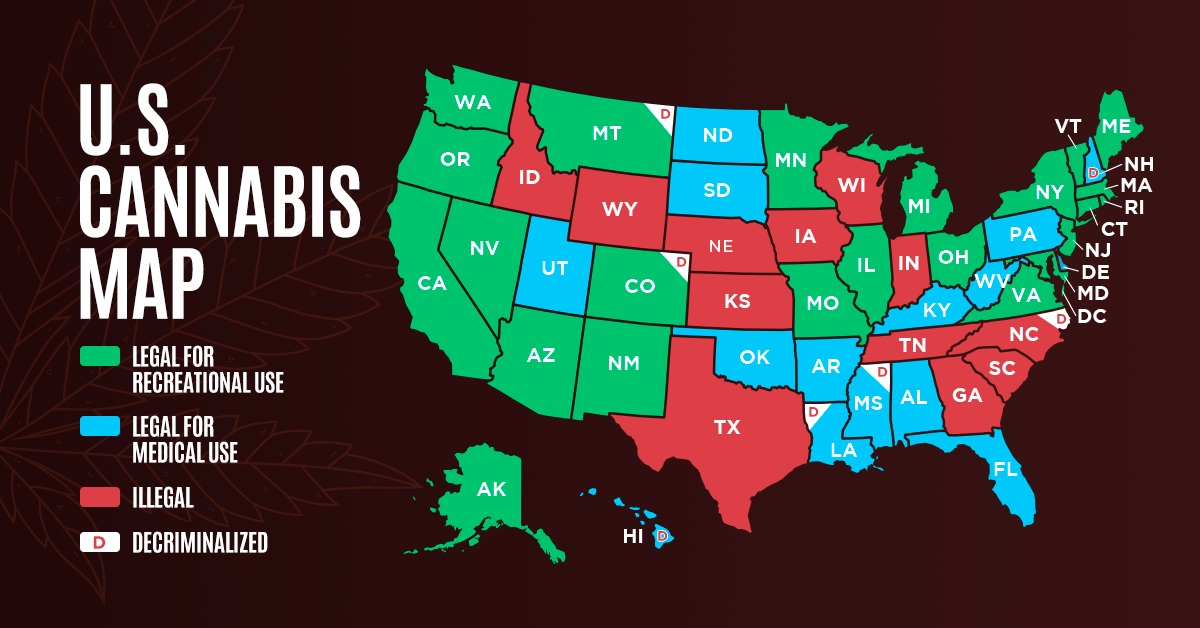
For many travelers contemplating a trip to the Centennial State, the question of cannabis legality is often at the forefront of their minds. As of 2024, the answer remains a resounding yes: recreational cannabis is legal in Colorado. This pioneering state, which first legalized recreational marijuana use for adults over 21 through Amendment 64 in 2012, continues to be a leader in the regulated cannabis industry. Its progressive stance has not only shaped local lifestyle and tourism but also set a precedent for many other states across the United States.
However, “legal” doesn’t mean “anything goes.” Understanding the nuances of Colorado’s cannabis laws is crucial for anyone planning to visit or reside here, especially for those venturing into the state for cannabis-related travel. From where you can purchase it to where you can consume it, and the implications for accommodation and transportation, a comprehensive grasp of the regulations ensures a safe, enjoyable, and compliant experience. This guide aims to shed light on everything you need to know about cannabis legality in Colorado in 2024, integrating insights relevant to travel, hotels, and responsible tourism.
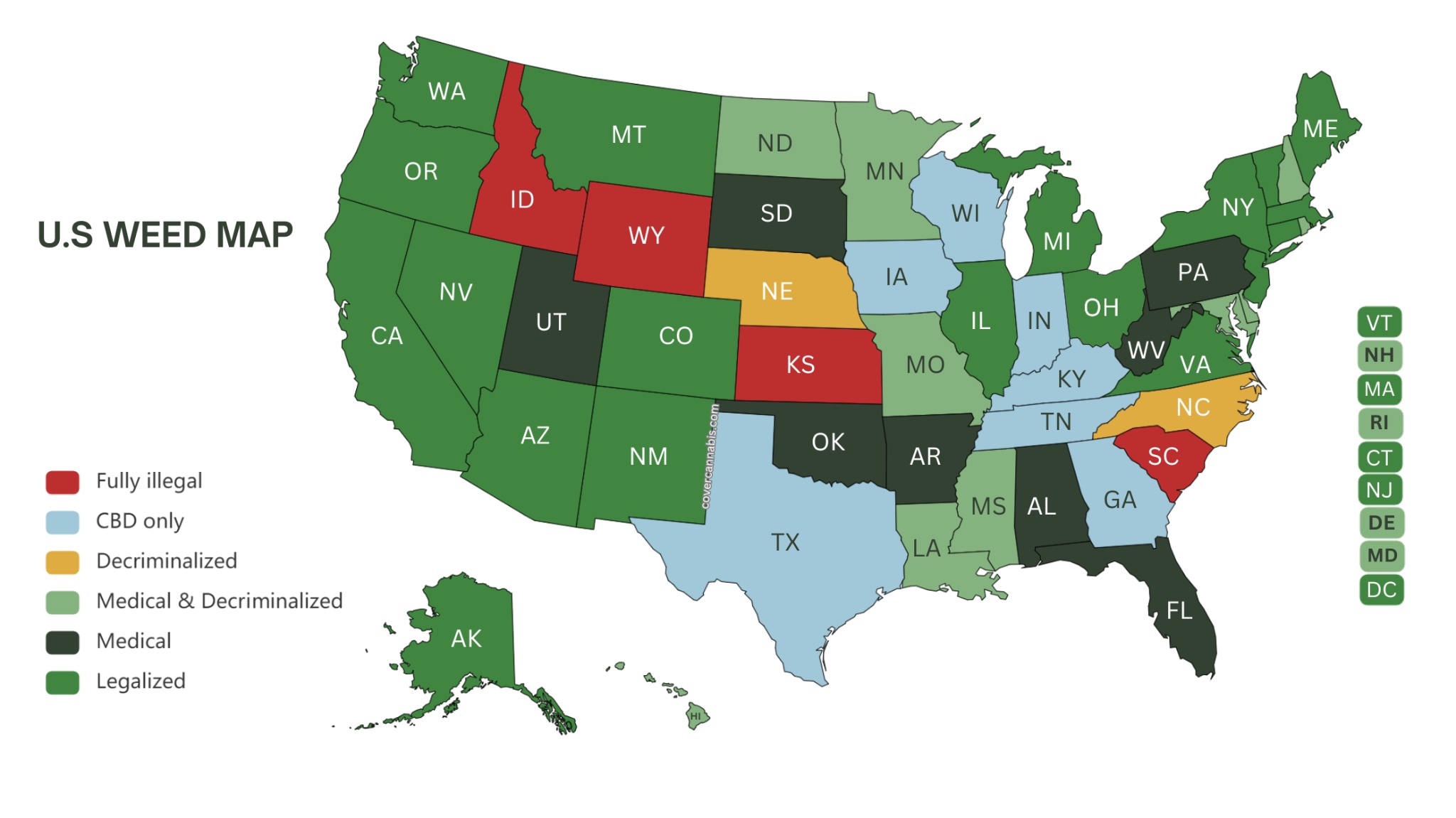
Understanding Colorado’s Cannabis Laws in 2024
Colorado’s journey to cannabis legalization began with the medical marijuana program in 2000, followed by the groundbreaking Amendment 64 in 2012, which legalized recreational use. This legislative framework has matured over the past decade, creating a robust, regulated market that attracts both connoisseurs and curious newcomers.
The Foundation: Recreational vs. Medical Cannabis
At its core, Colorado distinguishes between recreational and medical cannabis, each governed by its own set of rules, though both are overseen by the Marijuana Enforcement Division (MED).
- Recreational Cannabis: This is what most visitors will interact with. Adults aged 21 and over, with a valid government-issued ID, can purchase and possess cannabis for personal use. The key is “personal use” – it is illegal to distribute or sell cannabis without a state license.
- Medical Cannabis: This is available to qualifying patients who possess a valid Colorado Medical Marijuana Registry card. Medical patients generally have higher possession limits, may be able to purchase more potent products, and face lower sales taxes. While some dispensaries cater exclusively to medical patients, many serve both recreational and medical customers. For tourists, focusing on recreational dispensaries is the standard path.
The legal age limit of 21 is strictly enforced, similar to alcohol regulations. Visitors should always be prepared to show identification when entering dispensaries or purchasing cannabis products. The system is designed to be transparent and controlled, ensuring that products meet safety and quality standards before reaching consumers.
Where to Purchase and Possession Limits
Purchasing cannabis in Colorado is a straightforward process, primarily done through licensed retail dispensaries. These establishments are often found in major cities like Denver, Boulder, and Colorado Springs, though they are restricted in certain municipalities. For example, Colorado Springs does not permit recreational sales, so visitors there would need to travel to nearby towns.
Types of Products Available: Colorado’s dispensaries offer a vast array of cannabis products:
- Flower: The traditional form of cannabis, available in various strains (Indica, Sativa, Hybrids).
- Edibles: Gummies, chocolates, baked goods, and beverages infused with THC (tetrahydrocannabinol). These are popular for their discreetness and longer-lasting effects but require careful dosing, especially for beginners. Each edible serving is capped at 10mg of THC, with a maximum of 100mg per package for recreational sales.
- Concentrates: Wax, shatter, live resin, oils, and vape cartridges are highly potent forms of cannabis, popular among experienced users.
- Topicals: Lotions, balms, and patches for localized relief, typically non-psychoactive.
Possession Limits: For recreational users 21 and older, the legal possession limit is:
- 1 ounce (28 grams) of flower.
- 8 grams of concentrate.
- 800 milligrams of edibles (e.g., eight 100mg packages).
It’s important to remember that these limits apply to the total amount you can possess at any given time. Purchasing cannabis from unlicensed sources is illegal and should be avoided. Reputable dispensaries will always provide products in child-resistant packaging and offer advice on responsible consumption.
Navigating Cannabis Consumption as a Tourist
While purchasing cannabis is legal, where and how you consume it is subject to strict rules. This is particularly important for tourists, as ignorance of these laws can lead to fines or other legal issues.
Public vs. Private Consumption: What Visitors Need to Know
One of the most critical aspects of Colorado’s cannabis laws is the restriction on public consumption.
- Public Consumption is Illegal: It is illegal to consume cannabis (smoking, vaping, or edibles) in public places. This includes streets, parks (like Rocky Mountain National Park or city parks), sidewalks, ski slopes, restaurants, bars, and public transportation. Even though cannabis is legal, it falls under similar restrictions to public alcohol consumption. Law enforcement can issue fines for public consumption.
- Private Consumption is Permitted (with owner’s consent): The only legal place to consume cannabis is on private property, and specifically, with the permission of the property owner. This often means your own private residence or a designated cannabis-friendly rental.
Finding Cannabis-Friendly Accommodation in Colorado
This is where the intersection of cannabis legality and accommodation becomes crucial for travelers.
- Hotels and Traditional Lodging: Most traditional hotels, including major chains, prohibit cannabis consumption on their premises. This is largely due to federal law (which still classifies cannabis as illegal), insurance policies, and nuisance concerns (e.g., smoke odors). Many hotels have strict non-smoking policies that extend to cannabis. Violating these policies can lead to significant cleaning fees or even eviction. If a hotel does permit cannabis use, it will usually be explicitly stated, often in designated outdoor areas or specific rooms. Always confirm a hotel’s policy before booking.
- Vacation Rentals (Airbnb, Vrbo, etc.): Platforms like Airbnb and Vrbo host numerous private rentals, and some owners explicitly advertise their properties as cannabis-friendly. When searching for accommodation, look for listings that clearly state they allow cannabis use, usually in outdoor spaces or with specific ventilation. Always communicate directly with the host to understand their specific rules. This is often the best option for tourists seeking a legal place to consume.
- Cannabis-Friendly Establishments: A growing niche of cannabis-friendly hotels, bed-and-breakfasts, and private clubs are emerging. These establishments cater specifically to cannabis consumers, offering safe and legal spaces to enjoy products. Some even provide amenities like vaporizers or consumption lounges. These options are particularly appealing for those seeking a full cannabis tourism experience.
Rules for Driving, Flying, and Interstate Travel
Cannabis legality in Colorado does not supersede federal law or the laws of other states or countries.
- Driving Under the Influence (DUI): Driving while impaired by cannabis is illegal and carries severe penalties, similar to alcohol DUIs. Colorado law defines impairment as having 5 nanograms or more of active THC per milliliter of blood. It’s crucial to arrange for a designated driver or use rideshare services if you plan to consume cannabis.
- Flying with Cannabis: It is illegal to transport cannabis across state lines, even if both states have legalized it. This includes flying out of Denver International Airport (DEN). Airports are regulated by federal agencies like the Transportation Security Administration (TSA), which adheres to federal law. While TSA is primarily focused on security threats, if cannabis is discovered, they will refer the matter to local law enforcement. It is best practice to consume all purchased cannabis within Colorado and dispose of any remaining product before heading to the airport.
- Interstate Travel: Taking cannabis from Colorado to another state (even a legal one like Nevada or California) is a federal offense. Similarly, transporting cannabis into Colorado from another state is also illegal under federal law. Cross-border travel to Canada or Mexico with cannabis is strictly prohibited and can result in serious legal consequences.
Colorado’s Cannabis Tourism Landscape
The legalization of recreational cannabis has undeniably reshaped Colorado’s tourism landscape, creating a unique draw for travelers worldwide. Beyond the stunning landmarks and outdoor adventures, cannabis now plays a significant role in the state’s appeal.
Exploring Cannabis Experiences and Tours
For visitors eager to delve deeper into Colorado’s cannabis culture, a variety of specialized tourism experiences have emerged:
- Dispensary Tours: Many tour operators offer guided visits to multiple dispensaries, providing insights into different product types, cultivation methods, and the history of cannabis in Colorado. These tours can be an excellent way to learn about the industry in a safe and informative setting.
- Grow Facility Tours: Some licensed cultivation facilities open their doors to tourists, offering a behind-the-scenes look at how cannabis is grown, harvested, and processed. This provides an educational component, demystifying the plant from seed to sale.
- Cannabis Cooking Classes: For those interested in edibles, specialized cooking classes teach participants how to infuse cannabis into various dishes safely and effectively, emphasizing proper dosing and culinary techniques.
- “Puff, Pass & Paint” or Similar Creative Workshops: Combining cannabis consumption with artistic expression, these workshops offer a relaxed environment for individuals to explore their creativity while enjoying cannabis.
- Cannabis-Friendly Events and Retreats: Throughout the year, various events, from cannabis festivals to wellness retreats, incorporate cannabis into their programming, offering unique social and experiential opportunities.
These experiences often factor into lifestyle choices for travelers looking for something beyond traditional sightseeing. Whether it’s a luxury travel experience combining high-end cannabis with gourmet dining, or a more budget-friendly exploration of Denver’s cannabis scene, there’s something for everyone.
The Economic and Cultural Impact on Colorado Travel
The regulated cannabis market has had a substantial economic impact on Colorado. Tax revenues from cannabis sales have contributed significantly to public services, including education, infrastructure, and mental health programs. Beyond direct tax benefits, the industry has created thousands of jobs, from cultivation and processing to retail and ancillary services.
Culturally, cannabis has become a more visible and integrated part of Colorado’s identity. While still a developing aspect, it has influenced local food scenes, entertainment options, and even the types of accommodation available. The Colorado Tourism Office acknowledges the presence of cannabis but emphasizes responsible tourism, reminding visitors that Colorado is much more than just cannabis. Iconic landmarks like Union Station, the Denver Art Museum, and the Red Rocks Amphitheatre continue to draw visitors, and understanding local cannabis laws allows them to enjoy all aspects of the state responsibly.
For example, a trip to the ski resorts of Aspen or Vail might involve visiting a dispensary for après-ski relaxation, but consumption on the slopes or in public areas of the resort is strictly prohibited. The industry’s maturation means that conversations around cannabis are increasingly open, but discretion and respect for local norms remain paramount.
Responsible Enjoyment and Future Outlook
Enjoying cannabis in Colorado responsibly is key to a positive experience and helps maintain the state’s progressive approach to regulation.
Tips for a Safe and Legal Cannabis Experience
- Know Your Limits: Start with a low dose, especially with edibles, and wait to feel the effects before consuming more. Edibles can take 30 minutes to 2 hours to kick in, and their effects can last much longer than inhaled cannabis.
- Purchase from Licensed Dispensaries Only: Ensure products are tested, safe, and legally sourced. Dispensaries provide valuable information on strains, potency, and consumption methods.
- Consume Privately: Always ensure you have the property owner’s permission before consuming cannabis on private property. Never consume in public.
- Do Not Drive Impaired: Driving under the influence of cannabis is illegal and dangerous. Use rideshare services, taxis, or public transport.
- Be Mindful of Federal Law: Remember that while legal in Colorado, cannabis remains illegal under federal law. This impacts interstate travel and airports.
- Store Safely: Keep cannabis products in child-resistant packaging and out of reach of children and pets.
- Respect Local Culture: While cannabis is legal, not everyone partakes or approves. Be discreet and respectful of others.
The Evolving Future of Cannabis in the Centennial State
Colorado’s cannabis landscape is dynamic. As of 2024, the state continues to refine its regulations, addressing issues such as social equity, public consumption lounges, and product innovation. There’s a constant dialogue between lawmakers, industry stakeholders, and public health officials to ensure the market operates safely and responsibly.
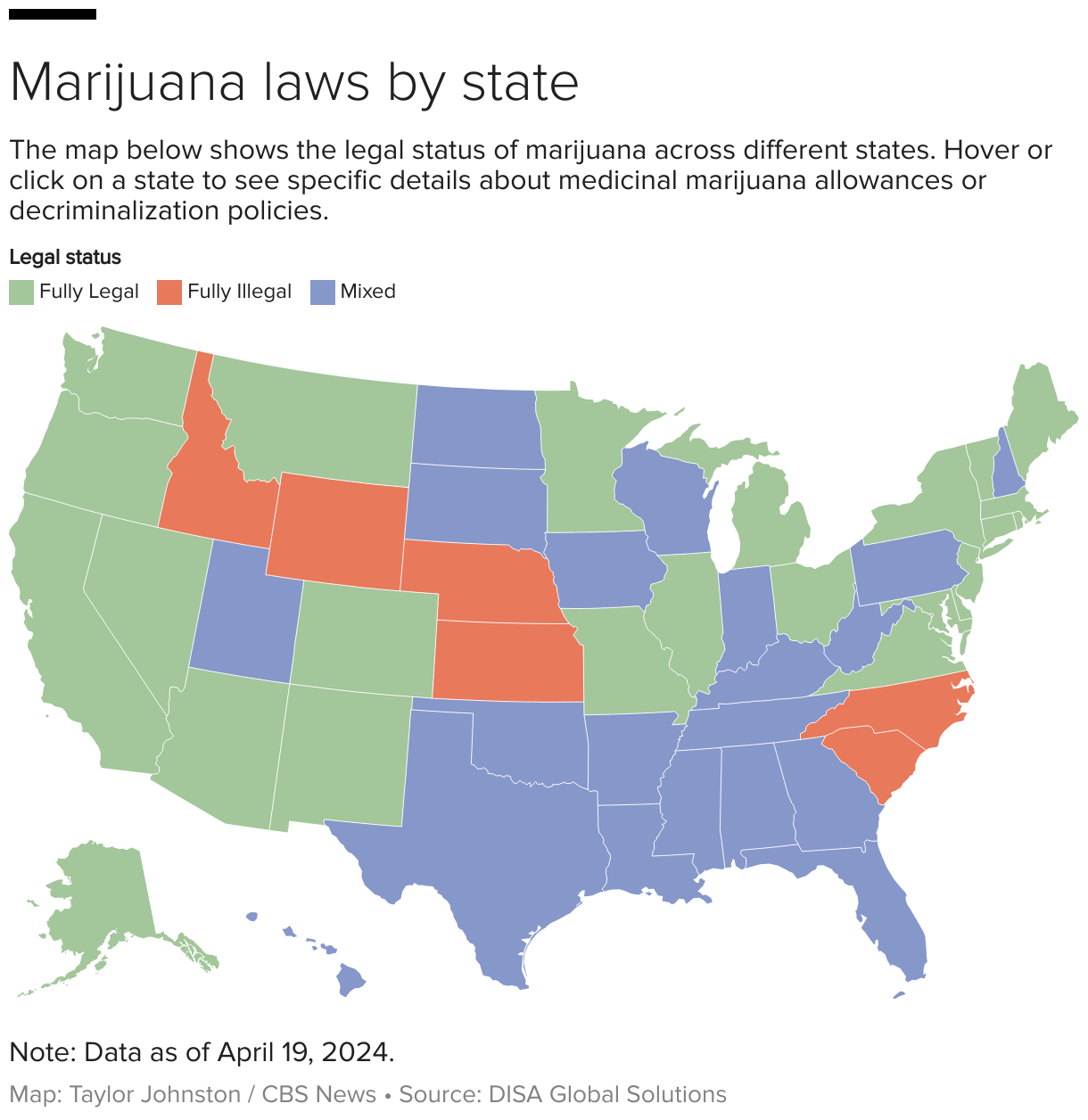
The prospect of federally legalizing cannabis in the United States could dramatically change the game, particularly concerning interstate travel and banking for cannabis businesses. However, until federal law changes, Colorado will continue to operate within its state-level legal framework. For travelers, this means staying informed about current state regulations and understanding that while cannabis is legal and accessible, responsible and compliant behavior is always expected.
In summary, the answer to “Is Weed Legal In Colorado 2024?” is a definitive yes for adults 21 and over. This reality presents unique travel and lifestyle opportunities, blending outdoor adventure with a progressive approach to cannabis. By understanding and adhering to the laws, visitors can enjoy all that Colorado has to offer, from its majestic landmarks to its innovative cannabis culture, ensuring a memorable and hassle-free trip.
LifeOutOfTheBox is a participant in the Amazon Services LLC Associates Program, an affiliate advertising program designed to provide a means for sites to earn advertising fees by advertising and linking to Amazon.com. Amazon, the Amazon logo, AmazonSupply, and the AmazonSupply logo are trademarks of Amazon.com, Inc. or its affiliates. As an Amazon Associate we earn affiliate commissions from qualifying purchases.