
For anyone considering a move to the Sunshine State, investing in its vibrant real estate market, or simply planning an extended stay, understanding the local tax landscape is paramount. The question, “Does Florida have capital gains tax?” is one that frequently arises, especially given the state’s reputation for being tax-friendly. While the answer at the state level is straightforward, the broader financial picture involves a delicate interplay with federal regulations, making it crucial for potential residents, savvy investors, and even long-term visitors to grasp the nuances. Florida’s unique appeal extends far beyond its picturesque beaches and world-renowned attractions; its economic policies actively work to attract both individuals and businesses, contributing to a dynamic lifestyle that blends leisure with financial prudence.
Florida’s Tax Landscape: A Haven for Investors and Residents
Florida stands out in the United States for its distinctive approach to taxation, a key factor that draws millions of visitors, new residents, and substantial investment annually. This advantageous tax environment is a significant contributor to the state’s thriving economy and its consistent ranking as a top destination for retirees, entrepreneurs, and families seeking a higher quality of life. The absence of certain state-level taxes directly impacts personal finances, making it an attractive proposition when considering where to live, work, or invest.
The Sunshine State Advantage: No State Income Tax
One of the most significant draws of moving to or investing in Florida is the complete absence of a state income tax. This means that individuals residing in Florida do not pay state taxes on their wages, salaries, retirement income, or income from businesses. This stands in stark contrast to high-tax states like California or New York, where state income taxes can significantly reduce a person’s take-home pay and overall wealth.
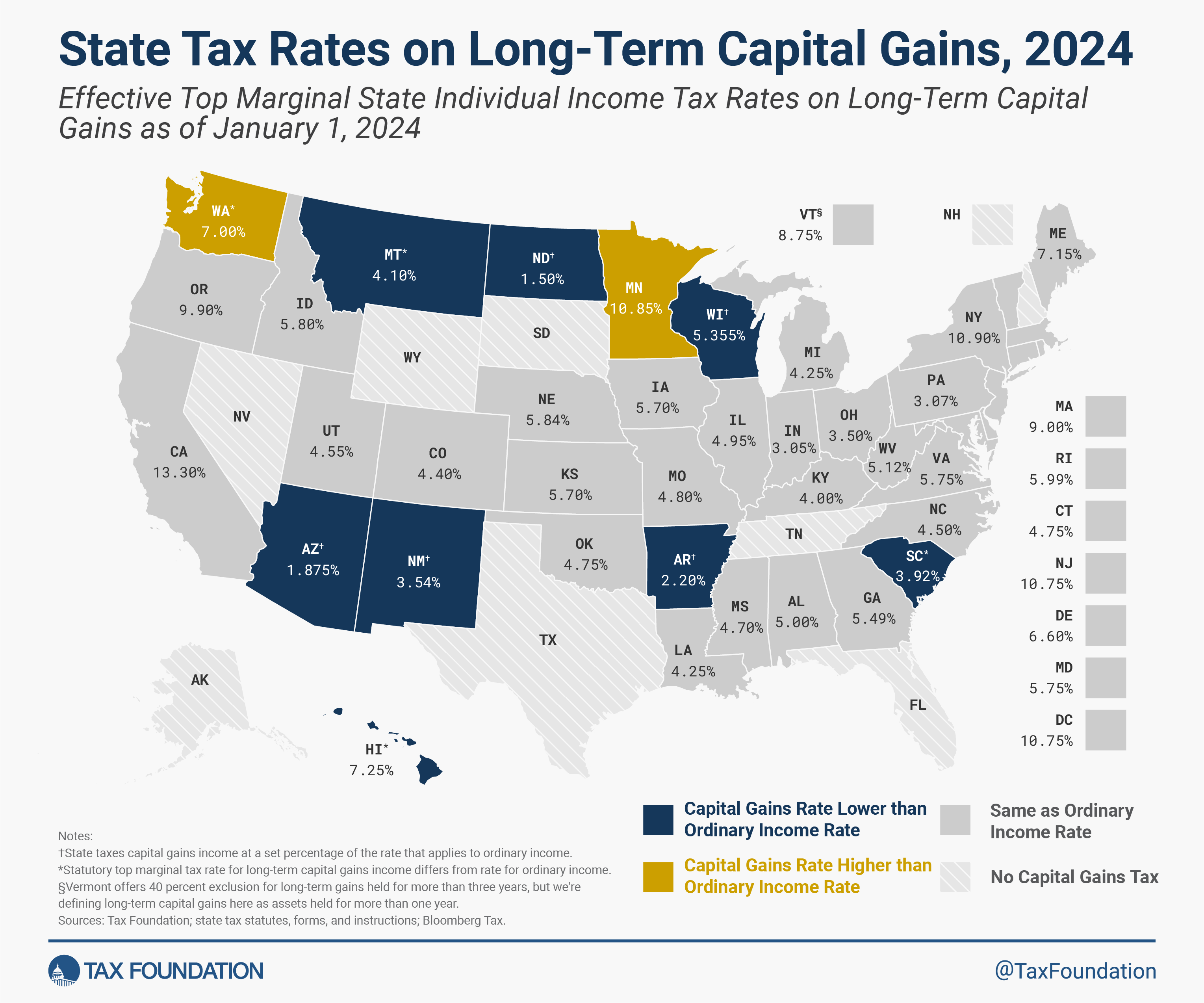
When it comes to capital gains, this “no state income tax” policy extends its benefits. Capital gains are profits made from the sale of an asset, such as real estate, stocks, or bonds. Because capital gains are generally considered a form of income, states that do not levy an income tax typically do not impose a separate state capital gains tax either. This is indeed the case in Florida. Therefore, the definitive answer is no: Florida does not have a state-level capital gains tax. This financial advantage often translates into more disposable income for residents and greater potential returns for investors, fueling interest in everything from luxurious Miami condos to charming vacation rentals in Orlando or Key West. The state’s vibrant tourism sector, supported by world-class attractions like Walt Disney World Resort and Universal Orlando Resort, also indirectly benefits from this policy, as a healthier local economy often means more investment in tourism infrastructure and services.
Understanding Capital Gains: State vs. Federal
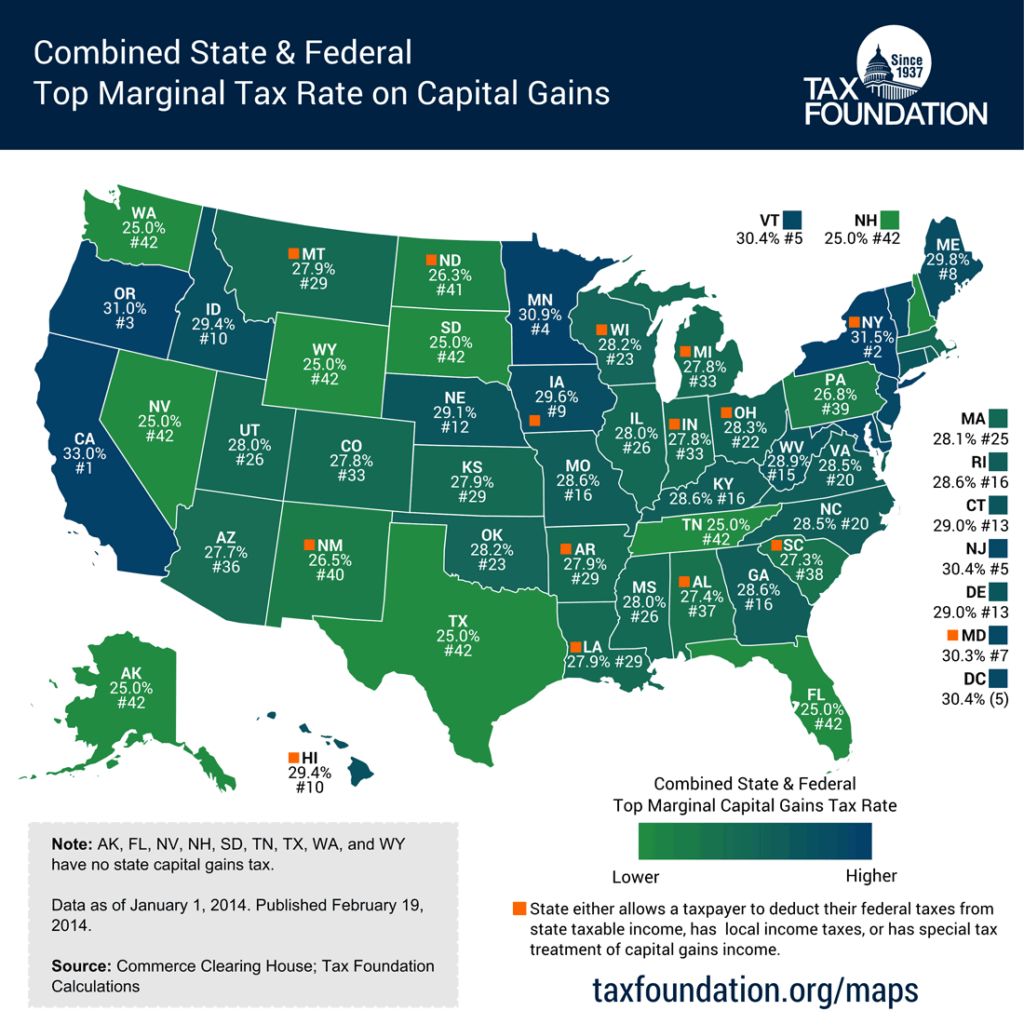
While Florida provides a state-level exemption, it’s critical to remember that capital gains are still subject to federal taxation. The Internal Revenue Service (IRS) imposes a federal capital gains tax on profits from the sale of assets, regardless of which state you reside in. This means that even if you sell an investment property in Naples or shares of a company while living in Jacksonville, you will owe federal taxes on any gains realized.
The federal capital gains tax rates depend on several factors, including your income level and how long you owned the asset (short-term vs. long-term). For many Florida residents, particularly retirees living on fixed incomes or those who have significant investment portfolios, minimizing their overall tax burden is a key financial strategy. The absence of a state capital gains tax in Florida offers a substantial advantage by eliminating one layer of taxation, allowing investors to retain a larger portion of their profits compared to counterparts in states like Washington (which recently introduced a capital gains tax). This makes Florida particularly appealing for those looking to maximize their returns on investment properties, second homes, or other assets typically associated with a comfortable lifestyle.
Navigating Capital Gains: What Investors and Homeowners Need to Know
For individuals deeply embedded in Florida’s dynamic real estate market, whether as homeowners or savvy investors, a comprehensive understanding of capital gains is indispensable. While the state’s tax policies are favorable, federal obligations and strategic planning are paramount to optimizing financial outcomes. This knowledge is especially crucial given the fluctuating nature of property values in popular tourist destinations and emerging residential hubs across the state.
Types of Assets Subject to Capital Gains
Capital gains tax, at the federal level, applies to profits from the sale of a wide array of assets. For Florida residents and investors, some of the most common assets that fall under this category include:
- Real Estate: This is perhaps the most significant asset class in Florida. Selling a primary residence, a vacation home in Destin, a rental property in Sarasota, or undeveloped land in a growing community can all result in capital gains. Given the state’s booming property market, particularly in tourist hotspots and luxury destinations, many owners realize substantial profits.
- Stocks and Bonds: Investments in the stock market or corporate and government bonds are also subject to capital gains tax when sold for a profit.
- Collectibles: Items such as art, antiques, coins, and stamps, which often appreciate in value, can generate capital gains upon sale.
- Mutual Funds and ETFs: These pooled investment vehicles generate capital gains when their underlying assets are sold for a profit, which is then passed on to investors.
- Business Interests: Selling a stake in a business or a small enterprise often results in capital gains.
For many enjoying the Florida lifestyle, their home or investment property is their largest asset. Understanding the implications of selling these properties is vital, particularly when considering the potential for significant appreciation in desirable locations like South Beach, Amelia Island, or beachfront communities along Clearwater Beach.
Strategic Exemptions and Considerations for Florida Property Owners
Even though federal capital gains tax applies, the IRS offers several valuable exemptions and deductions that can significantly reduce or even eliminate your tax liability on the sale of a primary residence. These provisions are particularly relevant for those who have made Florida their permanent home or are considering it.
The most notable exemption is for the sale of a primary residence. If you have owned and lived in the home for at least two of the five years leading up to the sale, you may be able to exclude a significant portion of the gain from your taxable income:
- Up to $250,000 for single filers
- Up to $500,000 for those married filing jointly
This substantial exclusion is a major benefit for homeowners, especially in Florida’s robust housing market where property values have seen considerable growth. For example, a couple who bought a charming bungalow in St. Petersburg years ago and sells it for a $400,000 profit would owe no federal capital gains tax on that transaction, thanks to the $500,000 exclusion. This encourages long-term residency and homeownership, contributing to stable communities and a thriving local economy.
However, it’s crucial to distinguish between a primary residence and other properties. This exclusion does not apply to second homes, vacation rentals, or investment properties. For these assets, the full capital gain will be subject to federal tax, although certain deductions for expenses (like improvements or selling costs) can reduce the taxable amount. Consulting with a tax professional is always advisable to navigate these complexities, especially for those managing multiple properties across Florida’s diverse regions, from the bustling cityscapes of Tampa to the serene golf communities of The Villages.
Long-Term vs. Short-Term Gains: Impact on Your Florida Investment
The duration for which you own an asset before selling it has a significant impact on how your capital gains are taxed at the federal level. This distinction between long-term and short-term gains is a critical consideration for any Florida investor.
- Short-Term Capital Gains: These are profits from assets held for one year or less. Short-term capital gains are taxed at your ordinary income tax rate. This means that if you quickly “flip” a property in Fort Lauderdale or rapidly trade stocks, any profit you make will be added to your regular income and taxed at the same, generally higher, rates.
- Long-Term Capital Gains: These are profits from assets held for more than one year. Long-term capital gains are taxed at preferential rates, which are typically lower than ordinary income tax rates. Depending on your taxable income, the federal long-term capital gains rates can be 0%, 15%, or 20%.
This distinction provides a powerful incentive for investors to hold onto their assets for longer periods, aligning with the website’s focus on long-term stays and experiences. For example, purchasing a vacation rental in Panama City Beach and holding it for several years allows the owner to benefit not only from rental income but also from potential appreciation taxed at a lower rate upon sale. This encourages stable investments in Florida’s tourism infrastructure and residential communities, rather than speculative, short-term ventures.
Florida Real Estate and Investment: A Magnet for Global Travelers and Residents
Florida’s allure as a destination for both leisure and investment is undeniable. The combination of stunning natural beauty, a vibrant cultural scene, and favorable tax policies creates a unique environment that appeals to a diverse global audience. This confluence makes the state’s real estate market particularly dynamic, attracting everything from luxury resort developers to families looking for a permanent slice of paradise.
The Allure of Florida Property: From Vacation Homes to Rental Empires
The appeal of Florida property extends far beyond its sandy shores. It’s a strategic investment hub for those looking to capitalize on the state’s booming tourism industry and steady population growth. From meticulously designed luxury apartments in Boca Raton to expansive villas in Palm Beach, the options are as diverse as the state itself.
Many international travelers and domestic visitors fall in love with Florida during their vacations and decide to purchase a piece of it, either as a second home for personal use or as a lucrative vacation rental property. The consistent influx of tourists throughout the year, drawn by attractions such as Everglades National Park, pristine beaches, and vibrant city life, creates a robust market for short-term accommodations. Investors can acquire properties specifically designed for the rental market, leveraging platforms for booking and reviews to generate substantial income. This investment strategy often dovetails with lifestyle goals, offering owners the flexibility to enjoy their property for part of the year while generating revenue during peak tourist seasons.
Furthermore, the lack of state capital gains tax enhances the profitability of these real estate ventures. When an investor decides to sell a vacation rental or an investment property, the profit is only subject to federal capital gains tax, leaving a larger net return compared to states with additional layers of taxation. This financial incentive, combined with the evergreen demand for Florida experiences, makes property ownership here an attractive proposition for building a rental empire or simply securing a beautiful family retreat.
Maximizing Your Florida Lifestyle and Investment Returns
Living or investing in Florida offers a unique opportunity to integrate a desirable lifestyle with sound financial planning. The absence of state income and capital gains tax means that residents and investors can potentially enjoy a higher quality of life and greater wealth accumulation. This enables individuals to channel more of their earnings into luxury travel experiences, exploring new destinations, or enhancing their accommodation choices, aligning perfectly with the website’s core themes.
Consider the lifestyle advantages: with more disposable income, families can more easily afford memorable family trips to Orlando’s theme parks, indulge in gourmet dining experiences that showcase Florida’s local culture, or embark on adventurous guided tours through its natural wonders. For business stays, the state’s favorable tax climate can also make it a more appealing location for entrepreneurs and companies, potentially fostering more business travel and hotel stays.
From an investment perspective, this tax environment encourages long-term commitments. Holding onto properties in areas with consistent tourist demand, such as Miami Beach or Key West, allows for significant appreciation over time. When combined with the lower long-term capital gains tax rates at the federal level, the overall return on investment can be highly competitive. This strategic advantage attracts a steady stream of serious investors, further stabilizing and enhancing Florida’s property market, making it an excellent choice for those seeking to maximize both their financial portfolios and their personal enjoyment of life.
Planning Your Move or Investment in Florida: Beyond the Tax Benefits
While the absence of a state capital gains tax and income tax undoubtedly makes Florida an attractive destination, making a move or significant investment here requires a holistic approach. Beyond the financial incentives, understanding the state’s diverse regions, lifestyle offerings, and practical considerations is key to a successful transition or a profitable venture.
Key Considerations for Relocating to Florida
Deciding to relocate to Florida is often driven by a combination of lifestyle desires and financial advantages. For those eyeing a permanent residence or a long-term stay, factors beyond taxes come into play:
- Cost of Living: While tax-friendly, the cost of living in popular areas like Miami or Naples can be high, particularly for housing. However, more affordable options exist in central or northern parts of the state. Budget travel considerations are still relevant here, even for residents.
- Job Market: For those still in their working years, researching the job market in specific cities is crucial. Florida has strong sectors in tourism, healthcare, logistics, and technology.
- Climate: The tropical and subtropical climate is a major draw for many, but the heat and humidity, along with hurricane season, are important considerations.
- Insurance Costs: Property insurance, especially homeowners insurance, can be higher in Florida due to hurricane risks. This is an important part of the total cost of accommodation.
- Local Culture and Amenities: Each city offers a unique local culture, from the vibrant Latin influences of Miami to the historic charm of St. Augustine. Exploring these aspects through tourism guides and experiences helps potential residents find their perfect fit.

Exploring Florida’s Diverse Regions and Investment Opportunities
Florida is far from monolithic; its regions offer distinct flavors and investment opportunities, catering to various lifestyles and financial goals.
- South Florida (Miami, Fort Lauderdale, Palm Beach): Known for luxury travel, high-end resorts, vibrant nightlife, and a bustling international scene. Real estate here often commands premium prices, appealing to those seeking an opulent lifestyle or high-yield vacation rentals.
- Central Florida (Orlando, Tampa): The heart of theme park tourism, offering endless attractions and family-friendly experiences. Investment in this region often focuses on short-term rentals, hotels, and apartments catering to the millions of annual visitors.
- Southwest Florida (Naples, Sarasota): Characterized by upscale retirement communities, pristine beaches, and a strong arts and culture scene. Ideal for retirees and those seeking a more relaxed, yet refined, lifestyle and stable long-term real estate appreciation.
- Northwest Florida (Panhandle – Destin, Panama City Beach): Famous for its “Emerald Coast” with white sand beaches and emerald waters. A popular spot for family vacations and vacation homes, offering a different kind of tourism experience.
Understanding these regional differences allows potential investors to align their financial goals with specific market dynamics, whether it’s investing in hotels near famous landmarks, developing unique accommodation options, or simply finding a perfect spot to enjoy Florida’s unparalleled lifestyle. The diverse offerings ensure that whether you’re interested in budget travel or luxury living, a vibrant city or a tranquil retreat, Florida has an option that can suit your needs, amplified by its attractive tax policies.
In conclusion, while Florida does not levy its own capital gains tax, federal taxes still apply. However, this state-level exemption, combined with other tax benefits and the state’s enduring appeal as a travel, tourism, and lifestyle destination, makes it a compelling choice for homeowners, investors, and anyone seeking a dynamic and financially savvy place to live or visit for an extended period. Thoughtful planning, informed by a clear understanding of both state and federal tax implications, will ensure that your Florida dream—whether it’s a permanent home, an investment property, or just an extended getaway—is as rewarding financially as it is personally.
LifeOutOfTheBox is a participant in the Amazon Services LLC Associates Program, an affiliate advertising program designed to provide a means for sites to earn advertising fees by advertising and linking to Amazon.com. Amazon, the Amazon logo, AmazonSupply, and the AmazonSupply logo are trademarks of Amazon.com, Inc. or its affiliates. As an Amazon Associate we earn affiliate commissions from qualifying purchases.