
Arizona, known for its breathtaking landscapes, vibrant cities, and year-round sunshine, draws individuals from all walks of life. Whether you are considering a move for retirement, embracing the digital nomad lifestyle, establishing a new business, or simply exploring extended stays, understanding the state’s financial landscape is paramount to making informed lifestyle choices. Among the critical factors influencing financial planning in the Grand Canyon State is its state income tax. Delving into Arizona’s income tax system reveals a structure that has undergone significant changes, particularly appealing to those seeking a fiscally advantageous environment for their personal and professional lives.
This guide provides an insightful look into Arizona’s state income tax, tailored for individuals keen on understanding how these financial dynamics impact their lifestyle decisions, from budgeting for daily living to long-term wealth management.
Understanding Arizona’s Income Tax System
The taxation structure in Arizona is a key component of its appeal, particularly for those eyeing a relocation or substantial investment. Unlike some states with complex tiered systems, Arizona has streamlined its approach, aiming to be more competitive and straightforward for taxpayers.
Who Pays Arizona State Income Tax?
Broadly, Arizona imposes income tax on individuals who are residents of the state, part-year residents, and non-residents earning income from Arizona sources.
- Residents: If you consider Arizona your permanent home or spend more than nine months out of the year within its borders, you are generally considered a resident and are taxed on all income, regardless of its source.
- Part-Year Residents: Individuals who move into or out of Arizona during the tax year pay tax on income earned while they were residents of the state and on Arizona-source income earned while they were non-residents.
- Non-Residents: Those who do not reside in Arizona but derive income from sources within the state (e.g., rental property income, wages for work performed in Arizona) are also subject to Arizona income tax on that specific income.
Understanding these residency rules is critical for remote workers and digital nomads who might split their time between multiple locations, as it directly impacts where and how their income is taxed, influencing their financial lifestyle choices.
Historical Context and Recent Changes
Arizona’s journey to its current income tax structure reflects a broader trend among states to simplify and reduce tax burdens. Historically, Arizona operated with a progressive income tax system, meaning higher earners faced higher marginal tax rates. However, recent legislative efforts have significantly transformed this landscape.
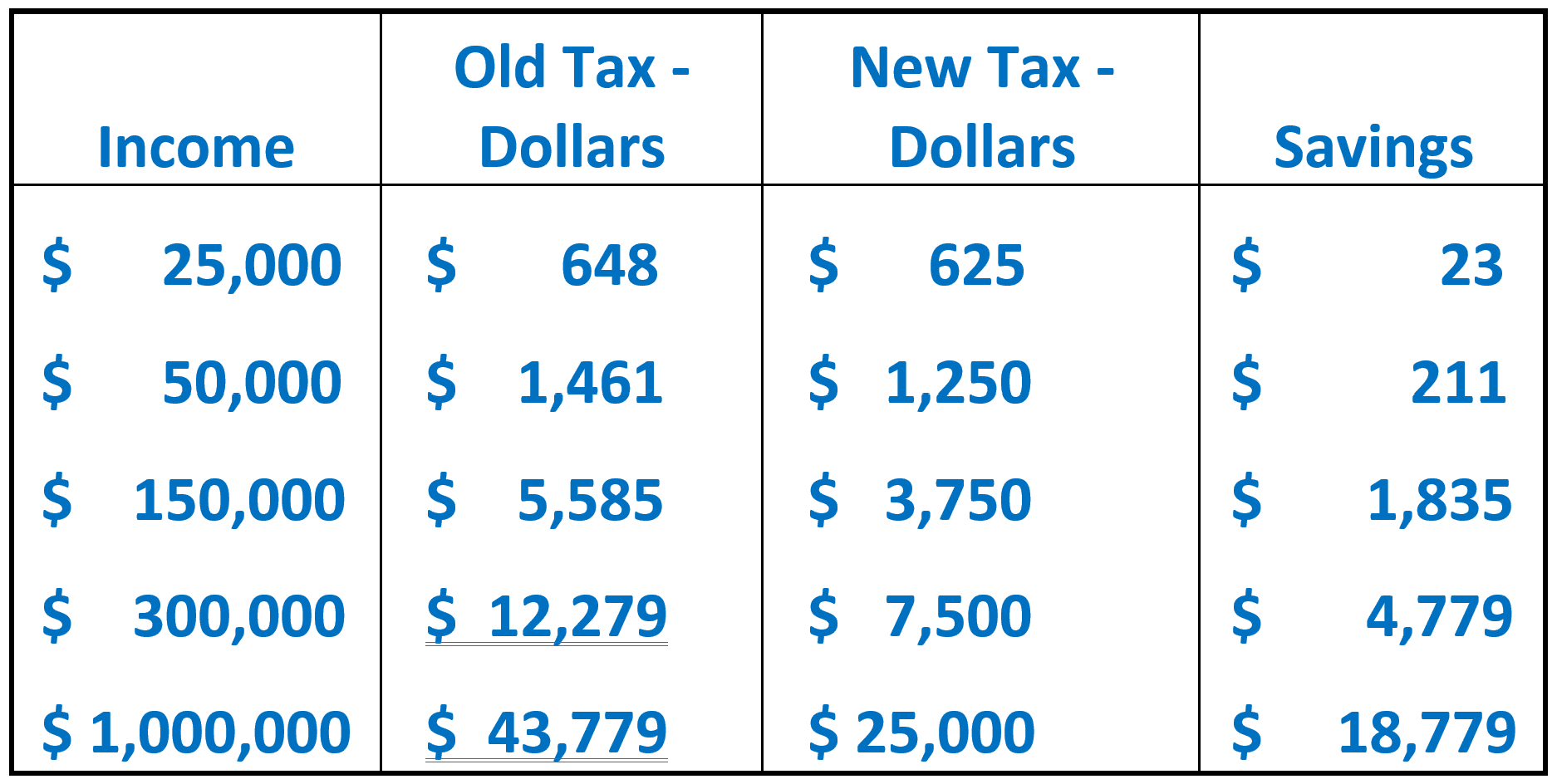
The most notable change occurred with the passage of legislation aiming for a single, flat tax rate. For the tax year 2023 and onwards, Arizona fully implemented a flat state individual income tax rate of 2.5%. This shift from a multi-bracket progressive system to a single, lower flat rate is a substantial change. It was driven by a desire to enhance Arizona’s economic competitiveness, attract businesses, and retain residents, positioning the state as a favorable environment for financial growth and diverse lifestyles. This simplified approach makes financial planning more predictable for all taxpayers, from young professionals in Phoenix to retirees in Tucson.
Key Features of the Tax Structure
Beyond the flat rate, Arizona’s income tax system incorporates several other features designed to be taxpayer-friendly:
- Simplicity: The flat rate significantly reduces the complexity often associated with progressive tax systems, making tax calculations more straightforward for individuals and businesses alike.
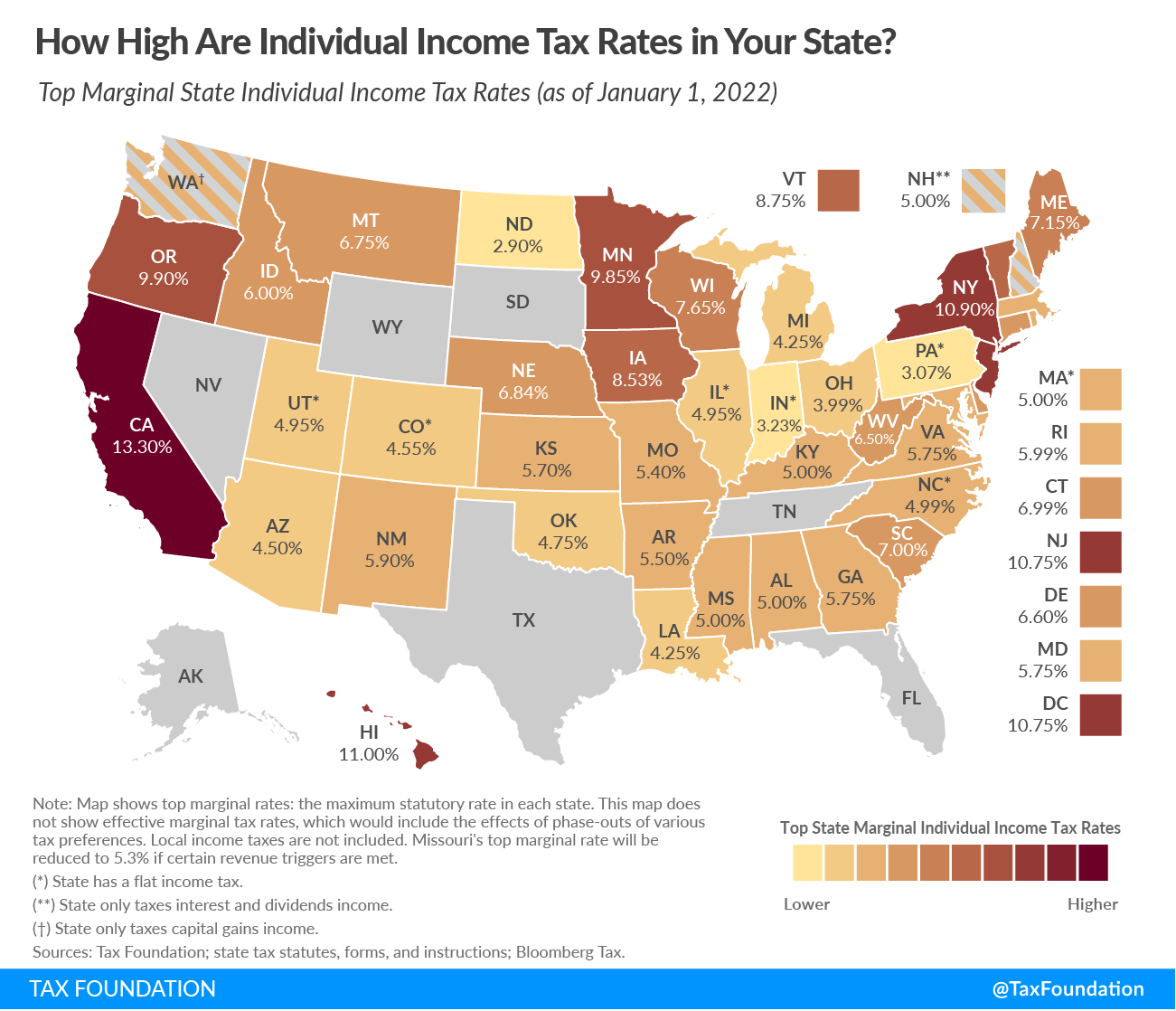
- Competitiveness: A 2.5% flat rate places Arizona among states with the lowest individual income tax rates, enhancing its appeal for economic development and personal relocation.
- Broad Base: While the rate is low, it applies to a broad base of income, ensuring fairness across different income levels, though with standard deductions and exemptions still in play.
Navigating Arizona’s Income Tax Rates and Brackets
With the implementation of a flat tax, the concept of “brackets” has largely become a historical note for Arizona’s individual income tax. This simplification is a cornerstone of the state’s appeal to those prioritizing fiscal predictability and a lower overall tax burden as part of their lifestyle choices.
Current Tax Rates
As of tax year 2023, the individual income tax rate in Arizona is a flat:
- 2.5% for all taxable income.
This means that regardless of your income level, once all deductions and exemptions are applied, the remaining taxable income is taxed at a uniform 2.5%. This contrasts sharply with states that have multiple tax brackets, where different portions of income are taxed at progressively higher rates. For individuals planning their finances, this flat rate simplifies projections for savings, investments, and overall disposable income, contributing to a clearer financial picture for their desired lifestyle in Arizona.
Standard Deductions and Exemptions
While the tax rate is flat, taxpayers can still reduce their taxable income through deductions and exemptions. These mechanisms are crucial for lowering the effective tax burden and are particularly relevant for different household structures and financial situations.
- Standard Deduction: Arizona allows taxpayers to claim a standard deduction, which is an amount that can be subtracted from adjusted gross income (AGI) before calculating tax. This amount is generally adjusted for inflation annually and varies based on filing status (e.g., single, married filing jointly). Taxpayers can generally choose to take the state standard deduction or itemize deductions if their itemized deductions exceed the standard amount.
- Personal Exemptions: Historically, Arizona provided personal exemptions for taxpayers and their dependents, further reducing taxable income. While these have seen adjustments over time, their availability and specific amounts are key considerations for families and individuals.
It’s vital for individuals to consult the latest guidance from the Arizona Department of Revenue (ADOR) or a qualified tax professional to understand the current year’s standard deduction and exemption amounts, as these directly influence the final income tax liability and, consequently, one’s financial lifestyle.
Credits That Can Impact Your Lifestyle
Beyond deductions and exemptions, Arizona offers various tax credits that can directly reduce the amount of tax you owe, dollar for dollar. These credits are often designed to support specific lifestyle choices or incentivize certain behaviors within the state.
- Family and Dependent Credits: Credits for dependents, especially children, can significantly benefit families choosing to raise their children in Arizona. These credits aim to alleviate some of the financial burden associated with childcare and raising a family.
- Education Credits: Arizona is known for its robust system of tax credits related to education, including those for public school fees, private school tuition organizations, and certified school tuition organizations. These credits allow taxpayers to redirect portions of their tax liability to support educational causes, aligning with a lifestyle that values community involvement and educational excellence.
- Credits for Low-Income Individuals: Specific credits exist to provide relief for low-income taxpayers, ensuring that the tax system remains equitable and supportive of diverse economic situations.
- Property Tax Credits: While not an income tax credit for all, some specific property tax credits may be available for qualifying individuals, indirectly impacting the overall financial burden of homeownership in Arizona.
These credits are powerful tools for managing your tax liability and can significantly enhance the financial viability of your chosen lifestyle in Arizona, whether you’re a young family, a community-minded individual, or someone seeking financial assistance.
Special Considerations for Different Lifestyles in Arizona
The flat income tax rate in Arizona presents unique advantages and considerations for various lifestyle groups, making it a pivotal factor in decisions about where to live, work, and retire.
For Retirees: Impact on Pension and Social Security Income
Arizona is a perennial favorite for retirees, and its tax policies significantly contribute to this appeal.
- Social Security Exemption: A major benefit for retirees in Arizona is that Social Security benefits are fully exempt from state income tax. This can lead to substantial savings for seniors, making their retirement income go further.
- Pension Income: While some states fully tax pension income, Arizona offers a deduction for certain types of military retirement pay and some other government pensions. The specifics can vary, so retirees with diverse pension sources should consult the latest ADOR guidelines to understand their exact tax situation.
- IRA/401(k) Distributions: Distributions from IRAs and 401(k)s are generally taxable, but the low flat rate of 2.5% still makes Arizona an attractive option compared to states with higher income tax rates on retirement distributions.
These tax advantages, combined with the state’s desirable climate and robust retiree communities in areas like Mesa and Sun City, solidify Arizona’s reputation as a financially savvy choice for retirement.
For Remote Workers and Digital Nomads: Residency Rules
The rise of remote work has introduced complexities regarding state income tax for individuals who are mobile. For digital nomads and remote workers considering Arizona, understanding residency rules is paramount.
- Establishing Domicile: Your “domicile” is generally considered your permanent home. If you establish Arizona as your domicile, you are an Arizona resident and taxed on all income. Factors like voter registration, driver’s license, vehicle registration, and where you primarily reside contribute to establishing domicile.
- Physical Presence: Even without establishing domicile, spending significant time in Arizona can classify you as a resident for tax purposes. Generally, if you are physically present in Arizona for more than nine months of the tax year, you are presumed to be a resident.
- Income Sourcing: For non-residents, income earned from services performed physically within Arizona (even for a short period) is considered Arizona-source income and is taxable by the state.
The 2.5% flat tax rate, combined with careful management of residency, can offer a favorable tax environment for remote workers and digital nomads looking to enjoy the lifestyle benefits of cities like Sedona or Flagstaff.
For Business Owners and Investors: Pass-Through Entity Taxation
Arizona’s tax system also impacts business owners and investors, particularly those operating pass-through entities (e.g., sole proprietorships, partnerships, S corporations, and LLCs taxed as such).
- Individual Tax Rate Applies: For these entities, profits and losses “pass through” directly to the owners’ personal income tax returns. Therefore, the 2.5% flat individual income tax rate applies to the owners’ share of the business profits. This low rate can be a significant advantage for entrepreneurs and small business owners, improving cash flow and reinvestment opportunities.
- Business-Friendly Environment: The overall low individual income tax rate, combined with other state incentives and a growing economy, contributes to Arizona’s reputation as a business-friendly state. This fosters an entrepreneurial lifestyle and attracts investment.
- Capital Gains: Capital gains are treated as ordinary income and are subject to the same 2.5% flat individual income tax rate at the state level (though federal capital gains rates still apply). This is advantageous for investors, as some states tax capital gains at higher rates.
For those whose lifestyle revolves around entrepreneurship or investment, Arizona’s tax structure offers a clear and competitive framework for financial success.
Planning Your Financial Lifestyle in Arizona
Understanding Arizona’s state income tax is a foundational step in financial planning, but it’s part of a larger ecosystem of considerations for those embracing a lifestyle in the state.
Importance of Professional Tax Advice
While this guide offers a comprehensive overview, tax laws are subject to change and individual situations vary greatly.
- Personalized Guidance: A qualified tax professional specializing in Arizona tax law can provide personalized advice tailored to your specific circumstances, ensuring compliance and optimizing your tax position. This is especially crucial for complex situations involving business income, multi-state residency, or significant investment portfolios.
- Staying Updated: Tax professionals stay abreast of the latest legislative changes, helping you navigate evolving requirements and take advantage of new opportunities for deductions or credits. For a dynamic lifestyle, having an expert on your side provides peace of mind.
Resources for Taxpayers
The primary official resource for Arizona state tax information is the Arizona Department of Revenue (ADOR).
- Official Website: The ADOR website provides forms, publications, FAQs, and the latest news regarding state tax laws. It’s an invaluable tool for self-filers and those seeking official documentation.
- Taxpayer Assistance: ADOR also offers taxpayer assistance services, which can be helpful for clarifying specific questions about your Arizona income tax obligations.
Utilizing these official resources ensures you have access to the most accurate and up-to-date information for your financial planning.

Beyond Income Tax: Other Financial Factors
While income tax is crucial, a holistic view of your financial lifestyle in Arizona must consider other significant taxes:
- Sales Tax (Transaction Privilege Tax): Arizona imposes a statewide sales tax, and local jurisdictions (cities and counties like Scottsdale) can add their own rates. This impacts the cost of goods and services, affecting everyday budgeting.
- Property Tax: For homeowners, property taxes are a significant recurring expense. While Arizona’s effective property tax rates are generally lower than the national average, they vary by county and specific property value. This is a key factor for anyone considering purchasing real estate, whether a home in Glendale or a vacation property near the Grand Canyon.
- Estate Tax: Arizona does not have a state-level estate tax or inheritance tax, which is another attractive feature for individuals focused on legacy planning and wealth transfer.
Considering these various tax implications together provides a complete financial picture, allowing individuals to truly assess the cost of their chosen lifestyle in the dynamic state of Arizona.
In conclusion, Arizona’s state income tax, with its appealing flat rate of 2.5%, significantly contributes to the state’s attractiveness for a diverse range of lifestyles. From retirees enjoying tax-exempt Social Security benefits to remote workers seeking a business-friendly environment and families benefiting from various credits, the state’s tax structure is designed to be advantageous. By understanding these nuances and proactively planning, individuals can fully embrace the unique opportunities and vibrant lifestyle that the Grand Canyon State has to offer. Always remember to consult official ADOR resources and a qualified tax professional for the most current and personalized financial advice.
LifeOutOfTheBox is a participant in the Amazon Services LLC Associates Program, an affiliate advertising program designed to provide a means for sites to earn advertising fees by advertising and linking to Amazon.com. Amazon, the Amazon logo, AmazonSupply, and the AmazonSupply logo are trademarks of Amazon.com, Inc. or its affiliates. As an Amazon Associate we earn affiliate commissions from qualifying purchases.