
Embarking on a journey, whether it’s a serene babymoon or a necessary business trip, often involves immersing oneself in the local culinary scene. For expectant mothers, this joyful exploration of food comes with an added layer of consideration: ensuring every bite is safe and nourishing for both mother and baby. Among the myriad of global delicacies, sushi, particularly the ubiquitous California Roll, frequently sparks questions for pregnant travelers. This staple, known for its approachable flavors and lack of raw fish, appears to be a safe bet, but a deeper dive into its components and preparation methods is essential for peace of mind while enjoying the food aspect of your tourism experience.
Culinary Explorations for Expectant Mothers: Balancing Adventure with Safety
Traveling while pregnant offers a unique opportunity to create lasting memories before the new arrival. From exploring the vibrant markets of Mexico City to strolling through the historic streets of Rome, food is an undeniable part of the experience. However, an expectant mother’s dietary needs are distinct, requiring careful selection of dishes to avoid potential health risks. This doesn’t mean foregoing culinary adventures entirely; rather, it encourages informed choices and an understanding of food safety, particularly when encountering local specialties or internationally popular dishes like sushi. The focus shifts from merely enjoying a meal to ensuring it contributes positively to prenatal health, turning every dining experience into an intentional act of care.
Understanding Pregnancy-Safe Food Tourism
For many, tourism is synonymous with gastronomic exploration. Trying local delicacies, sampling street food, or dining in acclaimed restaurants forms a significant part of the travel narrative. For pregnant women, this narrative requires a script adjustment. Instead of unrestricted indulgence, it becomes about mindful sampling and strategic choices. This includes researching a destination’s food hygiene standards beforehand, identifying reputable eateries, and being prepared to ask questions about ingredients and preparation. Whether you’re considering a traditional dish in Kyoto or a fusion meal in London, your approach to food as a tourist needs to prioritize safety without sacrificing the joy of discovery.
The Allure of the California Roll: A Global Phenomenon
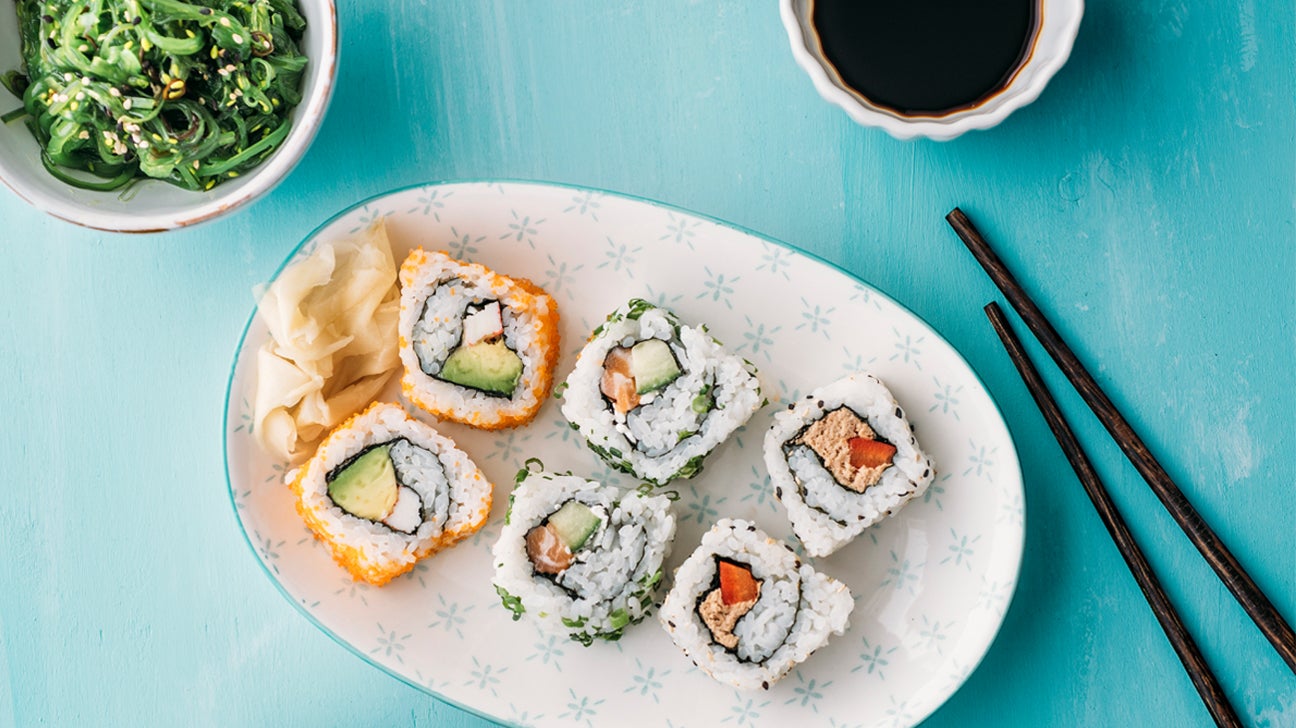
The California Roll, contrary to its traditional Japanese sushi counterparts, is a creation born in the West, often credited to sushi chefs in Los Angeles in the late 1960s or early 1970s. Its widespread popularity stems from its accessibility: it typically contains cooked or imitation crab meat (surimi), avocado, cucumber, and rice, wrapped in nori (seaweed) with the rice on the outside. This composition has made it a gateway sushi for many, and a seemingly safe option for those who avoid raw fish. Its global presence means you’re likely to find it on menus from New York City to Paris, making the question of its pregnancy safety relevant to almost any travel itinerary.
Deconstructing the California Roll for Expectant Travelers
The core of the “Can I have it?” question lies in the ingredients and their preparation. For a California Roll, the typical components are generally considered low-risk for pregnant women. However, “generally” is the operative word, and a deeper look at each element is warranted, especially when you’re a tourist relying on the standards of unfamiliar kitchens. Understanding these nuances can empower pregnant individuals to make informed choices, whether dining at a bustling food market or a high-end restaurant.
Core Ingredients: A Closer Look
The standard California Roll usually comprises:
- Imitation Crab (Surimi): This is the primary protein. Surimi is made from white-fleshed fish (like pollock) that has been deboned, minced, washed, and then mixed with starch, egg whites, salt, and flavorings before being cooked and shaped to resemble crab meat. Crucially, it is cooked fish, not raw. As long as it’s fresh and handled hygienically, it poses minimal risk.
- Avocado: A fantastic source of healthy fats, fiber, and vitamins. Avocados are perfectly safe and beneficial during pregnancy.
- Cucumber: Offers hydration and vitamins. Also perfectly safe.
- Rice: The sushi rice is cooked with vinegar, sugar, and salt. Cooked rice, if stored and handled properly to prevent bacterial growth (especially Bacillus cereus), is safe.
- Nori (Seaweed): A good source of iodine and other minerals. Generally safe, but excessive consumption of certain types of seaweed should be avoided due to very high iodine levels, which isn’t typically an issue with the amount in a sushi roll.
- Mayonnaise/Sauces: Some California Rolls might contain a touch of mayonnaise or a spicy sauce. Ensure any mayonnaise used is made with pasteurized eggs, which is standard in most commercial products.
The Raw Fish Question and Its Alternatives
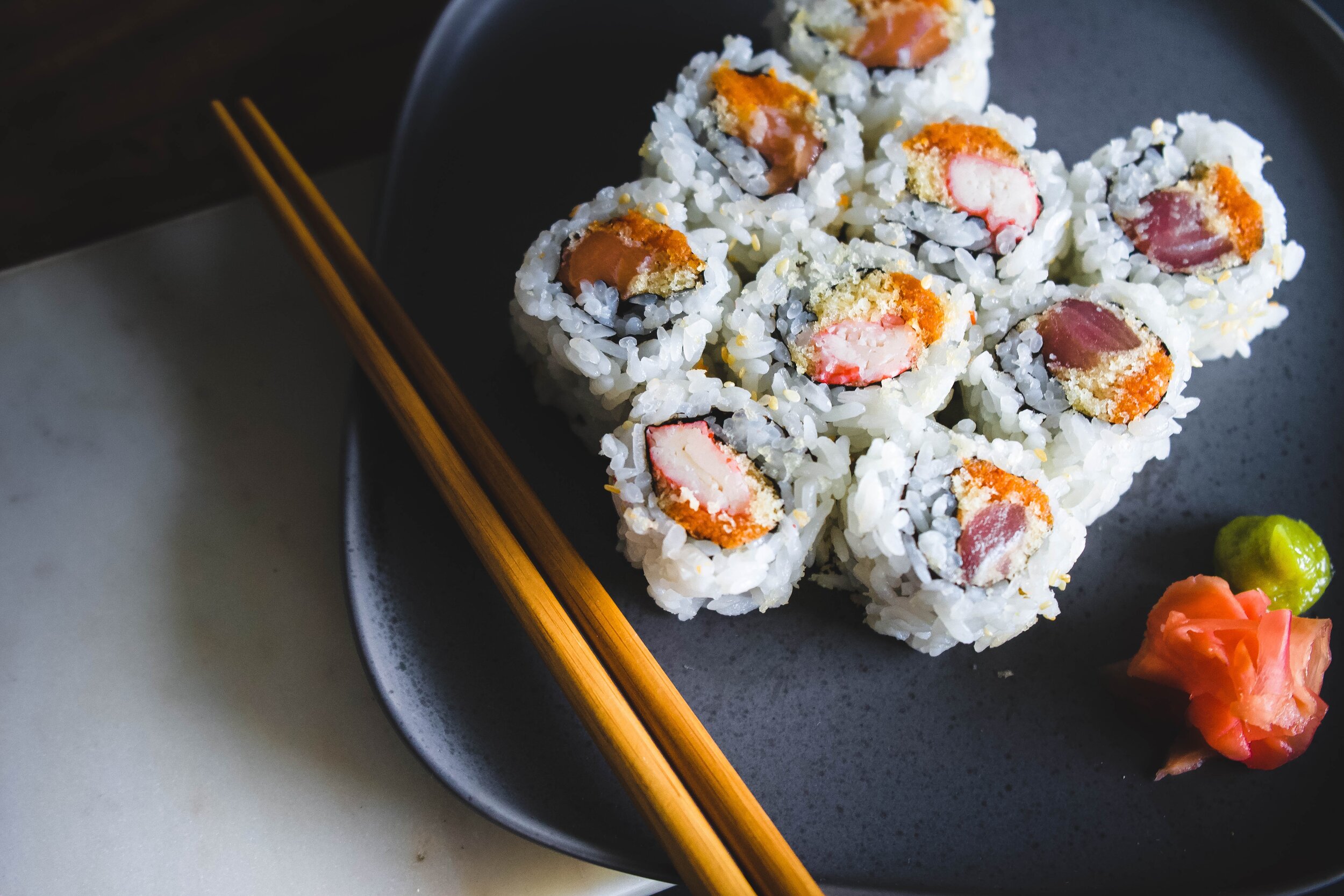
While the California Roll is celebrated for its lack of raw fish, the broader concern for pregnant women revolves around sashimi and other raw seafood. Raw or undercooked fish can contain parasites or bacteria like Listeria monocytogenes, which can be particularly dangerous during pregnancy. The good news is that the California Roll inherently bypasses this concern due to its cooked imitation crab.
However, when exploring other sushi options while traveling, it’s wise to stick to fully cooked items. Many sushi restaurants offer a variety of rolls with cooked shrimp, tempura vegetables, grilled chicken, or fully vegetarian options. These alternatives allow pregnant tourists to enjoy the sushi experience without the risks associated with raw fish. Always confirm that fish is thoroughly cooked.
Hygiene and Preparation Standards in Tourist Hotspots
This is perhaps the most critical factor for any food enjoyed while traveling. Even with seemingly safe ingredients, improper hygiene can lead to foodborne illness. When choosing where to eat sushi or any meal in a tourist destination, consider:
- Reputation: Opt for well-regarded restaurants, especially those with high foot traffic, as this indicates fresh ingredients and a quicker turnover. Online reviews often provide insight into cleanliness and food quality.
- Cleanliness: Visually assess the restaurant. Is the dining area clean? Does the sushi counter look pristine? Are chefs wearing gloves and practicing good hygiene?
- Ingredient Storage: Ensure ingredients, particularly the imitation crab and rice, are kept refrigerated and handled correctly. Cooked rice left at room temperature for extended periods can be a breeding ground for bacteria.
- Cross-Contamination: Be mindful of places where raw fish and cooked ingredients are prepared in close proximity without proper separation.
- Asking Questions: Don’t hesitate to ask your server about the ingredients, especially regarding whether the crab is imitation/cooked and how the food is prepared. Most establishments in tourist-heavy areas are accustomed to such inquiries.
Beyond the California Roll: Safe Sushi and Seafood Choices While Traveling
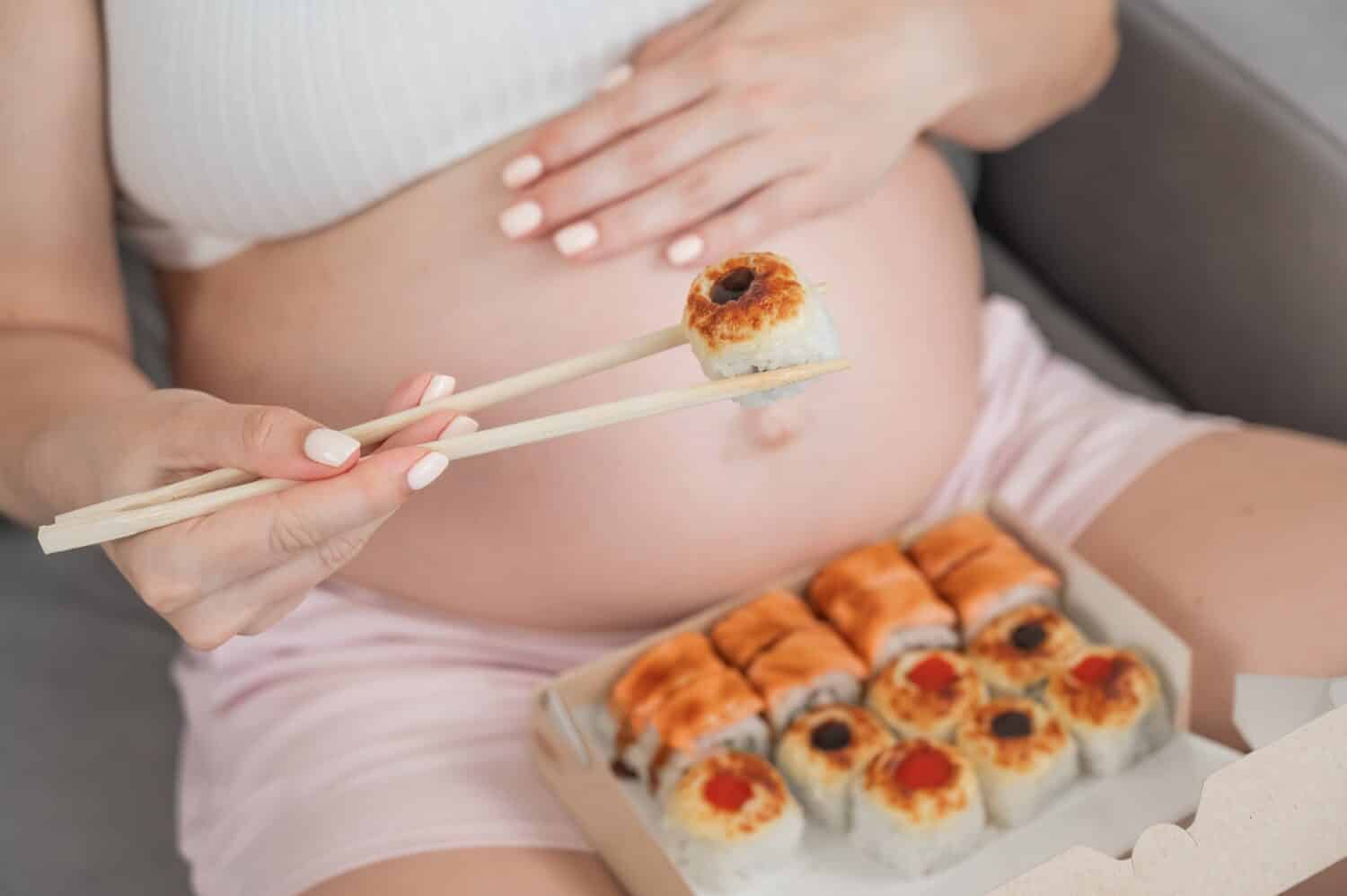
While the California Roll might be a go-to, the world of sushi and seafood offers many other delights. Traveling pregnant doesn’t mean you have to miss out on these experiences; it simply means being more discerning. By understanding what to look for and what questions to ask, you can confidently explore diverse culinary landscapes.
Opting for Cooked Options and Vegetarian Delights
Many sushi establishments around the world, from local eateries in Tokyo to fusion restaurants in Sydney, offer an extensive range of cooked and vegetarian rolls.
- Cooked Sushi Rolls: Look for options like Shrimp Tempura Rolls, Eel (Unagi) Rolls (which are always cooked), Chicken Teriyaki Rolls, or rolls featuring cooked salmon or tuna. Confirm that all seafood components are thoroughly cooked.
- Vegetarian Rolls: Cucumber rolls (Kappa Maki), avocado rolls, sweet potato tempura rolls, and various vegetable rolls are excellent, safe choices. These are rich in nutrients and completely bypass any seafood-related concerns.
- Soups and Appetizers: Miso soup (ensure it’s served hot), edamame, and seaweed salads are generally safe and nutritious additions to your meal.
Freshness Matters: Choosing Reputable Eateries
The cornerstone of safe seafood consumption, especially during pregnancy, is freshness. When traveling, sourcing your meals from reputable establishments is paramount.
- High-Volume Restaurants: Places with a high customer turnover are more likely to have fresh ingredients, as stock is replenished frequently.
- Specialized Seafood Restaurants: Establishments that specialize in sushi or seafood often have stricter protocols for sourcing, handling, and preparing their ingredients.
- Avoid Buffets and Street Vendors (Unless Vetted): While tempting, buffets often have food sitting out for extended periods, increasing bacterial risk. Street food can be fantastic, but unless a vendor has an impeccable reputation for hygiene, it might be safer to opt for sit-down restaurants. In places like Bangkok, certain street food stalls are internationally renowned for their cleanliness; research is key.
Asking the Right Questions: A Traveler’s Guide
Language barriers can sometimes complicate dietary inquiries, but in major tourist destinations, many restaurant staff are accustomed to dealing with diverse dietary needs.
- “Is this cooked?” or “Are all ingredients cooked?”: Focus on cooked proteins.
- “Does this contain raw fish?”: A direct question to clarify.
- “Is the mayonnaise made with pasteurized eggs?”: Important if considering sauces.
- “Is this imitation crab, and is it cooked?”: Specifically for rolls resembling the California Roll.
- Be Clear About Your Pregnancy: In some cultures, explicitly mentioning pregnancy can prompt staff to be extra careful or recommend suitable dishes.
General Food Safety Tips for Pregnant Tourists
Beyond specific dishes like the California Roll, a broader understanding of food safety is crucial for any pregnant tourist. These universal tips can help ensure your culinary journey remains enjoyable and healthy, regardless of your destination.
Hydration and Avoiding Contamination
- Drink Bottled Water: In many countries, tap water is not safe for consumption. Always opt for sealed bottled water, and avoid ice unless you can confirm it’s made from purified water.
- Wash Hands Frequently: Carry hand sanitizer, especially when exploring markets or before meals.
- Fruits and Vegetables: Stick to fruits you can peel yourself (like bananas, oranges) and thoroughly washed, cooked vegetables. Avoid salads in places where water quality is questionable, as they might be washed with unsafe water.
- Hot Food Hot, Cold Food Cold: Ensure cooked food is served piping hot, and cold food is adequately chilled. Avoid lukewarm items.
Researching Local Food Hygiene Standards
Before traveling to a new country or city, invest time in understanding its general food safety practices. Government tourism websites or travel health advisories often provide guidance on food and water safety. Being informed about common foodborne illnesses in a region can also help you take preventative measures. For instance, in some parts of Southeast Asia, being cautious about certain unpasteurized dairy products might be advisable.
Enjoying Your Culinary Journey Safely
In conclusion, for expectant mothers, the beloved California Roll is generally considered a safe choice while traveling, thanks to its cooked or imitation crab meat. However, the ultimate safety hinges on the freshness of ingredients and the hygiene standards of the establishment preparing it. By understanding the components, choosing reputable eateries, and not hesitating to ask questions, pregnant tourists can confidently enjoy this popular dish and many other culinary delights the world has to offer. Your pregnancy journey is a special time, and with mindful planning, your food tourism experiences can be just as enriching and memorable as any other part of your travels.
LifeOutOfTheBox is a participant in the Amazon Services LLC Associates Program, an affiliate advertising program designed to provide a means for sites to earn advertising fees by advertising and linking to Amazon.com. Amazon, the Amazon logo, AmazonSupply, and the AmazonSupply logo are trademarks of Amazon.com, Inc. or its affiliates. As an Amazon Associate we earn affiliate commissions from qualifying purchases.