
California, a state synonymous with innovation, diverse cultures, and iconic landscapes, often presents a multifaceted picture to both its residents and visitors. From the vibrant tech hubs of Silicon Valley to the serene beaches of Malibu and the majestic forests of Yosemite National Park, the Golden State offers an unparalleled array of experiences. However, beyond the celebrated lifestyle of sun-drenched days and progressive ideals, lies a complex legal and social landscape that shapes its unique identity. For those considering a move, an extended stay, or simply wishing to understand the deeper fabric of California life, questions about its fundamental legal stances, such as capital punishment, can arise. While seemingly distant from typical travel or lifestyle considerations, a state’s approach to such profound issues offers valuable insight into its values, governance, and overall societal environment. Understanding these nuances contributes to a more informed and enriched appreciation of the California lifestyle.

In 2024, the question of whether California practices the death penalty is not as straightforward as a simple “yes” or “no.” It reflects decades of legal challenges, public referendums, and gubernatorial decisions that have placed the state at the forefront of the national debate on capital punishment. For anyone engaging with California’s vibrant culture, from aspiring entrepreneurs in Los Angeles to retirees seeking a peaceful existence in San Diego, understanding these significant legal underpinnings is part of grasping the full picture of the state’s modern lifestyle. This article delves into the current status of capital punishment in California as of 2024, exploring its historical trajectory, the current moratorium, and what this means for the societal and legal landscape that defines the Golden State’s unique way of life.
California’s Evolving Legal Landscape: A Context for Modern Living
The legal framework of any state profoundly influences the lifestyle within its borders, shaping everything from economic opportunities to social norms. In California, a state known for its progressive policies and forward-thinking initiatives, the journey through the complexities of capital punishment legislation has been particularly illustrative of its dynamic social fabric. To truly understand the California of today, one must appreciate the historical context that has led to its current legal stance on the death penalty. This journey is not just a matter of legal precedent but a reflection of the evolving values and societal discussions that shape the lives of millions.
Historical Overview of Capital Punishment in the Golden State
Capital punishment has a long and complicated history in California, dating back to its foundational years. The state officially adopted the death penalty in 1872, with executions predominantly carried out by hanging until the gas chamber was introduced in 1937. For much of the 20th century, California regularly carried out executions, with San Quentin State Prison serving as the primary site. However, the latter half of the century brought increasing legal scrutiny and public debate. A significant turning point occurred in 1972 when the California Supreme Court, in People v. Anderson, ruled the state’s death penalty unconstitutional, leading to a temporary halt in executions.
The death penalty was reinstated through a constitutional amendment and new legislation in 1978, which expanded the list of “special circumstances” under which a defendant could face capital charges. This led to California accumulating the largest death row population in the United States, with hundreds of individuals awaiting execution. Despite the large numbers, actual executions became increasingly rare due to lengthy appeals processes and legal challenges regarding execution methods, specifically lethal injection protocols. This period marked a growing tension between legal mandates and practical implementation, creating a unique legal environment that continues to influence the state’s identity.
The Current Moratorium: What It Means for 2024
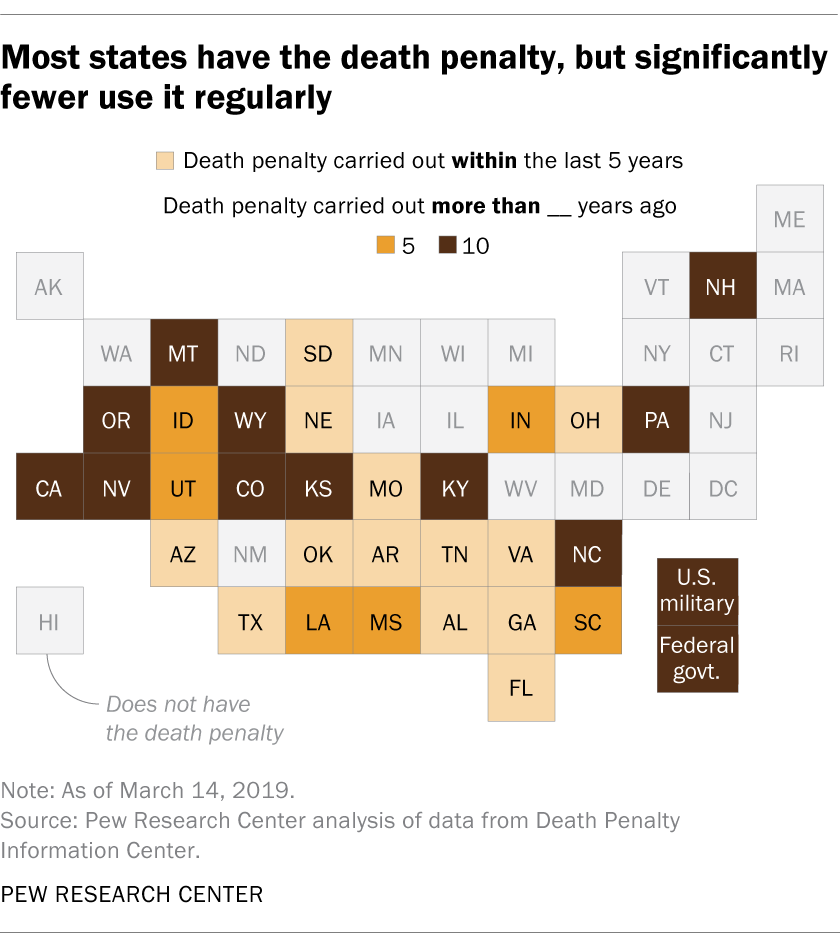
Fast forward to 2024, and the legal status of the death penalty in California is defined by a significant executive action. In March 2019, Governor Gavin Newsom issued an executive order imposing a statewide moratorium on the death penalty. This order immediately halted all executions in California as long as he remains governor. The executive order also withdrew the state’s lethal injection protocols and closed the execution chamber at San Quentin State Prison.
What does this mean for 2024? While the death penalty remains legal on the books in California (meaning it has not been legislatively abolished or overturned by the courts statewide), the moratorium ensures that no executions will be carried out under the current administration. This distinction is crucial for understanding the current California lifestyle. The legal possibility of capital punishment exists, but its practical application is paused indefinitely. This status reflects a broader national trend and a strong stance from the state’s leadership on a contentious issue, aligning with the progressive values often associated with California. For residents and those considering making California their home, this moratorium underscores a commitment to re-evaluating justice systems and prioritizing human rights, which are integral aspects of the modern Californian lifestyle.
Beyond the Headlines: Societal Impact and the California Lifestyle
The nuanced stance on the death penalty in California extends far beyond legal texts and political debates; it permeates the societal consciousness and subtly influences the state’s overall lifestyle. For many, California represents a beacon of progressive thought and social justice, where community values often lean towards rehabilitation and systemic reform over punitive measures. This perspective shapes everything from public discourse to local initiatives, making it an essential aspect for anyone looking to fully immerse themselves in the California way of life.
Progressive Values and Community Life
California’s moratorium on the death penalty is often seen as a reflection of its broader progressive values. The state has a history of pioneering social movements, from environmental protection to LGBTQ+ rights, and its approach to criminal justice is no exception. This ethos fosters a community life that often emphasizes compassion, reform, and addressing systemic inequalities. For individuals moving to cities like San Francisco or Oakland, or even more suburban areas, these progressive values are frequently visible in local politics, educational institutions, and community activism. The public conversation often shifts from punitive retribution to a focus on the root causes of crime, restorative justice, and mental health support.
This doesn’t mean there’s universal agreement on capital punishment within California; debates persist, and public opinion polls show a divided populace. However, the moratorium signifies a governmental direction that prioritizes human rights and critiques the efficacy and fairness of the death penalty. This stance becomes part of the cultural tapestry, influencing how residents perceive justice and interact within their communities. For those seeking a lifestyle in a state that actively grapples with and often leads on complex ethical questions, California’s position is a defining characteristic.
Legal System Insights for Residents and Visitors
While the immediate impact of the death penalty’s status on a typical tourist or new resident might seem minimal, understanding the broader legal landscape is a crucial part of navigating life in California. The state’s commitment to due process, fair trials, and robust appellate procedures, particularly highlighted by the extensive review given to capital cases, underscores a fundamental aspect of its legal system. For individuals interacting with the legal system, whether for minor infractions or more serious matters, this commitment to thoroughness and extensive legal recourse is a defining feature.
For visitors, being aware of California’s legal environment means appreciating the state’s dedication to rights and protections, which extends to all individuals within its jurisdiction. This knowledge can enhance one’s sense of security and trust in the system, contributing to a more comfortable and informed lifestyle experience. For those considering long-term residency or business ventures, understanding the state’s legal complexities, including its approach to controversial issues, provides a realistic perspective on its governance and societal priorities. It’s about more than just knowing the law; it’s about understanding the principles that guide life in the Golden State.
Planning Your California Experience: Understanding Local Nuances
Exploring California is an experience rich with diversity, from its natural wonders to its cultural hubs. For anyone planning to visit, live, or simply engage with this dynamic state, appreciating its local nuances – including its legal and societal complexities – enriches the entire journey. The question of the death penalty, while specific, opens a window into California’s broader approach to justice, human rights, and community values, all of which are integral to its unique lifestyle.
Engaging with California’s Diverse Perspectives
California is a melting pot of ideas, cultures, and viewpoints. Engaging with its diverse perspectives means acknowledging that even on issues as fundamental as capital punishment, there is a wide spectrum of opinions. While the state’s leadership has implemented a moratorium, public debate continues, reflecting the democratic and often contentious nature of its political landscape. For visitors and residents, this vibrant exchange of ideas is part of the California experience. Whether you’re in Sacramento, the state capital, or the bustling streets of San Jose, you’ll encounter a populace that is often engaged and vocal about social and legal issues. Understanding these differing viewpoints, and the reasoning behind them, allows for a deeper connection with the local culture and a more nuanced understanding of the California lifestyle. It encourages thoughtful reflection rather than superficial observation, making your experience more profound.

Resources for Deeper Understanding
For those interested in delving deeper into California’s legal system, its stance on the death penalty, or broader social justice issues, numerous resources are available. Legal aid organizations, academic institutions like the University of California, Berkeley or Stanford University, and human rights advocacy groups frequently publish research, hold public forums, and offer detailed information. These resources can provide valuable insights into the ongoing discussions and the potential future of capital punishment in the state. Engaging with such information is not merely academic; it’s about understanding the forces that shape daily life and public policy in California.
For instance, learning about organizations working on criminal justice reform can illuminate the pathways through which social change occurs in the state. This can be particularly relevant for individuals passionate about social issues or those seeking to integrate into activist communities within California. Whether you’re visiting for leisure, relocating for work, or simply exploring the state’s unique character, a holistic understanding of California includes its complex legal and ethical considerations, contributing to a more insightful and meaningful lifestyle within its borders.
LifeOutOfTheBox is a participant in the Amazon Services LLC Associates Program, an affiliate advertising program designed to provide a means for sites to earn advertising fees by advertising and linking to Amazon.com. Amazon, the Amazon logo, AmazonSupply, and the AmazonSupply logo are trademarks of Amazon.com, Inc. or its affiliates. As an Amazon Associate we earn affiliate commissions from qualifying purchases.