
Embarking on a journey from California to Japan is an exciting prospect, promising an immersion into a vibrant culture, breathtaking landscapes, and culinary delights. However, one of the most significant considerations for any traveler making this trans-Pacific leap is the substantial time difference. Understanding exactly how many hours Japan is ahead of California is not merely a matter of curiosity; it’s a critical piece of information that dictates everything from flight planning and jet lag management to communication with loved ones and the smooth execution of your itinerary. This extensive time shift can profoundly impact your initial days in a new country, making a well-informed approach essential for a truly enjoyable and productive trip.
Understanding the Time Difference: A Traveler’s Essential
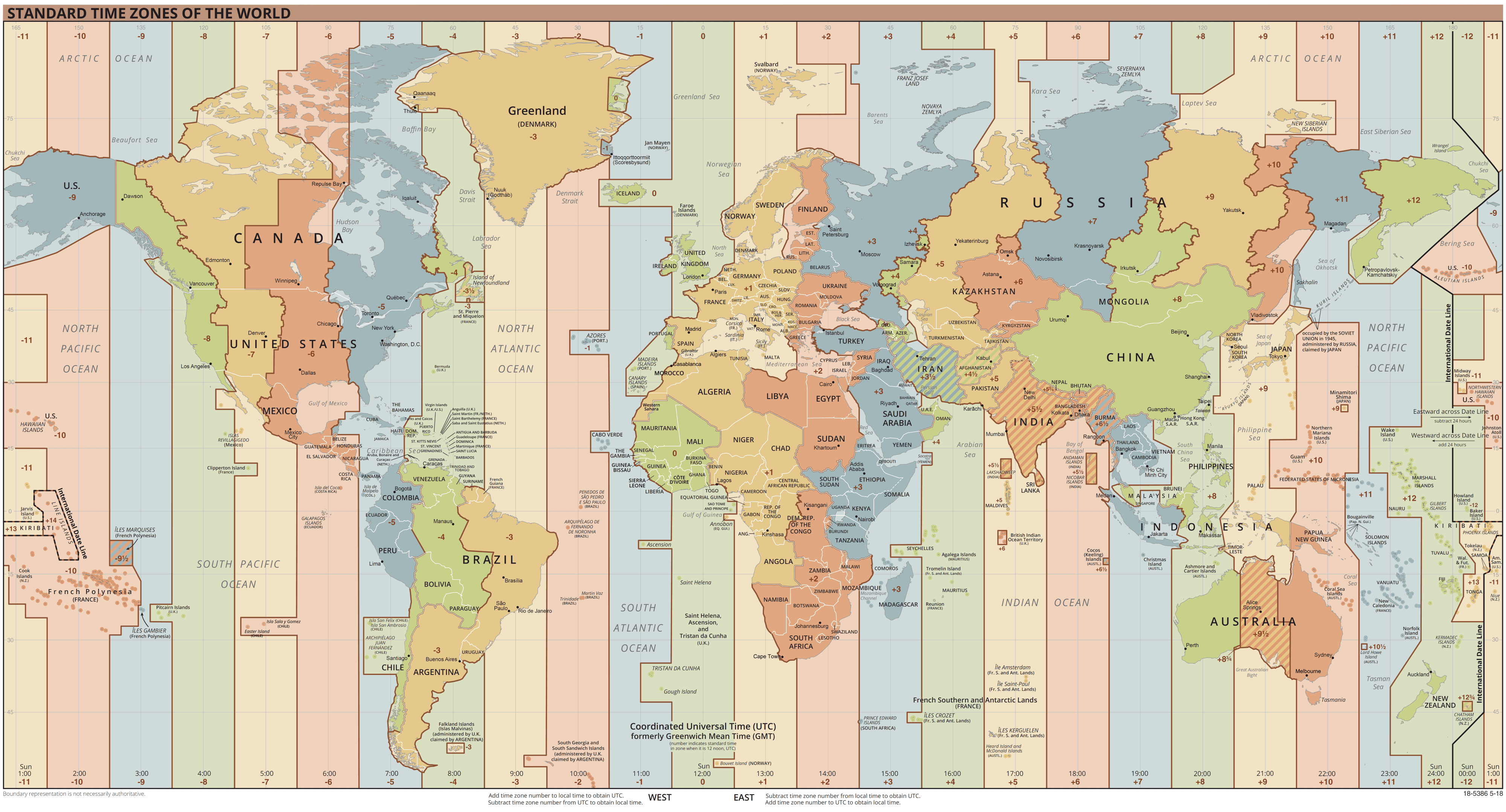
The calculation of the time difference between Japan and California involves understanding their respective positions relative to Coordinated Universal Time (UTC) and accounting for Daylight Saving Time in California. This seemingly simple calculation holds profound implications for your travel experience.
The Core Calculation: JST vs. PST/PDT
Japan observes Japan Standard Time (JST), which is fixed at UTC+9 year-round. Unlike many other nations, Japan does not observe Daylight Saving Time.
California, on the other hand, operates on two different time zones throughout the year:
- Pacific Standard Time (PST): This is observed during the fall and winter months, set at UTC-8.
- Pacific Daylight Time (PDT): This is observed during spring and summer when Daylight Saving Time is in effect, set at UTC-7.
Based on these facts, we can calculate the time difference:
- During PST (Fall/Winter in California): Japan (UTC+9) is 17 hours ahead of California (UTC-8).
- During PDT (Spring/Summer in California): Japan (UTC+9) is 16 hours ahead of California (UTC-7).
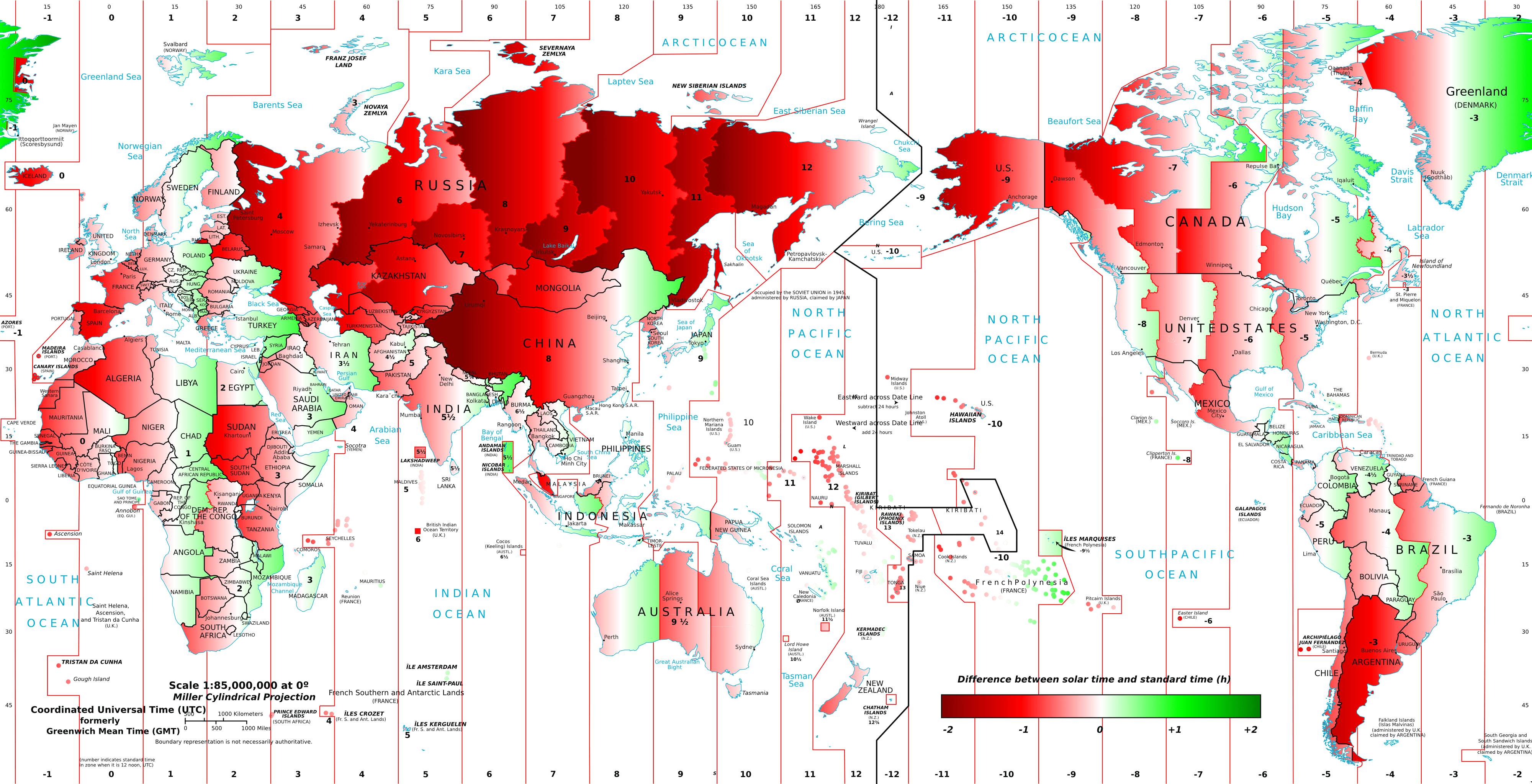
This means that depending on the time of year, Japan is either 16 or 17 hours ahead of California. This difference is substantial, almost a full day, and immediately introduces the concept of the International Date Line, which you cross when traveling westward to Japan.
What “Ahead” Truly Means for Your Clock
To put this into perspective, imagine a Monday morning at 9:00 AM in Los Angeles during PST. In Tokyo, it would already be Tuesday at 2:00 AM (9:00 AM + 17 hours). If it were during PDT, it would be Tuesday at 1:00 AM. This “next day” phenomenon is crucial for planning your arrival, activities, and even acknowledging important dates. When you depart California on a Monday evening, you will arrive in Japan on a Wednesday morning, having effectively “lost” a day due to crossing the International Date Line. This is a unique aspect of trans-Pacific travel that requires careful consideration in itinerary planning.
Navigating Jet Lag: Strategies for a Smooth Transition
The considerable time difference between California and Japan means that jet lag is an almost unavoidable challenge. However, with thoughtful preparation and strategic actions, its impact can be significantly mitigated, allowing you to maximize your precious time exploring Japan.
Before You Depart: Pre-Adjusting Your Schedule
The battle against jet lag begins even before you step onto the plane. A few days prior to your departure, try to gradually shift your sleep schedule closer to Japan’s time. If possible, start going to bed and waking up an hour or two earlier each day. This pre-adjustment helps to gently nudge your body’s internal clock. Staying well-hydrated in the days leading up to your flight and ensuring you get quality sleep can also make a significant difference in your resilience to jet lag. Consider using a time zone converter app to visualize the target time in Tokyo or Kyoto and mentally prepare for the change.
During Your Flight: Maximizing Comfort and Rest
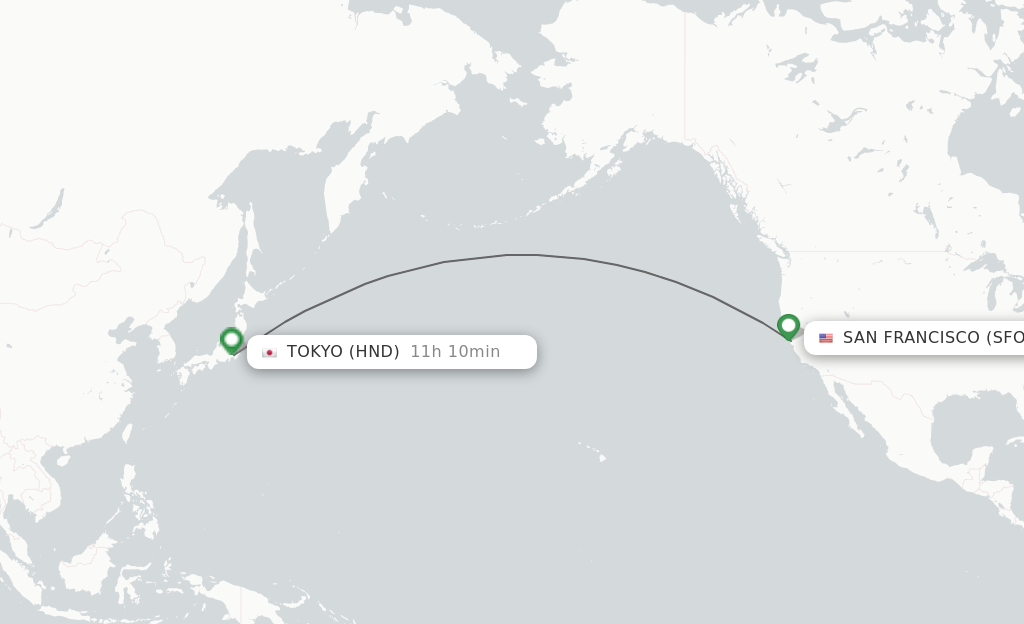
The long-haul flight across the Pacific is a critical period for managing jet lag. Most flights from California to Japan are overnight, arriving in the morning.
- Hydration is Key: Drink plenty of water throughout the flight and avoid excessive alcohol and caffeine, which can disrupt sleep and exacerbate dehydration.
- Adjust Your Watch: As soon as you board, set your watch to Japan Standard Time. Begin thinking and acting as if you are already on JST.
- Strategic Sleep: Try to sleep on the plane during what would be nighttime in Japan. Eye masks, earplugs, and a neck pillow can significantly improve your chances of getting restorative rest.
- Movement: Get up and move around the cabin regularly to promote circulation and prevent stiffness.
Upon arrival at Narita International Airport or Haneda Airport, you’ll be ready to face the day.
Upon Arrival in Japan: Embracing the Local Rhythm
Once you land in Japan, the most effective strategy is to immediately immerse yourself in the local time.
- Seek Sunlight: Exposure to natural light helps reset your circadian rhythm. Try to get outside as much as possible during daylight hours, even if it’s just for a walk around the neighborhood in Shinjuku or near your accommodation in Osaka.
- Eat at Local Meal Times: Align your meal schedule with Japanese mealtimes, even if you’re not hungry. This helps signal to your body when it’s time to be active and when to rest.
- Resist Long Naps: While a short, refreshing nap (20-30 minutes) can be helpful, avoid extended naps during the day, as these can deepen jet lag.
- Stay Active: Engage in light physical activity. Exploring the city, visiting a temple in Kyoto, or simply walking around can help you feel more alert and less groggy.
- Prioritize Sleep at Night: Aim for a full night’s sleep at the local bedtime, even if you don’t feel entirely tired. Melatonin supplements can be considered, but always consult with a healthcare professional first.
Practical Implications for Your Japan Itinerary
The 16 or 17-hour time difference profoundly impacts how you structure your travel in Japan, from daily activities to vital communication. Thoughtful planning can transform potential challenges into seamless experiences.
Scheduling Activities and Tours
Your first few days in Japan will likely be characterized by periods of fatigue. When planning your itinerary:
- Ease In: Don’t overschedule your arrival day. Allow time for check-in, a brief exploration, and an early dinner. A relaxing bath at your hotel or a traditional onsen experience might be ideal.
- Morning Starts: Embrace early mornings. While it might feel like the middle of the night to your California body, capitalizing on these early hours in Japan can be incredibly rewarding, allowing you to visit popular attractions like the Fushimi Inari Shrine in Kyoto or the Meiji Jingu Shrine in Tokyo before the crowds.
- Afternoon Rests: Plan for quieter activities or even a short rest period in the early afternoon when jet lag often hits hardest. Consider a peaceful visit to a Japanese garden or a traditional tea ceremony.
- Travel Between Cities: If your itinerary includes travel via bullet train (Shinkansen) between cities like Tokyo and Kyoto, schedule these during times when you’re likely to be awake and alert, rather than when you’re battling extreme fatigue. Visiting landmarks such as Mount Fuji or the Osaka Castle can be tiring, so budget your energy wisely.
Communication with Home and Work
Maintaining contact with family, friends, or colleagues back in California requires careful consideration of the time difference.
- Find Overlap Windows: The best times for live communication (calls, video chats) will be when both parties are awake. For example, if it’s 8:00 PM in Tokyo (Tuesday), it would be 3:00 AM (Tuesday) during PDT or 2:00 AM (Tuesday) during PST in [California](https://lifeoutofthebox.com/california]. This means your best window for calling California will often be late at night in Japan or early morning in Japan when California is in its late afternoon/early evening.
- Asynchronous Communication: For non-urgent messages, utilize texting, email, or messaging apps. These allow for communication without requiring immediate, synchronous responses.
- Time Zone Converters: Keep a reliable world clock or time zone converter handy on your smartphone to quickly check times.
Business Travel Considerations
For those traveling to Japan for business, the time difference adds another layer of complexity.
- Meeting Schedules: Be acutely aware of the time difference when scheduling virtual meetings with colleagues in California. This often means early mornings or late evenings in [Japan](https://lifeoutofthebox.com/japan] for calls.
- Adapt to Local Business Hours: While in Japan, fully immerse yourself in the local business rhythm. Attend meetings, network, and schedule your work activities according to Japanese business hours in districts like Marunouchi or Otemachi, even if it conflicts with your internal clock.
- Pre-Communication: Inform your California-based team of your schedule and availability in Japan to manage expectations effectively.
Maximizing Your Japan Experience from California
Traveling from California to Japan is a journey of significant distance and time, but with forethought, you can ensure a fulfilling and memorable experience.
Planning Ahead: Booking Flights and Accommodation
When booking your flights, consider an arrival time in Japan that allows for optimal jet lag adjustment. Many flights from the US West Coast arrive in Tokyo in the late afternoon or early evening. While this might seem convenient, an earlier morning arrival can sometimes be better as it allows you a full day of sunlight exposure to help reset your internal clock. If an evening arrival is unavoidable, plan for a relaxed dinner and an early night, perhaps at a well-appointed hotel like the Park Hyatt Tokyo or the Hilton Tokyo, rather than diving straight into intense activities. Researching hotels that offer good blackout curtains or quiet rooms can also contribute to better sleep during your initial nights.
Embracing the Cultural Shift: Beyond Time Zones
Ultimately, understanding the time difference is just one aspect of preparing for a profound cultural immersion. While battling jet lag might seem daunting, it’s also a rite of passage for experiencing the incredible distance between two distinct worlds. Embrace the novelty, the challenges, and the unique rhythms of Japan. From navigating the bustling streets of Shibuya to finding serenity in a traditional garden, every moment is part of a larger adventure. Acknowledge that you’re shifting not just time zones, but also into a different way of life, and allow yourself the grace and flexibility to adapt and enjoy every aspect of this remarkable journey.
The journey from California to Japan is a testament to the wonders of global travel. By meticulously understanding the 16 or 17-hour time difference and implementing effective strategies for jet lag and itinerary planning, you can transform a potentially exhausting transition into a smooth and enriching experience. Preparation is key, allowing you to fully immerse yourself in the beauty, culture, and innovation that Japan so generously offers. Safe travels!
LifeOutOfTheBox is a participant in the Amazon Services LLC Associates Program, an affiliate advertising program designed to provide a means for sites to earn advertising fees by advertising and linking to Amazon.com. Amazon, the Amazon logo, AmazonSupply, and the AmazonSupply logo are trademarks of Amazon.com, Inc. or its affiliates. As an Amazon Associate we earn affiliate commissions from qualifying purchases.