
Embarking on a new chapter, perhaps pursuing a unique “life out of the box” in the Golden State, often brings with it the excitement of new experiences, opportunities, and the vibrant culture of California. While the allure of its beaches, mountains, and innovative spirit is undeniable, a practical understanding of local safeguards is an essential part of a well-rounded lifestyle plan. For anyone considering working in California – whether taking on seasonal gigs, launching a new venture, or simply relocating for a fresh start – understanding the intricacies of workers’ compensation is not just a legal formality but a cornerstone of financial stability and personal well-being. It’s a vital safety net, protecting employees should an injury or illness occur in the course of their work.
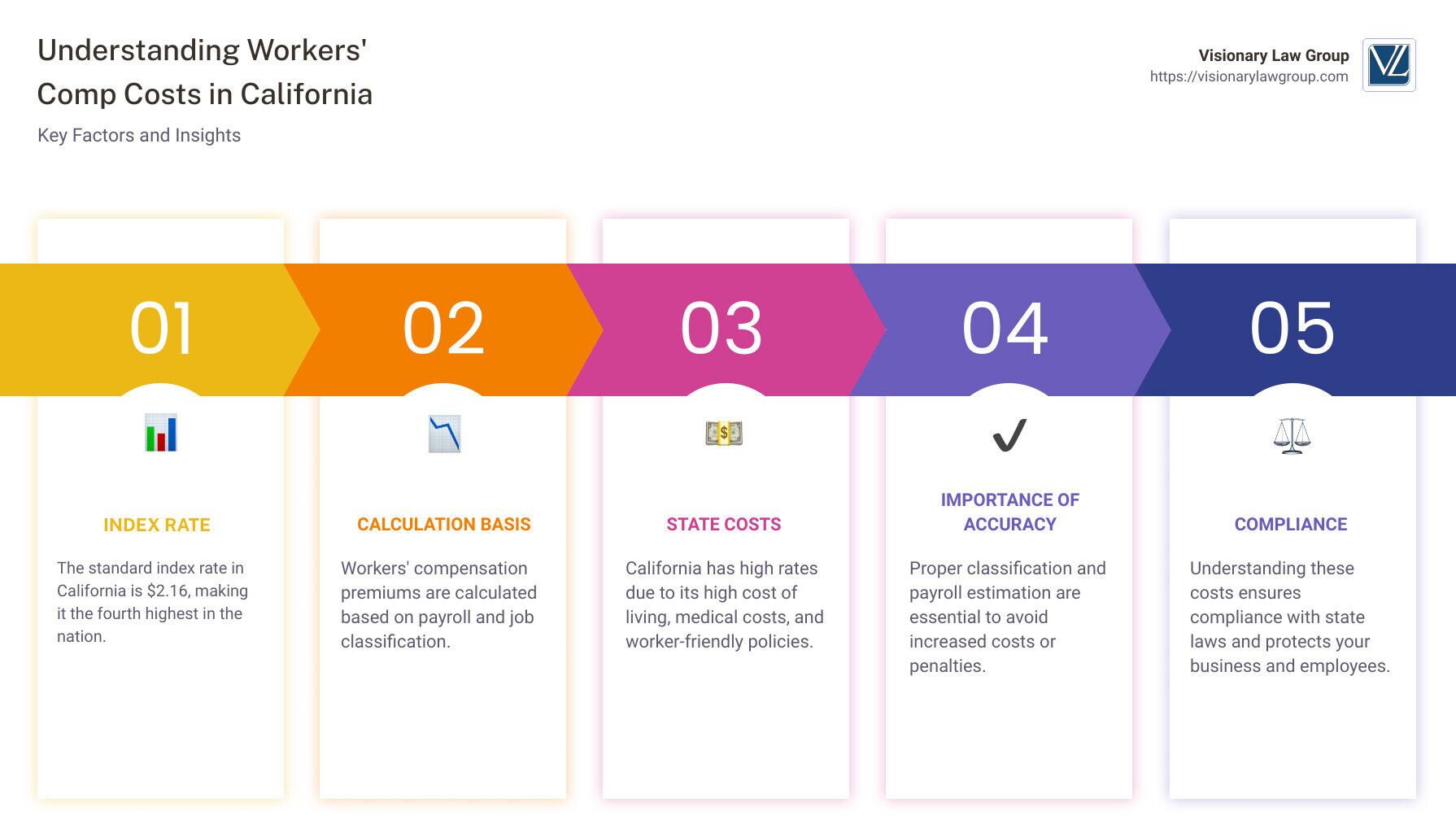
This article delves into the crucial question: “How much is workers’ compensation in California?” It’s important to clarify from the outset that this question isn’t about the cost to the worker (as employers pay premiums), but rather about the value of the benefits an injured worker can receive. This comprehensive guide aims to demystify the system, providing professional, insightful, and engaging information for those who want to live their California dream with confidence and security.
Understanding the California Workers’ Compensation System
California’s workers’ compensation system is designed to provide benefits to employees who suffer job-related injuries or illnesses, regardless of fault. In return for these benefits, the employee typically gives up the right to sue their employer for negligence. This no-fault system is mandatory for virtually all employers in California, ensuring that a broad spectrum of the workforce is covered. For individuals building a new lifestyle, understanding this system is key to protecting their physical and financial health. It’s not just about what happens if you get hurt; it’s about knowing your rights and the support structures available, allowing you to focus on your personal and professional growth without undue anxiety.
The Foundation of Employer Responsibility
Every employer in California is legally required to carry workers’ compensation insurance or be legally self-insured. This responsibility ensures that funds are available to cover medical treatment, lost wages, and other benefits for injured employees. For a lifestyle that might involve various employment situations, such as contract work, seasonal employment, or even starting your own small business with employees, being aware of this fundamental requirement is paramount. It’s a protection not just for you as an employee, but also an important consideration if you become an employer yourself.
Who Is Covered?
Generally, most employees in California are covered by workers’ compensation. This includes full-time, part-time, and even temporary workers. There are some exceptions, such as certain independent contractors (though the definition of an independent contractor has become stricter in California, federal employees, and some domestic workers. For those embracing a dynamic lifestyle that might involve various types of work, understanding whether you fall under “employee” status is critical. It determines whether you have this safety net in place.
Types of Benefits for Injured Workers
When we ask “How much is workers’ compensation in California?”, we are primarily asking about the scope and value of the benefits available to an injured worker. These benefits are comprehensive, designed to cover various aspects of recovery and financial loss. Each benefit category has specific rules and calculations, making the overall “amount” variable depending on the individual’s injury, wages, and recovery path.
1. Medical Treatment
One of the most crucial benefits is coverage for all necessary medical treatment related to the work injury or illness. This includes doctor visits, hospital stays, surgeries, physical therapy, medications, and medical equipment. The goal is to help the injured worker recover and return to their pre-injury condition, or as close to it as possible. This benefit is directly paid by the employer’s insurance carrier, ensuring that the worker does not incur out-of-pocket expenses for approved treatment. For someone focused on a healthy and active lifestyle in California, knowing that medical care is covered in case of a work-related incident provides immense peace of mind.
2. Temporary Disability Benefits
If a work injury prevents an employee from working, or causes them to earn less than their usual wages while recovering, they may be eligible for temporary disability (TD) benefits. These benefits are paid every two weeks and are designed to replace a portion of lost earnings.
How Temporary Disability Is Calculated
In California, temporary disability payments are generally two-thirds of the worker’s average weekly wage, subject to minimum and maximum weekly rates set by state law. These rates are adjusted annually. For example, in 2024, the maximum weekly TD benefit is $1,698.38, while the minimum is $254.75. The specific amount depends on the worker’s earnings in the period leading up to the injury. Understanding these caps and floors is important for financial planning, especially for those whose income might fluctuate with seasonal or project-based work. These benefits continue until the worker returns to work, the treating doctor says they are able to return, or the worker reaches “maximum medical improvement” (MMI).
3. Permanent Disability Benefits
If a work injury results in a permanent impairment or limitation, even after maximum medical improvement (MMI), the worker may receive permanent disability (PD) benefits. These benefits are intended to compensate for the lasting effects of the injury on the worker’s ability to compete in the open labor market.
Determining Permanent Disability
The amount of PD benefits is determined by a complex formula that considers several factors:
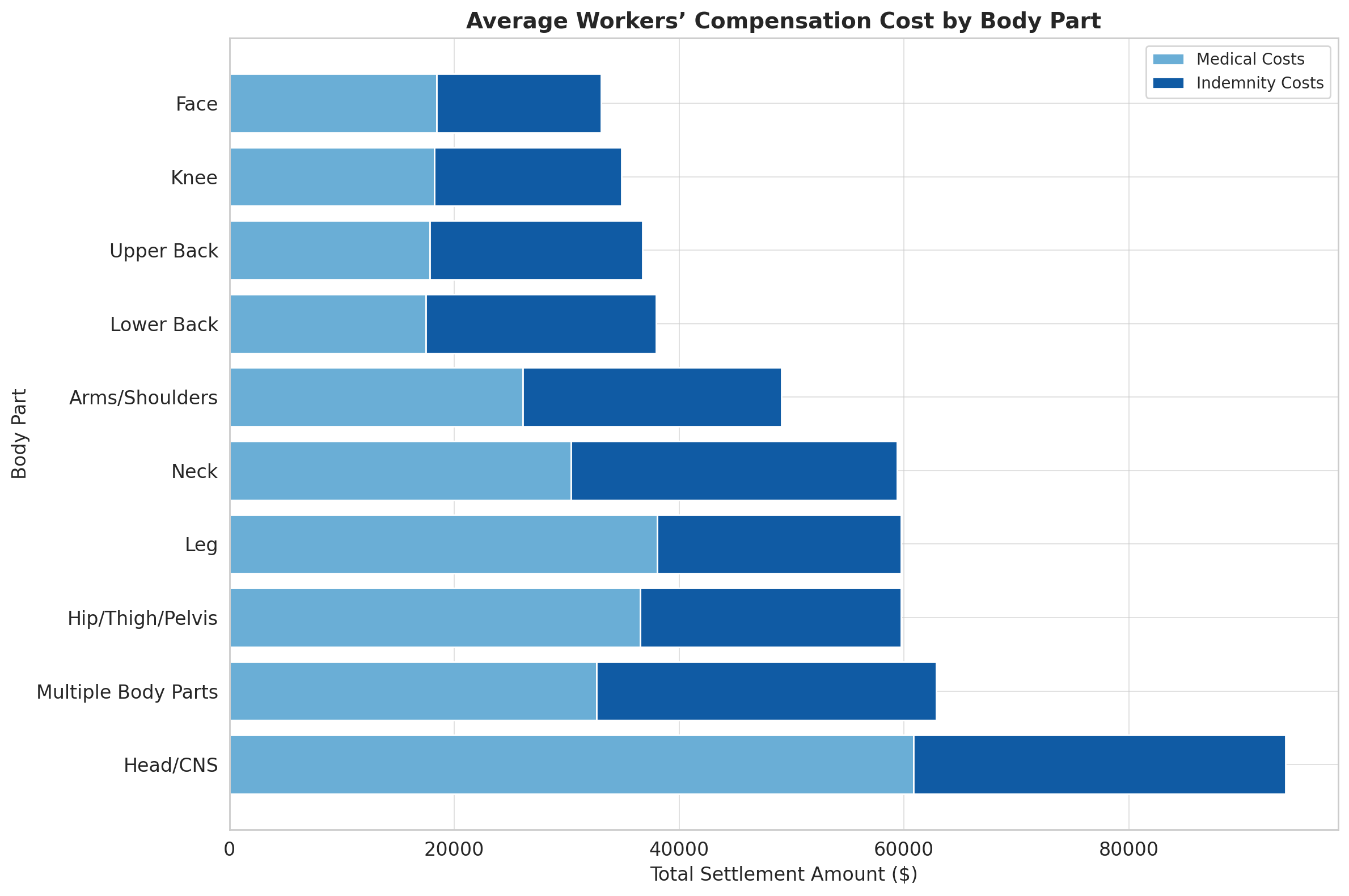
- The injured body part: Different body parts have different “values” in the rating schedule.
- The nature and extent of the impairment: Based on medical reports, often using the American Medical Association’s Guides to the Evaluation of Permanent Impairment.
- Age of the injured worker: Younger workers generally receive higher PD ratings because they have more years of potential work life ahead.
- Occupation: Certain occupations are more physically demanding, so an injury might have a greater impact on a worker in that field.
- Future earning capacity: How the impairment affects the worker’s ability to earn a living.
Once these factors are assessed, a permanent disability rating (expressed as a percentage) is assigned. This percentage is then translated into a specific dollar amount based on a statutory schedule. Payments are typically made over a period of weeks, though a lump-sum payment (compromise and release) is also possible in some cases. For individuals whose lifestyle relies on physical capability or specific skills, understanding potential permanent disability is a critical aspect of long-term financial security.
4. Supplemental Job Displacement Benefit (SJDB)
If a work injury results in permanent disability and the employee does not return to work for their previous employer, they may be eligible for a Supplemental Job Displacement Benefit (SJDB). This is a non-transferable voucher that can be used to pay for job retraining or skill enhancement, vocational rehabilitation, job placement assistance, or tools required for a new job. The voucher amount varies based on the permanent disability rating, with a current maximum of $6,000. This benefit can be invaluable for individuals who need to pivot their career path due to an injury, allowing them to adapt their lifestyle and find new ways to thrive.
5. Death Benefits
In the tragic event that a work injury or illness results in the death of an employee, death benefits are paid to their dependents. These benefits cover burial expenses (up to a statutory maximum, currently $10,000) and provide financial support to surviving dependents. The total amount of death benefits varies based on the number of total and partial dependents, with specific statutory limits. While a somber topic, awareness of this benefit is part of comprehensive life planning, especially for those supporting families while pursuing their California lifestyle.
The Claims Process and Legal Considerations
Navigating the workers’ compensation system can be complex, especially for someone new to California’s specific legal landscape. Knowing the steps and potential pitfalls is crucial for ensuring you receive the benefits you are entitled to. This proactive understanding is an empowering aspect of managing your lifestyle choices.
Reporting the Injury
The first and most critical step is to report the work injury or illness to your employer immediately, or within 30 days of the incident or knowledge of the injury. Failure to report promptly can jeopardize your claim. Your employer must then provide you with a claim form (DWC-1 form) within one working day. Fill out your portion and return it to your employer.
Medical Treatment and Investigations
Once the claim form is submitted, the employer’s insurance company has 90 days to accept or deny the claim. During this period, the insurance company will typically authorize medical treatment up to $10,000 while they investigate the claim. It’s essential to follow all medical advice and attend all appointments. The insurance company may also arrange for an independent medical examination (IME) or qualified medical evaluation (QME) to assess your condition.
Resolving Disputes
Disputes can arise at various stages of a workers’ compensation claim, concerning issues such as eligibility for benefits, the extent of the injury, or the amount of benefits. If disputes cannot be resolved informally, they may need to be addressed through the Workers’ Compensation Appeals Board (WCAB). This might involve filing specific forms, attending hearings, or engaging in mediation. Given the complexity, many injured workers choose to hire a workers’ compensation attorney to represent their interests. An attorney can help navigate the legal intricacies, ensure proper documentation, and advocate for the maximum benefits possible, allowing you to focus on recovery and maintaining your chosen lifestyle.
Planning Your Lifestyle with Confidence in California
Understanding “how much is workers’ compensation in California” is more than just knowing a dollar figure; it’s about appreciating the comprehensive safety net designed to protect individuals in the workforce. For those crafting a unique lifestyle, whether it involves adventure, new career paths, or simply embracing the California dream, this knowledge is empowering. It enables informed decision-making, promotes peace of mind, and contributes to a resilient and secure personal foundation. While no one plans for an injury, being prepared by understanding your rights and available support systems is an integral part of living a confident, responsible, and truly fulfilling “life out of the box” in the Golden State.
LifeOutOfTheBox is a participant in the Amazon Services LLC Associates Program, an affiliate advertising program designed to provide a means for sites to earn advertising fees by advertising and linking to Amazon.com. Amazon, the Amazon logo, AmazonSupply, and the AmazonSupply logo are trademarks of Amazon.com, Inc. or its affiliates. As an Amazon Associate we earn affiliate commissions from qualifying purchases.