
Embarking on a motorcycle adventure across California is a dream for many, offering unparalleled freedom and breathtaking scenic routes. Before you can cruise the iconic Pacific Coast Highway or carve through the Sierra Nevada mountains, obtaining a valid motorcycle license in the Golden State is a crucial first step. This comprehensive guide will navigate you through the process, ensuring your journey from aspiring rider to licensed motorcyclist is as smooth as California’s open roads.
Embarking on Your California Motorcycle Journey: Why Get Licensed Here?
California is not just a state; it’s a diverse tapestry of landscapes that beckons motorcyclists from around the globe. From the sun-drenched beaches of Los Angeles to the foggy vistas of San Francisco, the arid beauty of Death Valley, and the lush vineyards of Napa Valley, the variety of terrain offers endless exploration opportunities. Getting your motorcycle license in California is more than just a legal requirement; it’s your ticket to an unforgettable travel experience, allowing you to immerse yourself in the state’s natural beauty and vibrant culture on two wheels.

The Allure of California’s Open Roads
Imagine the wind in your face as you navigate the sweeping turns of Highway 1 along the Big Sur coastline, the scent of pine in the air as you ascend towards Yosemite National Park, or the thrill of conquering desert highways. California’s diverse climate means year-round riding is possible in many regions, making it an ideal destination for motorcycle enthusiasts. Obtaining a California license means you’re not just getting a piece of plastic; you’re gaining access to a world-class motorcycling destination, ready for endless adventures. It’s about the freedom to choose your own path, discover hidden gems, and experience the journey rather than just the destination.
Beyond the Scenic Routes: Practicalities for Travelers and Residents
While the romantic notion of endless highways is compelling, there are practical reasons for securing your California motorcycle license. For those considering an extended stay, moving to the state, or even frequent visits where motorcycle rental is desired, a local license simplifies many processes. It ensures you’re fully compliant with state laws, eases insurance procedures, and can often be a prerequisite for renting a motorcycle from local establishments. Furthermore, understanding California’s specific traffic laws, including unique practices like lane splitting, is best achieved through the licensing process and local rider education, enhancing both your safety and enjoyment as you travel.
Laying the Foundation: Eligibility and Initial Steps
The path to a California motorcycle license begins with understanding the basic eligibility requirements set forth by the California Department of Motor Vehicles (DMV). These foundational steps ensure that all applicants meet the necessary criteria before they can hit the road.
Meeting the Basic Requirements
To apply for a motorcycle license in California, you generally need to:
- Be at least 16 years old: If you are under 18, specific provisional license requirements apply, including holding a permit for at least six months and completing a certified rider training course.
- Possess a valid California driver’s license: For most applicants, having a Class C (car) license is a prerequisite.
- Provide proof of identity and residency: The DMV requires documents to verify your identity and that you are a resident of California.
- Social Security Number: Your SSN or an acceptable alternative document is usually required.
Choosing Your Path: M1 vs. M2 Endorsement
California offers two types of motorcycle endorsements:
- Class M1: This is the standard motorcycle license, allowing you to operate any two-wheel motorcycle, motor-driven cycle, or motorized scooter. This is the endorsement most aspiring riders seek for unrestricted travel throughout the state.
- Class M2: This endorsement is limited to motorized bicycles or mopeds. While suitable for short-distance urban travel, it won’t allow you to legally operate a full-sized motorcycle for long-distance touring.
For the purpose of truly exploring California by motorcycle, the M1 endorsement is your target.
The Provisional Permit: Your First Step
Before you can earn your full license, you must first obtain a motorcycle learner’s permit (also known as a provisional permit if you’re under 18). This involves:
- Application (DL 44 Form): Complete the driver’s license application form, available at any DMV office or online.
- Fees: Pay the required application fee.
- Vision Test: Pass a vision test to ensure your eyesight meets the minimum standards for safe driving.
- Knowledge Test: Pass a written exam based on the California Motorcycle Handbook. This test assesses your understanding of traffic laws, safe riding practices, and motorcycle-specific regulations.
Once you pass these, you’ll be issued a provisional permit, which comes with certain restrictions, designed to help you gain experience safely before obtaining your full license.
Navigating the California DMV Process: From Application to Permit
The California DMV can be a busy place, but with proper preparation and understanding of their procedures, you can streamline your application process significantly.
Scheduling Your DMV Appointment
While walk-ins are sometimes accepted, scheduling an appointment in advance is highly recommended to minimize wait times. You can schedule most DMV services online through the official California DMV website. Select the “Motorcycle Permit Test” or “Driver License Application” option and choose a convenient date and time at your nearest DMV office.
Required Documentation
When you visit the DMV, ensure you have all necessary documents to avoid delays. These typically include:
- Your current valid California driver’s license.
- Proof of identity (e.g., U.S. birth certificate, passport, permanent resident card).
- Proof of residency (e.g., utility bills, rental agreement, bank statements – two different documents).
- Proof of Social Security Number (e.g., SSN card, W-2 form).
- The completed DL 44 application form (if not submitted online).
- Any required forms for minors (if applicable).
It’s always best to check the official DMV website for the most current and complete list of acceptable documents.
The Written Test: What to Expect
The written knowledge test is a critical hurdle. It comprises questions directly from the California Motorcycle Handbook, which is available online and at DMV offices. The test covers various topics, including:
- Traffic laws and signs.
- Motorcycle handling and safety.
- Specific rules for motorcyclists (e.g., lane positioning, visibility).
- Hazard perception and risk management.
To pass, you must answer a certain percentage of questions correctly (typically around 80%). Study the handbook thoroughly, pay attention to the motorcycle-specific sections, and consider taking practice tests available online.
Obtaining Your Motorcycle Learner’s Permit
Upon successfully passing the written test and vision screening, and submitting all required documentation and fees, you will be issued a motorcycle learner’s permit. This permit allows you to practice riding under specific restrictions:
- You must not carry passengers.
- You must not ride on freeways or expressways.
- You must not ride during darkness.
- You must not ride within six months of having received the permit if you are under 18 years of age.
These restrictions are designed to ensure you gain experience in controlled environments, making your transition to a full license safer for both you and other travelers on California’s roads.
Mastering the Road: Preparing for Your Driving Tests
With your learner’s permit in hand, the next phase is to prepare for the practical riding test. California offers two primary pathways to fulfill this requirement, catering to different age groups and preferences for learning.
The Motorcycle Safety Program (CMSP) Requirement
For applicants under 21 years of age, completing a Motorcycle Safety Program (CMSP) course is mandatory. However, the CMSP is highly recommended for all riders, regardless of age, for several compelling reasons:
- Waiver of Riding Test: Successfully completing a CMSP course waives the need for the practical riding test at the DMV, simplifying your path to licensing.
- Comprehensive Training: These courses, often based on the Motorcycle Safety Foundation (MSF) curriculum, provide invaluable classroom instruction and hands-on riding experience. You’ll learn essential skills like clutch control, braking techniques, hazard avoidance, and street strategies in a safe, controlled environment.
- Insurance Discounts: Many insurance companies offer discounts to riders who have completed an approved safety course, saving you money as you explore California.
CMSP courses are offered by various providers throughout California. Enrolling in one not only fulfills a licensing requirement but also significantly enhances your skills and confidence for safe travel.
The DMV Riding Test (If CMSP Waived or Not Taken)
If you are 21 or older and choose not to take a CMSP course (or if you took one but still need to take the DMV test for other reasons), you will need to pass a practical riding test at the DMV. This test typically involves:
- Pre-trip Inspection: Demonstrating your knowledge of your motorcycle’s controls and safety checks.
- Basic Maneuvers: This includes riding in a straight line, weaving through cones, making sharp turns, and performing quick stops. These maneuvers assess your balance, control, and ability to handle the motorcycle at low speeds.
- Road Test (sometimes): In some cases, a short road test might be administered to evaluate your ability to apply road rules in real-world traffic.
For the DMV riding test, you must provide a legally registered and insured motorcycle in good working condition. Practice extensively in a safe, open area, familiarizing yourself with the maneuvers you’ll be tested on.
Final Steps at the DMV
Once you’ve successfully completed the riding test (or provided your CMSP completion certificate), the final steps at the DMV are relatively quick:
- Photo and Signature: You’ll have your photograph taken and provide your digital signature for the license.
- Temporary License: You’ll typically receive a temporary license valid for a short period. Your permanent motorcycle license will be mailed to you within a few weeks.
Congratulations! You’ve officially earned your California motorcycle license, opening up a world of travel possibilities.
Hit the California Roads: What’s Next After Licensing?
With your M1 endorsement proudly in hand, the true adventure begins. California’s diverse landscapes and iconic routes await, offering an unparalleled experience for every rider.
Equipping for Your California Adventures
Before you set out, ensure you’re properly equipped for safe and enjoyable travel.
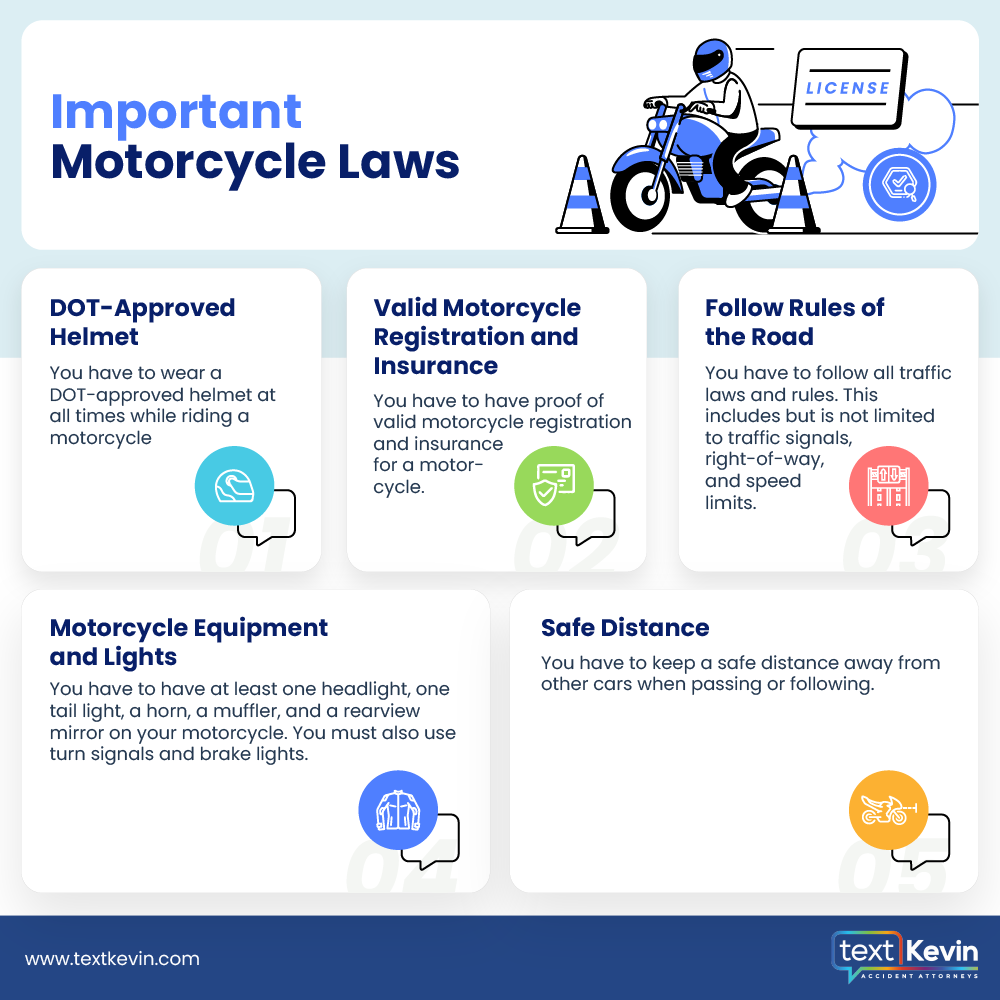
- Helmet Laws: California has a mandatory helmet law for all riders and passengers, regardless of age. Always wear a U.S. Department of Transportation (DOT) compliant helmet.
- Protective Gear: Invest in quality riding gear, including a jacket, gloves, pants, and sturdy footwear. This gear provides protection against the elements and in case of an accident, making your travels safer and more comfortable.
- Appropriate Motorcycle: Choose a motorcycle that suits your skill level and the type of travel you envision. For long-distance touring, a comfortable cruiser or touring bike might be ideal, while sportier bikes excel on winding mountain roads.
Exploring Iconic California Routes
[California](https://lifeoutofthebox.com/california] offers an abundance of world-renowned motorcycle routes:- Pacific Coast Highway (Highway 1): The quintessential California ride, offering stunning ocean vistas, particularly through Big Sur.
- Sierra Nevada Passes: Explore routes through national forests, featuring dramatic elevation changes, twisty roads, and breathtaking views around areas like Yosemite National Park.
- Desert Rides: Experience the unique beauty of the desert landscape with routes towards Death Valley or Joshua Tree National Park, especially enjoyable in cooler months.
- Wine Country Roads: Gently cruise through the scenic backroads of Napa Valley or Sonoma, combining your ride with gastronomic delights.
Each route offers a different flavor of California, promising memorable travel experiences.
Safety and Responsibility on the Golden State’s Roads
As a newly licensed rider, continuous learning and responsible riding are paramount.
- Defensive Riding: Always anticipate potential hazards, maintain safe following distances, and be visible to other drivers.
- Lane Splitting: California is unique in legally allowing lane splitting (riding between lanes of stopped or slowly moving traffic). Understand the rules and practice this maneuver cautiously and responsibly, only when conditions allow.
- Respect the Environment: When traveling through California’s beautiful natural areas, practice Leave No Trace principles to preserve the environment for future generations of riders.
Getting your motorcycle license in California is an investment in adventure. It’s the key to unlocking a unique way to travel, explore, and connect with one of the most magnificent states in the U.S. Ride safe, and enjoy the journey!
LifeOutOfTheBox is a participant in the Amazon Services LLC Associates Program, an affiliate advertising program designed to provide a means for sites to earn advertising fees by advertising and linking to Amazon.com. Amazon, the Amazon logo, AmazonSupply, and the AmazonSupply logo are trademarks of Amazon.com, Inc. or its affiliates. As an Amazon Associate we earn affiliate commissions from qualifying purchases.