
Understanding the timing and characteristics of wildfire season in California is paramount for any traveler planning a visit to the Golden State. While the question “When did the wildfire start?” often implies a specific, isolated incident, the reality is far more complex, encompassing a prolonged season of heightened risk and a myriad of factors that can ignite devastating blazes. For those dreaming of exploring California’s diverse landscapes, from its sun-drenched beaches to its majestic national parks, grasping this dynamic is not just about curiosity; it’s about informed decision-making, safety, and ensuring an unforgettable, unimpeded travel experience. This guide delves into the nuances of California’s fire season, offering insights crucial for travelers to plan their itineraries wisely.
Understanding California’s Wildfire Season: A Traveler’s Guide
California’s wildfire landscape is shaped by a unique confluence of geography, climate, and human activity. For travelers, acknowledging that “wildfire season” isn’t a fixed calendar event but a fluctuating period of elevated risk is the first step toward responsible planning. The exact “start” of a wildfire can vary dramatically, from lightning strikes in remote wilderness to human-caused ignitions near populated areas. However, the conditions conducive to widespread fires typically emerge and intensify during specific times of the year, directly impacting travel considerations.
The Seasonal Rhythms of Risk
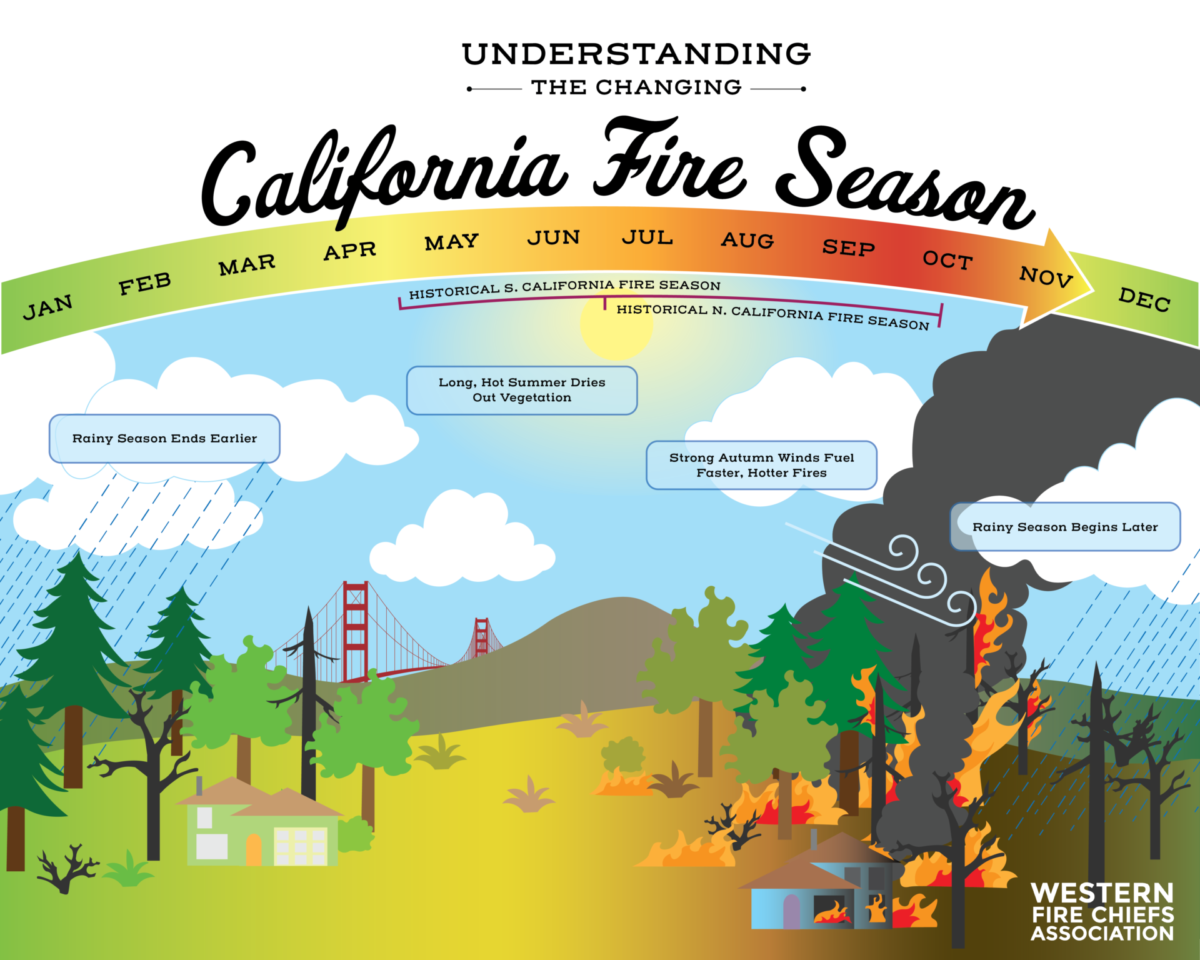
Historically, California’s primary wildfire season ran from late spring through late autumn, generally May to October. This period is characterized by warm temperatures, dry vegetation, and strong winds. However, climate change has significantly altered this pattern, expanding the window of vulnerability. We now observe what many refer to as a “year-round fire season,” with significant blazes occurring even in winter months, particularly during prolonged drought conditions. The traditional peak, however, still tends to be from late summer to fall (August to November), when vegetation is at its driest after months without significant rainfall, and the infamous Santa Ana winds in Southern California or Diablo winds in Northern California can rapidly spread flames.
Key Factors Influencing Wildfire Onset
Several critical factors determine when and where wildfires ignite and how intensely they burn. Travelers should be aware of these as they can indicate periods of higher risk:
- Drought Conditions: Years of below-average rainfall lead to parched vegetation, which acts as abundant fuel. A severe drought can predispose the state to earlier and more intense fire activity.
- Temperature Extremes: Record-breaking heatwaves not only dry out landscapes but also increase the likelihood of heat-related ignitions (e.g., from power lines, vehicle malfunctions) and make firefighting more challenging.
- Wind Events: Powerful dry winds are perhaps the most dangerous factor, rapidly fanning flames, carrying embers over long distances, and making containment incredibly difficult. These wind events often define the most destructive periods of the fire season.
- Fuel Load: The accumulation of dead trees, fallen leaves, and dense undergrowth provides ample fuel for fires. Forest management practices, or lack thereof, play a significant role here.
- Human Activity: A vast majority of wildfires are human-caused, whether accidentally (e.g., discarded cigarettes, campfires, equipment sparks) or intentionally. Understanding this means exercising extreme caution when visiting natural areas, especially during dry periods.
Historical Patterns and Emerging Trends
Analyzing past wildfire events provides crucial context for future travel planning. While 2020 and 2021 saw record-breaking fire activity, recent years have presented a mixed picture, influenced by wetter winters providing some relief. However, the overall trend points to larger, more frequent, and more intense fires. Travelers should consult current drought monitors and fire weather outlooks from official sources like Cal Fire and the National Weather Service, especially if planning wilderness activities.
Impact on Travel Planning: Navigating the Fire Landscape
The specter of wildfires understandably casts a shadow over travel plans to California. However, with careful planning and an understanding of the risks, visitors can still enjoy the state’s wonders. The key lies in flexibility, staying informed, and prioritizing safety above all else.
When to Visit: Optimizing Your California Trip
For travelers looking to minimize wildfire-related risks, the shoulder seasons—late spring (April-May) and early autumn (September-October, with caution)—can offer a sweet spot. Spring typically brings vibrant wildflowers and moderate temperatures before the peak heat and dryness set in. Early autumn, while still potentially susceptible to fire, often features pleasant weather, fewer crowds, and the tail end of the harvest season in regions like Wine Country. Winter, particularly after significant rainfall, can be beautiful and less risky, offering opportunities for skiing in the Sierra Nevada or exploring coastal areas. Summer (June-August), while popular, coincides with higher fire risk, especially in inland and mountainous regions.
Road Closures and Accessibility Concerns
Wildfires can lead to immediate and widespread road closures, particularly state highways and routes through national forests or parks. This can disrupt travel itineraries significantly, forcing long detours or even rendering destinations inaccessible. Travelers should monitor Caltrans (California Department of Transportation) and local sheriff’s department websites for real-time road conditions. Before embarking on scenic drives or journeys through remote areas, check for advisories. Yosemite National Park, for example, has seen numerous fire-related closures or access restrictions in recent years, impacting popular routes and visitor experiences.
Protecting Your Itinerary: Flexibility and Insurance
Building flexibility into your travel plans is paramount. Consider booking accommodations and activities with generous cancellation policies. Travel insurance that specifically covers natural disasters or mandatory evacuations can offer peace of mind and financial protection against unexpected disruptions. Read policies carefully to understand their coverage limits and exclusions. Having backup plans for alternative destinations or activities can also mitigate disappointment if your primary plans are affected by fire activity.
Destinations Affected: A Regional Breakdown for Travelers
While wildfires can occur anywhere in California, certain regions are historically more prone or have experienced more significant impacts, which is crucial for travelers to note when planning their destinations.

Northern California’s Forested Regions
Regions like the Shasta Cascade and portions of the Wine Country have faced severe fire seasons. The vast national forests and wilderness areas here, coupled with high fuel loads, make them particularly vulnerable. Travelers seeking redwood forests, volcanic landscapes, or serene lake experiences in this area should be especially vigilant during the late summer and fall. While many areas recover, the ecological impact can be long-lasting, affecting hiking trails, scenic vistas, and air quality.
Central California’s Mountainous Areas
The iconic Sierra Nevada mountain range, home to national treasures like Yosemite, Sequoia National Park, and Kings Canyon National Park, is a perennial focus during wildfire season. These parks, renowned for their giant sequoias and granite cliffs, have seen significant fire activity, often leading to park closures, hazy skies, and impacts on visitor services. Backcountry travelers need to be acutely aware of fire restrictions (e.g., campfire bans) and potential evacuation orders. Access roads into these mountainous areas are often the first to close.
Southern California’s Coastal and Inland Zones
Southern California, particularly Los Angeles County, Ventura County, and San Diego County, experiences unique fire dynamics driven by the Santa Ana winds. These fires can spread rapidly through chaparral and brush, threatening urban-wildland interfaces. While major coastal cities themselves are less likely to burn, smoke plumes and evacuations can affect air quality and access to nearby attractions, including beaches and canyon hiking trails. Travelers in these areas should monitor local news and emergency alerts, especially during wind events from October to December.
Staying Safe and Informed While Traveling in California
Proactive measures and access to accurate, real-time information are critical for safe travel during California’s wildfire season. Being prepared can make all the difference in navigating potential disruptions.
Essential Resources for Real-Time Updates
Travelers should bookmark and regularly check official sources:
- Cal Fire (California Department of Forestry and Fire Protection): Provides updates on active fires, incident maps, and fire prevention information.
- National Interagency Fire Center (NIFC): Offers a broader national overview of fire activity, including large incidents in California.
- Local County Emergency Services: Websites and social media accounts for the specific counties you plan to visit (e.g., Orange County Emergency Services) often have the most immediate and localized information on evacuations and alerts.
- Caltrans QuickMap: Essential for real-time road conditions, closures, and traffic impacts.
- National Weather Service (NWS): For fire weather watches and warnings, red flag warnings, and wind advisories.
Air Quality and Health Considerations
Smoke from wildfires can travel hundreds of miles, significantly impacting air quality even in areas not directly threatened by fire. Travelers, particularly those with respiratory conditions, the elderly, or young children, should check air quality indexes (AQI) using resources like AirNow.gov. High AQI levels necessitate limiting outdoor activities and staying indoors. Consider packing N95 masks if traveling during periods of expected smoke.
Evacuation Preparedness for Visitors
While rare, visitors might find themselves in areas subject to evacuation orders. It’s crucial to understand local emergency protocols. Sign up for county-specific alert systems (e.g., Nixle) upon arrival. Have a “go bag” ready with essentials: medications, important documents (copies), chargers, and a change of clothes. Know your evacuation routes and heed all official instructions immediately. Never wait until the last minute.
The Future of Travel in Fire-Prone Regions: Adaptation and Resilience
California’s relationship with wildfires is evolving, and so too must the approach to travel within its fire-prone landscapes. The long-term impacts of climate change necessitate adaptation, resilience, and a greater emphasis on sustainable tourism practices.
Sustainable Tourism and Fire Prevention
Travelers have a role to play in fire prevention. Adhering to campfire restrictions, properly disposing of cigarettes, avoiding parking vehicles over dry grass, and maintaining vehicles to prevent sparks are all crucial. Supporting tourism businesses that practice fire-wise landscaping and sustainable operations contributes to community resilience. Education about local ecosystems and fire’s natural role (and human-exacerbated challenges) can foster a more responsible visitor base.
Rebuilding and Recovery: Supporting Local Communities
After a significant wildfire, affected communities face immense challenges. Travelers can support recovery efforts by returning to these areas once they are safe and open for visitors, patronizing local businesses, and respecting the healing process of the landscape and its residents. Many destinations bounce back, offering renewed beauty and a testament to human and ecological resilience.
Traveler Responsibility in a Changing Climate
The question “When did the wildfire start in California?” encapsulates a broader environmental challenge. For travelers, it underscores the need for heightened awareness, preparedness, and a commitment to responsible tourism. By understanding the rhythms of California’s fire season, utilizing available resources, and embracing flexibility, visitors can continue to enjoy the unparalleled beauty of this state while contributing to its safety and sustainability for generations to come.
LifeOutOfTheBox is a participant in the Amazon Services LLC Associates Program, an affiliate advertising program designed to provide a means for sites to earn advertising fees by advertising and linking to Amazon.com. Amazon, the Amazon logo, AmazonSupply, and the AmazonSupply logo are trademarks of Amazon.com, Inc. or its affiliates. As an Amazon Associate we earn affiliate commissions from qualifying purchases.