
For many, the idea of fresh, locally grown mangoes evokes images of tropical paradises far from the continental United States. Yet, tucked away in the sun-drenched valleys and coastal plains of California, a surprising and delightful mango season unfolds each year. Far from being a mere exotic import, California’s mangoes offer a distinct flavor profile and a unique agricultural story, making their peak season a compelling draw for tourists and culinary enthusiasts alike. Understanding when and where to find these golden gems can transform a regular trip to the Golden State into a vibrant, flavorful exploration of local culture and agricultural innovation.

Understanding California’s Unique Mango Landscape
California’s reputation for agricultural bounty is well-established, known globally for its wine, citrus, and diverse produce. However, mango cultivation often remains a lesser-known secret, primarily due to the specific microclimates required and the relatively smaller scale compared to global production hubs like Mexico or Florida. Yet, the mangoes that do thrive here boast a unique sweetness and freshness, often picked at optimal ripeness for local consumption.
The Allure of Local California Mangoes
What makes a California mango special? Primarily, it’s the journey from tree to table. Unlike mangoes shipped across international borders, which are often picked green to withstand transit, California-grown varieties can ripen more fully on the tree, developing a richer flavor, sweeter aroma, and more vibrant color. This proximity allows consumers to experience mangoes at their peak, a truly gourmet experience that highlights the nuanced flavors of different cultivars. For tourists, tasting a freshly picked Californian mango is an authentic immersion into the state’s agricultural heart, a delicious deviation from the more common culinary narratives. It’s a chance to savor a fruit that, while familiar, tastes distinctly different when sourced locally and sustainably. The pursuit of this exceptional flavor becomes an activity in itself, guiding visitors to farmers’ markets, roadside stands, and even U-pick farms that embody the essence of Californian terroir.
Climatic Nuances and Cultivation Zones
Mangoes are tropical fruits, requiring warm temperatures, plenty of sunshine, and protection from frost. While much of California might seem unsuitable at first glance, specific microclimates in Southern California provide the perfect conditions. The areas most conducive to successful mango cultivation are often those shielded by mountains or located closer to the coast, offering warm days and cool, but not freezing, nights.
Key cultivation zones include parts of San Diego County, particularly inland areas like Temecula Valley and Fallbrook, which benefit from Mediterranean-like climates with subtropical influences. Other regions, such as the Coachella Valley and Palo Verde Valley, known for their date and citrus production, also host smaller mango groves, leveraging their intense summer heat. These specific pockets of warmth allow various mango cultivars to flourish, albeit with varying degrees of success and different ripening schedules. The limited and specialized nature of these growing regions adds to the mystique and appeal of California’s mango industry, positioning it as a niche, premium experience rather than a mass-market commodity.
Pinpointing Peak Mango Season in the Golden State
Knowing when to visit is paramount for anyone hoping to enjoy California’s fresh mangoes. Unlike the year-round availability of imported mangoes, the local season is distinct and relatively short, making timing crucial for a truly immersive experience.
The General Window: Summer to Early Fall
The primary mango season in California typically spans from late June or early July through September, often extending into early October in some areas, depending on the specific variety and prevailing weather conditions. This period aligns perfectly with the state’s warm summer months, providing ample sunshine for the fruits to sweeten and mature. For tourists planning a summer or early autumn getaway, this window offers an ideal opportunity to incorporate mango-focused activities into their itinerary. The peak of the season generally falls in August, when the widest selection of varieties is usually available, and farmers’ markets are brimming with ripe, fragrant fruits. Visiting during this time ensures the best chance of encountering a diverse range of fresh, locally grown mangoes and experiencing the vibrant local culture that celebrates this seasonal bounty.
Regional Variations and Early Bird Opportunities
While the general season is Summer to early Fall, regional microclimates can influence the start and end dates. Warmer, more inland valleys might see their first harvests slightly earlier, while coastal-influenced areas might lag by a couple of weeks. For instance, some of the very earliest varieties might appear in limited quantities as early as late May or early June in particularly warm spots in San Diego County. These early offerings are often highly sought after by local chefs and dedicated enthusiasts.
Conversely, later-season varieties, particularly those that require more time to mature, can extend the harvest well into October, especially if the autumn remains mild. These late-season mangoes often possess a deep, intense sweetness, having benefited from prolonged exposure to California’s benevolent sunshine. Understanding these regional and varietal nuances allows for more precise planning, enabling tourists to target specific areas or times if they have a preference for certain mango types or wish to experience the earliest or latest harvests. Engaging with local growers or farmers’ market vendors can provide invaluable real-time updates on what’s ripe and ready.
Key Mango Varieties and Their Ripening Schedule
California growers cultivate a diverse range of mango varieties, each with its own distinct characteristics, flavor profile, and ripening schedule. This diversity is part of the appeal for tourists seeking a truly unique food experience.
- Ataulfo (Honey Mango): Often one of the first varieties to ripen, appearing from late May to July. Small, kidney-shaped with a vibrant yellow skin, the Ataulfo is incredibly sweet with a creamy, fiber-free flesh.
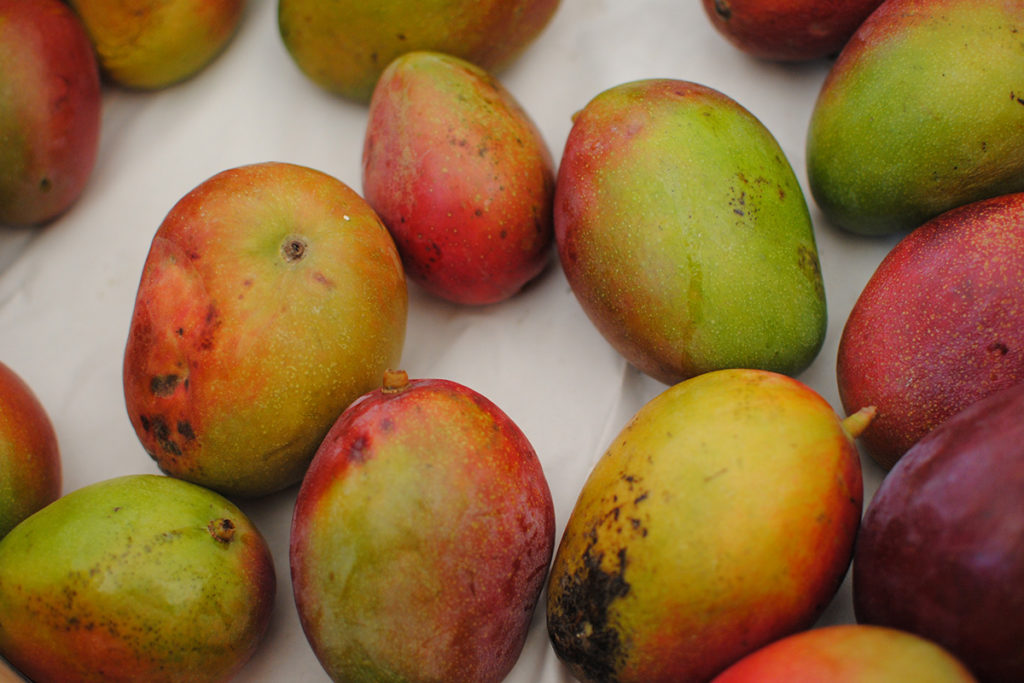
- Haden: A classic variety, typically available from July through August. Known for its beautiful red and green blush, fragrant aroma, and rich, sweet flavor with a slight tartness. It’s often considered one of the parents of many modern mangoes.
- Keitt: This late-season favorite is often available from August into September and even early October. Large, oval-shaped with green skin that sometimes remains green even when ripe, the Keitt is juicy, sweet, and nearly fiber-free. It’s an excellent choice for extending the mango season.
- Tommy Atkins: While more commonly imported, some California growers cultivate this variety. It’s recognized by its attractive red and green skin and firm flesh, making it popular for slicing and dicing. Its season typically aligns with the mid-summer peak.
- Other Heirloom & Specialty Varieties: Beyond these common types, smaller growers might cultivate unique heirloom varieties or less common selections adapted to their specific microclimates. These rare finds are often discovered at local farmers’ markets and offer an exciting opportunity for discerning mango lovers.
By familiarizing themselves with these varieties and their seasons, tourists can plan their visit to coincide with their preferred mango experience, perhaps even seeking out a “mango tasting” adventure to sample the diversity firsthand.
Immersive Mango Experiences for Tourists
Beyond merely eating mangoes, California’s mango season offers a rich tapestry of experiences that immerse visitors in local culture, agriculture, and culinary traditions. For a truly memorable trip, engaging with these activities is key.
Exploring Farmers’ Markets and Roadside Stands
Farmers’ markets are the undisputed heart of California’s local food movement, and during mango season, they become vibrant hubs of activity. From Los Angeles to San Diego, and in smaller towns across the mango-growing regions, these markets offer direct access to growers and their freshly picked produce. Here, you can find a diverse array of mango varieties, often picked just days or even hours before sale. Market visits are not just about shopping; they are cultural experiences. Visitors can chat with farmers, learn about different varieties, get tips on selection and storage, and sample mangoes before purchasing.
Beyond the formal markets, keen observers will spot charming roadside stands, particularly in areas like Temecula Valley or near Fallbrook. These often quaint setups offer an even more intimate connection to the land and the farmer, sometimes featuring unique, smaller-batch varieties not found elsewhere. The impromptu nature of a roadside stand discovery adds an element of adventure to a culinary road trip.
U-Pick Farms: A Hands-On Adventure
For the most immersive mango experience, visiting a U-pick (or “you-pick”) farm is unparalleled. While not as widespread as U-pick berry or apple orchards, a growing number of California farms in San Diego and Riverside Counties are opening their groves to the public during harvest season. This hands-on activity allows visitors to stroll through orchards, select their own ripe mangoes directly from the tree, and truly connect with the origin of their food.
U-pick experiences are especially popular with families, offering an educational and fun outing. It provides insight into the labor and care involved in fruit cultivation and fosters an appreciation for sustainable agriculture. Participating in a mango U-pick outing creates lasting memories and ensures the freshest possible fruit, straight from the source. It’s advisable to check farm websites or call ahead, as U-pick availability can vary based on crop yield and specific farm schedules.
Culinary Delights: Incorporating Mangoes into California Cuisine
California’s innovative culinary scene readily embraces seasonal ingredients, and local mangoes are no exception. During peak season, restaurants, cafes, and even home cooks integrate fresh mangoes into a wide array of dishes, offering tourists delicious ways to savor the fruit beyond simply eating it plain.
Expect to find mangoes featured in refreshing salsas paired with grilled fish or tacos, vibrant salads with avocado and citrus, and decadent desserts like mango tarts, mousses, or sorbets. Craft breweries might even experiment with mango-infused beers, while juice bars and smoothie shops will highlight fresh mango creations. Exploring these culinary applications provides a broader appreciation for the mango’s versatility and its role in California’s diverse food landscape. Food tours or cooking classes during mango season might also offer unique opportunities to learn how local chefs incorporate this beloved fruit.
Planning Your California Mango-Centric Trip
To maximize your enjoyment of California’s mango season, a little strategic planning goes a long way. This ensures not only the best mangoes but also a holistic and engaging travel experience.
Best Times to Visit for Optimal Mango Enjoyment
As established, the sweet spot for a mango-centric trip to California is August. This month typically offers the widest selection of varieties, peak ripeness, and abundant availability at farmers’ markets and U-pick farms. If your schedule allows for flexibility, aiming for early August provides the best chance to catch both mid-season favorites like the Haden and potentially some early Keitt varieties.
Visiting during the shoulder months of July or September can still yield excellent results, especially if you are targeting specific early or late-season varieties. For instance, if you’re keen on the creamy Ataulfo mango, late June to early July would be ideal. Planning your accommodation and travel logistics around these peak times, particularly in popular tourist destinations like San Diego or Santa Barbara, is advisable.
Beyond the Fruit: Festivals and Local Celebrations
While less common than dedicated apple or pumpkin festivals, some local communities in California’s mango-growing regions may host smaller-scale events or incorporate mangoes into broader summer celebrations. These could range from farm open houses featuring mango tastings and sales to community fairs highlighting local produce.
For example, areas within San Diego County that are known for subtropical fruit cultivation, like Fallbrook or Valley Center, might have local events that coincide with the mango harvest. Checking local tourism boards for these specific regions, or agricultural association websites, closer to the summer months can reveal any planned festivities. Participating in these local gatherings offers a chance to experience the community spirit and learn more about the unique agricultural heritage of these areas, often alongside other seasonal treats.
Tips for Selecting and Storing Your California Mangoes
To ensure you enjoy your California mangoes to their fullest, here are a few tips:
- Feel for Ripeness: A ripe mango will give slightly when gently squeezed, much like a ripe peach. Don’t rely solely on color, as some varieties (like Keitt) remain green even when ripe.
- Smell the Stem End: A sweet, fruity aroma at the stem end is a good indicator of ripeness and flavor.
- Avoid Blemishes: Look for smooth, unblemished skin. Minor marks are fine, but avoid heavily bruised or shriveled fruit.
- Ripening at Home: If your mangoes are firm, leave them at room temperature on your counter. Placing them in a paper bag can speed up the process.
- Storage: Once ripe, store mangoes in the refrigerator for up to five days to extend their freshness. For longer storage, peel, dice, and freeze them.
By following these simple guidelines, tourists can ensure their mango discoveries from California’s farms and markets are enjoyed at their absolute best, completing a truly memorable culinary journey. The pursuit of the perfect California mango is more than just a search for a fruit; it’s an invitation to explore the diverse landscapes, rich agricultural traditions, and vibrant local culture of the Golden State.
LifeOutOfTheBox is a participant in the Amazon Services LLC Associates Program, an affiliate advertising program designed to provide a means for sites to earn advertising fees by advertising and linking to Amazon.com. Amazon, the Amazon logo, AmazonSupply, and the AmazonSupply logo are trademarks of Amazon.com, Inc. or its affiliates. As an Amazon Associate we earn affiliate commissions from qualifying purchases.