
Navigating the legal landscape of the United States has become increasingly complex for residents and travelers alike. Specifically, in the Deep South, the state of Louisiana has undergone significant shifts in its reproductive healthcare laws. For those planning an extended stay in New Orleans, relocating for business in Baton Rouge, or simply exploring the cultural riches of the Mississippi River delta, understanding the current legal status of abortion is a vital component of lifestyle planning and personal safety.
Navigating the Current Legal Framework in Louisiana
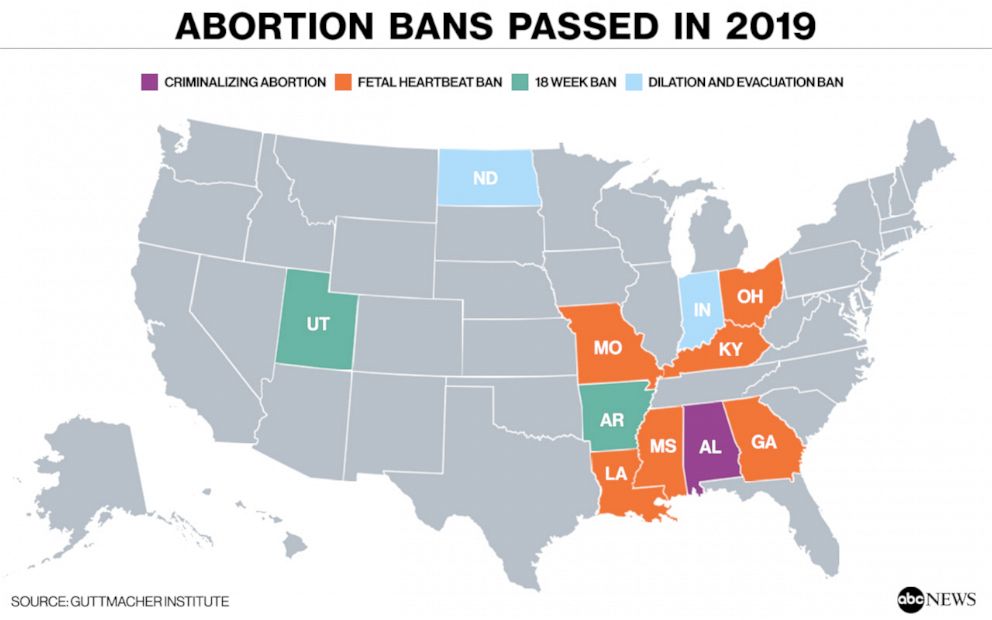
The short answer to the question of whether abortions are legal in Louisiana is no, with very narrow exceptions. Following the 2022 Supreme Court decision to overturn Roe v. Wade, the state’s “trigger laws” went into effect. These laws were designed to ban abortion immediately upon the reversal of federal protections, fundamentally altering the lifestyle and healthcare options for millions.
The Trigger Laws and Near-Total Ban
Louisiana currently enforces some of the strictest prohibitions in the country. The law prohibits nearly all abortions from the moment of conception. This ban applies regardless of the duration of the pregnancy. For professionals moving to the state or families visiting the Garden District, it is important to realize that the state does not provide exceptions for cases of rape or incest. The legal focus remains strictly on the preservation of the fetus, which has created a significant shift in how medical facilities operate throughout the Pelican State.
Legal Exceptions and Medical Definitions
There are, however, limited exceptions designed to protect the life of the pregnant person. If a physician determines that an abortion is necessary to prevent death or a “serious, permanent impairment of a life-sustaining organ,” the procedure may be legally performed. Additionally, the law allows for the termination of a pregnancy in cases of “medically futile” pregnancies, where the fetus has a condition that is incompatible with life outside the womb. These determinations are often made in major medical hubs like Ochsner Health System or Tulane Medical Center, where legal teams and medical boards now work closely to ensure compliance with state statutes.
Penalties for Providers
The lifestyle of medical professionals in Louisiana has been dramatically impacted by these laws. Physicians who perform illegal abortions face severe penalties, including up to 10 to 15 years in prison and substantial fines. This has led to a cautious atmosphere within the healthcare community, particularly in cities like Shreveport and Lafayette, where access to specialized reproductive care was already limited prior to the ban.
Impact on Healthcare and Lifestyle for Residents
For those living in Louisiana, the legality of abortion is not just a political issue but a practical one that affects family planning, career choices, and overall well-being. The closure of clinics that previously provided these services has forced many to look beyond state lines, often traveling to Illinois or Florida to seek care.
The Shift in Maternal Health Services
The banning of abortion has had a ripple effect on broader maternal health. Many OB-GYN specialists have expressed concerns about the “chilling effect” on emergency care for miscarriages and ectopic pregnancies. In a state known for its vibrant festivals and rich history, from the French Quarter to the Cajun Country, there is a growing dialogue about the sustainability of the healthcare infrastructure. Young families considering a move to Metairie or Kenner are increasingly weighing these medical realities as part of their lifestyle decisions.
Economic and Professional Migration
There is an emerging trend of “medical brain drain” in the region. Medical students and seasoned practitioners are sometimes choosing to practice in states with fewer legal restrictions to avoid the risk of criminalization. For the Louisiana economy, which relies heavily on the innovation found in cities like Lake Charles, this shift could have long-term implications for the quality of care available to all residents. The lifestyle of a medical professional in the South now requires a deep understanding of both medicine and state-specific litigation.
Community and Advocacy Networks
In response to the ban, several local organizations have pivoted their focus toward providing information on out-of-state travel and support. While they cannot facilitate illegal procedures within the state, these networks offer resources for those navigating the new reality. This community-driven lifestyle of mutual aid is a hallmark of Louisiana culture, often seen during hurricane recovery and now mirrored in the healthcare landscape.
Considerations for Visitors and Business Travelers

Travelers visiting Louisiana for tourism or business must be aware that their access to reproductive healthcare changes the moment they cross the border from Texas or Mississippi. While the state remains a world-class destination for food, music, and history, the legal environment is a critical factor for personal health management.
Emergency Care During Travel
If a medical emergency related to a pregnancy occurs while you are touring Jackson Square or attending a conference at the Ernest N Morial Convention Center, you will still receive emergency stabilization. However, the protocols followed by hospitals in New Orleans may differ from those in California or New York. Travelers are encouraged to have their medical records accessible digitally and to know the contact information for their primary care physician back home.
Planning for Extended Stays
For those planning a long-term stay in a corporate apartment or a villa in St Tammany Parish, it is wise to research the nearest major hospitals. Understanding the difference between a Catholic-affiliated hospital and a secular institution can be important, as religious affiliations sometimes further influence the types of reproductive services offered, even within the bounds of state law.
The Travel and Tourism Perspective
The tourism industry in Louisiana is a major economic driver. Destinations like the Audubon Zoo and the National WWII Museum continue to draw millions of visitors. However, some organizations and conventions have reconsidered Louisiana as a host site due to the abortion ban, citing concerns over the safety and values of their attendees. This highlights how legal landscapes can directly influence the lifestyle and “vibe” of a travel destination.
The Cultural and Social Climate of the Bayou State
The legality of abortion is deeply intertwined with the cultural fabric of Louisiana. The state has a strong tradition of religious influence, particularly from the Catholic Church and various evangelical denominations, which have been instrumental in the legislative push for the ban.
Religious Influence on Local Life
In places like Houma and Thibodaux, local life is often centered around church activities and traditional values. This cultural backdrop explains much of the public support for the current laws. For a visitor, experiencing the “lifestyle” of Louisiana means engaging with a population that often views legal issues through a moral and spiritual lens. This is evident in the architecture of the many historic cathedrals, such as the St Louis Cathedral in New Orleans.
Political Activism and the Future
Louisiana is also a place of intense political engagement. From the steps of the Louisiana State Capitol to the streets of Alexandria, citizens on both sides of the issue are active. The lifestyle of an activist in the state involves navigating a complex legislative system and advocating for change in a highly polarized environment. For those interested in the social history of the United States, Louisiana serves as a living laboratory for the evolution of civil rights and healthcare access.
The Contrast of Urban and Rural Realities
There is a notable contrast between the lifestyle in urban centers like New Orleans, which tends to be more socially liberal, and the rural parishes where the ban is overwhelmingly supported. This tension defines much of the state’s current identity. Visitors moving between the Gulf of Mexico coast and the northern pine woods of Monroe will notice these shifts in social climate, which are reflected in everything from local news coverage to casual conversation.
Resources and Support Systems in the Region
Despite the ban, there are resources available for those who need to navigate the healthcare system in the South. Staying informed is the best way to manage one’s lifestyle and health in a restrictive legal environment.
Telehealth and Modern Solutions
The rise of telehealth has provided some alternatives for those seeking reproductive health consultations, though the mailing of abortion pills is also heavily restricted and criminalized in Louisiana. Travelers and residents often use encrypted platforms to seek advice from providers in states like Colorado or Washington.

Legal Aid and Information
For anyone facing legal questions regarding healthcare in Louisiana, seeking professional legal counsel is essential. Organizations dedicated to civil liberties often provide updates on the latest court rulings, which can change the enforcement of laws overnight. Whether you are a business traveler staying at a luxury hotel near Canal Street or a digital nomad exploring Acadiana, staying updated via reputable news sources is a necessary part of modern travel.
In conclusion, while Louisiana remains a destination of unparalleled beauty and cultural depth, the legal status of abortion has fundamentally changed the landscape for healthcare and lifestyle. By understanding these laws, the exceptions, and the cultural context, individuals can make informed decisions about their health, their travels, and their lives within the Bayou State.
LifeOutOfTheBox is a participant in the Amazon Services LLC Associates Program, an affiliate advertising program designed to provide a means for sites to earn advertising fees by advertising and linking to Amazon.com. Amazon, the Amazon logo, AmazonSupply, and the AmazonSupply logo are trademarks of Amazon.com, Inc. or its affiliates. As an Amazon Associate we earn affiliate commissions from qualifying purchases.