
The allure of the private detective’s life often conjures images from fiction: shadowy figures, trench coats, and dramatic revelations. While the reality is perhaps less cinematic, the profession of a private investigator in California offers a dynamic, challenging, and deeply rewarding lifestyle for those with a keen eye for detail, an analytical mind, and a commitment to justice. For individuals contemplating a significant career shift or seeking to leverage existing investigative skills, understanding the pathway to becoming a licensed private detective in the Golden State is the first critical step. This career is more than just a job; it’s a commitment to a unique way of life, characterized by independence, critical thinking, and a continuous pursuit of truth.
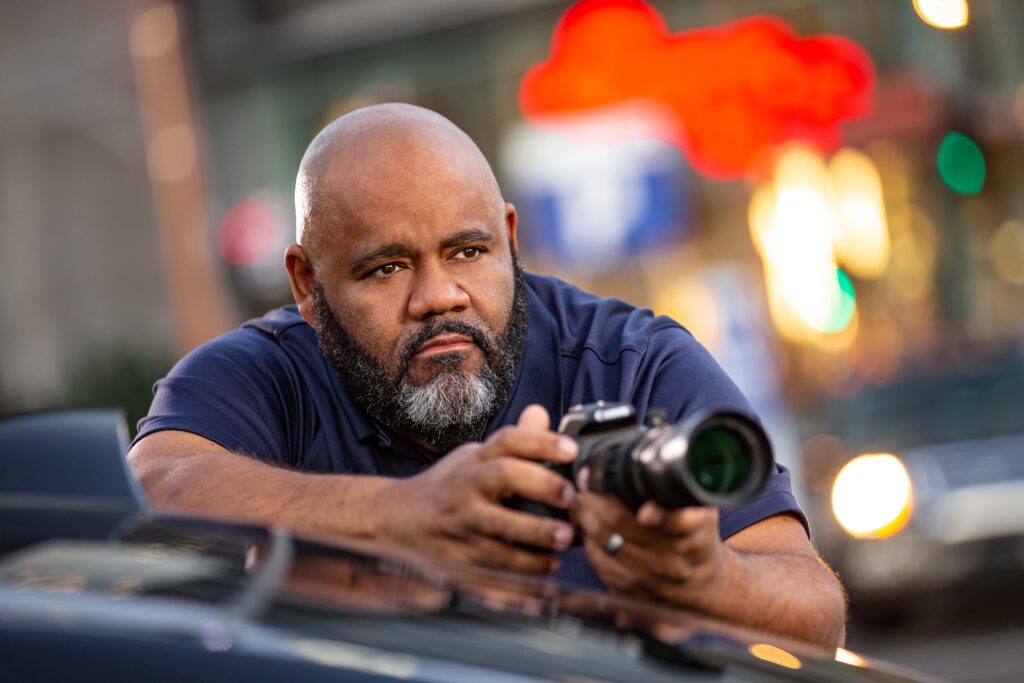
The Allure of the Investigator’s Lifestyle
Choosing to become a private detective is a profound lifestyle decision, impacting everything from daily routines to long-term financial stability and personal growth. It’s a path less traveled, offering a distinct blend of autonomy and responsibility that appeals to a particular type of individual.
Dispelling Myths: Reality vs. Fiction
The romanticized image of a private investigator, often depicted in noir films or detective novels, seldom aligns with the practical realities of the profession. While excitement can be a component, the daily life of a California PI is primarily characterized by meticulous research, surveillance, interviewing, and report writing. It involves hours spent in front of a computer, digging through databases, rather than always chasing down leads in dramatic high-speed pursuits.
A private detective’s lifestyle often means irregular hours, working when clients need them, which can include evenings, weekends, or holidays. It requires immense patience and resilience, as cases can be complex, drawn-out, and sometimes lead to dead ends. However, for those who thrive on problem-solving, the satisfaction of piecing together disparate facts to reveal the truth can be incredibly fulfilling. This career offers a constant mental challenge, pushing individuals to think critically and adapt to diverse situations. It’s a lifestyle where continuous learning is not just encouraged but essential, as laws, technologies, and investigative techniques evolve.
The Entrepreneurial Spirit: Building Your Own Path
One of the most appealing aspects of becoming a private detective in California is the potential for entrepreneurship. Many PIs operate as independent contractors or establish their own investigative agencies. This grants a level of autonomy rarely found in traditional employment. As an independent PI, you control your caseload, set your hours, and define your specialization. This entrepreneurial lifestyle demands self-discipline, strong organizational skills, and a proactive approach to marketing and client acquisition.
Building a successful investigative business means not only being an excellent detective but also a savvy business owner. It involves managing finances, understanding legal contracts, and cultivating professional relationships. The freedom of self-employment is a significant draw, allowing private detectives to carve out a niche that aligns with their personal interests and professional strengths, whether it’s corporate investigations, domestic cases, insurance fraud, or intellectual property protection. This autonomy defines a significant part of the PI lifestyle, offering a refreshing alternative to the typical 9-to-5 grind.
The Foundational Requirements for a PI Career in California
Before embarking on the licensing journey, prospective private detectives must meet specific foundational criteria established by the state of California. These requirements ensure that only qualified individuals with integrity and relevant experience enter the profession, maintaining public trust and professional standards.
Eligibility and Experience
To be eligible for a private investigator license in California, applicants must be at least 18 years old. More critically, they must demonstrate a specific amount of qualifying investigative experience. The Bureau of Security and Investigative Services (BSIS), the regulatory body for private investigators, requires applicants to have either:
- Three years (approximately 6,000 hours) of compensated investigative experience. This can include experience as an investigator for a licensed private investigator, a law enforcement agency, a public defender’s office, or a law firm.
- A college degree in criminal justice or a related field may substitute for some experience, but it does not eliminate the need for practical investigative hours. For instance, an associate’s degree typically counts for 1,000 hours, and a bachelor’s degree for 2,000 hours. The remaining hours must still be accumulated through hands-on work.
This experience requirement is crucial as it ensures that applicants possess practical skills in evidence collection, surveillance, interviewing, and report writing, which are indispensable for the private detective’s lifestyle. It ensures that theoretical knowledge is balanced with real-world application, preparing individuals for the complexities of actual cases.
The Importance of a Clean Record
Integrity is the cornerstone of the private investigation profession. Consequently, all applicants must undergo a rigorous background check. This involves submitting fingerprints to both the Federal Bureau of Investigation (FBI) and the California Department of Justice. The BSIS reviews criminal history records, and individuals with felony convictions or certain misdemeanor offenses that are substantially related to the qualifications, functions, or duties of a private investigator may be denied a license.
Maintaining a clean criminal record is paramount for entry into and continued practice within this profession. This requirement is not merely bureaucratic; it reflects the trust placed in private investigators to handle sensitive information, conduct discreet inquiries, and operate within the bounds of the law. A PI’s reputation for honesty and trustworthiness is their most valuable asset, making a clean background an essential prerequisite for establishing a credible and successful practice.
Navigating the Licensing Process in California
Once the foundational requirements are met, the next stage involves meticulously navigating the formal licensing process dictated by the California Private Investigator Act. This is a multi-step procedure designed to ensure that all licensed private detectives are professionally competent and legally compliant.
Applying Through the BSIS
The application process begins with submitting an application to the BSIS. This involves completing the official application form, providing detailed documentation of qualifying experience, and paying the requisite application fees. It’s imperative to be thorough and accurate in this submission, as any discrepancies or missing information can significantly delay the process. The BSIS meticulously reviews each application to confirm that the experience claimed meets their strict criteria, often requiring supplemental documentation or clarification.
Examination and Fingerprinting
Upon approval of the application, candidates are scheduled for a mandatory state examination. This two-hour, 100-question multiple-choice test covers various topics relevant to the private investigation profession, including legal principles, business practices, investigative techniques, and ethical considerations. A score of 70% or higher is required to pass. The examination is designed to assess an applicant’s knowledge of the laws and regulations governing private investigators in California, as well as their understanding of fundamental investigative procedures.
Concurrently with the application, or shortly thereafter, applicants must undergo live scan fingerprinting for the criminal background check. The fingerprints are submitted electronically to the DOJ and the FBI, which then report any criminal history back to the BSIS. This crucial step ensures public safety and maintains the integrity of the profession.

Insurance and Business Registration
Before a license is issued, the applicant must also provide proof of a $10,000 surety bond. This bond is a type of insurance that protects clients from any financial damages caused by unlawful or unethical conduct on the part of the private investigator. It serves as a financial guarantee of the investigator’s adherence to professional standards and legal obligations.
Furthermore, if the private investigator plans to operate an independent business, they must comply with all local business registration requirements in the city or county where their office is located. This could involve obtaining a business license from municipalities like Los Angeles, San Francisco, or San Diego, depending on their base of operations. Establishing a legitimate business structure is not just a legal formality; it’s a fundamental aspect of the professional lifestyle, ensuring compliance and projecting a credible image to prospective clients.
Essential Skills and Training for Success
Beyond the formal requirements, a successful career as a private detective in California demands a specific set of skills and a commitment to continuous learning. These abilities are what truly define the operational lifestyle of an effective investigator.
Critical Thinking and Observation
At the heart of every successful investigation lies exceptional critical thinking and observational prowess. Private detectives must be able to analyze complex situations, identify patterns, connect seemingly unrelated pieces of information, and draw logical conclusions. This often involves sifting through vast amounts of data, distinguishing relevant facts from distractions, and formulating hypotheses based on evidence.
Equally important is the ability to observe minute details—whether during surveillance, reviewing documents, or conducting interviews. A keen eye can spot inconsistencies, non-verbal cues, or subtle clues that others might miss. Developing these skills is an ongoing process, honed through experience and deliberate practice, and they are central to the problem-solving lifestyle of a PI.
Legal Acumen and Ethical Conduct
A comprehensive understanding of the law is indispensable for any private investigator. PIs operate within strict legal boundaries, and any violation can jeopardize a case, lead to legal repercussions, or even result in the revocation of their license. This includes knowing laws related to privacy, surveillance, evidence collection, trespassing, and the proper handling of confidential information. Staying updated on changes in California and federal laws is a continuous responsibility.
Ethical conduct is equally paramount. Private investigators must maintain strict confidentiality, avoid conflicts of interest, and conduct all activities with integrity and professionalism. The temptation to cut corners or operate in a morally ambiguous zone can arise, but a truly successful PI upholds the highest ethical standards, which builds trust and maintains a sterling reputation. This commitment to ethical practice is a defining characteristic of a professional private detective’s lifestyle.
Specialized Training and Continuing Education
While the BSIS licensing process is robust, it represents only the minimum standard. Many successful private detectives pursue specialized training and continuous education to enhance their skills and expand their service offerings. This might include courses in:
- Forensic Investigations: Learning techniques for analyzing digital evidence, handwriting, or ballistics.
- Cybercrime and Digital Forensics: Crucial in an increasingly digital world, dealing with online fraud, data recovery, and cyberstalking.
- Advanced Surveillance Techniques: Mastering covert observation methods and the use of specialized equipment.
- Interviewing and Interrogation: Refining techniques for eliciting information from witnesses and subjects.
- Peace Officer Standards and Training (POST) certified courses: Many former law enforcement officers leverage their existing POST training, but these courses are also available to civilians for specific skills.
Investing in ongoing professional development not only makes an investigator more effective but also allows them to specialize in niche areas, making their services more valuable and their business more competitive in markets like Los Angeles, Sacramento, or San Francisco. This commitment to lifelong learning is an integral part of the dynamic PI lifestyle.
Building a Thriving Private Detective Business in California
Obtaining a license is just the beginning. The next phase involves actively building and sustaining a thriving private detective business, a venture that requires business acumen as much as investigative skill. This aspect of the lifestyle focuses on strategy, relationship-building, and continuous adaptation.
Niche Specializations and Client Acquisition
The investigative landscape in California is vast and diverse. While some PIs handle a wide range of cases, many find success by specializing in a particular niche. This could include:
- Corporate Investigations: Addressing internal fraud, intellectual property theft, or competitive intelligence.
- Insurance Fraud: Investigating suspicious claims for insurance companies.
- Domestic and Family Law: Handling child custody disputes, infidelity investigations, or asset searches during divorce proceedings.
- Background Checks: For employment screening, tenant verification, or personal due diligence.
- Skip Tracing: Locating missing persons or debtors.
- Digital Forensics: Specializing in data recovery, cybercrime, and online reputation management, particularly relevant in areas like Silicon Valley.
Identifying a niche allows a private detective to become an expert in a specific area, attract targeted clients, and streamline marketing efforts. Client acquisition strategies often involve building a professional website, networking with attorneys, insurance adjusters, and corporations, and utilizing online marketing and social media. Establishing a strong professional reputation in areas like Orange County or San Diego can be a key differentiator.
Networking and Professional Development
The private detective lifestyle thrives on connections. Networking with other PIs, attorneys, law enforcement professionals (where appropriate), and business leaders is crucial for referrals, mentorship, and staying abreast of industry trends. Joining professional associations, such as the California Association of Licensed Investigators (CALI), provides invaluable opportunities for networking, continuing education, and advocacy.
Beyond formal networking, reputation building through word-of-mouth referrals is paramount. Delivering excellent results, communicating clearly with clients, and maintaining the highest ethical standards will naturally lead to repeat business and recommendations. This relational aspect is a significant part of the daily lifestyle, requiring strong interpersonal skills and a commitment to client satisfaction.

The Day-to-Day Realities of a California PI
The day-to-day life of a California private investigator is rarely predictable. One day might involve extensive computer-based research and database queries from a home office, while the next could see them conducting surveillance in a bustling city like Los Angeles or interviewing witnesses in a quieter suburban setting. The lifestyle demands flexibility, adaptability, and resilience.
Managing a caseload often means balancing multiple investigations simultaneously, each with its own timeline, challenges, and client expectations. Time management, organizational skills, and the ability to work independently are critical. While demanding, this variety is precisely what appeals to many who choose this career path. The satisfaction of uncovering vital information, providing clarity to clients, and contributing to legal processes makes the challenging and dynamic lifestyle of a private detective a profoundly rewarding one for those suited to its unique demands.
LifeOutOfTheBox is a participant in the Amazon Services LLC Associates Program, an affiliate advertising program designed to provide a means for sites to earn advertising fees by advertising and linking to Amazon.com. Amazon, the Amazon logo, AmazonSupply, and the AmazonSupply logo are trademarks of Amazon.com, Inc. or its affiliates. As an Amazon Associate we earn affiliate commissions from qualifying purchases.