
Embarking on a personal journey often involves significant life changes, and for many in California, altering one’s name is a profound step in defining or redefining identity. Whether motivated by marriage, divorce, personal preference, or gender affirmation, the process of legally changing a name in the Golden State requires a clear understanding of the established legal framework. This guide illuminates the paths available, outlining the procedures, required documentation, and essential post-change steps to ensure a seamless transition to your new legal identity. Navigating bureaucratic systems can feel daunting, but with a structured approach, individuals can successfully update their most fundamental identifier.
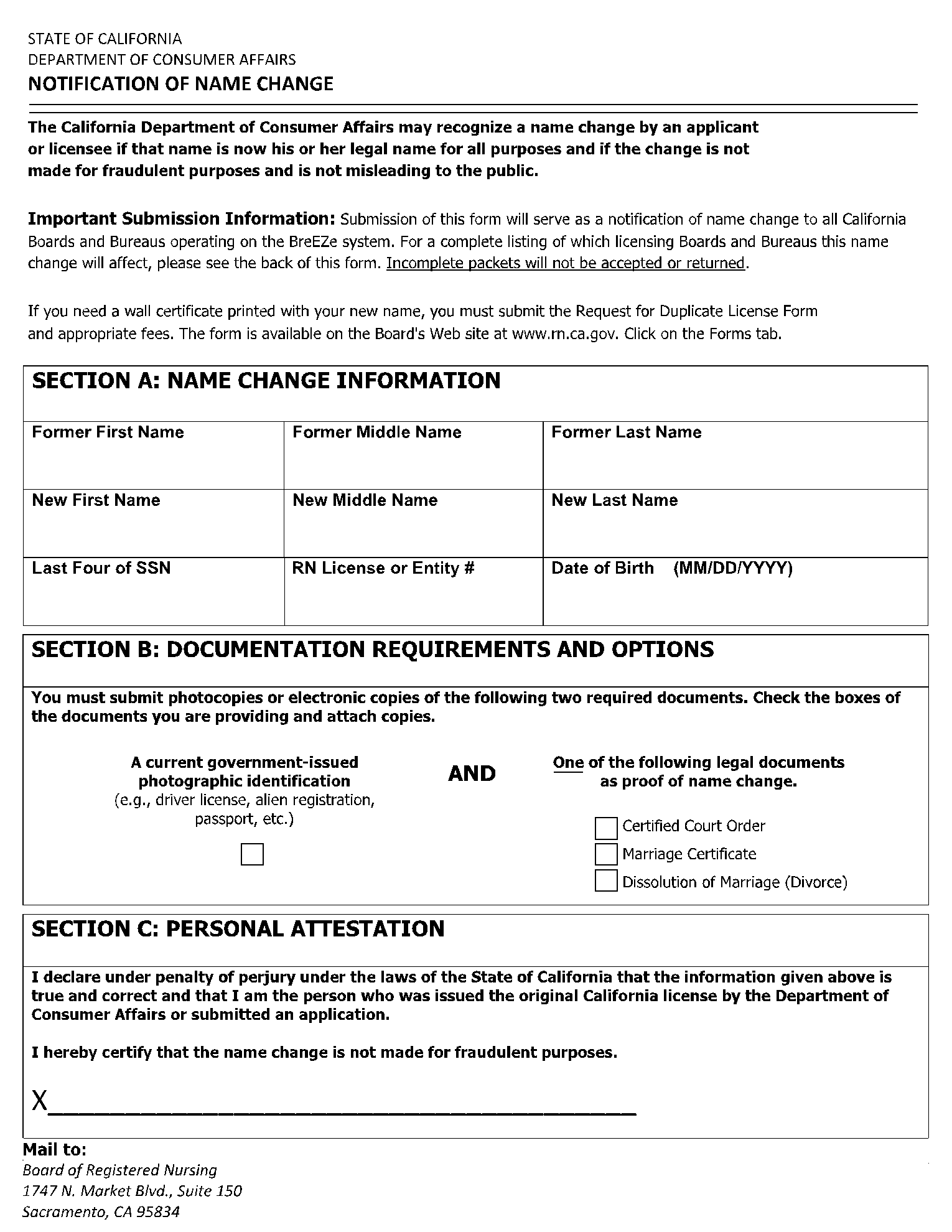
Understanding Your Options for a Name Change
In California, the method you choose to change your name largely depends on the reason behind the change. Each pathway has distinct requirements and involves different processes, from straightforward administrative updates to more complex court petitions. Understanding these options is the first crucial step in your name change journey, ensuring you select the correct legal avenue for your specific circumstances.
Marriage or Domestic Partnership
One of the most common reasons for a name change is marriage or the formation of a domestic partnership. This method is generally the simplest, as it often does not require a court order beyond the marriage certificate itself. When applying for a marriage license in California, you typically have the option to indicate your desired new surname. This new name can be your spouse’s last name, a hyphenated combination of both last names, or even a different combination if specifically allowed by the county.
The marriage certificate, once issued and recorded, serves as your legal document for updating your name with various government agencies and institutions. It’s important to verify that your desired new name is clearly stated on the marriage certificate before it is finalized. If you decide to change your name after the marriage certificate has been issued without indicating a name change, you may need to pursue a court petition, which is a more involved process. Therefore, thoughtful planning at the time of marriage can save considerable effort later.
Divorce or Annulment
Conversely, the dissolution of a marriage or domestic partnership often prompts a desire to revert to a previous name, typically a maiden name. In California, if you wish to restore a former name as part of your divorce or annulment proceedings, you can typically request this as part of the judgment. The divorce decree or judgment of annulment will include an order legally restoring your former name.
This court order then serves as your official documentation for updating your name with governmental bodies, financial institutions, and other entities. It’s crucial to explicitly request this restoration during the divorce or annulment process. If the judgment does not include a name restoration order, you would then need to file a separate general name change petition with the court, which adds complexity and time to the process. Early consultation with legal counsel during divorce proceedings can ensure this detail is not overlooked.
Petitioning the Court (General Name Change)
For all other circumstances not related to marriage, domestic partnership, divorce, or annulment, a name change must be accomplished through a formal court petition. This includes changes due to personal preference, gender affirmation, adoption (adult adoption for name change purposes), or to correct an error on birth records that cannot be amended otherwise. This path is more involved, requiring specific forms, public notice, and a court hearing. It is the default method for anyone seeking to change their name outside of the more streamlined marital or divorce processes. This process ensures legal scrutiny and public awareness, protecting against fraudulent name changes while upholding individual rights to identity.
The General Court Petition Process
Navigating the general court petition process for a name change in California involves several distinct stages, each requiring meticulous attention to detail and adherence to legal requirements. This structured approach ensures that your petition is properly filed, publicly noticed, and ultimately approved by a judicial officer.
Step 1: Complete the Required Forms
The initial phase involves accurately completing a set of forms provided by the California courts. These typically include:
- Petition for Change of Name (Form NC-100): This is the primary document where you state your current legal name, your desired new name, and the reason for the change. It’s critical to provide a valid and non-fraudulent reason, although “personal preference” is generally acceptable.
- Attachment to Petition for Change of Name (Form NC-110) (if applicable): Used if you’re changing the name of a minor child, requiring consent from both parents (or legal guardians) and additional information about the child.
- Order to Show Cause for Change of Name (Form NC-120): This form officially notifies the public of your intent to change your name and sets a date for your court hearing. The court clerk will complete parts of this form, including the hearing date.
- Civil Case Cover Sheet (Form CM-010): Used to provide statistical information about your case.
Ensure all forms are filled out completely and accurately. Any omissions or errors can lead to delays or rejection of your petition. It is advisable to type these forms to ensure legibility and clarity.
Step 2: File Your Forms with the Court
Once the forms are completed, you must file them with the Superior Court in the county where you reside. When filing, you will pay a filing fee, which can be substantial. If you cannot afford the fee, you may apply for a fee waiver by submitting a “Request to Waive Court Fees” (Form FW-001) and an “Order on Court Fee Waiver” (Form FW-003). The court clerk will endorse (stamp) your copies of the forms and return them to you. This officially initiates your name change case. Retain all stamped copies for your records, as they serve as proof of filing and contain important case information, including your assigned case number.
Step 3: Publish Your Petition
California law generally requires that you publish your “Order to Show Cause for Change of Name” in a newspaper of general circulation once a week for four consecutive weeks before your scheduled court hearing. This public notice serves to inform anyone who might have an objection to your name change. The court clerk can often provide a list of approved newspapers in your county that handle legal notices.
You are responsible for arranging and paying for this publication. The newspaper will provide you with a “Proof of Publication” document after the required four weeks. This document is crucial and must be filed with the court before your hearing. Failure to publish or file the proof of publication will result in your petition being denied or your hearing being rescheduled. This step underscores the public nature of a general name change process, allowing for transparency and accountability.
Step 4: Attend Your Court Hearing
On the date specified in your “Order to Show Cause,” you must attend a court hearing. The purpose of the hearing is for a judge to review your petition, confirm that all procedural requirements have been met (including publication), and ensure there are no legal objections to your name change. In most cases, if all paperwork is in order and no objections are raised, the hearing is brief, and the judge will approve your petition.
Be prepared to briefly explain the reason for your name change to the judge if asked. If you are changing a child’s name, both parents (if applicable) may need to attend, and the child’s presence might be required depending on their age and the judge’s discretion.
Step 5: Obtain Your Order
If the judge approves your petition, they will sign the “Order Changing Name” (Form NC-130). This document is the legal proof of your new name. It is imperative to obtain several certified copies of this order from the court clerk. These certified copies will be required when you update your name with various government agencies, financial institutions, and other record-keepers. Each agency typically requires an original certified copy for verification, which they may or may not return, so having multiple copies is essential for completing all necessary updates.
Special Considerations and Exceptions
While the general process applies to most name changes, certain situations present unique considerations or alternative procedures. Understanding these exceptions is vital for individuals falling into specific categories, ensuring they follow the correct legal path and meet all necessary requirements.
Changing a Child’s Name
Changing a minor child’s name in California is a more involved process due to the child’s age and legal protections. Generally, both parents must consent to the name change. If one parent objects, the petitioning parent must demonstrate to the court that the name change is in the child’s best interest. Factors a judge might consider include:
- The child’s preference (if old enough to express a reasoned opinion).
- The length of time the child has used the current name.
- The impact on the child’s identity and relationships.
- Any potential harassment or embarrassment the child might face with their current name.
A general name change petition is filed, similar to an adult’s, but specific forms for a minor are used, and proper notification to both parents is paramount. The court will always prioritize the child’s welfare in these decisions.
Confidential Name Changes (Victims of Abuse)
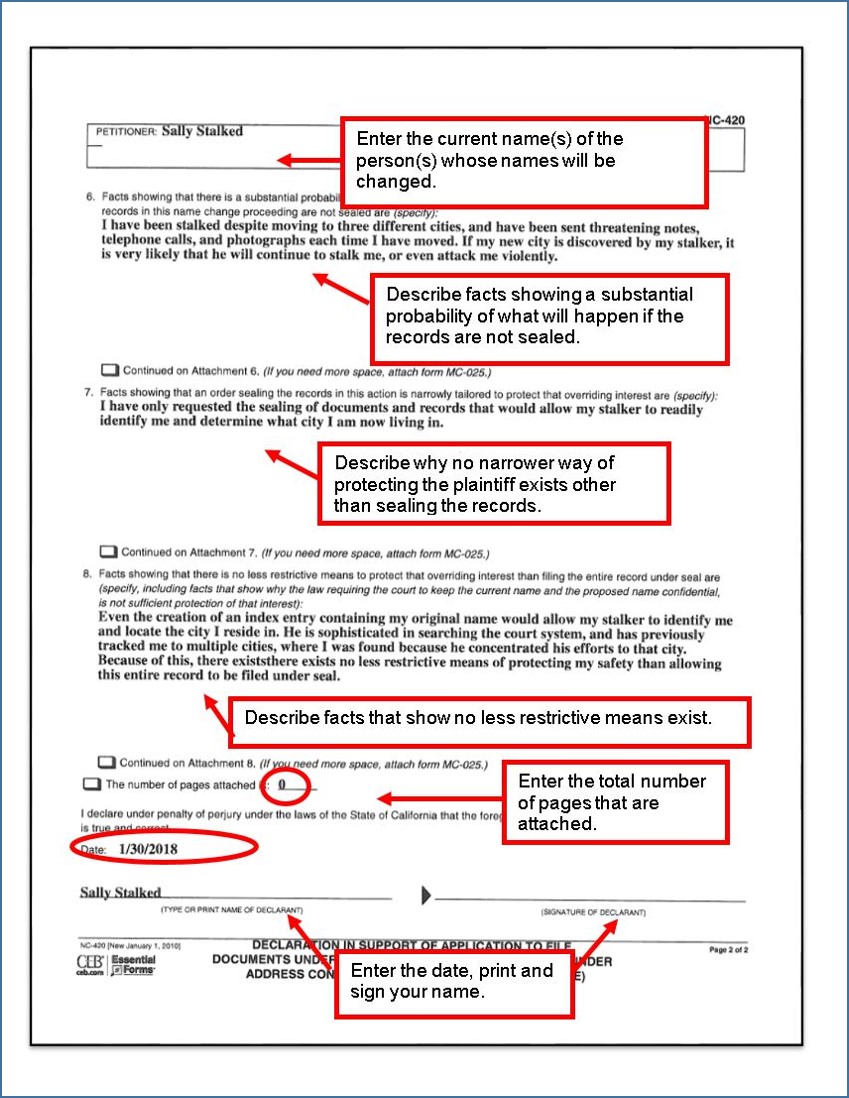
For victims of domestic violence, sexual assault, or stalking, California law provides a pathway for a confidential name change. This process allows individuals to change their name without the public publication requirement, protecting their safety and privacy. To qualify, petitioners must demonstrate to the court that the name change is necessary to ensure their safety and that of their minor children.
This involves filing a specific “Petition for Change of Name (Confidential)” (Form NC-400) and other related forms. The court will conduct a confidential hearing to assess the risk to the petitioner. If approved, the order for the name change will be sealed, preventing public disclosure of the new name or the proceedings. This critical provision underscores the state’s commitment to protecting vulnerable individuals.
Name Changes for Gender Affirmation
Individuals seeking to change their name as part of gender affirmation in California benefit from streamlined procedures. Legislation has simplified the process, often waiving the publication requirement for these name changes. This is due to the recognition that public disclosure can expose individuals to harassment or discrimination.
Petitioners file a general name change petition, indicating “gender affirmation” as the reason. They can also simultaneously request a change to their legal gender. The court typically handles these petitions efficiently, with the primary goal of affirming an individual’s chosen identity. While some counties may still require an Order to Show Cause, the publication requirement is frequently waived, making the process more private and respectful for transgender and non-binary individuals.
Updating Your New Identity
After successfully obtaining a court order for your name change, the legal process is complete, but the practical process of updating your identity across various institutions begins. This final, critical stage ensures your new legal name is recognized everywhere, preventing future discrepancies and complications.
Social Security Administration
Your first stop should be the Social Security Administration (SSA). You must update your name with the SSA to ensure your earnings record accurately reflects your new identity. This involves completing Form SS-5, “Application for a Social Security Card,” and providing certified copies of your name change order, proof of identity, and proof of U.S. citizenship or immigration status. There is no fee for this service. Once processed, you will receive a new Social Security card reflecting your updated name, though your Social Security number itself will remain the same.
Department of Motor Vehicles
Next, update your driver’s license or state identification card with the California Department of Motor Vehicles (DMV). You will need to complete a new driver’s license or ID card application (Form DL 44), provide your certified name change order, and surrender your old license/ID. A new photo will be taken, and you will pay a fee for the updated document. Ensuring your DMV records match your new name is essential for all activities requiring identification, including travel and financial transactions within the state.
Passport Agency
If you hold a U.S. passport, updating it with your new name is crucial for international travel. The specific form and requirements depend on how recently your current passport was issued. Generally, you will need to submit your certified name change order, your current passport, a new passport photo, and an application form (DS-82 for renewals, DS-11 for first-time or specific circumstances). Fees apply for passport renewals. Without an updated passport, you may face significant challenges when traveling internationally, as your identification will not match your travel documents.
Banks and Other Financial Institutions
Contact your banks, credit unions, credit card companies, and other financial institutions. They will require a certified copy of your name change order and often proof of your updated identity (e.g., new driver’s license) to update your accounts. This is critical for maintaining financial stability and preventing issues with transactions, loans, and credit reporting. Be prepared to fill out their specific change of name forms.

Other Important Records
Beyond these primary agencies, remember to update a myriad of other personal and professional records:
- Employer: Provide your HR department with your new Social Security card and a certified copy of your name change order.
- Utilities and Bills: Contact electricity, water, internet, and phone providers.
- Insurance: Update health, auto, home, and life insurance policies.
- Medical Providers: Inform your doctors, dentists, and pharmacies.
- Educational Institutions: Request updated diplomas or transcripts if desired.
- Voter Registration: Update your voter registration with the California Secretary of State.
- Professional Licenses: If you hold any professional licenses (e.g., medical, legal, real estate), contact the issuing board to update your name.
- Wills and Trusts: Consult with an attorney to update estate planning documents if necessary.
This comprehensive approach ensures that your new name is uniformly recognized, reflecting your updated legal identity across all facets of your life in California. While the process requires diligence, it is a vital step in affirming your personal lifestyle choice and moving forward with confidence.
LifeOutOfTheBox is a participant in the Amazon Services LLC Associates Program, an affiliate advertising program designed to provide a means for sites to earn advertising fees by advertising and linking to Amazon.com. Amazon, the Amazon logo, AmazonSupply, and the AmazonSupply logo are trademarks of Amazon.com, Inc. or its affiliates. As an Amazon Associate we earn affiliate commissions from qualifying purchases.