
Navigating the financial landscape of the Golden State is a crucial aspect of any lifestyle, whether you’re a long-term resident, a transient business traveler, or a visitor exploring its diverse offerings. Among the various financial considerations, understanding California sales tax stands out as fundamental. This isn’t just a trivial percentage added to a receipt; it’s a dynamic component that influences budgeting, purchasing decisions, and the overall cost of living and leisure in one of the world’s most vibrant economies. For anyone seeking to manage their finances effectively within California, deciphering the intricacies of its sales tax system is paramount to maintaining a desired lifestyle, be it one of careful frugality or indulgent luxury.
Understanding the Golden State’s Sales Tax Framework
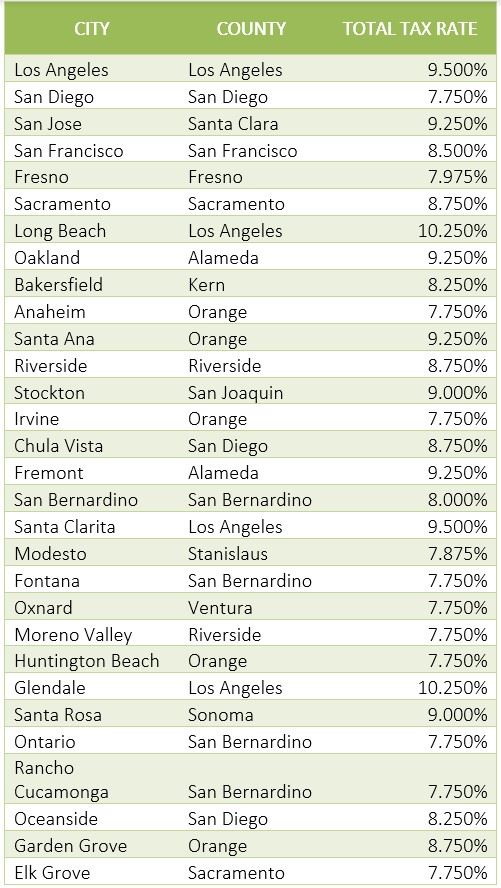
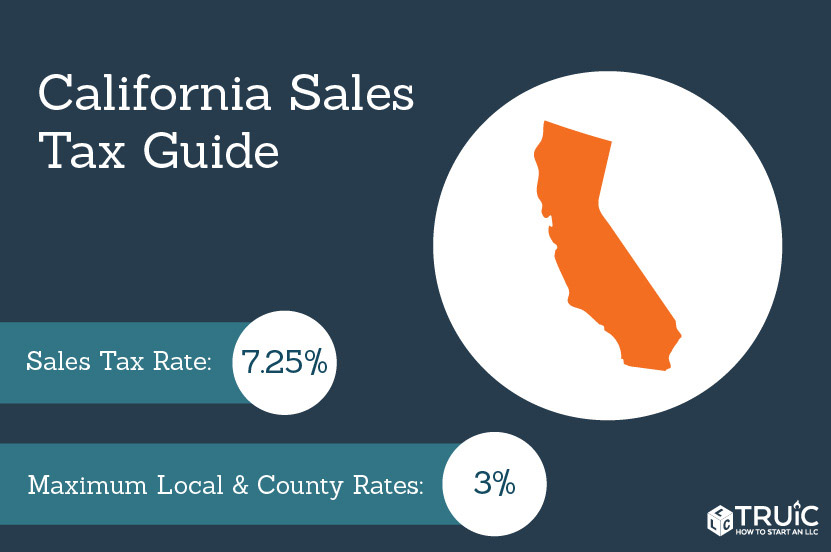
At its core, California’s sales tax is a consumption tax imposed on retailers for the privilege of selling tangible personal property. While legally levied on the retailer, it is almost universally passed on to the consumer. The statewide base sales tax rate is 7.25%, but this is rarely the final rate encountered by consumers. The complexity arises from the addition of district taxes, which are local sales taxes approved by voters within specific cities and counties. These district taxes vary significantly across the state, leading to a wide range of combined sales tax rates. For instance, while a purchase in a city like Sacramento might incur a certain rate, the same purchase just a few miles away in a different district could be subject to a higher or lower percentage. This variability demands attention, particularly for those whose lifestyles involve frequent movement across different jurisdictions or for businesses operating in multiple locations. Understanding these layered components – state, county, and city district taxes – is the first step in accurately predicting and accounting for sales tax in your financial planning within California.
How Sales Tax Impacts Your California Lifestyle
Sales tax permeates nearly every aspect of consumer spending, making its understanding critical for various lifestyles. From the daily coffee run to major life purchases, its influence is ever-present.
Daily Essentials and Services
For residents, sales tax is an unavoidable part of everyday life. Most tangible goods purchased – from clothing and electronics to household items and certain prepared foods – are subject to sales tax. While basic groceries are generally exempt, an unmindful consumer might overlook the tax applied to, for example, a hot deli sandwich or a pre-packaged salad with utensils. For a budget-conscious individual, consistently factoring in sales tax for these smaller, frequent purchases can significantly impact monthly spending totals. Even for those with a more flexible budget, ignoring sales tax can lead to minor discrepancies that accumulate, subtly chipping away at discretionary funds. The impact extends to services where tangible goods are intrinsically part of the service, such as car repairs where parts are taxed, or salon treatments that involve product sales.
Big Purchases and Investments
The effect of sales tax becomes even more pronounced when considering larger investments, directly affecting various lifestyles. For those embarking on a home renovation project, the cost of building materials, appliances, and fixtures can be substantially increased by sales tax. A new car, a significant purchase for many lifestyles, will have sales tax calculated on its sale price, adding thousands of dollars to the total outlay. Individuals pursuing a luxury lifestyle will find that high-end electronics, designer furniture, or exclusive collectibles come with a correspondingly higher sales tax burden. Business owners, whether launching a new venture or expanding an existing one, must account for sales tax on equipment, supplies, and technology, directly impacting their startup costs and operational budgets. Miscalculating this can lead to strained cash flow and unexpected overspending.
Hospitality and Entertainment
For visitors, tourists, and those embracing a travel-focused lifestyle, sales tax plays a significant role in the overall cost of experiences. While hotel occupancy taxes (transient occupancy taxes, or TOT) are separate from sales tax and often higher, sales tax still applies to many aspects of the hospitality industry. Restaurant meals, for example, are subject to sales tax, which can add a noticeable percentage to dining bills, especially in high-end establishments. Souvenirs purchased at attractions in Los Angeles or San Francisco, tickets to theme parks (for goods purchased inside), and merchandise from concerts or sporting events all carry sales tax. For a family planning a vacation, or an individual on a business trip, understanding that a significant portion of their discretionary spending on leisure and enjoyment will be subject to sales tax is essential for accurate budgeting and avoiding unpleasant surprises.
Navigating Sales Tax for Different Lifestyles
Strategic financial planning necessitates a nuanced approach to sales tax, tailored to individual spending patterns and lifestyle choices.
Budgeting for the Savvy Traveler
For those embracing a budget travel lifestyle, every dollar counts. Awareness of California’s varying district sales tax rates can inform purchasing decisions, albeit subtly. While one wouldn’t choose a destination purely based on sales tax, knowing that rates can differ by several percentage points between neighboring cities like San Diego and its suburbs can guide where certain larger purchases, if necessary, are made. More importantly, budgeting must explicitly account for sales tax on all taxable goods. This means setting aside a realistic percentage on top of listed prices for meals, snacks (excluding basic groceries), and any souvenirs or personal items. Utilizing public markets for fresh, untaxed produce and cooking some meals, or opting for establishments that clearly itemize tax, can help manage costs.
Luxury Experiences and Hidden Costs
The luxury lifestyle, characterized by premium goods and exclusive services, is not immune to sales tax; in fact, the impact is often magnified. A high-value purchase, such as a piece of art or a luxury vehicle, will incur a substantial sales tax amount. While the sticker shock might be less for those with ample disposable income, failing to account for sales tax can still lead to miscalculations, especially when converting currencies for international buyers or reconciling expense reports for business travelers. Furthermore, discerning consumers often seek bespoke services, where the distinction between taxable goods and non-taxable services can become blurred. Engaging with high-end interior designers, for instance, means understanding which components of their fees—labor versus materials—are subject to sales tax. A professional financial advisor can often provide clarity here, ensuring that the true cost of luxury acquisitions is accurately assessed.
Relocation and Residency Considerations
For individuals contemplating a move to California or establishing residency, sales tax considerations extend beyond simple purchases. It impacts the cost of setting up a new home, from furniture and appliances to renovation materials. Understanding the specific sales tax rate of their new county or city is crucial for realistic budgeting. Furthermore, California also imposes a “use tax” on goods purchased outside the state but consumed, used, or stored within [California](https://lifeoutofthebox.com/california] if sales tax wasn’t collected by the seller at a rate equal to or greater than California’s. This is particularly relevant for those relocating from states with lower or no sales tax, bringing significant taxable property with them, or making online purchases from out-of-state vendors. Awareness of use tax is vital for maintaining compliance and avoiding unexpected tax liabilities, directly influencing the financial prudence of new residents.
Exemptions and Special Cases
While sales tax is widespread, certain goods and services are exempt, and specific situations warrant unique attention. Knowing these can significantly impact a consumer’s financial outlay.
Food and Groceries
One of the most common exemptions is for most food products purchased for home consumption. This includes staples like fresh produce, meats, dairy, and most packaged goods found in grocery stores. However, the line becomes nuanced for prepared foods, hot meals, and restaurant dining, which are generally taxable. For instance, a cold sandwich from a grocery store is typically exempt, but if it’s heated or if eating utensils are provided, it might become taxable. Similarly, soft drinks, candy, and bottled water can be subject to sales tax under specific conditions. Understanding these distinctions is critical for anyone managing a household budget or striving for a healthier, home-cooked lifestyle, allowing them to optimize their food spending.
Services vs. Tangible Goods
Generally, pure services are not subject to sales tax in California. This means professional fees for legal advice, medical consultations, haircuts (excluding product sales), and educational services are typically untaxed. However, when a service involves the creation or repair of tangible personal property, or if tangible goods are a necessary component of the service, sales tax may apply to the materials used. For example, a custom-built piece of furniture involves both labor (service) and materials (tangible goods); often, the entire charge or just the material portion will be taxed. This distinction is particularly relevant for those engaged in home improvements, artistic commissions, or complex personal care services, necessitating clarity on what exactly is being taxed.
Online Purchases and Use Tax
The advent of e-commerce has significantly reshaped consumer spending patterns, and California has adapted its tax laws accordingly. Online purchases from retailers who have a physical presence (nexus) in California are generally subject to California sales tax at the rate applicable to the buyer’s shipping address. However, for out-of-state retailers who do not collect California sales tax, the consumer is liable for [California](https://lifeoutofthebox.com/california] “use tax.” This is essentially a sales tax on items purchased for use in [California](https://lifeoutofthebox.com/california] where the seller did not collect the appropriate sales tax. While often overlooked for small purchases, the use tax can become significant for large online acquisitions and is legally enforceable. For residents and businesses, understanding and remitting use tax is a critical aspect of financial compliance, directly impacting their fiscal integrity and lifestyle choices.
Staying Informed: Resources and Best Practices
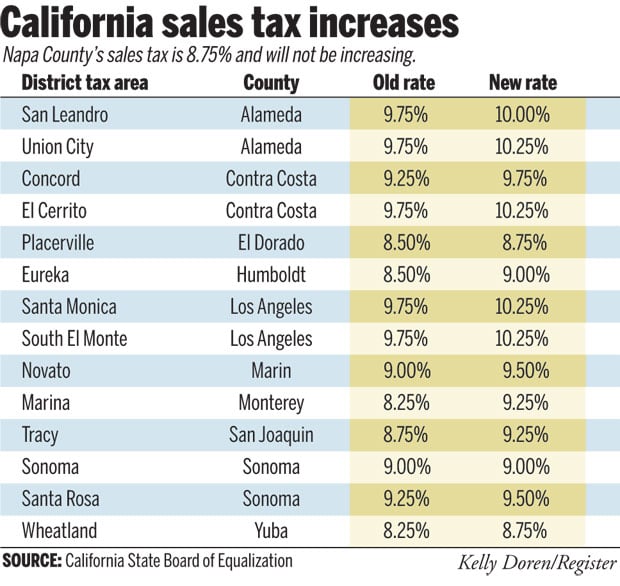
In a state as economically dynamic as California, sales tax rates and regulations can change, often due to local ballot measures. Therefore, staying informed is not merely advisable but essential for effective financial management. The California Department of Tax and Fee Administration (CDTFA) is the primary governmental resource for accurate and up-to-date information regarding sales and use tax rates, exemptions, and regulations. Their website offers comprehensive guides, rate lookups by address, and various publications.
For individuals, regularly checking the CDTFA website for updates, especially if planning a major purchase or relocating, is a sound best practice. When making purchases, scrutinizing receipts to understand the breakdown of charges, including sales tax, can prevent misunderstandings. Businesses, on the other hand, often rely on accounting software that automatically calculates sales tax, but even then, periodic verification against official sources is crucial for compliance. Incorporating a realistic sales tax estimate into all budgeting processes, whether for a daily coffee or a significant investment, transforms sales tax from a hidden cost into a transparent and manageable component of your California lifestyle. By remaining diligent and informed, residents and visitors alike can navigate California’s sales tax system with confidence, ensuring their financial decisions align perfectly with their desired way of life.
LifeOutOfTheBox is a participant in the Amazon Services LLC Associates Program, an affiliate advertising program designed to provide a means for sites to earn advertising fees by advertising and linking to Amazon.com. Amazon, the Amazon logo, AmazonSupply, and the AmazonSupply logo are trademarks of Amazon.com, Inc. or its affiliates. As an Amazon Associate we earn affiliate commissions from qualifying purchases.