
Navigating tax obligations can often feel like a complex journey, particularly for individuals embracing a dynamic, mobile lifestyle. Whether you’re a digital nomad exploring the world, an expat living abroad, or simply someone who frequently travels for business or pleasure, understanding where to send your California tax return is a crucial piece of your financial puzzle. This guide delves into the specifics, framed within the context of a modern lifestyle, ensuring compliance without compromising your freedom to live and work from anywhere.
Navigating Tax Obligations for the Mobile Lifestyle
For many with a flexible lifestyle, the concept of a fixed home base is becoming increasingly fluid. This mobility, while enriching, introduces unique challenges, particularly concerning state tax residency. California, with its robust economy and often significant tax implications, requires careful consideration for anyone with ties to the state. Your lifestyle choices — where you spend your time, where your primary domicile is, and even where your business operations are centered — directly influence your tax residency status and, consequently, where your tax return must be filed and sent.
Defining California Residency for Tax Purposes
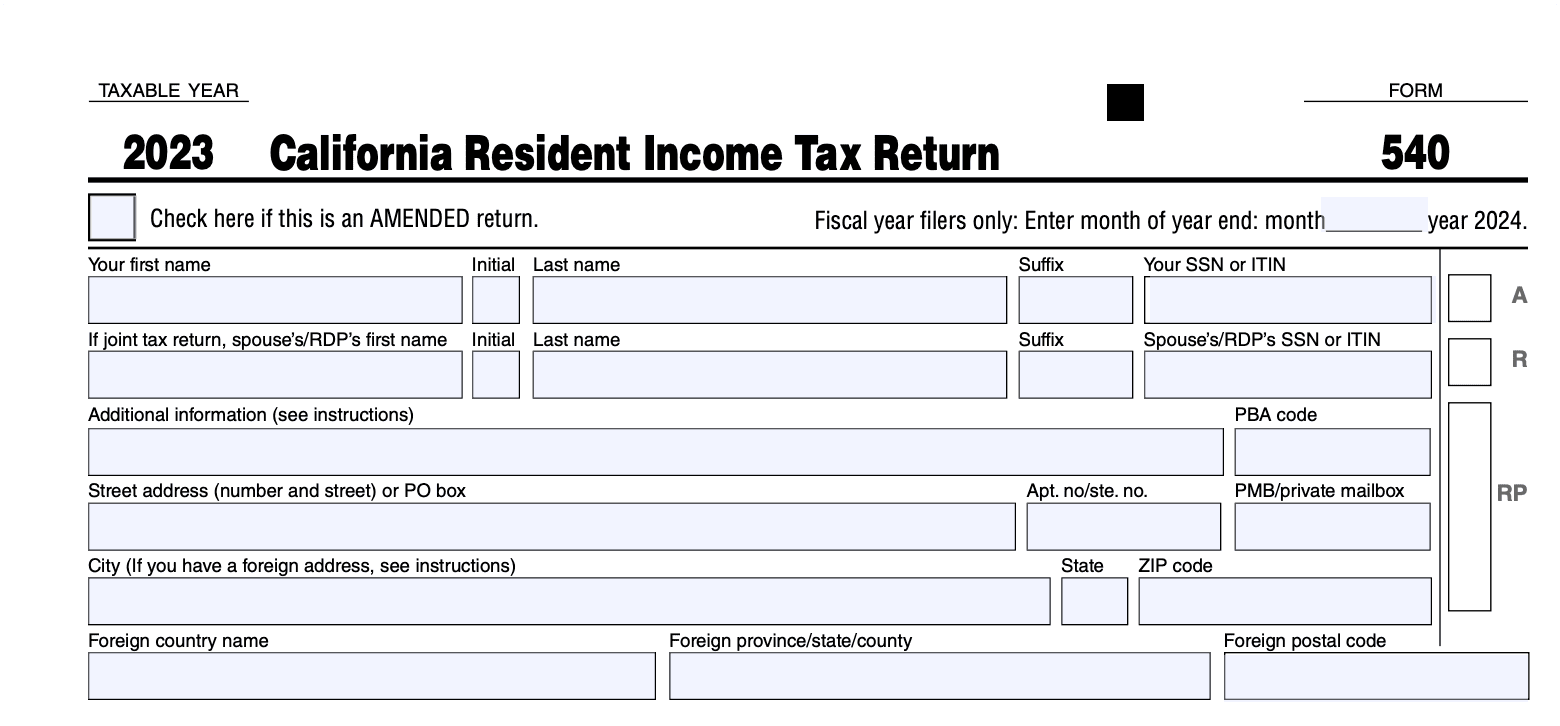
The question of “where to send” fundamentally depends on your residency status. California defines a resident for tax purposes as any individual who is in California for other than a temporary or transitory purpose, or any individual domiciled in California who is outside California for a temporary or transitory purpose. This distinction is critical for digital nomads, remote workers, and expats. For instance, if you maintain your domicile (the place you intend to return to) in California but spend most of your year traveling, you might still be considered a California resident. Conversely, if you move out of state with the intent to establish a new permanent home elsewhere, even if you return for visits, your residency status may change. The Franchise Tax Board (FTB) looks at a variety of factors to determine residency, including the location of your family, real property, bank accounts, and professional licenses. Understanding these nuances is the first step to accurately determining your filing obligations.
The Impact of Remote Work and Location Independence
The rise of remote work has empowered countless professionals to achieve true location independence. However, this freedom comes with tax complexities. If your employer is based in California, but you perform your work from another state or country, you might still have a California sourcing for your income, potentially requiring you to file a non-resident return. Similarly, if you are a freelancer or business owner operating globally, but your business entity is registered in California or you spend significant time conducting business within the state, you’ll need to account for California income and potentially business taxes. The “where to send” question then becomes intertwined with careful income sourcing and allocation, ensuring that your mobile lifestyle does not lead to unexpected tax liabilities.
The Essentials: Addresses for Your California Tax Return
Once you’ve determined your filing obligations based on your lifestyle and residency status, the practical matter of where to mail your return comes into play. The Franchise Tax Board manages all state income tax returns, and specific mailing addresses vary depending on the type of return and whether you are enclosing a payment. Always remember to check the official FTB website (ftb.ca.gov) for the most current information for the specific tax year you are filing, as addresses can change.
Filing Your California Individual Income Tax Return
For individual taxpayers, the mailing address largely depends on whether you are remitting a payment with your return. This distinction helps the FTB process payments and returns efficiently.
-
For Returns with Payment Enclosed: If you are sending your Form 540 (or 540 2EZ) and owe taxes, the payment should accompany your return. The mailing address typically directs to a specific processing center that handles payments. For instance, for a common tax year, the address might be:
Franchise Tax Board
P.O. Box 942867
Sacramento, CA 94267-0001
This ensures your payment is correctly attributed to your account and processed promptly. -
For Returns with No Payment Due or a Refund: If you are filing your Form 540 (or 540 2EZ) and either have no tax due or are expecting a refund, a different P.O. Box is generally used. This streamlines the processing of returns that do not involve immediate financial transactions. An example mailing address could be:
Franchise Tax Board
P.O. Box 942840
Sacramento, CA 94240-0002
It is imperative to double-check these specific P.O. Box numbers on the FTB’s official instructions for your filing year, as they are subject to updates. -
Estimated Tax Payments (Form 540-ES): If your lifestyle involves self-employment or other income not subject to withholding, you may need to make estimated tax payments throughout the year. These payments have their own specific mailing address if you choose to mail them:
Franchise Tax Board
P.O. Box 942867
Sacramento, CA 94267-0001
However, many taxpayers with mobile lifestyles find electronic payment methods far more convenient, eliminating the need for physical mailing.
Business and Other Tax Returns
For entrepreneurs and small business owners whose lifestyle involves operating a business, California also requires various business tax filings. These can include corporate income tax (Form 100), partnership returns (Form 565), or limited liability company returns (Form 568). Each of these forms, depending on whether a payment is enclosed, will have specific mailing addresses. The general principle remains: check the form’s instructions for the precise P.O. Box. The FTB website is the definitive source for these details, ensuring that even complex business tax scenarios are handled correctly regardless of your physical location when filing.
Beyond the Mailbox: Electronic Filing and Modern Convenience
For the contemporary individual with a global or highly mobile lifestyle, relying solely on postal services for tax filing can introduce unnecessary stress and logistical hurdles. Electronic filing (e-filing) offers a superior alternative, providing speed, security, and convenience that aligns perfectly with a flexible way of life.
Advantages of E-Filing for Busy Lifestyles
E-filing your California tax return through authorized software or the FTB’s online services offers a multitude of benefits, especially for those who are frequently on the move:
- Speed and Confirmation: E-filed returns are processed much faster than paper returns. You receive immediate confirmation that your return has been successfully submitted and accepted, eliminating the anxiety of a lost or delayed mail item. This is particularly valuable when filing from a remote location with unreliable postal services.
- Error Reduction: Tax software guides you through the process, performing calculations and flagging common errors. This significantly reduces the likelihood of mistakes that could lead to delays or audits, a significant peace of mind for those managing their affairs from a distance.
- Access from Anywhere: As long as you have internet access, you can prepare and file your taxes from any corner of the globe. This flexibility is a cornerstone of the digital nomad and expat lifestyle, allowing you to meet your obligations without being tied to a physical location or specific office hours.
- Faster Refunds: If you’re due a refund, e-filing combined with direct deposit ensures you receive your funds much quicker than waiting for a paper check.
Utilizing Online Resources and Payment Options
The Franchise Tax Board provides robust online resources that complement e-filing, making tax management seamless for a modern lifestyle:
- FTB Website: The official ftb.ca.gov website is an invaluable hub. Here, you can find the most up-to-date forms, instructions, publications, and specific mailing addresses. It also offers tools to check your refund status, make payments, and access your account information securely.
- Web Pay: The FTB’s Web Pay service allows you to make direct payments from your checking or savings account. This is ideal for those who e-file but owe taxes, as it eliminates the need to mail a physical check. You can schedule payments in advance, providing control and flexibility over your finances.
- Credit Card Payments: For added convenience, the FTB also facilitates tax payments via credit card through approved third-party vendors. While a convenience fee typically applies, this option can be beneficial for managing cash flow, especially for those whose income streams might vary throughout the year.
Key Considerations for a Smooth Tax Season
For individuals whose lifestyle involves frequent changes in location or an international presence, proactive tax planning is essential to ensure a smooth and stress-free tax season. Understanding deadlines, extension options, and efficient record-keeping practices can significantly mitigate potential complications.
Deadlines and Extensions for Travelers and Expats
While the standard tax filing deadline for California generally mirrors the federal deadline (typically April 15th), individuals living or traveling abroad often qualify for automatic extensions. If you are a U.S. citizen or resident alien residing outside the U.S. and Puerto Rico, or serving in the military outside the U.S. and Puerto Rico, you are usually granted an automatic two-month extension to file your California return. This extends the deadline to June 15th. However, this extension to file does not extend the time to pay any tax due. If you expect to owe tax, you should estimate and pay by the original April deadline to avoid penalties and interest. Further extensions may be available upon request, but it’s crucial to understand these rules to avoid unexpected financial burdens while living your dynamic lifestyle.
Maintaining Records While on the Move
One of the biggest challenges for individuals with a mobile lifestyle is organized record-keeping. Whether you’re moving between different temporary residences, crossing international borders, or simply working from various co-working spaces, paper documents can be cumbersome and easily misplaced. Adopting a digital-first approach to your financial records is not just convenient; it’s practically essential:
- Cloud Storage: Utilize secure cloud storage services for all your important tax documents, receipts, and financial statements. Services like Google Drive, Dropbox, or OneDrive allow you to access your files from anywhere with an internet connection.
- Scanning Apps: Use smartphone apps to scan receipts and documents immediately, converting them into digital files. This eliminates the need to carry physical paper and ensures that deductible expenses are not overlooked.
- Dedicated Email Folder: Create a specific email folder for tax-related communications and confirmations.
- Regular Backups: Even with cloud storage, periodically back up your digital tax files to an external hard drive or another secure service to ensure data redundancy.
This diligent approach to record-keeping not only simplifies the filing process but also provides peace of mind, knowing that your financial history is secure and accessible, no matter where your lifestyle takes you.
Seeking Professional Guidance
Given the complexities of state tax residency and income sourcing for mobile individuals, seeking advice from a qualified tax professional is often a prudent decision. Tax laws, particularly those concerning multi-state or international residency, can be intricate and subject to interpretation. A professional specializing in expat or multi-state taxation can provide tailored guidance, help you optimize your tax strategy, and ensure full compliance with California tax laws, allowing you to focus on enjoying your unique lifestyle without the added worry of tax missteps. They can clarify your specific filing requirements, assist with residency determinations, and navigate the intricacies of where and how to send your California tax return effectively.
LifeOutOfTheBox is a participant in the Amazon Services LLC Associates Program, an affiliate advertising program designed to provide a means for sites to earn advertising fees by advertising and linking to Amazon.com. Amazon, the Amazon logo, AmazonSupply, and the AmazonSupply logo are trademarks of Amazon.com, Inc. or its affiliates. As an Amazon Associate we earn affiliate commissions from qualifying purchases.