
Embarking on a journey from the heart of Texas to the Emerald City involves crossing a significant expanse of the United States. The flight duration from Dallas to Seattle is a primary concern for many travelers, whether planning a business trip, a leisurely vacation, or a visit to friends and family. While the physical distance is substantial, modern aviation technology ensures that this transcontinental flight remains a manageable part of any travel itinerary. Understanding the typical flight times, factors influencing them, and how to optimize your journey can transform a potentially long haul into a smooth and efficient experience.

Direct Flight Durations: The Most Common Scenario
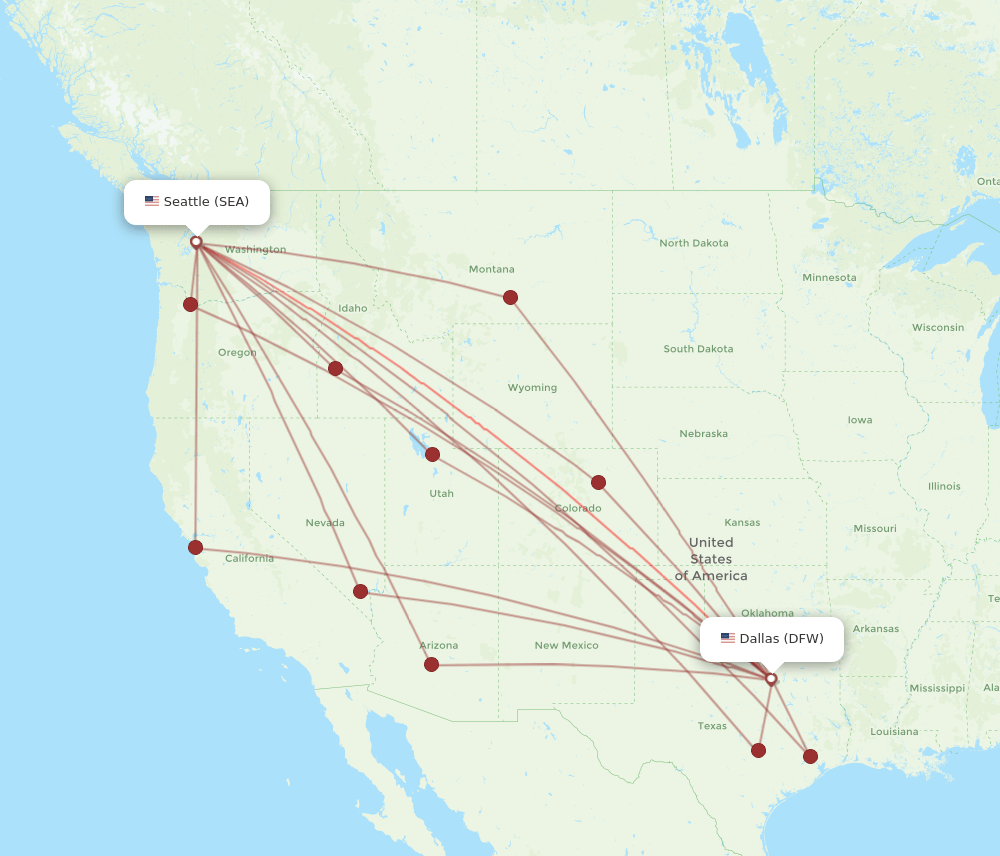
For those seeking the most expedient travel, direct flights are the preferred option. These flights bypass layovers, taking you directly from Dallas/Fort Worth International Airport (DFW) to Seattle-Tacoma International Airport (SEA). The average flight time for a non-stop journey between these two major hubs typically ranges from 3 hours and 45 minutes to 4 hours and 30 minutes. This figure represents the actual time spent airborne. It’s important to differentiate this from the total travel time, which will include pre-flight procedures such as check-in, security screening, and boarding, as well as post-flight deplaning and baggage claim.
Several factors contribute to the slight variations within this timeframe:
- Tailwinds and Headwinds: The direction and strength of the jet stream play a crucial role. Flying eastbound generally benefits from tailwinds, shortening flight times, while westbound flights might encounter headwinds, extending them. Since this route is largely westward, headwinds are more common, pushing the flight time towards the higher end of the average.
- Aircraft Type: Different aircraft have varying cruising speeds. Larger, more modern jets often fly at higher altitudes and faster speeds, potentially shaving a few minutes off the journey.
- Air Traffic Control and Flight Paths: Optimized flight paths are determined by air traffic control to ensure safety and efficiency. Minor deviations or adherence to specific routes can influence the overall flight duration.
Airlines such as American Airlines and Alaska Airlines frequently operate direct services on this route, offering a range of flight schedules to accommodate various travel needs. Booking a direct flight is generally the most efficient way to cover the approximately 1,300-mile (2,092 km) distance.
Booking Direct: Maximizing Efficiency
When searching for flights, selecting the “non-stop” or “direct” option is key. While these flights might sometimes carry a slight premium compared to those with layovers, the time saved is often well worth the difference, especially for travelers on a tight schedule. Always check the specific flight details provided by the airline, as advertised flight times are usually block-to-block, meaning from the moment the aircraft pushes back from the gate until it arrives at the gate at the destination.
Flights with Layovers: Understanding Extended Travel Times
While direct flights are common and convenient, flights with one or more layovers are also available, often presenting a more budget-friendly option. These journeys naturally extend the total travel time considerably. The duration of a flight from Dallas to Seattle with a layover is highly variable and depends primarily on:
- Layover Duration: This is the most significant factor. A short layover of 1-2 hours might only add an hour or two to the total trip, while a longer layover of 4-6 hours or more can turn a relatively short flight into an all-day affair.
- Layover Location: The airport where the layover occurs also influences travel time. Some connecting cities might involve longer taxi times between gates or necessitate navigating larger, more complex airport layouts. Common connecting hubs for this route include cities like Denver, Phoenix, or even Chicago, depending on the airline.
- Number of Layovers: Flights with two or more layovers will, by definition, take longer than those with a single stop.
A flight with a single, moderately timed layover could result in a total travel time of 6 to 10 hours. If you opt for a flight with a very long layover, perhaps to take a break, visit a city briefly, or simply to find a cheaper fare, the total journey could easily exceed 12 hours.
Evaluating Layover Options
When considering flights with layovers, it’s crucial to look beyond just the ticket price.
- Total Travel Time: Ensure the advertised total travel time is acceptable for your needs. A “total travel time” of 9 hours might include a 3-hour layover, whereas a similar price might offer a flight with a 5-hour layover, making the actual time in the air and on the ground significantly longer.
- Airport Quality: Some airports offer better amenities for longer layovers, with more dining options, comfortable seating areas, and even lounges. Researching the connecting airport can help make the extended wait more bearable.
- Airline Alliance: If you are collecting miles or have elite status with a particular airline alliance, choosing a connecting flight operated by a partner airline within that alliance can still offer benefits.
For travelers who don’t mind breaking up their journey or are prioritizing cost savings, layover flights can be a viable alternative. However, for maximum efficiency and a quicker arrival in Seattle, direct flights are generally superior.

Factors Affecting Flight Times: Beyond the Direct Route
Beyond the fundamental difference between direct and connecting flights, several other variables can subtly impact the time it takes to fly from Dallas to Seattle. These are often less controllable by the traveler but are integral to understanding flight schedules.
Weather Conditions
While weather in Dallas or Seattle at the departure or arrival times might cause delays, it’s often the weather systems encountered en route that have the most significant impact on flight duration. Severe thunderstorms, strong crosswinds, or areas of turbulence can prompt pilots to alter flight paths, leading to longer flight times. Conversely, favorable atmospheric conditions can sometimes allow for more direct routing or higher cruising altitudes, subtly reducing flight time.
Time of Day and Day of Week
Flights scheduled during peak travel times, such as early morning or late afternoon, may experience slightly longer durations due to increased air traffic congestion at both departure and arrival airports. Similarly, flights operating on busy travel days, like Fridays and Sundays, might be subject to more holding patterns or slower taxiing procedures. While the impact is usually minor, it can contribute to the overall travel experience.
Seasonal Considerations
While the route between Dallas and Seattle doesn’t typically face the extreme weather disruptions of some other routes (like those heavily impacted by winter snowstorms), seasonal weather patterns can still play a role. For instance, the spring can bring more frequent thunderstorms to the plains states that often lie along the flight path, potentially causing minor delays or reroutes.
Aircraft Maintenance and Ground Delays
Although not directly related to flight time once airborne, it’s worth noting that operational factors such as aircraft maintenance issues or ground delays at the departure gate can add to the overall travel time from leaving your starting point to arriving at your destination. Airlines strive to minimize these, but they are an inherent part of air travel.
Planning Your Travel to Seattle
When planning your trip from Dallas to Seattle, consider the following to ensure your journey is as efficient and comfortable as possible:
Choosing Your Flight
- Direct Flights: For the quickest journey, prioritize non-stop flights. These will typically range from 3 hours and 45 minutes to 4 hours and 30 minutes airborne.
- Connecting Flights: If cost is a primary driver, research flights with layovers. Be sure to carefully scrutinize the total travel time, including layover duration, to ensure it aligns with your schedule.
- Airline Choice: Different airlines may offer varying flight schedules and onboard amenities. Consider factors like baggage allowances, in-flight entertainment, and loyalty programs when making your selection. American Airlines and Alaska Airlines are major carriers on this route.
Preparing for Your Flight
- Airport Arrival: For domestic flights, it is generally recommended to arrive at Dallas/Fort Worth International Airport (DFW) at least two hours before departure, and at Seattle-Tacoma International Airport (SEA) one and a half to two hours before departure for connecting flights. This allows ample time for check-in, security, and reaching your gate without rushing.
- Carry-on Luggage: Familiarize yourself with airline restrictions on carry-on baggage size and weight to avoid last-minute repacking at the airport.
- In-Flight Comfort: For a flight of this duration, consider packing essentials like a book, headphones, a neck pillow, and snacks. Staying hydrated is also important, so bring an empty water bottle to fill after passing through security.
By understanding the typical flight durations and the factors that can influence them, you can better plan your travel from Dallas to Seattle, ensuring a smooth and predictable journey to your destination.
LifeOutOfTheBox is a participant in the Amazon Services LLC Associates Program, an affiliate advertising program designed to provide a means for sites to earn advertising fees by advertising and linking to Amazon.com. Amazon, the Amazon logo, AmazonSupply, and the AmazonSupply logo are trademarks of Amazon.com, Inc. or its affiliates. As an Amazon Associate we earn affiliate commissions from qualifying purchases.