
Navigating time zones can often be a minor inconvenience for travelers, but Arizona presents a unique situation that, while seemingly complex, is quite straightforward once understood. For anyone planning a trip to the Grand Canyon State, from the bustling streets of Phoenix and Tucson to the breathtaking vistas of the Grand Canyon National Park, understanding local time is crucial for seamless travel. This guide delves into Arizona’s distinctive approach to time, its implications for travelers, and practical tips to ensure your visit is perfectly timed.
Understanding Arizona’s Unique Time Zone Status
Arizona operates predominantly on Mountain Standard Time (MST) year-round. What makes this peculiar is that while most states observing Mountain Standard Time switch to Mountain Daylight Time (MDT) during the warmer months, Arizona largely does not. This adherence to a single time setting throughout the year has significant implications for residents and, more importantly, for travelers.

The Lack of Daylight Saving Time
The primary reason for Arizona’s unique time zone status is its decision to opt out of Daylight Saving Time. In 1968, the state legislature decided not to observe Daylight Saving Time, primarily due to its intense summer heat. The argument was that extending daylight into the evening hours would only increase energy consumption for air conditioning, as people would be awake and active longer during the hottest parts of the day.
This means that from early March to early November, when most of the United States observes Daylight Saving Time and “springs forward” an hour, Arizona stays put. During this period, Arizona’s time aligns with Pacific Daylight Time (PDT), which is UTC-7. However, it’s essential to remember that it’s still officially Mountain Standard Time (MST), which is also UTC-7. This often leads to confusion, as someone might incorrectly assume Arizona is on Pacific Time for half the year, when it is simply observing a consistent Standard Time that happens to match the clocks of its Pacific Daylight Time neighbors during summer.
From early November to early March, when other states “fall back” to Standard Time, Arizona remains on Mountain Standard Time (UTC-7). During this winter period, Arizona is one hour behind states observing Mountain Standard Time (like Colorado or Utah), and two hours ahead of states observing Pacific Standard Time (like California or Nevada).
The Navajo Nation Exception
Adding another layer to this already unique situation is the Navajo Nation. Spanning parts of Arizona, Utah, and New Mexico, the Navajo Nation does observe Daylight Saving Time. This means that during Daylight Saving Time months, the Navajo Nation within Arizona is an hour ahead of the rest of the state.
For instance, if it’s 2 PM in Phoenix (MST), it would be 3 PM in the Navajo Nation parts of Arizona (MDT). This is particularly relevant for travelers visiting popular destinations like Monument Valley or Antelope Canyon, which are located within the Navajo Nation. It’s crucial to be aware of this time difference when booking tours or making appointments within these areas. The Hopi Reservation, which is entirely surrounded by the Navajo Nation within Arizona, does not observe Daylight Saving Time, mirroring the rest of Arizona. This creates a fascinating “time island” within the state.
Impact on Travel Planning and Logistics
The consistent Mountain Standard Time in most of Arizona simplifies some aspects of travel but complicates others, especially during the Daylight Saving Time months (March to November).
Flight Schedules and Connections
When booking flights to or from Arizona, flight times will always be listed in local time. During Daylight Saving Time, if you’re flying from a state that observes DST, you’ll effectively “gain” an hour upon arrival in Arizona compared to your departure time, and “lose” an hour upon departure from Arizona when flying back to a DST state. This can be a pleasant surprise for arrivals but requires careful attention for departures to avoid missing a flight. Always double-check your itinerary and local time settings on your devices.
Coordinating Activities and Tours
Many popular tourist activities, such as Grand Canyon helicopter tours, Sedona jeep tours, or Phoenix hot air balloon rides, operate on strict schedules. If you’re traveling from a region observing Daylight Saving Time, remember that Arizona will be one hour behind your usual time during those months. This means an 8:00 AM tour in Arizona might feel like 9:00 AM to your body clock.
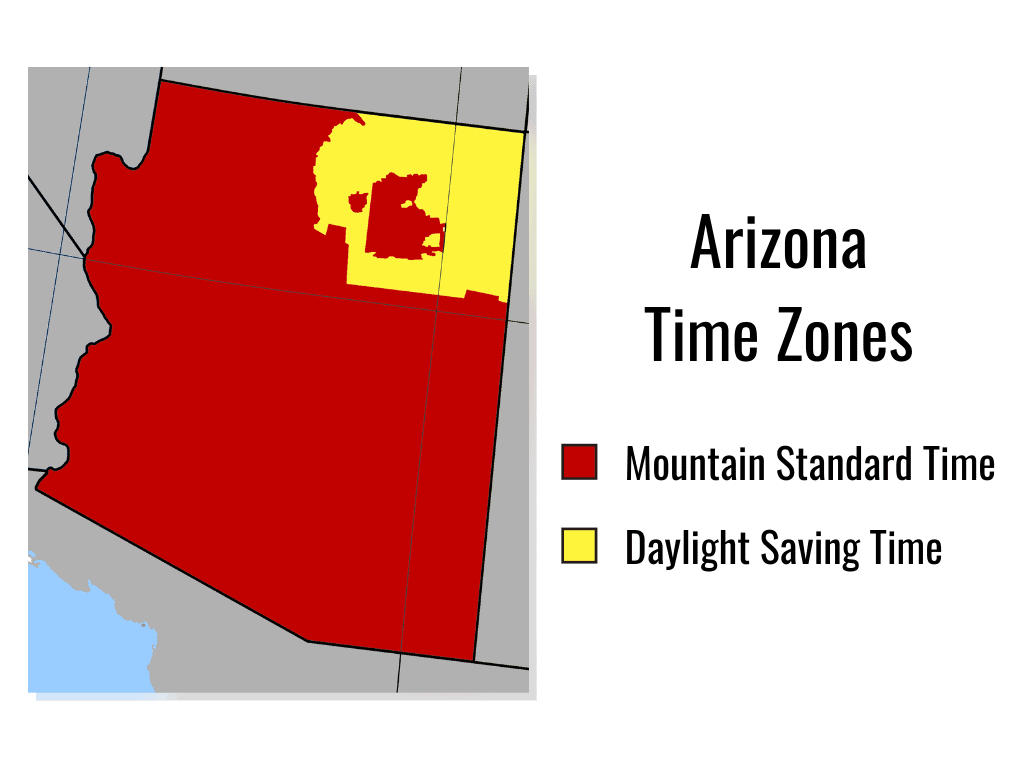
The Navajo Nation exception is particularly critical here. If you’re booking a tour for Antelope Canyon or Monument Valley, remember these are often located within the Navajo Nation and will observe Daylight Saving Time. So, if your hotel in Page (Arizona) is on MST, and your Antelope Canyon tour is at 9 AM, you’ll need to account for the hour difference if it’s during Daylight Saving Time. Your 9 AM tour might require you to leave your Page hotel at 8 AM MST to arrive on time for the 9 AM MDT tour. Always confirm the local time zone with tour operators when booking.
Business and Communication Across Time Zones
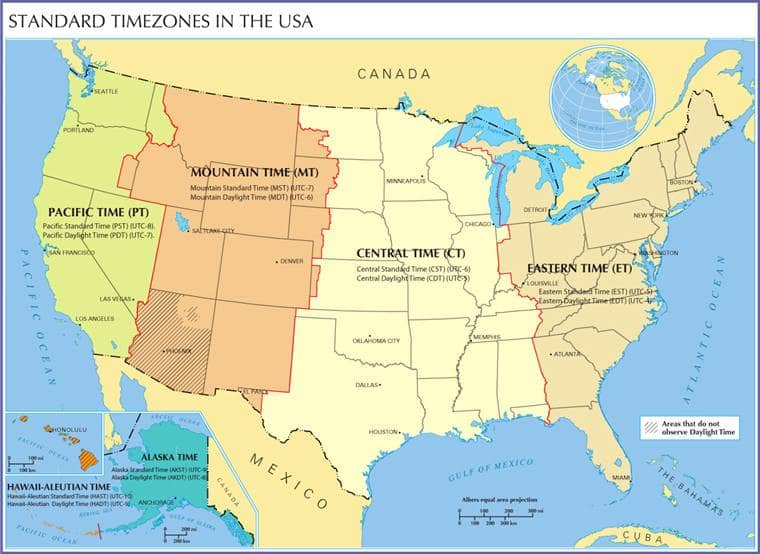
For business travelers or those needing to communicate with individuals outside Arizona, understanding the state’s time zone behavior is paramount. During the summer months, Arizona effectively shares a time zone with California and Nevada (PDT), making West Coast communication straightforward. However, it will be two hours behind the Central Time Zone and three hours behind the Eastern Time Zone. In the winter, Arizona aligns with Mountain Standard Time and is one hour ahead of the Pacific Standard Time states. Always use a reliable world clock or time zone converter for critical business calls and virtual meetings.
Practical Tips for Travelers to Arizona
Avoiding time-related mishaps during your Arizona adventure is simple with a few proactive measures.
Always Confirm Local Time
Before arriving, during your stay, and especially when planning to visit the Navajo Nation, verify the local time. Your smartphone and computer should automatically adjust, but manual verification is always recommended. If you’re using a rental car, ensure its clock is set correctly. Tour operators are usually very good about clarifying time zones, but a quick question during booking or confirmation can save stress.
Adjusting Your Devices
Most modern smartphones and smartwatches are designed to automatically update their time zone based on your location. Ensure your device’s “Set Automatically” or “Automatic Time Zone” feature is enabled. However, it’s wise to double-check against a known local clock or by simply asking a local resident. For older devices or non-smart clocks, manual adjustment might be necessary. Keep a separate, non-adjusting travel clock set to your home time zone if you need to keep track of both.
Planning Ahead for Multi-State Trips
If your itinerary includes visiting neighboring states like Utah, Nevada, or California, be acutely aware of crossing state lines during Daylight Saving Time. For example, driving from Las Vegas (Nevada, PDT during summer) to the Grand Canyon (Arizona, MST, which aligns with PDT) is seamless. However, driving from the Grand Canyon into Utah (MDT during summer, an hour ahead of Arizona) will mean you “lose” an hour. Planning your arrival and departure times for attractions across state borders is critical.
Embracing the Arizona Pace
Far from being an inconvenience, Arizona’s consistent time zone, especially during the longer daylight hours of summer, can be a delightful aspect of your travel experience.
Enjoying the Extended Daylight Hours
When most of the country “springs forward” for Daylight Saving Time, Arizona’s decision to remain on Mountain Standard Time means sunsets occur an hour earlier than they would if DST were observed. This might sound counterintuitive to “extended daylight,” but it means the hottest part of the day passes sooner, and evenings cool down earlier. For summer travelers, this means you can start your day’s activities in cooler temperatures and enjoy stunning, earlier sunsets, which are a hallmark of the desert landscape. It allows for a more natural rhythm, optimizing outdoor activities before the intense midday heat and enjoying twilight more comfortably.
A Unique Aspect of the Grand Canyon State
The Arizona time zone story is more than just a logistical detail; it’s a reflection of the state’s unique character and priorities. Its choice to opt out of Daylight Saving Time is deeply rooted in local climate considerations and a desire for consistency. For travelers, understanding this quirk enriches the experience, transforming a potential point of confusion into an interesting cultural note. It encourages a mindful approach to planning and an appreciation for the subtle differences that make each travel destination distinct. Embrace the consistent pace, double-check your clocks, and you’ll find that Arizona’s time is perfectly set for an unforgettable adventure.
LifeOutOfTheBox is a participant in the Amazon Services LLC Associates Program, an affiliate advertising program designed to provide a means for sites to earn advertising fees by advertising and linking to Amazon.com. Amazon, the Amazon logo, AmazonSupply, and the AmazonSupply logo are trademarks of Amazon.com, Inc. or its affiliates. As an Amazon Associate we earn affiliate commissions from qualifying purchases.