
For many visitors exploring the scenic routes and vibrant cities of California, understanding local traffic laws is as crucial as knowing the best attractions. Among the various regulations, red light cameras often spark questions and even apprehension. Are they a legitimate enforcement tool, or do they exist in a legal grey area within the Golden State? For tourists navigating unfamiliar streets, clarity on this issue can mean the difference between an enjoyable trip and an unexpected, costly souvenir in the form of a traffic citation. This guide delves into the legal status, operational nuances, and practical advice concerning red light cameras for anyone driving through California’s diverse landscapes.
Understanding Red Light Cameras in the Golden State
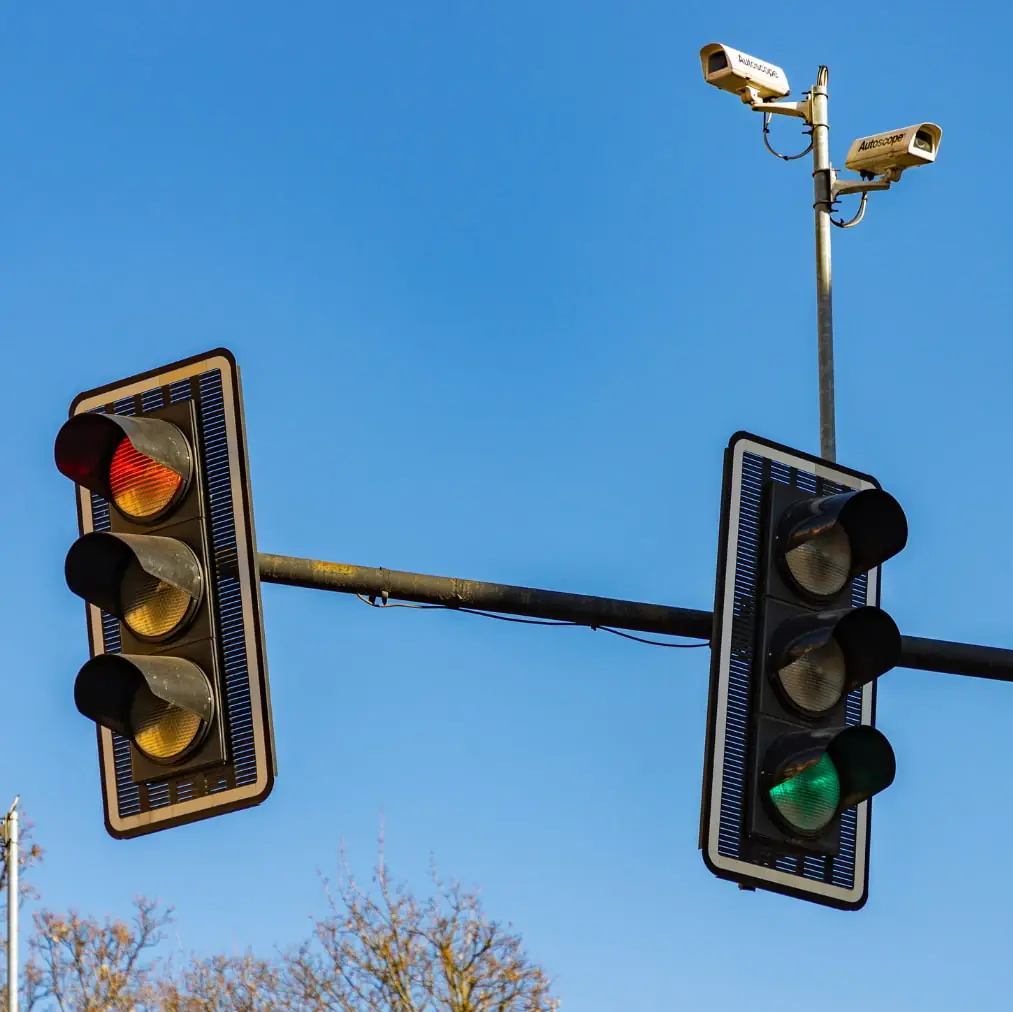
Red light cameras, also known as automated traffic enforcement systems, are electronic devices positioned at intersections to detect vehicles that proceed through a red traffic signal. These systems typically capture images or video of the vehicle, its license plate, and sometimes the driver, serving as evidence for issuing a citation. For tourists, encountering these cameras can be a source of anxiety, particularly given differing regulations across states and even within various California municipalities.
The Technology Behind the Ticket
At their core, red light camera systems utilize a combination of sensors and cameras. When a vehicle crosses a stop line or enters an intersection after the traffic light has turned red, the sensors trigger the cameras. Multiple images or a short video clip are usually recorded, documenting the violation. These typically include:
- An image showing the vehicle before the stop line with the red light clearly visible.
- An image showing the vehicle in the middle of the intersection with the red light still visible.
- A close-up of the vehicle’s license plate.
- In some systems, a video clip of the entire incident.
The data collected is then reviewed by law enforcement personnel before a citation is mailed to the registered owner of the vehicle. For tourists driving rental cars, this can sometimes lead to delays or additional fees from the rental company, who will often forward the ticket and charge an administrative fee.
How They Impact Your California Visit
The presence of red light cameras influences driving behavior and can pose specific considerations for visitors. While intended to improve safety by deterring red light running, they can also contribute to sudden braking if drivers are overly cautious, potentially leading to rear-end collisions. For those unfamiliar with local intersection layouts, or perhaps distracted by navigation or the beauty of California’s scenery, inadvertently running a red light caught on camera can be an unwelcome surprise long after they’ve returned home. Understanding where these cameras are prevalent and how they operate is a crucial aspect of responsible tourism. It also impacts the perception of local authority and the overall driving experience, making it vital for travelers to be well-informed.
The Legal Landscape: California’s Stance
The question of legality surrounding red light cameras in California is not as straightforward as a simple “yes” or “no.” While the state permits their use, their implementation is subject to strict guidelines and has faced numerous legal challenges. This complex legal framework is what often causes confusion for residents and tourists alike.
State Law vs. Local Ordinances
California Vehicle Code Section 21455.5 broadly authorizes cities and counties to use automated enforcement systems for red light violations. However, this authorization comes with specific requirements that local jurisdictions must adhere to. These include:
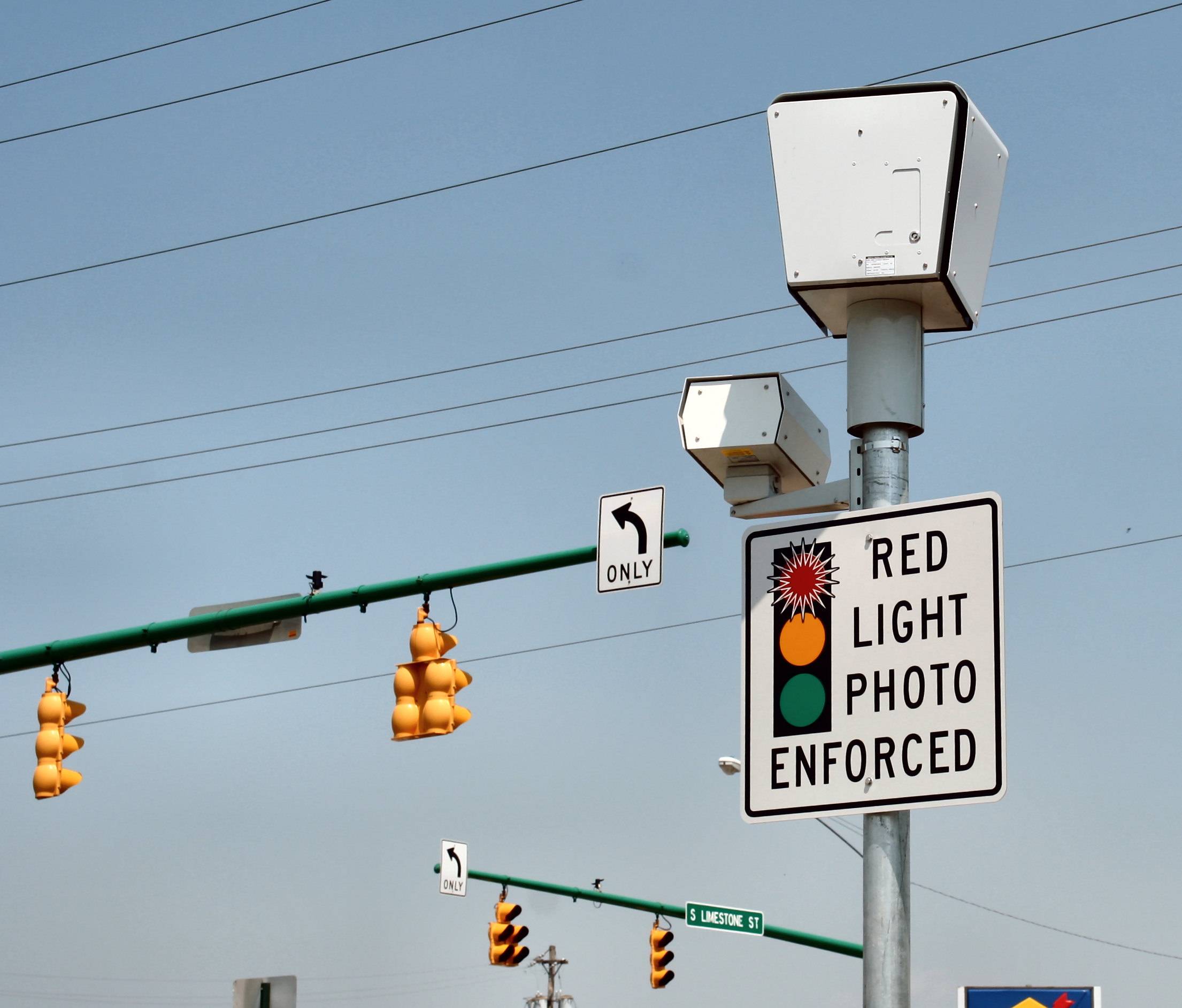
- Warning Signs: Clearly visible signs must be posted at intersections equipped with cameras, informing drivers of their presence.
- Yellow Light Timing: The yellow light interval at camera-enforced intersections must meet minimum duration standards, often based on speed limits, to give drivers sufficient time to react.
- Officer Review: All photographic and video evidence must be reviewed by a human law enforcement officer before a citation is issued. The system cannot automatically issue tickets.
- Data Collection: Local agencies must collect and report data on the effectiveness of the cameras, including collision rates, to the state.
Despite state authorization, the decision to implement and maintain red light cameras rests with individual cities and counties. This has led to a patchwork of enforcement: some cities, like parts of Los Angeles County, actively use them, while others, such as Santa Ana and San Jose at various points, have opted to remove them due to cost, public outcry, or perceived ineffectiveness. This localized discretion is why a tourist might encounter cameras frequently in one part of California and rarely in another.
Key Legal Challenges and Rulings
Red light cameras have been a hotbed for legal debate in California. Challenges have often centered on issues such as:
- Due Process: Arguments have been made that relying solely on photographic evidence without a human witness violates a driver’s right to confront their accuser. However, courts have generally upheld that the officer reviewing the evidence serves this purpose.
- Accuracy and Calibration: Defense attorneys often question the accuracy of the camera systems and the maintenance of their calibration.
- Yellow Light Timing: Some lawsuits have alleged that cities deliberately shortened yellow light times to increase revenue, an accusation that, if proven, could invalidate tickets issued.
- “Phantom Driver” Defense: A common defense is that the registered owner was not the driver at the time of the infraction, which can be particularly relevant for rental cars or vehicles shared among family members. California law places the burden of proof on the prosecution to show the registered owner was indeed the driver. This is a key point, as it’s typically the driver, not the vehicle owner, who is liable for traffic violations. If the picture doesn’t clearly identify the driver, contesting the ticket becomes more viable.
Organizations like the American Civil Liberties Union (ACLU) have also voiced concerns regarding privacy and the potential for these systems to disproportionately affect certain communities. While courts have largely affirmed the legality of red light cameras themselves when implemented according to California law, individual citations can often be successfully contested based on procedural errors or lack of conclusive driver identification.
Rights of the Driver
For a tourist receiving a red light camera ticket in California, understanding their rights is paramount.
- Right to Review Evidence: Drivers have the right to view the photos and video evidence against them. This is often available online or by request from the issuing agency.
- Right to Contest: Every driver has the right to contest a red light camera ticket in traffic court. This is crucial if the driver believes they did not commit the infraction, if the evidence is unclear, or if there were extenuating circumstances.
- No Points on License (Typically): Unlike traditional moving violations issued by an officer, red light camera tickets (considered “non-moving” violations in this context, specific to the camera itself) typically do not result in points on a driver’s record, particularly for out-of-state or international drivers. However, the fine is still substantial.
- Identifying the Driver: As mentioned, the ticket is sent to the registered owner. If the registered owner was not the driver, they can attempt to prove this in court. This becomes complicated with rental cars, as the rental agreement may hold the renter responsible for all tickets.
What Tourists Need to Know
Navigating California’s roads can be a highlight of any trip, but a red light camera ticket can quickly sour the experience. Arming yourself with practical knowledge can help you avoid fines and handle them effectively if they do occur.
Identifying Red Light Camera Intersections
While California law requires warning signs, they can sometimes be missed, especially when driving in heavy traffic or unfamiliar areas. Here are some tips for identifying camera-enforced intersections:
- Look for Signs: Actively scan for “PHOTO ENFORCED” or “RED LIGHT PHOTO ENFORCEMENT” signs before approaching intersections. These are usually small but present.
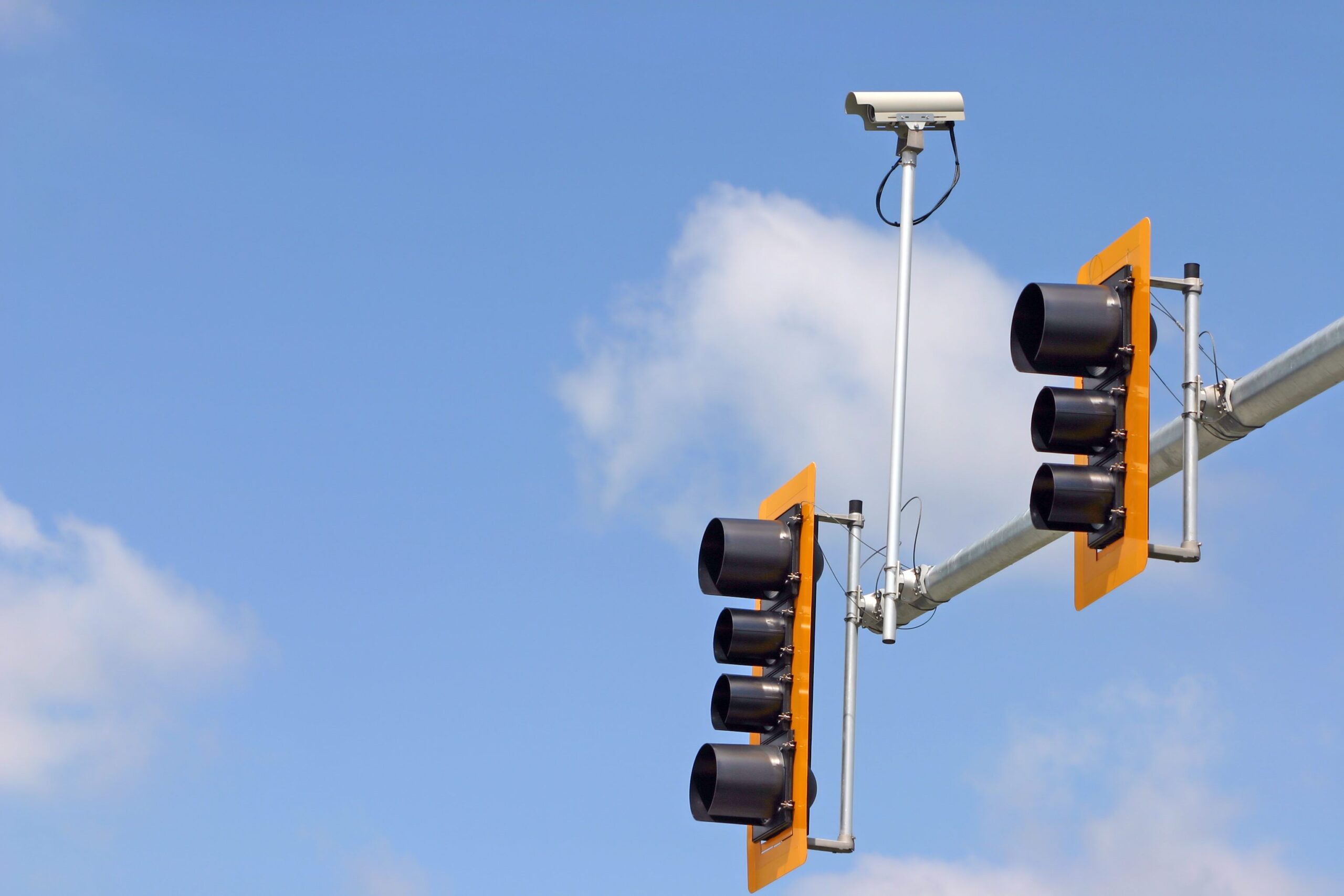
- Observe the Equipment: Red light camera units are typically mounted on poles near the traffic lights or on the corner of the intersection. They often have distinct boxes or multiple lenses.
- Online Resources: Before your trip, or even while planning routes, consider checking municipal websites for lists of camera locations in cities you plan to visit, such as Los Angeles or San Francisco. Several third-party apps and websites also crowdsource this information.
- Follow Traffic: While not foolproof, observing how local drivers approach intersections can sometimes offer clues, though relying on this solely is not advisable.
Responding to a Red Light Camera Ticket
If you receive a red light camera ticket while visiting California, or afterward:
- Do Not Ignore It: Ignoring a ticket will lead to escalating fines, potential impacts on your credit score, and for California residents, even a hold on vehicle registration or driver’s license suspension. For out-of-state or international drivers, it can lead to issues if you return to California in the future.
- Review the Evidence: Access the online portal or request the evidence (photos/video) to see if the images clearly show your vehicle, license plate, the red light, and (importantly) if you are identifiable as the driver.
- Consider Your Options:
- Pay the Fine: If the evidence is clear and you accept responsibility, paying the fine by the due date is the simplest option. Be aware that the base fine is significant, often exceeding $400, including court fees and penalties.
- Contest the Ticket: If you believe you were wrongly accused, the evidence is insufficient, or you were not the driver, you can contest the ticket in court. This typically involves submitting a written declaration or appearing in person. For out-of-state or international visitors, this can be logistically challenging, potentially requiring legal representation or a remote appearance if allowed.
- Traffic School: In some cases, and if eligible, you might be able to attend traffic school to prevent the violation from appearing on your driving record. However, as noted, red light camera tickets typically do not add points for out-of-state drivers.
Best Practices for Driving in California
To minimize your chances of receiving a red light camera ticket and ensure a smooth journey:
- Stay Alert: Always be mindful of traffic signals. Avoid distractions like cell phones or complex navigation systems.
- Anticipate Lights: As you approach intersections, observe the traffic lights ahead and be prepared to stop if the light is stale (has been green for a while) or turns yellow.
- Yellow Light Rule: In California, it is illegal to enter an intersection on a red light. If you are past the stop line when the light turns red, you are considered to have run the red light. The yellow light is your warning to clear the intersection or stop safely. Do not accelerate to “beat” a yellow light.
- Keep Your Distance: Maintain a safe following distance to allow for smooth stops without sudden braking, which can also help avoid rear-end collisions.
- Be Aware of Local Differences: Remember that enforcement can vary from city to city. What applies in San Francisco might not be the exact practice in San Diego, though the underlying state law remains consistent.
Beyond the Legality: Safety and Practical Considerations
While the legal standing of red light cameras is a primary concern, their impact on safety and the practical implications for tourists also warrant attention. These systems are part of a broader traffic management strategy aimed at enhancing road safety, but they also bring their own set of challenges.
Impact on Traffic Flow and Safety
Proponents of red light cameras argue they significantly reduce serious injury collisions caused by red light runners. By deterring such violations, they aim to make intersections safer for all road users, including pedestrians and cyclists, who are particularly vulnerable. However, critics suggest that while side-impact collisions might decrease, the cameras can lead to an increase in rear-end collisions as drivers brake abruptly to avoid a ticket. For tourists unfamiliar with California’s driving culture or road layouts, this dynamic can add an extra layer of stress, especially in high-traffic urban areas like Los Angeles or Oakland. Understanding the local driving environment, including the likely presence of these cameras, can help a visitor anticipate traffic patterns and drive more defensively.
Financial Implications for Visitors
The most immediate practical consequence of a red light camera ticket for a tourist is the financial burden. As noted, fines can easily exceed $400. For international travelers or those on a strict budget, this unexpected expense can significantly impact their travel funds. Furthermore, if driving a rental car, agencies often charge an administrative fee on top of the fine for processing and forwarding the ticket, adding another layer of cost. Being diligent about obeying traffic laws, particularly at intersections, is the simplest way to protect your wallet and ensure your travel budget is spent on enjoyable experiences rather than avoidable penalties. Early detection of cameras and adherence to traffic signals are paramount.
Navigating Different California Cities
The varying approaches to red light camera enforcement across California’s cities means that a tourist’s experience can differ significantly depending on their itinerary.
- In major metropolitan areas like Los Angeles, San Francisco, and San Diego, red light cameras are more commonly deployed at high-traffic or high-accident intersections. These cities often have complex road networks and a high volume of vehicles, making enforcement an ongoing priority. Tourists driving in these areas should be particularly vigilant.
- In smaller cities or rural areas, red light cameras may be less prevalent or entirely absent. However, this doesn’t diminish the importance of obeying all traffic laws.
Before embarking on a road trip through California, a quick check of the camera enforcement policies in your target cities can be a prudent step. While the legality of these cameras in California is generally upheld when properly implemented, awareness and caution remain a tourist’s best defense against an unforeseen traffic citation. By understanding the rules and staying vigilant, you can ensure your journey through the Golden State remains focused on discovery and enjoyment.