
The allure of owning an exotic pet, particularly a primate, captures the imagination of many. The idea of sharing one’s life with a creature as intelligent and complex as a monkey can seem appealing. However, when it comes to the state of California, the dream of primate ownership encounters a stern reality governed by stringent laws and deeply rooted ethical considerations. Understanding these regulations is crucial for anyone contemplating such a significant lifestyle choice within the Golden State.
The Strict Realities of Exotic Pet Ownership in California
California is renowned for its progressive environmental policies and robust animal welfare laws. This ethos extends powerfully to exotic animal ownership, making it one of the most restrictive states in the United States for private individuals wishing to keep wild animals as pets. The question of owning a monkey, therefore, is met with a resounding “no” for the vast majority of residents.

California’s Prohibitive Stance
Under the California Fish and Game Code, specifically Section 671, it is illegal to import, transport, or possess most species of exotic animals without a special permit. Primates, including all species of monkeys, apes, and other non-human primates, are explicitly listed as “restricted species.” This classification signifies that they are considered detrimental to the state’s native wildlife, agriculture, natural resources, or public health and safety. The law is designed to prevent ecological disruption, protect native wildlife from disease and competition, and ensure public safety from potentially dangerous animals.
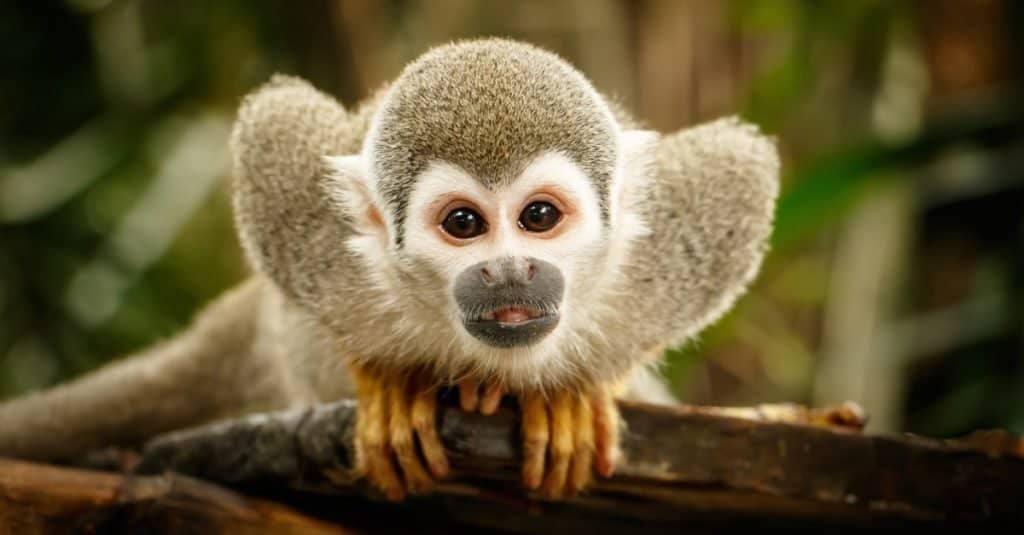
This blanket prohibition means that for the average Californian, the notion of purchasing a capuchin, marmoset, or spider monkey as a companion animal is simply not an option. The state prioritizes the welfare of both its human and animal populations above the desires of individuals to own exotic pets that could pose significant risks. This stance reflects a broader societal shift towards recognizing the complex needs of wild animals and the challenges inherent in meeting those needs in a domestic setting. The lifestyle choice of owning a primate is simply incompatible with California’s legal framework.
Understanding the California Department of Fish and Wildlife Regulations
The California Department of Fish and Wildlife (CDFW) is the primary agency responsible for enforcing these regulations. Their policies are not merely arbitrary restrictions but are based on scientific understanding of animal behavior, disease transmission, and ecological impacts. The CDFW issues permits only under very specific and highly controlled circumstances, primarily for legitimate scientific research, educational purposes, or authorized zoological exhibitions.
For an individual to even consider obtaining a permit, they would need to demonstrate a compelling reason that aligns with these narrow categories, along with extensive experience, specialized facilities, and a comprehensive understanding of primate care. The process is rigorous, often requiring multiple inspections, background checks, and proof of financial capability to maintain such an animal responsibly. This level of oversight makes it practically impossible for private individuals to legally own monkeys for personal pet keeping. The intent of the law is not to facilitate private ownership but to strictly control specific scenarios where these animals are managed by professionals for broader public benefit or scientific advancement.
Why the Ban? Delving into Public Safety and Animal Welfare
The strict regulations in California are not without solid reasoning. They stem from a deep concern for public safety, animal welfare, and the protection of the state’s unique biodiversity. These factors directly impact the lifestyle and well-being of communities across California.
Health Risks and Zoonotic Diseases
One of the most significant concerns associated with private primate ownership is the risk of zoonotic diseases. Monkeys can carry a variety of pathogens that are transmissible to humans, some of which can be severely debilitating or even fatal. Diseases like Herpes B virus, tuberculosis, salmonellosis, and various viral hemorrhagic fevers are known to be carried by primates and can easily jump species barriers. Without specialized veterinary care, strict quarantine protocols, and expert handling — resources rarely available to private owners — the risk of disease transmission is high.
This risk extends beyond the individual owner to their family, neighbors, and the broader community. A monkey escaping or coming into contact with other animals could introduce novel pathogens into local ecosystems, posing a serious public health threat. This aspect alone makes private primate ownership a non-starter from a public health lifestyle perspective.
Behavior and Welfare Concerns for Primates
Beyond human safety, the welfare of the primates themselves is a paramount concern. Monkeys are wild animals with complex social, physical, and psychological needs that cannot be adequately met in a typical home environment. They require specialized diets, vast enclosures that mimic their natural habitats, opportunities for social interaction with their own species, and constant mental stimulation. Depriving them of these necessities can lead to severe stress, aggression, self-mutilation, and other abnormal behaviors.
As they mature, monkeys can become increasingly aggressive and unpredictable, regardless of how they were raised. Their strength, sharp teeth, and natural instincts make them dangerous to humans, even those they are familiar with. Many privately owned primates eventually outgrow their owners’ ability to care for them, leading to abandonment, neglect, or placement in overcrowded sanctuaries. California’s laws aim to prevent this cycle of animal suffering and ensure that animals with such specialized needs are only housed in environments that can truly support them. This aligns with a lifestyle of responsible animal stewardship and compassion.

Environmental Impact and Native Species Protection
The introduction of non-native species, especially primates, poses a significant threat to local ecosystems. Escaped exotic animals can become invasive, competing with native wildlife for resources, introducing diseases, and disrupting delicate ecological balances. California is a biodiversity hotspot, and protecting its unique flora and fauna is a top priority. The concern is that if a monkey were to escape and establish a breeding population, it could have devastating long-term consequences for local wildlife and agriculture.
The laws are therefore a preventive measure, safeguarding California’s natural heritage and ensuring that the lifestyle choices of a few individuals do not compromise the environmental well-being of the entire state.
Rare Exceptions and Licensed Facilities
While private ownership is prohibited, there are very specific circumstances under which monkeys can legally reside in California. These exceptions are not for pet keeping but for purposes deemed beneficial to the public, science, or education.
Educational, Research, and Exhibition Permits
Legitimate zoos, accredited research institutions, and educational facilities can obtain permits from the California Department of Fish and Wildlife to possess primates. These organizations typically operate under strict guidelines, subject to regular inspections, and must adhere to high standards of animal welfare, enclosure design, and public safety. Their primary purpose is either scientific advancement, conservation, or public education, offering controlled environments where the public can observe and learn about these animals without contributing to the issues associated with private ownership.
Examples include reputable institutions like the San Diego Zoo or the Los Angeles Zoo, which are equipped with the resources and expertise to provide appropriate care and manage the inherent risks. For those interested in interacting with primates, these facilities offer a responsible and ethical avenue.
The Rigorous Application and Oversight Process
Even for these institutions, the process of obtaining and maintaining permits is arduous. It involves detailed plans for animal acquisition, housing, veterinary care, enrichment, and emergency protocols. The CDFW conducts thorough evaluations to ensure that all statutory requirements are met, and ongoing oversight ensures compliance. This stringent control ensures that even in permitted settings, the risks associated with primates are minimized, and their welfare is prioritized. It’s a far cry from the casual pet ownership model that many might envision.
The Broader Lifestyle Implications of Exotic Pet Bans
The legal prohibitions on owning monkeys in California are more than just a set of rules; they reflect a societal commitment to responsible living and the recognition of the complex interplay between human desires, animal welfare, and environmental protection. For individuals, these laws shape acceptable lifestyle choices and encourage a more thoughtful approach to human-animal interactions.
Ethical Considerations for Aspiring Exotic Pet Owners
For those whose lifestyle aspirations include exotic animals, California’s laws compel a deeper ethical reflection. Is it truly ethical to remove a wild animal from its natural habitat or to breed it in captivity solely for human companionship, knowing its profound needs cannot be met in a domestic setting? The state’s stance implicitly encourages individuals to consider the inherent right of wild animals to exist in environments where they can express their natural behaviors and thrive. This perspective aligns with a lifestyle that values biodiversity and animal autonomy.
The Role of Responsible Pet Ownership in Community Living
Responsible pet ownership is a cornerstone of harmonious community living. In California, this responsibility extends to understanding and respecting the legal boundaries set to protect public health, safety, and the environment. Attempting to circumvent these laws by acquiring an illegal exotic animal poses risks not only to the animal and owner but also to neighbors and local ecosystems. A lifestyle that respects community well-being means adhering to regulations designed to prevent such harms.
Alternatives for Primate Enthusiasts
For individuals who admire primates and wish to engage with them, there are numerous responsible and legal alternatives that support a conscious lifestyle. Volunteering at accredited zoos or primate sanctuaries, donating to conservation organizations, or visiting these animals in their natural habitats (via eco-tourism that supports local communities) are all ways to appreciate monkeys without contributing to the issues associated with private ownership. These options provide opportunities for meaningful interaction and contribution, fostering a lifestyle that supports animal welfare and conservation rather than jeopardizing it.
In conclusion, while the idea of owning a monkey in California might hold a certain romantic appeal, the reality is that the state’s comprehensive laws prohibit such a lifestyle choice for private individuals. These regulations are grounded in robust concerns for public safety, animal welfare, and environmental protection, underscoring a commitment to responsible living within the Golden State.
LifeOutOfTheBox is a participant in the Amazon Services LLC Associates Program, an affiliate advertising program designed to provide a means for sites to earn advertising fees by advertising and linking to Amazon.com. Amazon, the Amazon logo, AmazonSupply, and the AmazonSupply logo are trademarks of Amazon.com, Inc. or its affiliates. As an Amazon Associate we earn affiliate commissions from qualifying purchases.