
California has long been a beacon for innovation, opportunity, and a distinctly vibrant lifestyle. From the sun-drenched beaches of Los Angeles to the tech hubs of San Francisco, millions are drawn to the Golden State for its dynamic economy and diverse cultural offerings. Yet, beneath the surface of this enticing lifestyle lies a complex web of labor laws, particularly concerning overtime, that significantly impact residents’ financial well-being and work-life balance. For anyone considering working in California, whether a long-term resident, a newcomer on a business stay, or a digital nomad exploring new opportunities, understanding how overtime is calculated is not just a legal necessity but a critical component of managing one’s lifestyle and financial health in this high-cost state. This guide demystifies California’s overtime regulations, framing them within the context of lifestyle planning and economic realities.
Understanding California’s Unique Work-Life Landscape
California’s approach to labor laws is often considered among the most protective for employees in the United States. This is a direct reflection of a state culture that, while valuing hard work and ambition, also places significant emphasis on fair treatment and employee welfare. For individuals living or considering a move to California, these robust protections translate directly into a lifestyle characterized by specific expectations regarding work hours, compensation, and the ability to maintain a healthy balance between professional commitments and personal pursuits. The state’s strict overtime laws are a cornerstone of this protective framework, designed to compensate employees fairly for additional work and, implicitly, to encourage employers to staff appropriately rather than rely excessively on extended hours.
Unlike the federal standard under the Fair Labor Standards Act (FLSA), California boasts its own set of rules that are often more generous. This divergence means that workers in California may find themselves entitled to overtime pay in situations where they wouldn’t under federal law alone. For those budgeting for the California lifestyle – be it for housing, entertainment, or travel – understanding these nuances is crucial. Miscalculating potential earnings or overlooking overtime entitlements can significantly impact one’s financial capacity to enjoy the rich experiences California has to offer. Whether planning a weekend getaway to Lake Tahoe or saving for a down payment in San Diego, every dollar of entitled pay matters.
The Essentials of California Overtime Calculation
At its core, California overtime calculation centers on specific thresholds for daily and weekly work hours. Employees must understand these benchmarks to ensure they are being paid correctly, which directly affects their financial stability and ability to plan their lifestyle.
Daily Overtime Rules
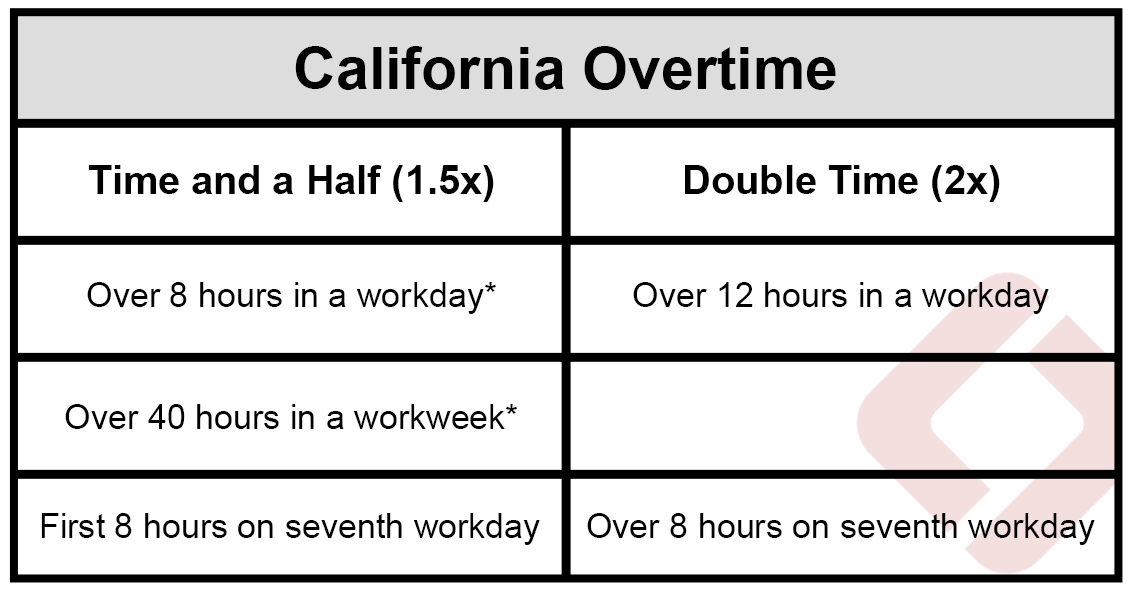
In California, non-exempt employees (those eligible for overtime) are generally entitled to:
- Time and a half (1.5 times their regular rate of pay) for all hours worked over eight hours in a workday, up to and including 12 hours.
- Double time (2 times their regular rate of pay) for all hours worked over 12 hours in a workday.
This daily threshold is a significant differentiator from federal law, which primarily focuses on a 40-hour workweek. For someone on a business trip that involves long days or a new resident adapting to a demanding role, awareness of this daily rule is key to recognizing their full earning potential.
Weekly Overtime Rules
Beyond the daily thresholds, California also mandates:
- Time and a half (1.5 times their regular rate of pay) for all hours worked over 40 hours in a workweek.
- Double time (2 times their regular rate of pay) for all hours worked over eight hours on the seventh consecutive day of work in a workweek. This “seventh consecutive day” rule is particularly important, as it acknowledges the toll that continuous work takes on an individual’s personal time and lifestyle.
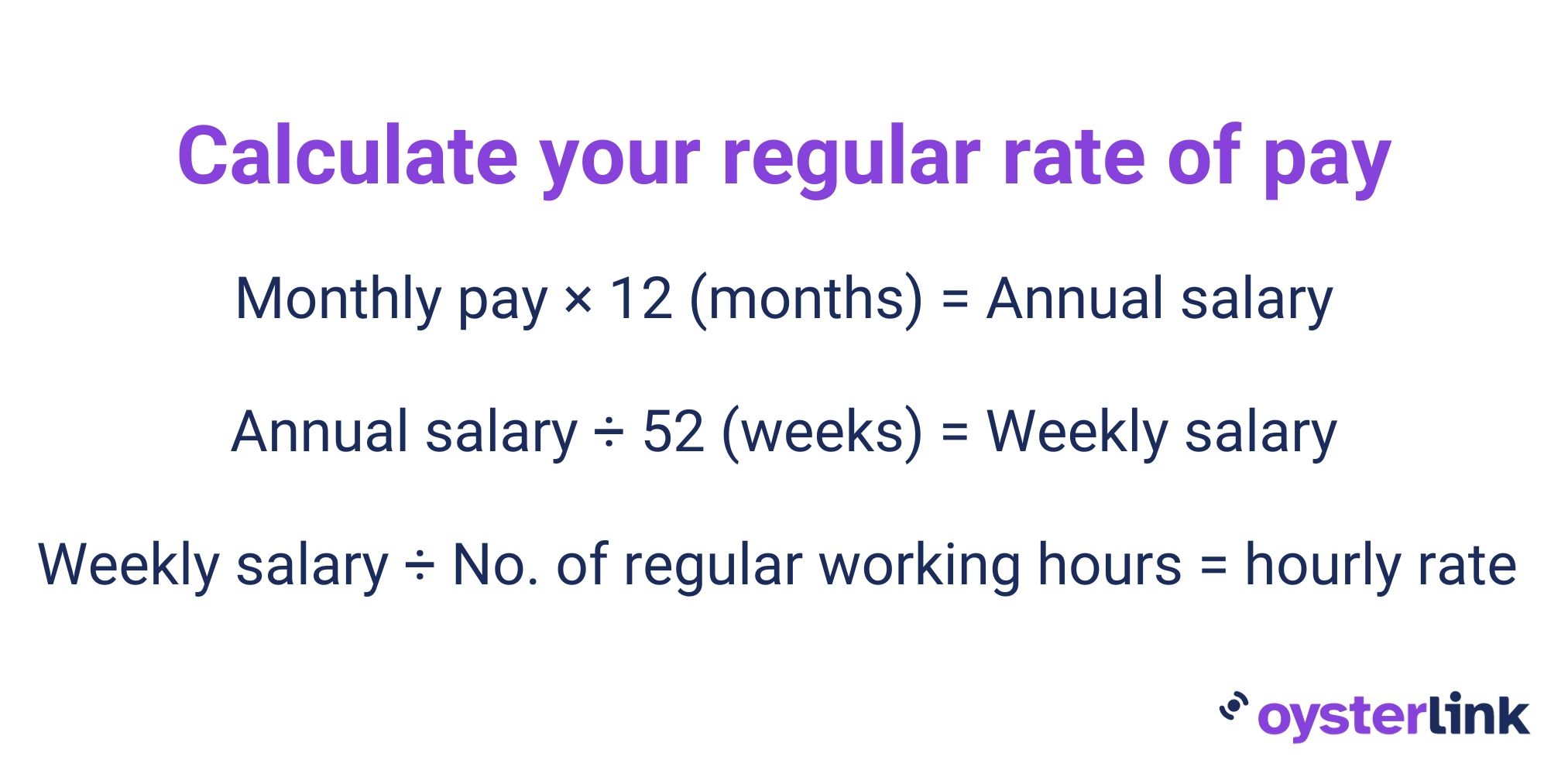
The regular rate of pay for overtime calculation is not just the hourly wage. It must include most forms of compensation, such as non-discretionary bonuses, commissions, and shift differentials. Accurately determining the regular rate is crucial for correct overtime calculation, ensuring that employees receive full compensation reflective of their complete earnings picture.

Impact on Your Financial Well-being and Lifestyle Choices
The way overtime is calculated in California has profound implications for an individual’s financial well-being and, consequently, their lifestyle choices. In a state renowned for its high cost of living, maximizing earnings through proper overtime compensation can be the difference between merely getting by and truly thriving.
Consider a professional relocating to California for a new job. They might budget based on their base salary. However, if their role frequently requires working beyond eight hours a day or 40 hours a week, their actual take-home pay, augmented by overtime, could be significantly higher than anticipated. This additional income can unlock lifestyle upgrades: affording a nicer apartment closer to desired amenities, allowing for more frequent travel within the state to destinations like Yosemite National Park or the Napa Valley, or accelerating savings goals for retirement or a major purchase.
Conversely, for those unfamiliar with these laws, unknowingly foregoing earned overtime can lead to financial strain. What might seem like “just a few extra hours” without proper compensation accumulates into substantial lost income over time. This can force compromises on lifestyle choices, such as living further from work, delaying vacations, or cutting back on leisure activities that are an integral part of the California experience. Understanding overtime rules empowers individuals to proactively manage their finances, negotiate work schedules, and ensure their efforts are appropriately rewarded, thereby supporting their desired lifestyle.
Navigating Compliance for a Balanced Life
For employees, understanding overtime regulations is not merely about receiving fair pay; it’s about advocating for a balanced life. California’s strong labor laws aim to prevent burnout and ensure that workers have sufficient time for rest, family, and personal pursuits—all critical elements of a healthy lifestyle.
Record Keeping is Key
The first step in navigating compliance is diligent record-keeping. Employees should maintain accurate records of their hours worked, including start and end times, meal breaks, and any instances of working through breaks. This personal log serves as invaluable documentation should there be a discrepancy in pay. It empowers employees to confidently discuss any potential issues with their employer or, if necessary, seek assistance from the California Department of Industrial Relations.
Know Your Exemptions
Not all employees are eligible for overtime. California law outlines several exemptions, most notably for executive, administrative, and professional employees who meet specific salary and duty tests. Understanding whether one falls under an exempt category is crucial. Sometimes, employees are misclassified as exempt, leading them to unknowingly miss out on significant overtime earnings. Clarifying one’s exemption status is a proactive step toward financial security and ensuring that one’s employment aligns with their lifestyle expectations.
Protecting Your Rights
California law also protects employees from retaliation if they inquire about or assert their right to overtime pay. This protection is fundamental to fostering a workplace environment where employees feel safe to advocate for their rights without fear of negative repercussions. For those building a life or pursuing career opportunities in California, knowing these protections exist provides a layer of security, contributing to overall peace of mind and supporting a stable, well-rounded lifestyle.
In conclusion, while the calculation of overtime in California might seem like a technical payroll matter, its implications extend deeply into the fabric of daily life and long-term lifestyle planning within the state. For anyone embracing the California dream, mastering these rules is an essential tool for financial empowerment, enabling a life that is not only professionally rewarding but also personally balanced and enriched.
LifeOutOfTheBox is a participant in the Amazon Services LLC Associates Program, an affiliate advertising program designed to provide a means for sites to earn advertising fees by advertising and linking to Amazon.com. Amazon, the Amazon logo, AmazonSupply, and the AmazonSupply logo are trademarks of Amazon.com, Inc. or its affiliates. As an Amazon Associate we earn affiliate commissions from qualifying purchases.