
The Lifestyle Choice of a Veterinary Technician Career
Embarking on a career as a veterinary technician in California is more than just choosing a profession; it’s a profound lifestyle decision. The journey to becoming a Registered Veterinary Technician (RVT) involves a significant investment of time, intellect, and emotional dedication, shaping not only one’s daily routine but also long-term personal and financial trajectories. Understanding the duration of vet tech schooling in California is crucial for anyone considering this path, as it directly influences their lifestyle choices during education and beyond.
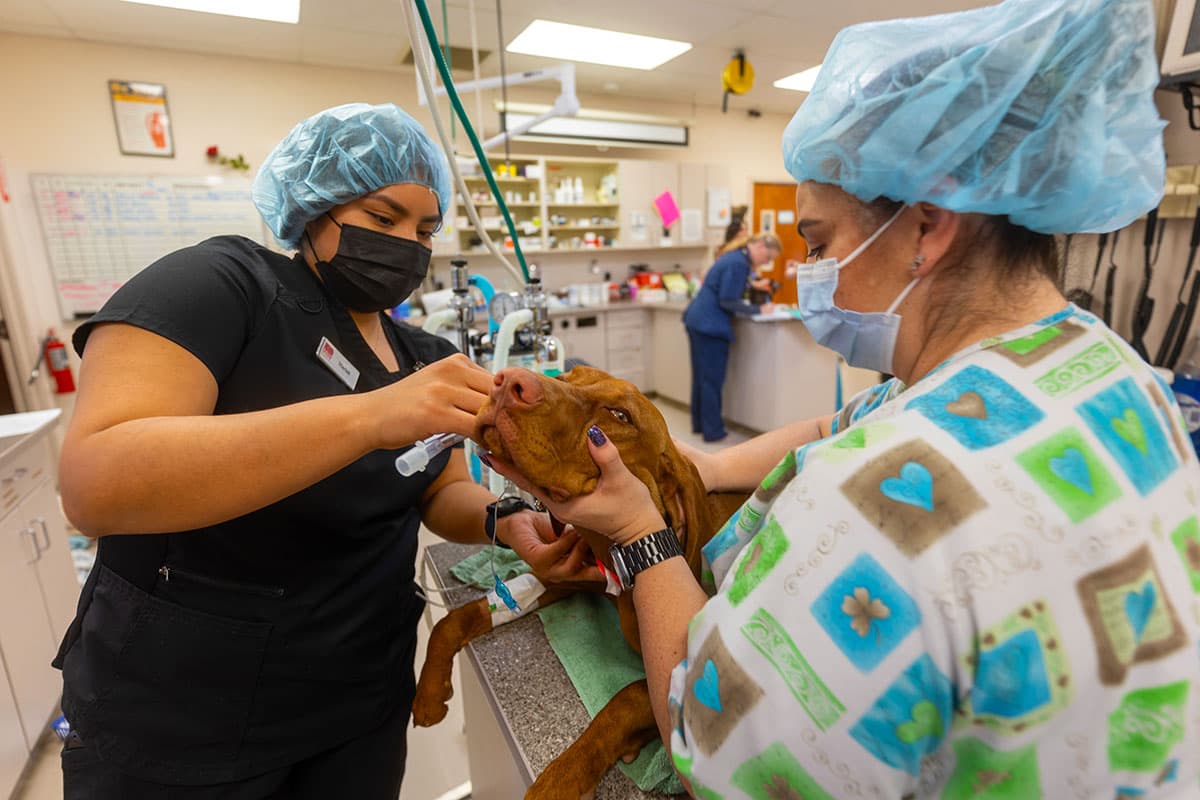
Understanding the Commitment: Time and Dedication
The decision to pursue a career in veterinary technology is fundamentally a lifestyle pivot. It signifies a commitment to animal welfare, a willingness to engage with complex medical procedures, and an embrace of a demanding yet incredibly rewarding professional life. The initial time investment in schooling directly impacts one’s immediate lifestyle, often entailing reduced free time, intensive study schedules, and potential financial constraints from tuition and living expenses. Unlike some shorter vocational programs, vet tech education requires a sustained period of focus, much like other healthcare professions. This commitment contrasts sharply with careers requiring minimal formal education, demanding a structured approach to learning and personal discipline. For individuals driven by a genuine passion for animals, this period of intense dedication is not merely a hurdle but a foundational experience that prepares them for the rigors and joys of their future work. The passion for animal care acts as a powerful motivator, transforming the demanding academic lifestyle into a purposeful journey towards a fulfilling career.
Daily Life as a Student in California
Life as a vet tech student in California is a unique blend of academic intensity and the vibrant experiences the state offers. Students must balance rigorous coursework, extensive lab work, and clinical rotations with personal commitments and, for many, part-time employment to manage living expenses. The cost of living in California, particularly in metropolitan areas like Los Angeles, San Francisco, and San Diego, is notoriously high. This financial reality significantly impacts a student’s lifestyle, often requiring careful budgeting, shared accommodation, and a disciplined approach to discretionary spending. Yet, studying in California also means access to world-class educational institutions, diverse clinical environments ranging from bustling urban animal hospitals to specialized veterinary centers, and a rich cultural landscape. The immersive culture of veterinary medicine education fosters a strong sense of community among students, providing a supportive network that helps navigate the demanding curriculum and personal challenges. This blend of academic rigor and lifestyle adaptation forms the core experience of a vet tech student in the Golden State.
Navigating Educational Pathways and Their Lifestyle Implications
The primary pathways to becoming an RVT in California involve completing an American Veterinary Medical Association (AVMA) accredited program, followed by passing the Veterinary Technician National Examination (VTNE) and the California State Board Examination. The duration of these programs directly dictates the timeline for career entry and the immediate lifestyle changes involved.
Associate Degree (2-3 Years): Immediate Entry, Hands-On Focus
The most common and direct route to becoming an RVT is through an Associate of Science (AS) or Associate of Applied Science (AAS) degree program in Veterinary Technology. These programs typically require two years of full-time study, although some may extend to three years depending on curriculum structure or if prerequisites are needed. Offered widely at community colleges and vocational schools across California, such as Foothill College or Pierce College, these programs emphasize practical skills and hands-on training crucial for immediate entry into the workforce.
The lifestyle benefit of the associate degree path is quicker entry into the profession. Graduates can typically begin earning a salary within two to three years, which significantly impacts their financial lifestyle compared to longer degree programs. This expedited career start can reduce the overall student loan debt burden and allow individuals to achieve financial independence sooner. For many, this quicker transition from student to professional is a crucial factor, aligning with personal and family lifestyle goals that prioritize early career establishment and financial stability. It’s an ideal choice for those eager to dive directly into clinical practice and begin their impact on animal health.
Bachelor’s Degree (4 Years): Broader Scope, Career Advancement
While not mandatory for RVT licensure in California, some individuals opt for a four-year Bachelor of Science (BS) degree in Veterinary Technology or a related field. These programs, offered at institutions like California State Polytechnic University, Pomona, provide a more extensive education, delving deeper into scientific principles, research methodologies, and advanced animal health concepts. The longer time commitment, typically four years of full-time study, means a delayed entry into the workforce and potentially a higher initial student loan burden.

However, the lifestyle implications of a bachelor’s degree can be significant in the long run. Graduates often gain a broader understanding of veterinary medicine, which can open doors to specialized roles, leadership positions, academic pursuits, or pharmaceutical sales within the animal health industry. A bachelor’s degree may lead to higher earning potential over a career lifespan and greater opportunities for professional growth and specialization. For those aspiring to management roles, advanced research, or a more comprehensive scientific background, the four-year path is a strategic lifestyle investment, prioritizing long-term career trajectory over immediate entry.
Accelerated Programs and Part-Time Options: Flexibility for Diverse Lifestyles
Recognizing that individuals have varying life stages and commitments, some educational institutions in California may offer alternative scheduling options for vet tech students. Accelerated programs, though rare, might condense the associate degree curriculum into a shorter timeframe, such as 18 months, requiring an even more intense academic lifestyle but offering a faster route to graduation.
Conversely, part-time study options are available for those who need to balance their education with existing work, family responsibilities, or other lifestyle factors. While extending the overall time to graduation – potentially to three or even four years for an associate degree – part-time study provides crucial flexibility. This approach allows students to maintain a more balanced lifestyle, manage financial obligations, and gradually integrate their studies into their existing routines. These flexible pathways cater to a diverse range of students, ensuring that a career in veterinary technology is accessible regardless of their current life circumstances, aligning educational pursuits with personal lifestyle needs.
The California Vet Tech Lifestyle: Post-Graduation Realities
After successfully navigating the educational requirements and passing the necessary examinations, the newly minted RVT steps into a demanding and dynamic professional lifestyle in California. The day-to-day realities, earning potential, and opportunities for growth further define the lifestyle of a veterinary technician in the state.
Work-Life Balance in the Golden State
The work-life balance for a vet tech in California can be varied and often challenging. The profession demands dedication, compassion, and resilience, frequently involving long hours, evening or weekend shifts, and emergency calls, particularly in critical care settings. The emotional demands of the job, dealing with animal suffering and owner distress, are also significant. However, the diverse geographic landscape of California offers different working environments and lifestyle choices. An RVT working in a bustling 24/7 emergency hospital in Orange County might experience a more intense schedule than one in a general practice in a rural Central Valley community. The ability to work in various settings—from small animal clinics, specialty practices, and emergency hospitals to zoos, research facilities, and shelters—provides options for tailoring one’s work lifestyle. Ultimately, while the work is inherently demanding, the rewarding nature of caring for animals and supporting their owners often provides immense job satisfaction, contributing positively to an individual’s overall life perspective.
Earning Potential and Financial Lifestyle in California
The earning potential for Registered Veterinary Technicians in California is a critical factor influencing their financial lifestyle. While salaries are generally higher in California than the national average, the state’s exceedingly high cost of living, especially in metropolitan areas, presents a significant challenge. Average salaries for RVTs in California can range from $20 to $30 per hour, translating to an annual income of approximately $40,000 to $60,000. However, after accounting for housing, transportation, and other living expenses, disposable income can be considerably tighter than in other states.
This reality necessitates careful financial planning and budgeting for RVTs in California. Many choose to live in more affordable areas and commute, or share housing to mitigate costs. Specialization, experience, and working in high-demand areas or emergency clinics can lead to higher earnings, improving financial stability and quality of life. Understanding these financial realities upfront is essential for anyone considering a vet tech career in California, as it directly shapes their ability to achieve a comfortable and sustainable lifestyle.

Professional Development and Long-Term Lifestyle Goals
The career of a vet tech in California is not static; it offers numerous avenues for professional development that can significantly impact long-term lifestyle goals. RVTs can pursue specialization in areas such as emergency and critical care, dentistry, internal medicine, surgery, or even equine and exotic animal medicine. These specializations often require additional certifications, continuing education, and a dedicated commitment to ongoing learning, further shaping an RVT’s professional and personal development.
Continuing education (CE) is a mandatory requirement for maintaining RVT licensure in California, typically requiring 20 hours every two years. Integrating these learning requirements into an already busy professional and personal life is a constant consideration. However, pursuing advanced skills or becoming a Veterinary Technician Specialist (VTS) not only enhances career satisfaction but can also lead to increased earning potential and more specialized roles, offering a more advanced and intellectually stimulating lifestyle. California’s robust veterinary industry provides ample opportunities for career longevity and growth, enabling RVTs to continually evolve their roles and achieve their long-term professional and lifestyle aspirations within the state.
LifeOutOfTheBox is a participant in the Amazon Services LLC Associates Program, an affiliate advertising program designed to provide a means for sites to earn advertising fees by advertising and linking to Amazon.com. Amazon, the Amazon logo, AmazonSupply, and the AmazonSupply logo are trademarks of Amazon.com, Inc. or its affiliates. As an Amazon Associate we earn affiliate commissions from qualifying purchases.