
Embarking on an entrepreneurial journey in California offers immense opportunities, but a critical first step for many is establishing a Limited Liability Company (LLC). For individuals curating a lifestyle around business ownership, understanding the financial landscape of forming an LLC is paramount. It’s not just about the immediate filing fee; a comprehensive view includes state requirements, optional services, and ongoing compliance. This detailed guide breaks down the various costs associated with initiating and maintaining an LLC in California, providing the clarity needed for meticulous financial planning.
Understanding the Core State Fees for California LLCs
The state of California imposes specific mandatory fees that every LLC must account for, both at the time of formation and on an annual basis. These are non-negotiable costs set by the California Secretary of State and the California Franchise Tax Board.
Initial Filing Fee
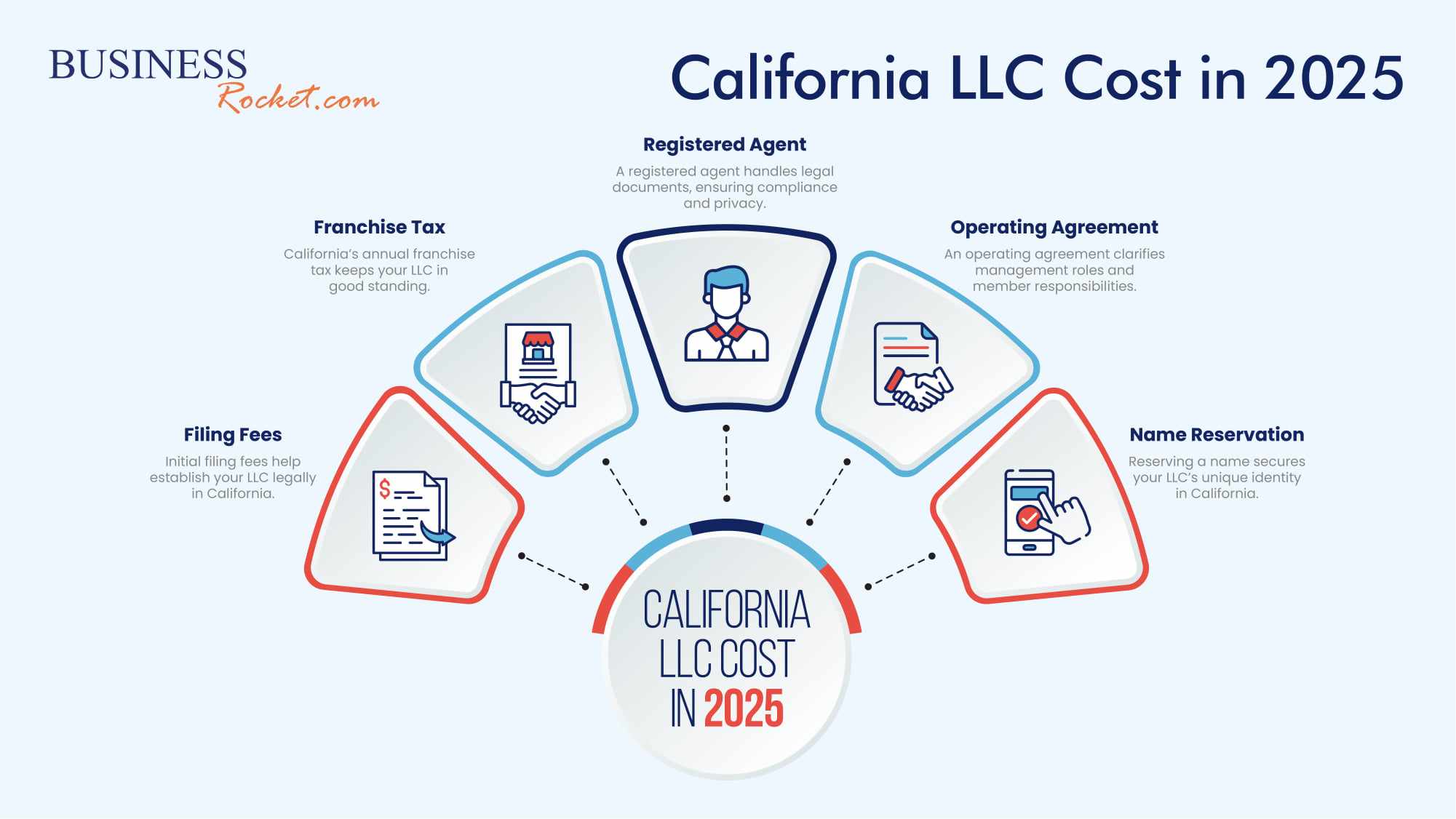
The primary cost to officially register your LLC with the state of California is the filing fee for your Articles of Organization. As of the current regulations, this fee is a fixed amount, typically around $70. This fee is paid directly to the California Secretary of State when you submit your formation documents. It’s a one-time charge to establish your LLC’s legal existence. While it might seem a modest sum, it’s merely the first entry on your expense sheet. It’s crucial to ensure your Articles of Organization are correctly completed to avoid delays or rejection, which could incur additional costs if revisions are necessary or if you opt for professional assistance to re-file.
Annual Franchise Tax
Perhaps the most significant and often surprising recurring cost for California LLCs is the annual minimum franchise tax. Regardless of your LLC’s income or activity level, every LLC registered in California is required to pay a minimum of $800 each year to the California Franchise Tax Board. This tax is due on the 15th day of the 4th month following the date your LLC was filed with the Secretary of State, and then annually thereafter by the same date. For example, if your LLC was formed on January 1st, your first $800 payment would be due by April 15th. This recurring expense is a fundamental consideration for any individual planning their business budget and long-term financial viability in California. For LLCs with net income exceeding a certain threshold (which fluctuates based on current state tax codes), an additional LLC fee based on income applies, significantly increasing the annual cost beyond the minimum $800. Diligent tracking of your income and regular consultation with a tax professional are essential to accurately forecast and meet these obligations.
Essential Third-Party Services and Their Costs
Beyond the mandatory state fees, several crucial services may be required or highly recommended for your California LLC. These services, while adding to the overall cost, provide critical support, ensure compliance, and can protect your personal assets.
Registered Agent Service
Every LLC in California is legally required to have a Registered Agent. This individual or entity must have a physical street address in California (not a P.O. Box) and be available during regular business hours to accept legal documents, such as service of process or official government correspondence, on behalf of your LLC. While you can appoint yourself or another member of the LLC as the Registered Agent, many entrepreneurs opt for a professional registered agent service. This choice offers several benefits, including privacy (as the registered agent’s address is public record), reliability (ensuring compliance and timely receipt of important documents), and flexibility (especially if you operate your business remotely or frequently travel). The cost for a professional registered agent service typically ranges from $50 to $300 per year, depending on the provider and the breadth of services included. This recurring fee is a small investment for the peace of mind and professional handling of critical legal notifications.
Legal and Professional Advice
While it’s possible to file your Articles of Organization yourself, seeking legal and accounting advice is often a prudent investment, particularly for complex business structures or those with significant liabilities. An attorney can help draft a robust Operating Agreement, advise on compliance issues, and ensure your LLC is structured correctly from a legal standpoint. Similarly, a Certified Public Accountant (CPA) can guide you through the intricate tax implications of an LLC in California, helping with tax elections, quarterly payments, and annual filings. The costs for these professional services can vary widely. Legal consultations might range from a few hundred dollars for basic advice to several thousand for comprehensive document drafting and ongoing support. Accounting services could be billed hourly (e.g., $100-$400 per hour) or as a flat fee for specific tasks, such as tax preparation or initial setup. While optional, these services significantly mitigate risks and optimize financial strategies, making them invaluable for a thriving business lifestyle.
Business Licenses and Permits
The cost to start an LLC in California extends beyond state registration. Depending on your industry and specific business activities, your LLC will likely need to acquire various federal, state, and local business licenses and permits. For instance, a retail business will need different permits than a consulting firm or a restaurant. These requirements vary significantly by city and county within California. For example, a business operating in Los Angeles will have different local licensing fees and requirements than one in San Francisco or San Diego. Common state licenses include those from the California Department of Tax and Fee Administration for sales tax permits, while local permits often involve business registration, zoning compliance, and specific operational approvals. The fees for these licenses and permits can range from nominal amounts (tens of dollars) to several hundreds or even thousands, potentially with annual renewal costs. Researching these specific requirements for your business and location is a crucial step that can often be overlooked, leading to unexpected expenses or even legal penalties if ignored.
Optional Expenses That Can Impact Your Total Cost
While not universally mandatory, certain additional expenses can arise depending on your specific needs, urgency, and approach to LLC formation. These choices can significantly impact your total startup cost.
Expedited Filing Options
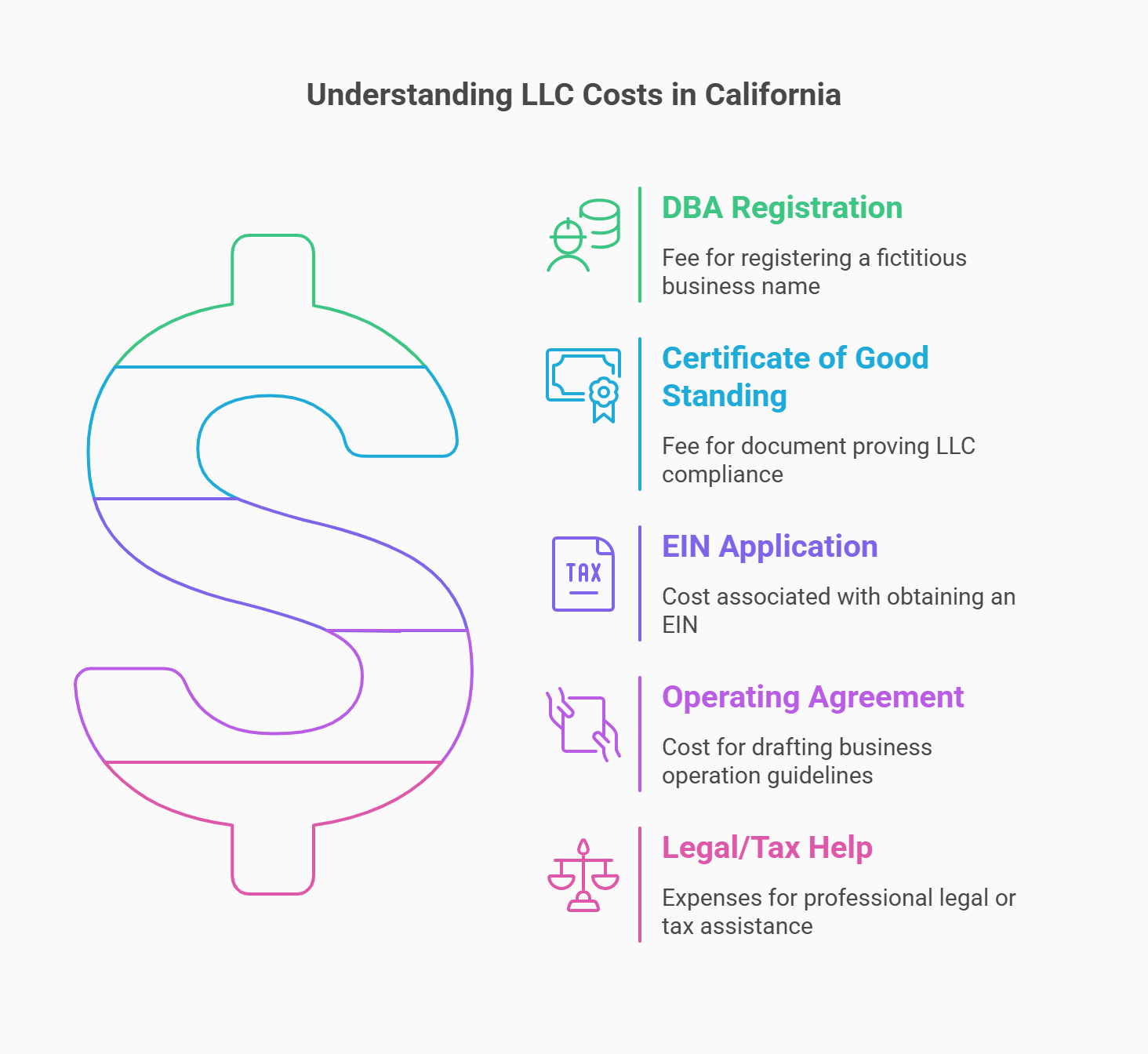
For entrepreneurs keen to launch their California LLC as quickly as possible, the California Secretary of State offers expedited filing services. Standard processing times can vary, sometimes taking several weeks. If time is of the essence, you can pay an additional fee for faster processing, often reducing the turnaround to a few business days or even same-day service. These expedited fees typically range from $350 to $750, depending on the level of speed required. While this is an optional expense, for businesses with tight deadlines or immediate operational needs, it can be a worthwhile investment to kickstart operations sooner, aligning with a fast-paced entrepreneurial lifestyle.
Employer Identification Number (EIN) – The Cost of Not Doing It Yourself
An Employer Identification Number (EIN) is a federal tax ID used to identify your business, much like a Social Security number for an individual. It is required if your LLC has employees, is taxed as a corporation, or if you plan to open a business bank account. The crucial point here is that an EIN is free to obtain directly from the Internal Revenue Service (IRS). However, some third-party services may offer to acquire an EIN for you for a fee, bundling it with other services. While convenient, paying for an EIN is an unnecessary expense, as the application process is straightforward and can be completed online within minutes at no cost. Understanding this can save you money and keep your startup costs lean.
Operating Agreement and Legal Drafting
While California law mandates that every LLC have an Operating Agreement, you are not required to file it with the state. This internal document outlines the ownership structure, management responsibilities, voting rights, and profit/loss distribution among members. For single-member LLCs, it can still provide clarity and reinforce limited liability. For multi-member LLCs, it is absolutely vital to prevent disputes and define operational procedures. You can find free templates online, purchase more robust templates for a modest fee ($50-$200), or have an attorney draft a customized agreement, which could cost anywhere from $500 to $2,000 or more, depending on complexity. Investing in a well-drafted Operating Agreement upfront can save significant legal fees and headaches down the road, making it a critical aspect of thoughtful business planning.
Ongoing Compliance and Annual Costs Beyond the Initial Setup
The cost of an LLC in California extends far beyond the initial filing and the annual franchise tax. Maintaining good standing requires continuous attention to compliance, which can incur additional administrative and potential financial costs.
Maintaining Good Standing
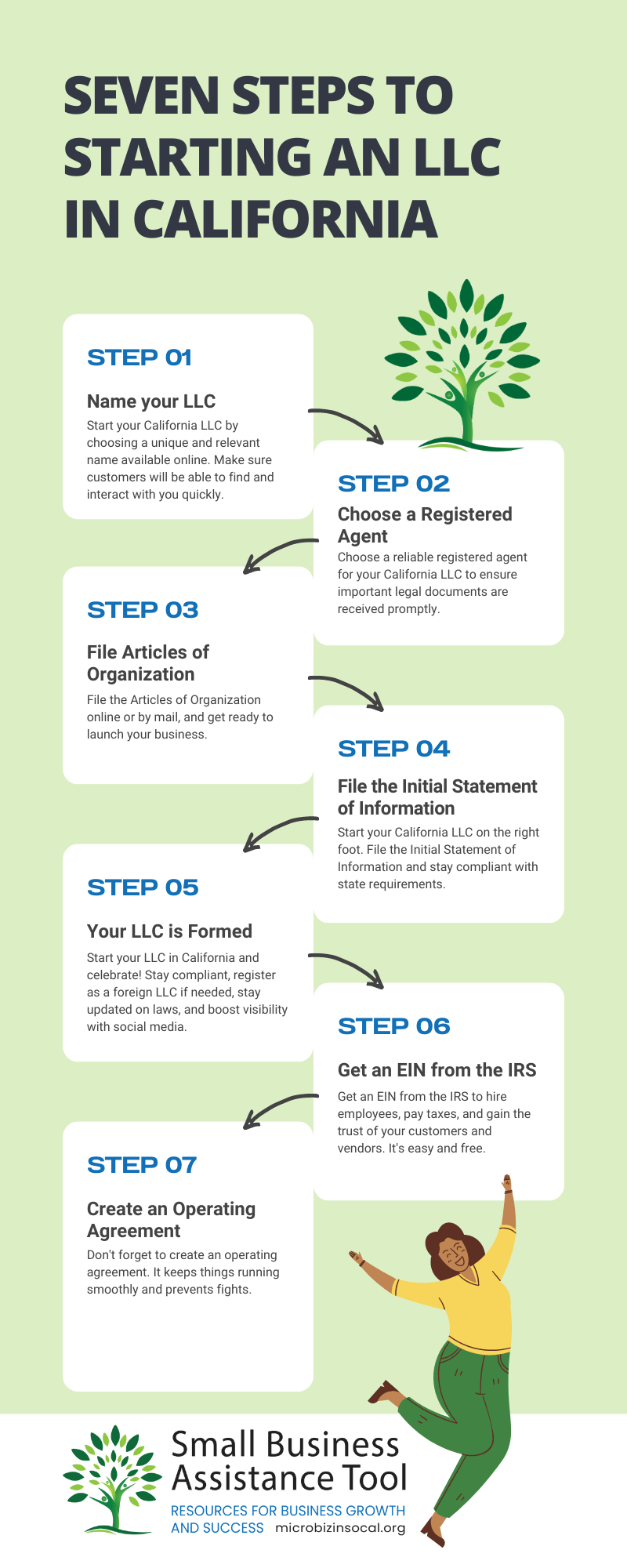
Beyond the annual $800 franchise tax, California LLCs must file a Statement of Information (Form LLC-12) with the Secretary of State every two years. This document updates the state with current information about your LLC’s managing members, address, and registered agent. The filing fee for the Statement of Information is currently $20. Missing this biennial filing can lead to penalties and potentially administrative dissolution of your LLC, so it’s a vital, recurring administrative task to budget for. Additionally, maintaining comprehensive business records, adhering to specific industry regulations, and continuously updating any required business licenses and permits all contribute to the ongoing administrative burden and potential costs.
Potential Fines for Non-Compliance
Failing to meet any of California’s LLC requirements, whether it’s neglecting the annual franchise tax, missing the biennial Statement of Information, or operating without necessary licenses, can result in significant financial penalties. For instance, late payment of the annual franchise tax incurs a penalty, and continued non-compliance can lead to the suspension or forfeiture of your LLC, stripping away its limited liability protection and potentially exposing your personal assets. These fines can quickly accumulate, making proactive compliance a far more cost-effective strategy than reactive damage control. Understanding these potential pitfalls is a cornerstone of responsible business ownership and a key element of maintaining a stable, growth-oriented lifestyle as an entrepreneur.
Strategies to Manage LLC Startup Costs in California
While starting an LLC in California involves definite costs, strategic planning can help manage these expenses effectively.
First, consider a DIY approach for the initial filing. The Articles of Organization form is relatively straightforward, and completing it yourself can save on professional filing service fees. However, weigh this against the time commitment and the potential for errors. Many online services offer basic LLC formation packages for a few hundred dollars, which can be a good middle ground, providing guidance without the full cost of an attorney.
Secondly, for the Registered Agent requirement, assess whether you or a trusted business partner can serve in this capacity. If privacy or availability is a concern, a professional service is advisable, but shop around for competitive pricing.
Thirdly, be diligent in researching all federal, state, and local license and permit requirements for your specific business type and location. This foresight helps you budget accurately and avoid costly fines for non-compliance. Many government websites offer free resources and checklists to aid this research.
Finally, prioritize legal and accounting advice where it matters most. For instance, investing in a custom Operating Agreement for a multi-member LLC is usually money well spent. Similarly, an initial consultation with a CPA can clarify your tax obligations and optimize your financial structure from the outset. By understanding and strategically allocating your resources, you can successfully establish your California LLC, laying a solid foundation for your entrepreneurial lifestyle without unnecessary financial strain.
LifeOutOfTheBox is a participant in the Amazon Services LLC Associates Program, an affiliate advertising program designed to provide a means for sites to earn advertising fees by advertising and linking to Amazon.com. Amazon, the Amazon logo, AmazonSupply, and the AmazonSupply logo are trademarks of Amazon.com, Inc. or its affiliates. As an Amazon Associate we earn affiliate commissions from qualifying purchases.