
Navigating the process of in-person voting in California, especially for those new to the state or unfamiliar with its electoral procedures, can seem daunting. However, with a clear understanding of the requirements and available options, participating in this fundamental civic duty becomes a straightforward and empowering experience. This guide aims to demystify the process, ensuring every eligible Californian can cast their ballot confidently at their designated polling place or a convenient vote center. Understanding the nuances of identification, registration status, and the types of polling locations available is key to a smooth voting day.

Understanding Your Eligibility and Registration Status
Before heading to the polls, it’s crucial to confirm your eligibility and ensure your voter registration is current and accurate. California operates under a system that allows for same-day registration, but being prepared in advance can save valuable time and prevent potential complications.
Who Can Vote in California?
To be eligible to vote in California, you must meet the following criteria:
- Be a United States citizen.
- Be a resident of California.
- Be at least 18 years old on Election Day.
- Not be currently imprisoned or on parole for a felony conviction. (Note: Individuals with past felony convictions may regain their right to vote upon completion of their sentence, including parole and probation.)
- Not be judged by a court to be mentally incompetent.
Verifying Your Voter Registration
Your voter registration is your passport to the ballot box. California offers several convenient ways to verify your registration status:
- Online Voter Registration Status: The quickest and most convenient method is to visit the California Secretary of State’s website. They provide a secure portal where you can enter your information and confirm if you are registered to vote and where your polling place is located. This portal also allows you to check if your registration details, such as your address, are up-to-date.
- Contact Your County Elections Office: Each of California’s 58 counties has its own elections office. You can typically find their contact information on your county’s official government website. A phone call or email to your local elections office can also confirm your registration status and answer any specific questions you may have about voting in your precinct.
- Check Your Mail: Periodically, county elections offices send out sample ballots or voter information guides to registered voters. Receiving these materials is a good indicator that your registration is active. However, it’s always best to confirm directly through the official online portal or by contacting your county office.
What if My Registration is Inactive or Incorrect?
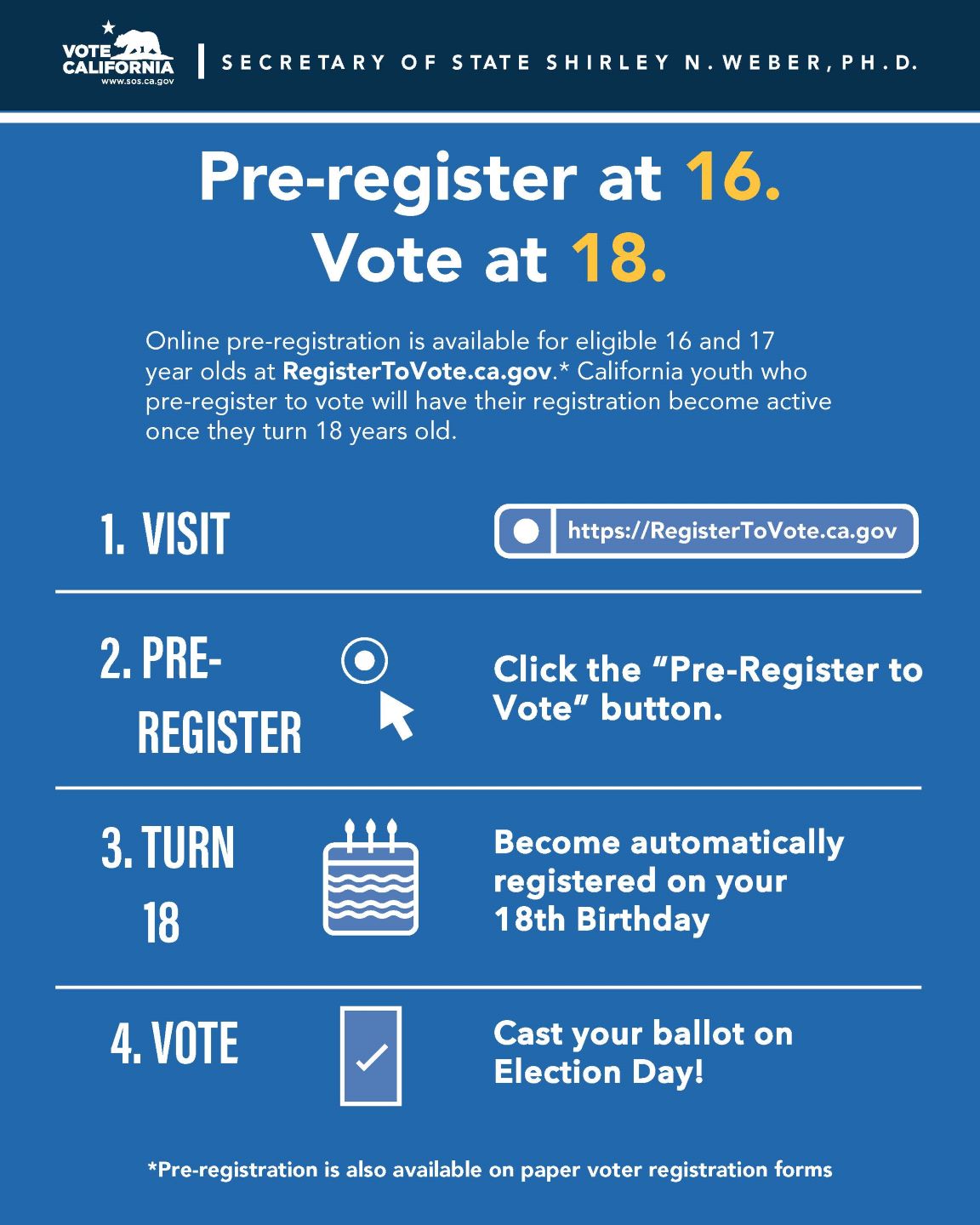
If your registration is found to be inactive, or if your details such as your name or address are incorrect, you will need to update it. You can do this online through the Secretary of State’s website, by mail using a voter registration form, or in person at your county elections office or at a polling place on Election Day.
Same-Day Registration (Conditional Voter Registration)
California offers Conditional Voter Registration (CVR), often referred to as same-day registration. This allows individuals who missed the regular voter registration deadline to register and vote. If you arrive at a polling place or vote center and are not registered, or if your registration needs updating, you can complete a voter registration form on-site. Your ballot will be counted as a conditional vote, and it will be processed after election officials verify your eligibility. While this is a valuable safeguard, it’s always advisable to register or update your registration well in advance of Election Day to ensure a smoother voting experience.
Identification Requirements for In-Person Voting
California is an “any voter” identification state, meaning that in most cases, you are not required to show identification to vote in person at your polling place or a vote center. However, there are specific circumstances and nuances to this rule that are important to understand.
The General Rule: No ID Required for Most Voters
For the vast majority of registered voters, simply appearing at your assigned polling place or a designated vote center and providing your name and address to the poll worker will suffice. You will then be given a ballot to cast. This policy is designed to remove barriers to voting and ensure that all eligible citizens can exercise their right to vote without undue burden.
When You Might Need to Show Identification
There are a few specific situations where you may be asked to present identification:
- If You Are Registering or Updating Your Registration on Election Day (CVR): As mentioned, if you are using Conditional Voter Registration, you will need to complete a registration form. While the form itself serves as a declaration of your eligibility, in some cases, elections officials might request proof of identity or residency, especially if there are questions about the information provided. This is less about proving you are eligible and more about verifying the accuracy of the information on the registration form. Acceptable forms of identification for this purpose can include a California driver’s license or identification card, a U.S. passport, a U.S. military ID card, a utility bill, or a document issued by a government agency.
- If Your Name Appears Different on the Voter Roster: If the name on your identification does not match the name on the voter roster, or if you have recently changed your name and have not updated your voter registration, a poll worker may ask for identification to confirm your identity. Again, the goal is to ensure you are the registered voter you claim to be.
- If You Are Voting a Provisional Ballot: Provisional ballots are cast by individuals whose names do not appear on the voter roster or who have issues with their registration that cannot be immediately resolved. When you vote a provisional ballot, you will typically be asked to provide identification. This is to ensure that when election officials verify your eligibility after the election, they have sufficient information to confirm your identity and the validity of your vote.
Acceptable Forms of Identification
If you are asked to show identification, California accepts a wide range of documents:
- California Driver’s License or Identification Card
- U.S. Passport
- U.S. Military ID Card
- Other Government-Issued Identification Cards: This can include cards from federal, state, or local government agencies.
- Documents Showing Your Name and Address: This category is broad and can include items like:
- A utility bill (gas, electric, water)
- A bank statement
- A paycheck stub
- A voter notification postcard sent by the county elections office
- A current residential lease or mortgage statement
- A property tax bill
- A student ID card and proof of enrollment from a college or university in California
- Any other official document issued by a government agency, employer, or educational institution that shows your name and current address.
The key is that the document helps election officials confirm your identity and/or residency. If you are unsure, it is always a good idea to bring a form of identification with you to the polling place, even if you believe you will not need it. This proactive approach can prevent last-minute stress.
Finding Your Polling Place or Vote Center
California has transitioned to a system where many voters can cast their ballot at any vote center within their county, rather than being restricted to a specific precinct polling place. This offers greater flexibility and convenience.
Understanding Polling Places vs. Vote Centers
- Traditional Polling Place: Historically, voters were assigned to a specific polling place based on their residential address. These locations were only open on Election Day.
- Vote Centers: In many California counties, the voting system has evolved to include vote centers. These are more centralized locations that typically open several days before Election Day and remain open through the conclusion of the election. Vote centers allow voters to cast a ballot regardless of their assigned precinct, as long as they are within the same county. This flexibility is a significant advantage, as it reduces the number of voters who might encounter issues with an incorrect polling place assignment.
How to Find Your Designated Location
The most reliable way to determine where you can vote is through the official resources provided by the state and your local county elections office.
- California Secretary of State’s “My Turn” Tool: The Secretary of State’s website usually features a tool that allows you to enter your address and find your assigned polling place or locate nearby vote centers. This is often integrated with the voter registration status checker.
- County Elections Office Website: Your county’s elections office website is the definitive source for information about polling places and vote centers in your area. They will provide lists of locations, operating hours, and often interactive maps.
- Sample Ballot and Voter Information Guide: When you receive your sample ballot and voter information guide in the mail (if you are a registered voter), it will typically include information about your assigned polling place or the vote centers available to you.
- Voter Notification Mailers: County elections offices often send out separate mailers closer to the election date that provide details on polling place locations and hours.
What to Do if Your Polling Place is Different Than Expected
It’s not uncommon for polling place locations to change from one election to the next due to various logistical reasons. Always verify your polling place or vote center location before Election Day. If you arrive at a location and it appears to be incorrect or is not open, do not panic.
- Check Your Sample Ballot or Voter Guide: If you have it with you, it will have the correct information.
- Call Your County Elections Office: Use the contact information you can find online. They can direct you to the correct location.
- Use a Smartphone: If you have internet access, quickly look up your county elections office website or the Secretary of State’s tool.
- Ask Election Workers: If you are near another polling location, election workers there may be able to direct you or provide a list of nearby vote centers.
Remember, if your county offers vote centers, you may have more flexibility to vote at a location that is convenient for you within that county, even if it’s not your historically assigned polling place.
The Voting Process at the Polls
Once you’ve arrived at your polling place or vote center, the process of casting your ballot is designed to be straightforward. Poll workers are there to assist you and ensure everything runs smoothly.
Checking In
When you enter the polling place or vote center, proceed to the check-in area. A poll worker will greet you.
- Provide Your Name and Address: You will be asked to state your name and residential address clearly.
- Poll Worker Verification: The poll worker will find your name on the voter roster for that location.
- Sign the Roster: Once your name is located and verified, you will typically be asked to sign the roster, attesting that you are who you say you are and that you have not already voted in this election.
- Receive Your Ballot: After signing the roster, you will be issued a ballot. In California, this is usually a paper ballot, though some counties may have accessible voting machines for voters with disabilities.
Casting Your Ballot
- Find a Voting Booth: Take your ballot to an unoccupied voting booth. These booths are designed to provide privacy.
- Mark Your Ballot Carefully: Use the provided pen or marking device to fill in the ovals or connect the arrows next to your chosen candidates and propositions. Be sure to follow the instructions on the ballot carefully. For example, if you are instructed to fill in the oval completely, do so. Avoid making stray marks, as these could potentially invalidate your vote.
- Review Your Ballot: Before leaving the booth, take a moment to review your ballot to ensure you have voted in all the contests you intended to and that you haven’t made any errors.
- Spoiled Ballots: If you make a mistake and wish to correct it, do not try to erase or cross out your mark. Instead, take the spoiled ballot back to the poll worker and request a new one. You are typically allowed to spoil a ballot once.
Submitting Your Ballot
- The Ballot Box: Once you are satisfied with your marked ballot, fold it according to the instructions. You will then proceed to the ballot box.
- Deposit Your Ballot: There will be a designated ballot box or a specific area where poll workers will collect your ballot. Deposit your folded ballot into the box or hand it to the poll worker as instructed.
- Leaving the Polling Place: Once your ballot is submitted, your voting is complete. You are free to leave the polling place.
Assistance at the Polls
Poll workers are trained to assist voters. If you encounter any difficulties:
- Ask for Help: Don’t hesitate to ask a poll worker for clarification on how to mark the ballot or if you are unsure about any part of the process.
- Language Assistance: If you do not speak English fluently, polling places are required to have ballots and assistance available in multiple languages, as mandated by the Voting Rights Act. Inform a poll worker if you need assistance in a language other than English.
- Accessibility: If you have a disability that makes it difficult to mark a paper ballot, ask about accessible voting machines or other accommodations available to you.
By understanding these steps, voters can approach their polling place with confidence, knowing they are prepared to cast their vote efficiently and effectively in California.
LifeOutOfTheBox is a participant in the Amazon Services LLC Associates Program, an affiliate advertising program designed to provide a means for sites to earn advertising fees by advertising and linking to Amazon.com. Amazon, the Amazon logo, AmazonSupply, and the AmazonSupply logo are trademarks of Amazon.com, Inc. or its affiliates. As an Amazon Associate we earn affiliate commissions from qualifying purchases.