
Navigating California’s Window Tint Regulations
For residents and visitors alike, understanding local laws is a fundamental aspect of managing one’s lifestyle and finances. In California, vehicle window tinting is subject to specific regulations that, if overlooked, can lead to unexpected financial penalties. While seemingly a minor aesthetic choice, window tint compliance is a crucial detail for anyone driving within the Golden State, impacting daily commutes, road trips, and even the purchase of a new or used vehicle. Being informed about these rules is the first step towards avoiding citations and maintaining a smooth, compliant driving experience in California.

The Legal Framework for Vehicle Tinting
California’s window tint laws are primarily outlined in California Vehicle Code (CVC) Section 26708. This section details the permissible levels of tint darkness and placement on vehicles operating within the state. The most critical aspect of this code relates to the front side windows, which must allow no less than 70% Visible Light Transmission (VLT). This means the tint can only reduce the light passing through by a maximum of 30%, ensuring adequate visibility for the driver and clear sightlines for law enforcement during traffic stops. The windshield, for its part, may only have tint applied to the top four inches or above the manufacturer’s AS-1 line, whichever is lower. The rationale behind these strict regulations is multifaceted, primarily focusing on public safety by ensuring drivers have an unobstructed view of the road and their surroundings, and allowing law enforcement officers to clearly see vehicle occupants for their own safety and for identification purposes. Rear side windows and the rear window, however, have more lenient rules, allowing for any degree of darkness provided the vehicle has at least two functional side mirrors. For individuals considering modifying their vehicle or those moving to California from states with different tint laws, familiarizing themselves with these specifics is paramount to integrating seamlessly into the local driving culture without incurring unnecessary fines.
Exemptions and Medical Waivers
While California’s tint laws are generally strict, there are specific exemptions and provisions for medical necessity. Certain vehicles, such as those used for official law enforcement purposes or commercial limousines, may be subject to different tinting standards due to their specialized functions. However, for the average private vehicle owner, the primary exception to standard tint regulations comes in the form of a medical waiver. Individuals suffering from medical conditions like photodermatitis, severe photosensitivity, or other conditions exacerbated by exposure to sunlight may be eligible for a medical exemption. To qualify, a licensed physician must provide a written statement certifying the medical necessity for darker window tinting. This waiver must then be carried in the vehicle at all times and presented to law enforcement upon request. It is crucial to understand that even with a medical waiver, there might still be limitations on the darkest permissible tint, and the exemption typically applies only to the windows necessary for the driver’s protection. Misinterpreting or misusing these exemptions can lead to citations, emphasizing the importance of precise compliance and proper documentation. For those considering this option, consulting with a medical professional and potentially a reputable tint shop that understands California law is advisable to ensure full compliance and avoid future issues that could disrupt one’s lifestyle or budget.
The Financial Ramifications of a Tint Violation
Receiving a tint ticket in California might initially seem like a minor inconvenience, but the financial implications can be more substantial than many anticipate. Beyond the base fine, the state’s complex system of surcharges and fees can quickly inflate the total cost, turning a simple violation into a significant hit to one’s budget. Understanding these costs and the nature of the citation is crucial for managing the situation effectively and minimizing the financial burden. This section delves into the specific monetary aspects of a tint violation, from the initial fine to potential long-term impacts.
Initial Fine and Court Costs
The base fine for a non-compliant window tint in California is typically quite low, often around $25. However, this figure is highly misleading. California counties levy various state and county surcharges, assessments, and fees on top of the base fine. These add-ons are designed to fund everything from court operations to emergency services, and they can multiply the initial base fine by several factors. Consequently, a $25 base fine can easily escalate to a total payment of anywhere from $150 to $250 or more for a first offense. The exact amount can vary slightly depending on the specific county where the citation was issued, with densely populated areas like Los Angeles County, San Diego County, and Orange County often having higher overall costs due to their fee structures. It’s imperative to recognize that a tint violation is generally classified as a “correctable violation” or a “fix-it ticket,” which offers a pathway to reducing the total expense, provided the issue is addressed promptly and correctly. Ignoring the ticket or failing to understand the full financial scope can lead to even greater penalties.
Correctable Violations and Proof of Correction
A significant aspect of California’s tint violation system is its “fix-it ticket” nature. When issued a citation for illegal window tint, drivers are usually given an opportunity to correct the violation. This typically involves removing the non-compliant tint or replacing it with a legal tint film. Once the correction has been made, the driver must obtain proof of correction. This often requires having a law enforcement officer or an authorized inspection station verify that the vehicle now meets California Vehicle Code standards. The officer or inspector will then sign off on the citation, which serves as official proof. This signed proof must then be submitted to the court by the specified due date. If the correction is verified and submitted correctly, the original fine may be significantly reduced to a minimal administrative fee, often ranging from $10 to $25. This process is designed to encourage compliance rather than simply punish, offering a more budget-friendly resolution for drivers. However, failure to correct the violation and provide proof by the deadline will result in the driver being liable for the full, unreduced fine, plus any additional penalties for non-compliance, which could include further court fees or even a hold on vehicle registration renewal.
Impact on Insurance Premiums and Driving Record
Fortunately, a window tint ticket in California is typically a non-moving violation, meaning it generally does not add points to a driver’s record. This is good news for one’s lifestyle, as points on a driving record can lead to increased insurance premiums. Since a tint violation is usually considered a minor equipment infraction rather than a dangerous driving behavior, most insurance companies do not factor it into their risk assessments. Consequently, receiving and properly addressing a single tint ticket is unlikely to directly impact your auto insurance rates. However, it is important to note that a pattern of multiple non-moving violations or failure to pay the fine can lead to more serious repercussions. If a tint ticket is ignored, and the court issues a “failure to appear” notice or a warrant, this could result in a suspended driver’s license. A suspended license, or a history of unaddressed legal issues, would certainly be flagged by insurance providers and could lead to higher premiums or even policy cancellation. Therefore, while the immediate impact on insurance is minimal, responsible and timely resolution of any citation is crucial to prevent escalation and protect one’s financial well-being and driving privileges.
Avoiding a Tint Ticket: Proactive Lifestyle Choices
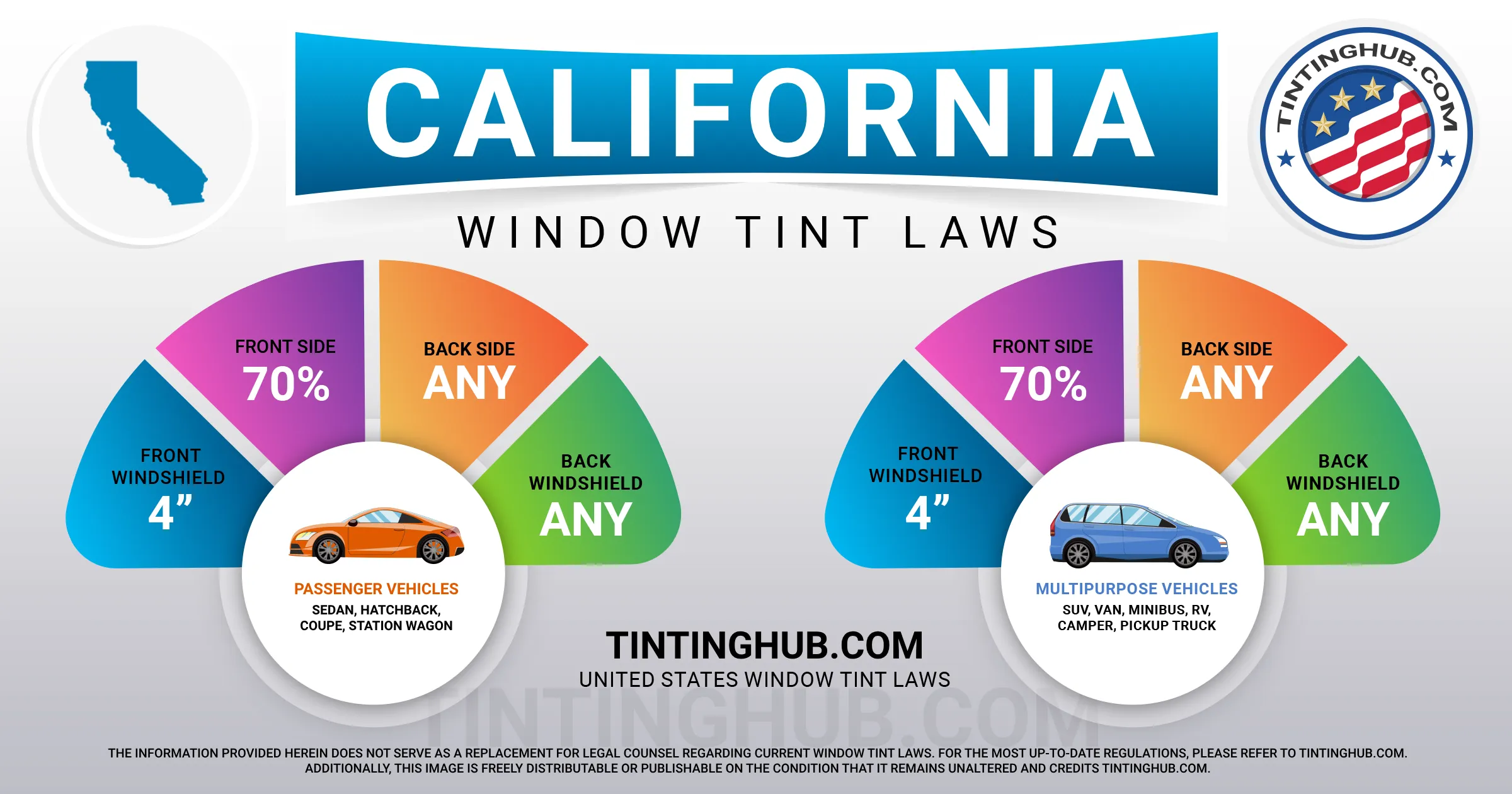
Preventative measures are always preferable to dealing with the consequences of a violation. For those living in or traveling through California, understanding and proactively adhering to tint laws can save both money and hassle, allowing for a smoother and more enjoyable lifestyle. Making informed choices regarding vehicle tinting, whether buying a new car or modifying an existing one, is essential to stay compliant and avoid unexpected fines.
Understanding Your Vehicle’s Tint
One of the simplest ways to avoid a tint ticket is to know your vehicle’s current tint status. This is particularly important when purchasing a used car or if you’ve recently moved to California from another state where tint laws might be more permissive. Many aftermarket tints, while legal elsewhere, may exceed California’s strict 70% VLT requirement for front side windows. It’s not always easy to gauge tint darkness by eye, so if you have any doubts, consider having the tint professionally measured. Reputable automotive tint shops possess specialized meters that can accurately determine the VLT percentage of your windows. This small upfront investment can prevent a much larger fine and the inconvenience of having to remove illegal tint later. For those new to the state, consider it a standard part of your vehicle check-up to ensure your car is fully compliant with all local regulations.
Responsible Tint Installation
If you decide to install window tint on your vehicle, choosing a professional and knowledgeable installer is paramount. Avoid DIY kits or shady operations that might promise extremely dark tint without regard for legality. Always select a reputable tint shop that is well-versed in California’s specific tinting regulations. Discuss the legal VLT limits with them and ensure they install a film that fully complies with California Vehicle Code Section 26708. Many professional installers will provide a warranty and even a certificate of compliance, giving you peace of mind. While a darker tint might offer a certain aesthetic appeal or enhanced privacy, the legal and financial risks of non-compliance far outweigh these perceived benefits. Prioritizing legality during installation is a responsible lifestyle choice that protects your budget and ensures you don’t face unnecessary legal complications down the road.
General Awareness for Drivers
Beyond specific tint knowledge, maintaining a general awareness of California’s traffic laws is a critical component of responsible driving. A window tint violation is often a “secondary offense,” meaning it’s typically issued after a law enforcement officer pulls you over for another primary infraction, such as speeding, a broken taillight, or an illegal lane change. By ensuring your vehicle is in good working order and adhering to all traffic laws, you reduce the likelihood of being stopped in the first place, thus lowering your chances of receiving a tint ticket. For those embarking on road trips across California or moving to different regions within the state, a quick review of local ordinances can also be beneficial, although statewide laws like tint regulations remain consistent. Regularly checking your vehicle’s registration, ensuring all lights are functional, and driving cautiously are proactive habits that contribute to a hassle-free driving lifestyle and help keep unexpected expenses at bay.
Responding to a Tint Citation
Receiving a tint citation can be unsettling, but knowing how to respond effectively can significantly mitigate its impact on your finances and overall lifestyle. Prompt and informed action is key to navigating the legal process, whether you choose to correct the violation, pay the fine, or contest the ticket. Understanding the available options and the proper procedures ensures that you address the issue efficiently and avoid potential escalations.
Options Upon Receiving a Ticket
Upon receiving a tint ticket in California, you generally have three primary options:
- Correct and Pay a Reduced Fee: This is often the most cost-effective and least complicated path. If your tint is illegal, remove it or replace it with compliant film. Then, get an authorized law enforcement officer or an approved inspection station to sign off on the correction on your citation. Submit this signed proof to the court by the due date. Once verified, you will typically only be required to pay a small administrative fee, usually between $10 and $25, significantly less than the full fine. This option is highly recommended for most drivers as it resolves the issue permanently and with minimal financial strain.
- Pay the Full Fine: If you choose not to correct the tint, perhaps because the vehicle is being sold, or you simply prefer to pay, you can opt to pay the full, unreduced fine. As discussed earlier, this can range from $150 to $250 or more, depending on the county and accumulated surcharges. This option resolves the citation but is generally the most expensive approach and does not remove the non-compliant tint, meaning you could potentially receive another ticket in the future.
- Contest the Ticket: If you believe the ticket was issued in error (e.g., your tint is actually compliant, or you possess a valid medical exemption that was not recognized), you have the right to plead not guilty and request a court trial. This option requires more effort, including potentially gathering evidence, appearing in court for an arraignment and possibly a trial, and even incurring legal fees if you choose to hire an attorney. While it offers a chance to have the ticket dismissed, it also carries the risk of being found guilty and still having to pay the full fine, along with additional court costs and time commitment.
The Court Process and Deadlines
Regardless of the option chosen, it is paramount to address the tint ticket by the specified due date. Ignoring a citation in California leads to severe consequences, including increased fines, civil assessments, and eventually a “failure to appear” charge, which can result in a hold on your driver’s license renewal, a suspended license, or even a bench warrant for your arrest. If you decide to contest the ticket, you will typically receive a notice for an arraignment, where you officially enter your plea. If you plead not guilty, a trial date will be set. During the trial, both you (or your attorney) and the issuing officer will present your cases to a judge. Engaging with the legal system promptly and respectfully is crucial for minimizing any disruption to your personal life and financial stability. Keep copies of all documentation, including the original citation, proof of correction, and any correspondence with the court.
Seeking Professional Advice
For complex situations, such as multiple violations, disputes over compliance, or if you feel unsure about navigating the court process, seeking professional advice can be invaluable. A traffic attorney specializing in California Vehicle Code can provide expert guidance, clarify your options, and represent you in court if necessary. While there’s an associated cost, an attorney’s expertise can often lead to a more favorable outcome, potentially saving you money and significant stress in the long run. Similarly, for the actual tint removal or replacement, always choose a certified automotive professional. They ensure the work is done correctly, adheres to legal standards, and often provide documentation that can be crucial for proof of correction. Investing in sound legal and automotive advice is a prudent lifestyle decision that helps maintain compliance and peace of mind when driving in California.
LifeOutOfTheBox is a participant in the Amazon Services LLC Associates Program, an affiliate advertising program designed to provide a means for sites to earn advertising fees by advertising and linking to Amazon.com. Amazon, the Amazon logo, AmazonSupply, and the AmazonSupply logo are trademarks of Amazon.com, Inc. or its affiliates. As an Amazon Associate we earn affiliate commissions from qualifying purchases.