
For prospective travelers eyeing the Golden State, the perennial question of California‘s wildfire status is a critical element in trip planning. While individual wildfires may be contained or extinguished, the “wildfire season” as an overarching phenomenon in California is a complex, evolving reality influenced by climate, weather patterns, and human activity. Therefore, the answer is rarely a simple “yes” or “no” for the entire state, but rather a dynamic assessment of conditions affecting specific regions and travel experiences. Understanding this nuance is key to safely and enjoyably planning a journey to this diverse and captivating destination.

Understanding California’s Wildfire Season and Its Impact on Travel
California’s unique geography, Mediterranean climate, and dense vegetation create an environment naturally prone to wildfires. This reality has significant implications for travel, necessitating a proactive and informed approach from visitors.
A Cyclical Reality: The Annual Fire Threat
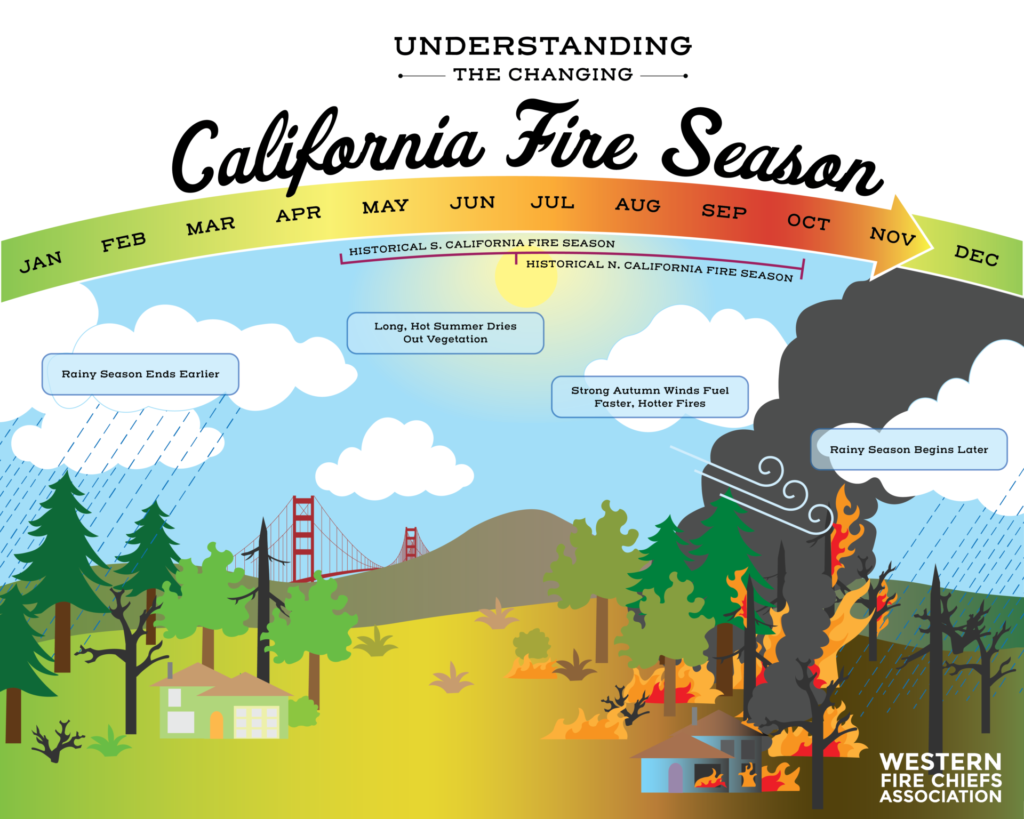
While wildfires can occur at any time, the traditional “wildfire season” in California typically spans from late spring through late autumn, often peaking in late summer and early fall. Factors such as prolonged droughts, high temperatures, and strong Santa Ana or Diablo winds exacerbate fire risk during these periods. This cyclical nature means that while one fire might be out, the underlying conditions for new ignitions often persist until significant, widespread rainfall arrives. Travelers planning trips during these months should remain vigilant and prepared for potential changes to their itineraries. The impact isn’t just direct fire threat; smoke can travel hundreds of miles, affecting air quality and visibility in areas far removed from the actual blaze.
Geographic Considerations for Travelers
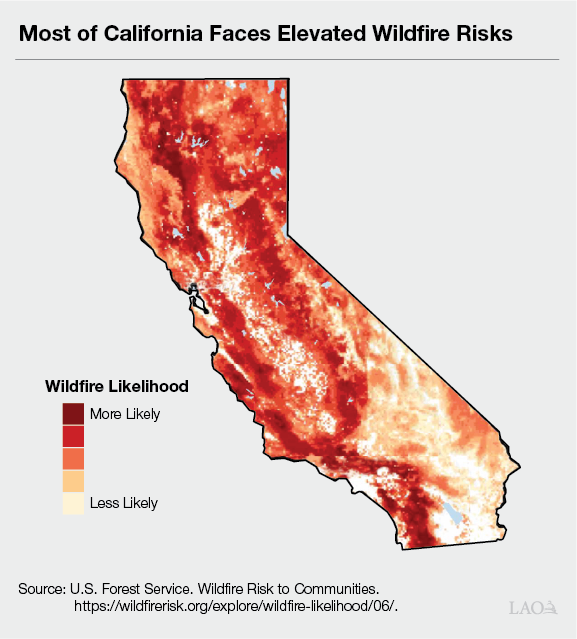
California is a vast state, and a wildfire in one region does not necessarily mean the entire state is affected. The state’s diverse landscapes range from coastal areas and bustling urban centers to dense forests, deserts, and mountain ranges. For instance, a fire impacting Yosemite National Park‘s gateway communities might have no direct bearing on travel to San Diego‘s beaches or San Francisco‘s city attractions. Understanding the specific geographic locations of fires is paramount. Many popular tourist destinations, particularly along the coast like Los Angeles, San Francisco, and San Diego, often remain largely unaffected by direct fire threats, though they might experience smoke impacts depending on wind patterns. Inland areas, particularly those bordering national forests and parks, tend to be at higher risk.
Assessing Current Travel Conditions and Safety
When planning a trip to California, especially during wildfire season, current conditions and safety information are crucial for making informed decisions.
Real-time Information Sources for Travelers
Reliable, up-to-the-minute information is your best tool. Travelers should consult official sources regularly:
- CAL FIRE: The official source for wildfire incidents and containment status across California.
- National Park Service and State Parks Websites: For specific information on closures, trail conditions, and air quality within national treasures like Yosemite National Park, Joshua Tree National Park, or Redwood National and State Parks.
- Local Tourism Boards: Destination-specific websites often provide guidance tailored to their areas, including updates on attractions, accommodations, and local advisories.
- NOAA Weather: For forecasts on wind, temperature, and humidity, which are critical factors in fire behavior.
- Air Quality Monitoring Sites: Websites like AirNow.gov offer real-time air quality index (AQI) data, essential for understanding smoke impacts.
Air Quality and Health Concerns
Even if a fire is far from your intended destination, smoke can travel significant distances, impacting air quality. High AQI levels can pose health risks, particularly for individuals with respiratory conditions, the elderly, and young children. Travelers should monitor air quality forecasts for their destination and surrounding areas. In cases of poor air quality, it is advisable to limit outdoor activities, keep windows closed, and use N95 masks if venturing outside. Many indoor attractions, museums, and restaurants in urban centers or coastal cities typically remain open and offer a comfortable refuge from smoke.
Road Closures and Accessibility
Wildfires can lead to temporary or prolonged road closures, especially on routes leading into affected natural areas. Iconic scenic drives, like sections of the Pacific Coast Highway (PCH) through Big Sur, or roads accessing national parks, can be affected. Before embarking on a drive, check Caltrans (the California Department of Transportation) for real-time road conditions and closures. Having alternative routes in mind and a flexible itinerary can mitigate potential disruptions. It’s also worth noting that re-openings are carefully managed, ensuring the safety of both travelers and residents, and to allow for essential repair work.
Navigating California’s Post-Fire Landscape: Destinations and Experiences
Even during or after wildfire events, much of California remains open and vibrant. The key is to know where to go and how to adapt your travel plans.
Reopened National Parks and State Parks
While some parks may experience closures due to active fires or for rehabilitation after a fire, many others remain open, or reopen swiftly once conditions are safe. California’s vast system of national and state parks offers numerous alternatives. For example, if Yosemite National Park is affected, Death Valley National Park, Joshua Tree National Park, or coastal state parks might be viable and equally rewarding alternatives. Always check the specific park’s official website for the latest status before your visit. Even in areas that have experienced fire, many popular trails and visitor services are prioritized for reopening.
Coastal Escapes and Urban Adventures
California’s extensive coastline, from San Diego north to the Redwood National and State Parks region, often remains a safe and attractive option. Coastal cities like Los Angeles, San Francisco, Monterey, and Santa Barbara offer a wealth of attractions including world-class museums, culinary experiences, shopping, and beach activities that are typically unaffected by inland fires. Theme parks such as Disneyland and Universal Studios Hollywood also continue to operate, offering contained, managed environments for entertainment. Similarly, wine regions like Napa Valley or Sonoma, while occasionally facing direct threats or smoke, are highly resilient and often quick to welcome visitors back to support their local economies.
Supporting Local Communities Through Travel
Choosing to travel to California during or after wildfire events, particularly to regions that have recovered, is a powerful way to support local economies. Tourism is a significant driver for many California communities, and a drop in visitors can have a lasting impact. When safe and appropriate, visiting reopened towns, patronizing local businesses, and staying in local accommodations directly contributes to their recovery and resilience. It is crucial, however, to respect any local advisories or closures and avoid areas that are actively recovering or where emergency services are still engaged.
Essential Travel Planning Tips Amidst Uncertainty
Planning a trip to California requires a strategic approach, particularly given the potential for wildfires. Preparedness and flexibility are your greatest allies.
Flexibility and Comprehensive Travel Insurance
Given the unpredictable nature of wildfires and their potential impact on travel, flexibility in your itinerary is paramount. Consider booking accommodations and activities with generous cancellation policies. Even more importantly, invest in comprehensive travel insurance that covers trip interruptions or cancellations due to natural disasters. Carefully read the policy details to understand what is covered, as some policies may have specific exclusions or requirements regarding when a natural disaster is declared. Having this safety net can provide peace of mind and financial protection should your plans need to change unexpectedly.
Responsible Tourism Practices
When traveling in California, particularly in or near natural areas, practicing responsible tourism is more important than ever. This includes:
- Fire Safety: Always adhere to fire safety regulations. This means checking local fire restrictions on campfires and barbecues, properly disposing of cigarettes, and being mindful of anything that could spark a fire, such as parking hot vehicles on dry grass.
- Leave No Trace: Pack out everything you pack in. Do not disturb wildlife or natural habitats.
- Stay on Trails: Stick to marked trails to protect fragile ecosystems and to ensure your own safety, especially in areas that may have experienced recent fire activity.
- Respect Closures: Do not attempt to enter areas that are closed due to fire activity or rehabilitation efforts. These closures are for your safety and to allow land managers to do their vital work.
Booking Accommodations and Activities
When booking your trip, consider the seasonal aspect of wildfires. If traveling during the peak season, research the specific fire history and current conditions of your intended destination. Many reputable hotels, resorts, and tour operators in California are well-versed in managing wildfire impacts and can provide valuable local insights. Don’t hesitate to contact them directly for their perspective on current conditions and any contingency plans they have in place. Choosing accommodations in urban centers or established coastal towns might offer a buffer from direct wildfire impacts, while still providing access to California’s natural beauty.
In conclusion, the question of whether California’s wildfires are “over” is best approached with an understanding of ongoing risk and regional variations. While specific fires may be contained, the environment remains susceptible. With careful planning, reliance on official information, and a commitment to responsible travel, visitors can still enjoy the vast majority of what the Golden State has to offer, contributing positively to its resilience and recovery.
LifeOutOfTheBox is a participant in the Amazon Services LLC Associates Program, an affiliate advertising program designed to provide a means for sites to earn advertising fees by advertising and linking to Amazon.com. Amazon, the Amazon logo, AmazonSupply, and the AmazonSupply logo are trademarks of Amazon.com, Inc. or its affiliates. As an Amazon Associate we earn affiliate commissions from qualifying purchases.