
Exploring the diverse landscapes and vibrant cities of California is an unforgettable experience, offering everything from the sunny beaches of Los Angeles to the iconic Golden Gate Bridge in San Francisco. As with any journey to a new destination, understanding local nuances—including aspects of the legal system—can empower visitors to navigate their trip with confidence and peace of mind. While the vast majority of tourist visits are trouble-free, knowing your rights and understanding certain police procedures, such as testing for gunshot residue (GSR), forms a vital part of being an informed traveler in the Golden State.
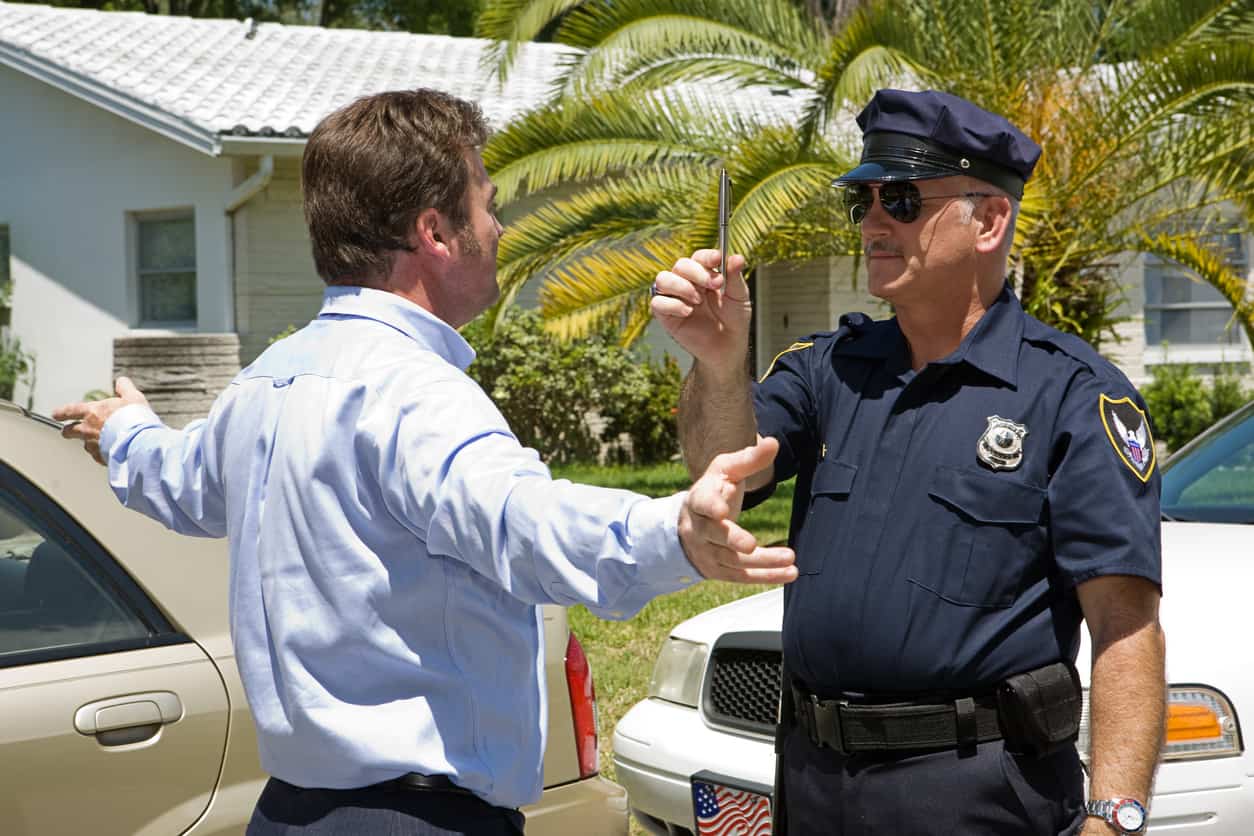
Navigating Police Interactions as a Visitor in California
For many, a trip to California is about relaxation and discovery, not legal concerns. However, like any state or country, California has its own laws and law enforcement protocols that apply to everyone within its borders, including tourists. Understanding how to interact with law enforcement professionally and respectfully is a key “tip” for any visitor. Whether it’s a routine traffic stop on a scenic coastal highway or a general inquiry in a bustling city square, being prepared ensures a smoother experience.
The Fourth Amendment and Traveler’s Rights
In the United States, and thus in California, fundamental constitutional rights protect individuals from unreasonable government intrusion. The Fourth Amendment is particularly relevant, safeguarding people against unreasonable searches and seizures. This means that law enforcement generally needs probable cause or a warrant to search a person, their property, or their vehicle. For travelers, this right is just as strong as for residents. It’s crucial to remember that you are protected by these rights, even when far from home. Knowledge of these protections helps visitors understand the boundaries of police authority and their own autonomy during an interaction.
When Can Police Initiate Contact?
Police can approach anyone in public for a voluntary conversation. During such an encounter, you are generally free to leave if you wish. However, if an officer has reasonable suspicion that you are involved in criminal activity, they can detain you for a brief investigatory stop. This is a lower standard than probable cause but still requires specific facts to justify the stop. If detained, you are not free to leave, but your Fourth Amendment rights regarding searches and your Fifth Amendment right to remain silent still apply. Being polite, calm, and aware of whether you are being “detained” or simply “asked questions” is an important distinction for any traveler.
Deciphering Gunshot Residue (GSR) Tests: A Visitor’s Guide
While it may seem an unlikely concern for a tourist, understanding forensic procedures like gunshot residue (GSR) testing can contribute to a comprehensive awareness of California’s legal environment. This knowledge is not about anticipating trouble, but about being fully informed about the potential tools law enforcement may use in specific, serious circumstances, and how such tests might relate to an individual’s rights.
What is GSR and Why is it Tested?
Gunshot residue, often abbreviated as GSR, refers to microscopic particles released when a firearm is discharged. These particles are a unique blend of elements—typically lead, barium, and antimony—that are deposited on the hands, clothing, or other surfaces near the person who fired the weapon. GSR tests are a forensic tool used by law enforcement to determine if a person recently fired a gun, was in the vicinity of a firearm when it was discharged, or handled a firearm that had recently been fired. While the presence of GSR isn’t definitive proof of guilt, it can be a significant piece of circumstantial evidence in criminal investigations, particularly those involving firearms. For a traveler, understanding this is part of appreciating the investigative landscape in California.
Legal Precedent for GSR Collection in California
In California, as in other parts of the United States, the collection of GSR evidence is subject to constitutional limitations. The primary consideration is the Fourth Amendment, which protects against unreasonable searches and seizures. Generally, law enforcement needs either a warrant, probable cause combined with exigent circumstances, or the individual’s consent to collect physical evidence, including GSR.
Courts have often considered GSR collection to be a search, albeit a minimally intrusive one. However, it still requires proper legal justification. If an officer has probable cause to believe that a person was involved in a shooting and that GSR evidence would be found on them, they may seek to conduct a test. The US Supreme Court and California courts have weighed in on various aspects of forensic evidence collection, consistently upholding the principle that searches must be reasonable. For a tourist, this means that while GSR testing is a valid forensic technique, it cannot be conducted arbitrarily.

Your Rights If Asked to Undergo a GSR Test
If you, as a visitor to California, are ever asked to undergo a GSR test, it’s important to understand your rights and how to respond. While such an occurrence is highly unlikely for the typical tourist, being prepared is always prudent.
Consent vs. Warrant: Navigating the Request
An officer might ask for your consent to conduct a GSR test. It’s important to understand that you have the right to refuse a consent search. If you refuse, the officer must then obtain a warrant based on probable cause, or demonstrate exigent circumstances (meaning evidence could be destroyed if they wait for a warrant) to proceed without your consent.
If an officer requests a GSR test, you can politely but firmly state, “I do not consent to this search.” It is crucial to be clear and unambiguous. Do not physically resist, but verbally express your non-consent. If officers proceed despite your refusal, they are doing so under what they believe is legal authority (e.g., a warrant or exigent circumstances), and any evidence collected might be subject to later challenge in court. As a traveler, the immediate priority is to assert your rights calmly and avoid escalation.
The Role of Legal Counsel
The moment you are asked to undergo a GSR test, or any forensic test, and you feel you are being detained or treated as a suspect, it is your right to request an attorney. The Fifth Amendment protects against self-incrimination, and requesting legal counsel is a direct invocation of this right. When you request an attorney, questioning should cease until your lawyer is present. For visitors, contacting legal counsel promptly is essential, especially given potential unfamiliarity with the local legal system. Many legal aid organizations or foreign consulates can provide assistance or referrals to local attorneys.
Proactive Steps for a Safer California Experience
Understanding specific legal procedures like GSR testing is one aspect of being an informed traveler. More broadly, taking proactive steps can significantly enhance your safety and enjoyment while exploring California.
Staying Informed and Prepared
Before traveling, a quick review of local laws for your specific destinations within California—be it San Diego, Sacramento, or the national parks—is always a good idea. For instance, laws concerning cannabis use, open container policies, or even drone usage can vary and are important for visitors to observe. Carry identification, know your embassy or consulate’s contact information, and share your itinerary with a trusted person. Having basic awareness of your surroundings, especially in crowded tourist areas, is always beneficial.
Emergency Contacts and Resources for Travelers
In the rare event you find yourself needing legal assistance or support, knowing where to turn is paramount. The general emergency number in the United States is 911 for police, fire, or medical emergencies. For non-emergencies, you can search for the local police department number. Additionally, consider having the contact information for organizations that assist travelers, or your country’s consulate or embassy in California or the nearest major city like Los Angeles or San Francisco. They can often provide guidance or connect you with legal resources.
The Broader Implications of Forensic Evidence for Travelers
The discussion around GSR testing, while specific, highlights a broader principle: the legal system, including its forensic components, is an integral part of any destination. For those exploring California, understanding these elements isn’t about fostering apprehension but promoting empowerment through knowledge. It reinforces the idea that an informed traveler is a safer traveler, equipped to navigate unexpected situations while upholding their rights. The presence of sophisticated forensic techniques like GSR analysis underscores the dedication to justice and safety within California’s legal framework, contributing to the overall security that visitors experience. Being aware of these underpinnings can deepen a traveler’s appreciation for the robust systems that maintain order, even as they enjoy the myriad attractions and experiences the state has to offer.
LifeOutOfTheBox is a participant in the Amazon Services LLC Associates Program, an affiliate advertising program designed to provide a means for sites to earn advertising fees by advertising and linking to Amazon.com. Amazon, the Amazon logo, AmazonSupply, and the AmazonSupply logo are trademarks of Amazon.com, Inc. or its affiliates. As an Amazon Associate we earn affiliate commissions from qualifying purchases.