
For travelers planning a visit to the Golden State, understanding local time practices is a crucial, though often overlooked, aspect of trip preparation. California, like many parts of the United States, observes Daylight Saving Time, a practice that shifts clocks forward and backward annually. While this might seem like a minor detail, it carries significant implications for travel planning, scheduling activities, and ensuring a seamless experience in one of the world’s most dynamic tourist destinations.
The Rhythm of California Time: Standard vs. Daylight Saving
California operates primarily on Pacific Time, which encompasses two distinct phases throughout the year: Pacific Standard Time (PST) and Pacific Daylight Time (PDT). Grasping the difference between these two and when the transition occurs is fundamental for any visitor.
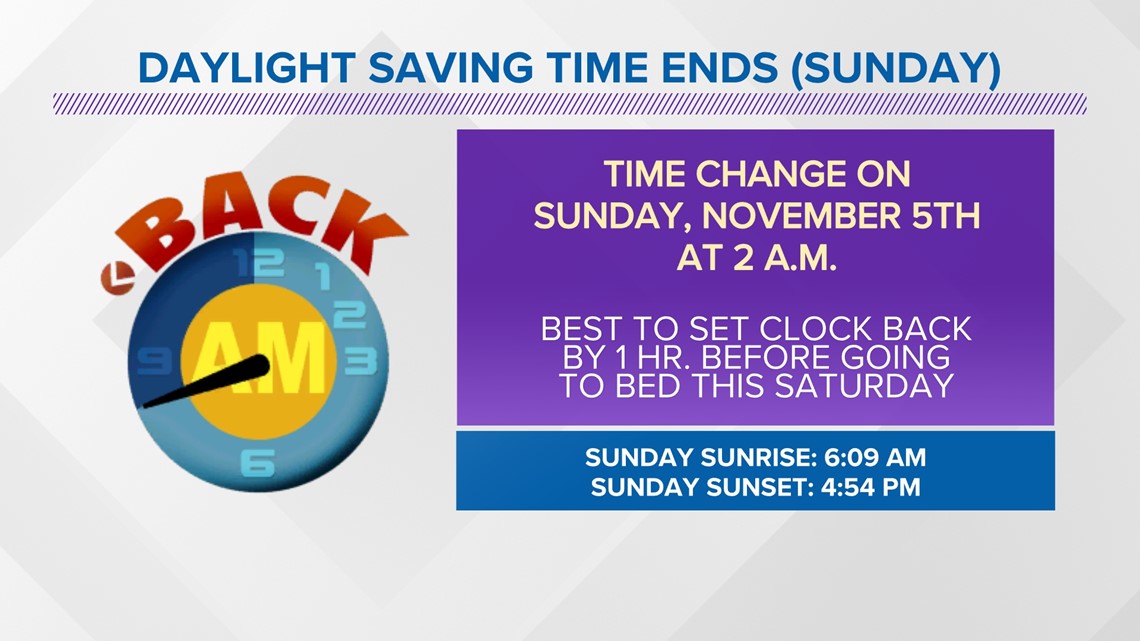
Pacific Standard Time (PST) and Pacific Daylight Time (PDT)
Pacific Standard Time is the baseline time zone, representing eight hours behind Coordinated Universal Time (UTC-8). This is the time California adheres to during the fall and winter months. When spring arrives, the state transitions to Pacific Daylight Time (UTC-7), effectively moving clocks forward by one hour. This change aims to extend daylight into the evening, offering more light during waking hours and theoretically conserving energy.
The official boundaries for Pacific Time include California, Washington, and Oregon in the contiguous United States, alongside parts of Nevada and Idaho. Understanding these geographic overlaps is important, especially for travelers embarking on multi-state road trips, as the time change will affect their entire itinerary across these regions.
The Annual Ritual of Daylight Saving
The change from Pacific Standard Time to Pacific Daylight Time typically occurs on the second Sunday in March. Clocks “spring forward” one hour at 2:00 AM local time. Conversely, the return to Pacific Standard Time happens on the first Sunday in November, when clocks “fall back” one hour at 2:00 AM.
For tourists, these specific dates are critical. If your travel dates straddle one of these transitions, be prepared to adjust your schedule, wake-up times, and any pre-booked reservations accordingly. Missing a flight or a tour because of a misunderstanding of the time change can significantly disrupt a vacation. Modern smartphones and electronic devices usually adjust automatically, but it’s always wise to double-check, particularly for travelers crossing multiple time zones.
California’s Ongoing Debate on Daylight Saving
The practice of Daylight Saving Time is not universally beloved, and California has been at the forefront of the debate to potentially abolish it or adopt a permanent standard time. Understanding this ongoing discussion can provide context for why the state’s time practices might be a topic of conversation among locals.
Proposition 7 and its Aftermath
In 2018, California voters overwhelmingly approved Proposition 7, granting the state legislature the power to change Daylight Saving Time laws, including potentially establishing year-round daylight saving. The proposition passed with nearly 60% of the vote, indicating a strong public desire for a change in the current system.
The rationale behind Proposition 7 centered on arguments about public health (disruptions to sleep cycles), energy conservation (which has been debated for its actual effectiveness), and economic impacts. However, passing the proposition was only the first step.
Legislative Efforts and Federal Hurdles
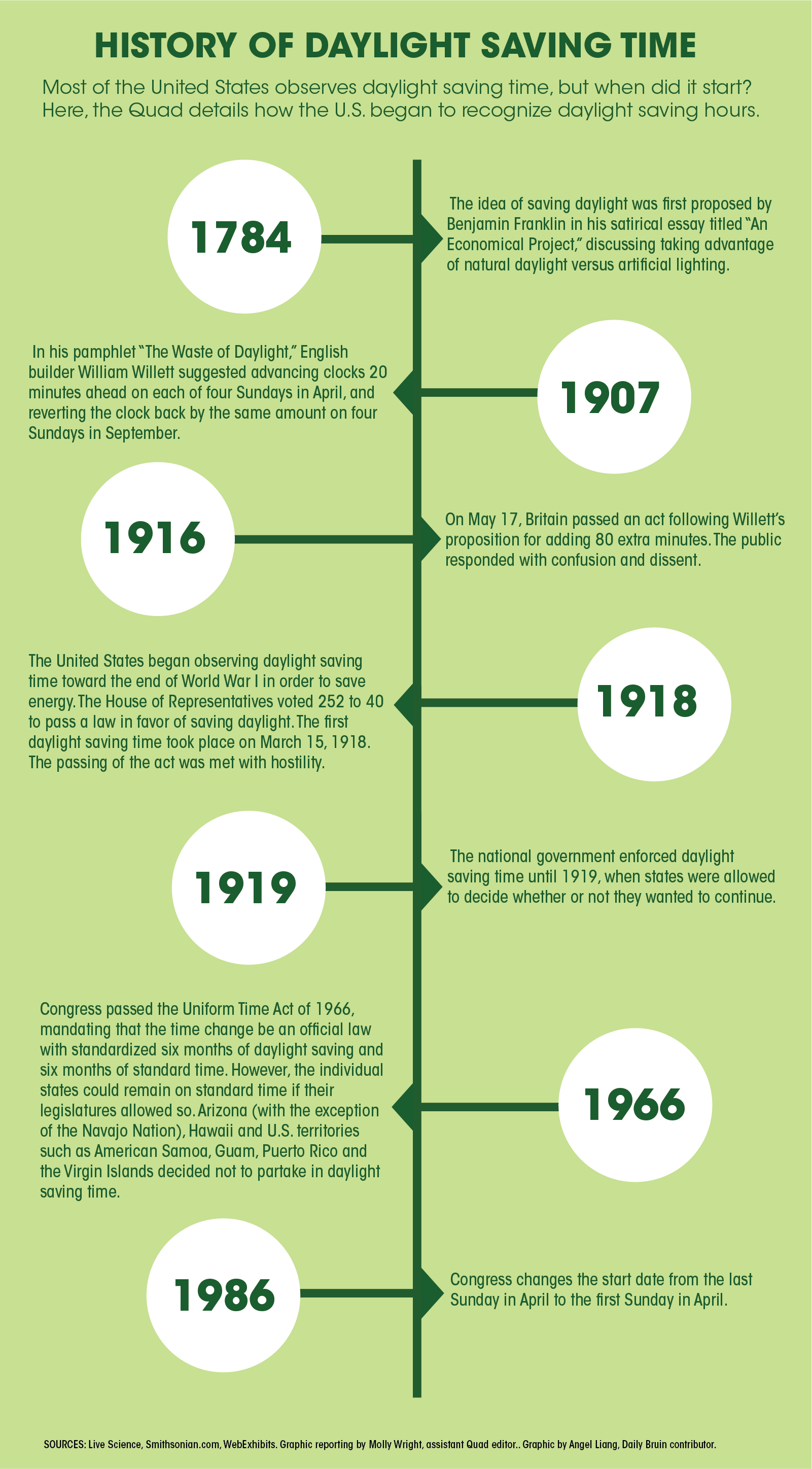
Despite the clear mandate from voters, implementing a permanent change to Daylight Saving Time in California is complicated by federal law. The Uniform Time Act of 1966 dictates that states can opt out of Daylight Saving Time and remain on standard time year-round, but they cannot permanently adopt daylight saving time without congressional approval. This means that for California to remain on Pacific Daylight Time permanently, a federal waiver or change in federal law would be required.
Several legislative attempts have been made in California to navigate these federal restrictions, but none have yet succeeded in fully implementing the wishes of Proposition 7. Consequently, for the foreseeable future, tourists visiting California should continue to expect the biannual time change. This makes it essential for visitors to stay informed, checking the current date and time practices before and during their trip.
Practical Implications for Tourists Visiting California
The biannual time change, while a relatively minor inconvenience for residents, can pose several challenges for tourists, especially those arriving from distant time zones or planning tightly scheduled itineraries.
Adjusting to the Time Zone Shift
Beyond the Daylight Saving change, visitors traveling to California from the East Coast of the United States or international locations will experience a significant time zone shift (three hours from Eastern Time, up to eight hours or more from Europe or Asia). This can lead to jet lag, disrupting sleep patterns and energy levels, particularly during the initial days of a trip.
When this inherent time zone difference is compounded by a Daylight Saving shift during your visit, the adjustment period can become more pronounced. Plan for a day or two of slower-paced activities upon arrival to allow your body to acclimatize. Hydration and sunlight exposure can aid in quicker adjustment.
Planning Flights and Transportation
The most immediate impact of a time change for travelers often relates to flights and transportation schedules. Airlines and transportation providers universally adhere to local time. If your flight departs or arrives on a Daylight Saving transition day, ensure you have the correct local time for your departure and arrival points. Automated booking systems typically account for this, but a manual check against official time sources is always prudent.
Consider the ripple effect of time changes on connecting flights. A tight connection that seems feasible in standard time might become problematic if one of the legs of your journey falls on a daylight saving transition and leads to confusion. For road travelers, while less critical, understanding local time impacts dining hours, attraction opening times, and booking accommodations.
Synchronizing Activities and Reservations
From dining reservations in San Francisco or Los Angeles to guided tours in Yosemite National Park or wine tastings in Napa Valley, nearly every aspect of a tourist’s itinerary is time-sensitive. A forgotten time change can lead to missed appointments, lost deposits, or simply unnecessary stress.
When booking attractions or experiences online, always confirm the time zone and whether the listed time accounts for Daylight Saving if your visit is near a transition date. For popular attractions like the Disneyland Resort or Universal Studios Hollywood, arriving at the wrong time can mean missing crucial entry windows or showtimes.
Experiencing California Throughout the Year: Time Change Considerations
The annual time changes subtly alter the tourist experience, especially concerning daylight hours available for exploration.
Spring Forward: Longer Evenings for Coastal Exploration
When clocks spring forward in March, California gains an hour of daylight in the evening. This is particularly advantageous for visitors to coastal cities like San Diego, Los Angeles, and San Francisco, or scenic drives along Big Sur. You’ll have more daylight hours to enjoy sunsets over the Pacific Ocean, linger at outdoor cafes, or explore landmarks such as the Golden Gate Bridge and the Santa Monica Pier. The extended daylight can enhance outdoor activities and provide a more leisurely pace for evening sightseeing.
Fall Back: Earlier Sunsets and Morning Activities
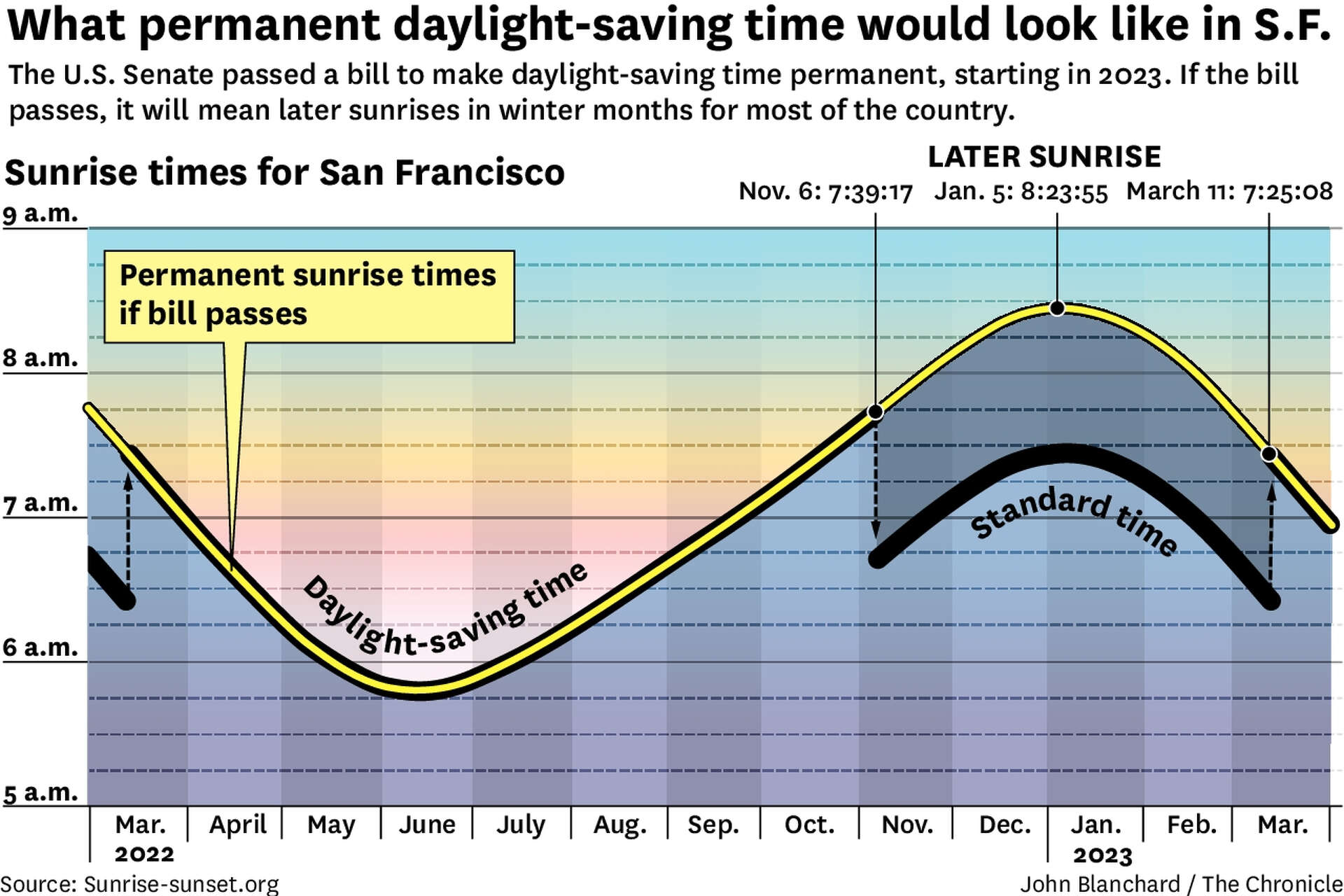
Conversely, when clocks fall back in November, mornings become brighter earlier, but sunsets occur an hour sooner. This shift might encourage tourists to plan more morning activities, such as early hikes in Joshua Tree National Park or sunrise photography at Lake Tahoe. Evening plans may need to be adjusted to accommodate the earlier darkness, perhaps shifting dinner reservations to an earlier slot or prioritizing indoor attractions for later in the day. For those exploring national parks, the earlier sunsets mean less time for evening hikes, so planning routes and returning before dusk becomes even more critical.
Major California Destinations and Time Planning
- Los Angeles: With its sprawling nature and numerous attractions like the Hollywood Walk of Fame and theme parks, meticulous time management is always key. During Daylight Saving, the longer evenings are perfect for exploring outdoor attractions or enjoying beach cities.
- San Francisco: This walkable city thrives on its vibrant districts and bay views. Earlier sunsets in fall might mean planning your Alcatraz tour or Fisherman’s Wharf visit with the light in mind.
- San Diego: Known for its year-round pleasant weather, San Diego benefits significantly from the extra evening light during PDT for beach activities, Balboa Park strolls, and outdoor dining in the Gaslamp Quarter.
- Yosemite National Park and other natural parks: Daylight is a precious resource for hiking and exploration. Be especially mindful of sunrise and sunset times, adjusted for Daylight Saving, to ensure safe and enjoyable outdoor adventures in vast areas like Death Valley National Park.
Tips for Seamless Travel Despite Time Shifts
While the time change in California is an established practice, a few proactive steps can help tourists navigate it effortlessly.
Before You Go: Research and Reminders
- Check the Dates: Always confirm the exact dates for Daylight Saving transitions if your trip falls around March or November. A quick search for “Daylight Saving California [year]” will provide the necessary information.
- Update Your Itinerary: If you’ve planned a detailed itinerary with fixed times, go through it and adjust any appointments or reservations that might be affected by the hour shift.
- Communicate: If traveling with a group, ensure everyone is aware of the time change and its implications for shared plans.
During Your Trip: Staying on Schedule
- Rely on Smart Devices: Most smartphones, laptops, and smartwatches automatically adjust to the correct local time, including Daylight Saving. Ensure your device settings allow for automatic time zone updates.
- Cross-Reference: While automatic updates are reliable, it’s a good practice to cross-reference with a reliable local clock (e.g., a hotel lobby clock, a local news website, or a simple analog watch set to local time) for critical appointments.
- Allow Buffer Time: Build in extra buffer time for important activities, especially on the days immediately following a time change, to account for any potential confusion or personal adjustment.
Utilizing Technology for Time Management
Travel apps are invaluable tools for managing time zones and schedules. Many itinerary management apps can automatically adjust times based on your current location and the date, taking into account Daylight Saving. Setting multiple alarms on your phone, clearly labeled for your various appointments, can also serve as a useful safeguard.
In conclusion, yes, California does observe Daylight Saving Time, meaning clocks change twice a year. While the state has debated its continuation, the current system remains in place. For tourists, being aware of these shifts and planning accordingly will ensure your visit to California is as smooth and enjoyable as possible, allowing you to fully immerse yourself in its diverse attractions without missing a beat.
LifeOutOfTheBox is a participant in the Amazon Services LLC Associates Program, an affiliate advertising program designed to provide a means for sites to earn advertising fees by advertising and linking to Amazon.com. Amazon, the Amazon logo, AmazonSupply, and the AmazonSupply logo are trademarks of Amazon.com, Inc. or its affiliates. As an Amazon Associate we earn affiliate commissions from qualifying purchases.