
Domestic air travel within the United States has undergone significant changes in recent years, particularly concerning identification requirements. The question of whether a standard California ID is sufficient for flying is a critical one for many residents and travelers planning their journeys. The answer is nuanced, evolving with federal regulations designed to enhance security, primarily through the implementation of the REAL ID Act. Understanding these rules is paramount to ensuring a smooth travel experience, free from unexpected delays or denied boarding.
Understanding REAL ID Requirements for Domestic Air Travel
The landscape of domestic air travel identification was fundamentally reshaped by the REAL ID Act, passed by Congress in 2005. This legislation, enacted after the September 11, 2001, terrorist attacks, sets forth minimum security standards for state-issued driver’s licenses and identification cards and prohibits federal agencies from accepting for certain purposes driver’s licenses and identification cards from states that do not meet these standards. For travelers, the most significant impact concerns boarding federally regulated commercial aircraft.
The Mandate of the REAL ID Act
At its core, the REAL ID Act establishes stringent requirements for the issuance of state driver’s licenses and identification cards. These requirements include enhanced verification of an applicant’s identity and legal status, along with physical security features on the cards themselves. The goal is to make these documents more secure and reliable, thereby preventing their fraudulent use. While the initial deadline for compliance was extended multiple times, the overarching mandate remains: eventually, a standard, non-compliant state ID will not be accepted for domestic air travel. This shift mandates that travelers present an ID that explicitly meets federal security standards.
Why Your California ID Might Not Be Enough (Soon)
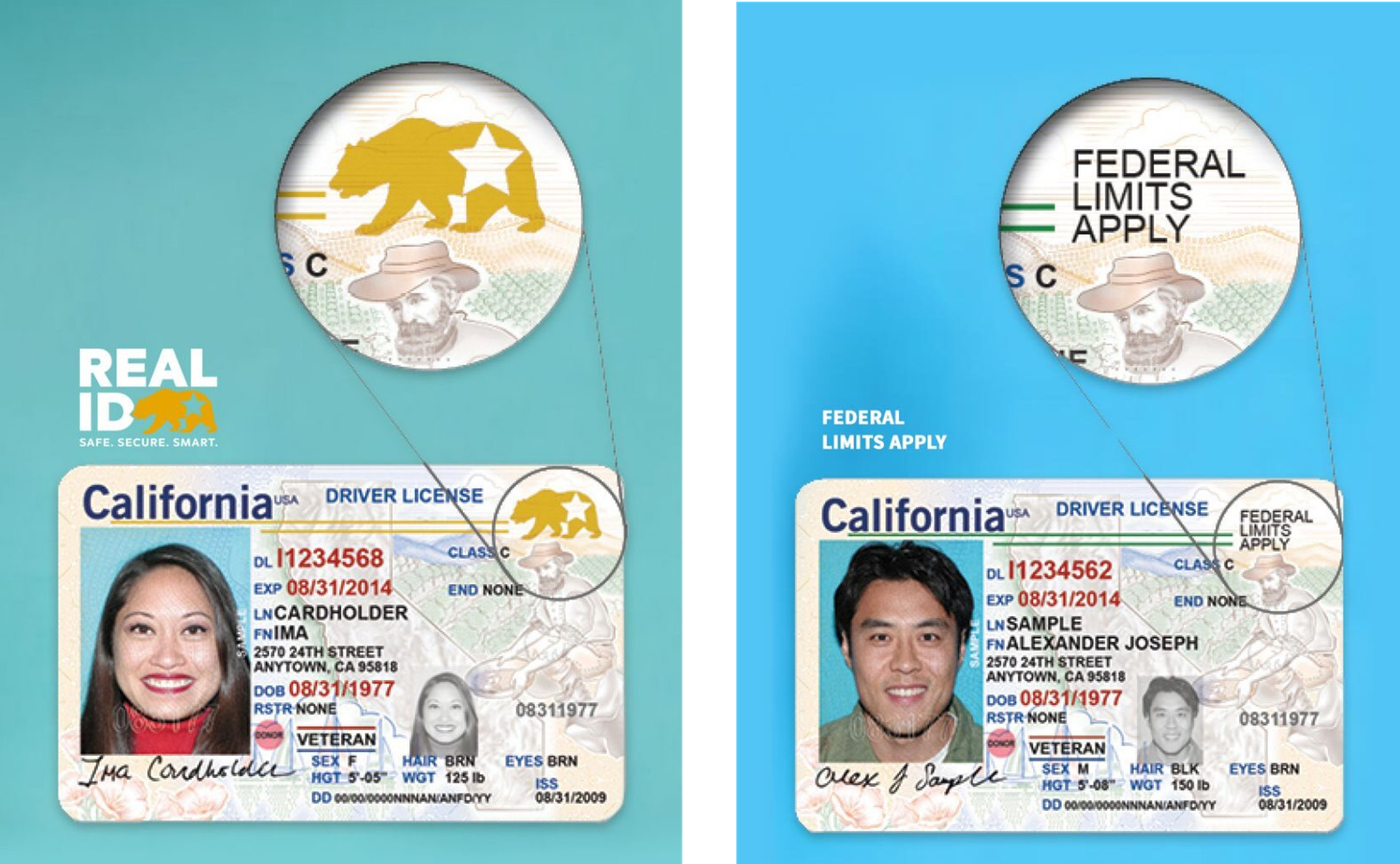
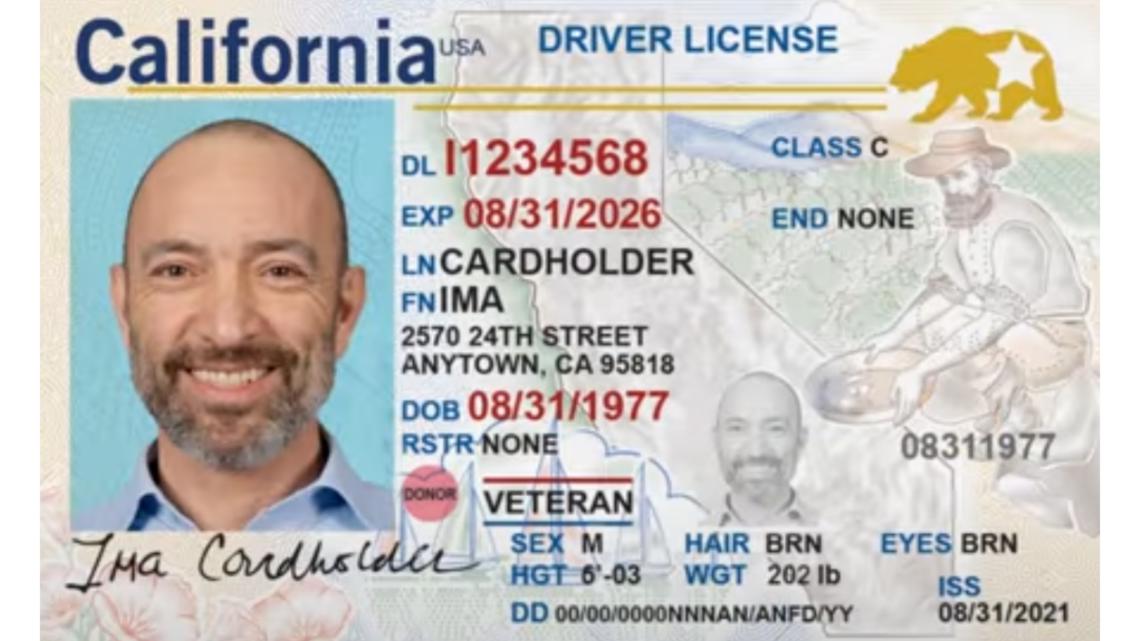
California, like all other states, has been working towards compliance with the REAL ID Act. The state now issues two types of driver’s licenses and identification cards: a standard California driver’s license/ID and a REAL ID compliant driver’s license/ID. The key differentiator is a gold bear with a star, or a gold star, on the upper right-hand corner of the card, signifying that it is a federally compliant REAL ID. If your California driver’s license or ID card does not have this star, it is considered a standard ID. While accepted for domestic air travel for a transitional period, there came a point where it would no longer be a valid form of identification for boarding a plane for domestic flights. This distinction is crucial, as many travelers may possess a standard California ID without realizing it will not meet future federal requirements for air travel.
The Impending Deadline and Its Implications
The final deadline for REAL ID enforcement for domestic air travel was May 7, 2025. After this date, every air traveler 18 years of age and older flying within the United States will need a REAL ID compliant driver’s license or identification card, or another acceptable form of identification, to board a domestic flight. The implications are significant: travelers presenting a non-compliant ID after this deadline will face the risk of being denied entry to the security checkpoint and, consequently, denied boarding. This national enforcement means that whether you are flying from Los Angeles International Airport, San Francisco International Airport, or a smaller regional airport within California, your identification must meet the federal standard. The transition period allowed for public awareness and for states to implement the necessary changes, but the final deadline underscores the urgency for travelers to update their identification.
Acceptable Forms of Identification for Domestic Flights
While the focus often shifts to the REAL ID, it’s important to remember that it is just one of several acceptable forms of identification for domestic air travel. The Transportation Security Administration (TSA) has a comprehensive list of documents it will accept, offering alternatives for those who do not yet possess a REAL ID compliant state identification.
Primary Accepted Documents
For travelers 18 years of age and older, the primary accepted forms of identification are those that meet federal security standards. These include:
- REAL ID Compliant State Driver’s Licenses or Other State Photo Identity Cards: These are the most common form of ID and are distinguishable by the star symbol.
- U.S. Passport or U.S. Passport Card: These documents are federally issued and universally accepted for domestic travel. They are also essential for international travel.
- DHS Trusted Traveler Cards: Programs like Global Entry, NEXUS, and SENTRI provide cards that are also accepted.
- Permanent Resident Card: Also known as a Green Card, this is a valid form of identification.
- U.S. Military ID: Active-duty military personnel and their dependents can use their military IDs.
- Other Federally Recognized Photo IDs: This category includes various government-issued IDs, such as a Department of Defense ID or a tribal-issued ID.
Having one of these documents readily available is the most straightforward way to navigate airport security checkpoints for domestic flights.
Alternatives for Travelers Without a REAL ID
Even if you don’t have a REAL ID compliant state ID, you can still fly domestically as long as you have another acceptable form of identification. The most common and reliable alternative for most people is a valid U.S. Passport or U.S. Passport Card. These documents are recognized by federal law enforcement and are therefore perfectly acceptable. Other alternatives include:
- Foreign government-issued passports (for non-U.S. citizens).
- Border Crossing Cards.
- DHS designated enhanced driver’s licenses (issued by certain states, but not California for REAL ID purposes, which are different).
It’s always recommended to carry a government-issued photo ID. If you have any concerns, checking the official TSA website before your trip is the best course of action.
Special Considerations for Minors
For travelers under 18 years of age, the rules are slightly different. The TSA does not require children under 18 to present identification when traveling with an adult within the United States. However, the adult companion will need to provide acceptable identification. While not required, some airlines may have specific policies or recommend carrying some form of identification for minors, such as a birth certificate or school ID, especially for international travel or in cases of unforeseen circumstances or airline-specific unaccompanied minor programs.
What Happens If You Arrive at the Airport Without a REAL ID or Alternative?

The thought of arriving at the airport without the proper identification is a common travel anxiety. While possessing a non-compliant ID after the deadline could lead to being denied boarding, the TSA does have procedures in place for travelers who inadvertently arrive without acceptable identification. However, these procedures are not guaranteed to result in boarding and often involve significant delays.
The TSA’s Verification Process
If you arrive at the security checkpoint without a REAL ID or another acceptable form of identification, the TSA officer may be able to verify your identity using publicly available databases. This process typically involves asking you to provide additional information, such as your name, current address, and other identifying details. You may also be subject to an enhanced screening process, which could include a pat-down, a search of your carry-on luggage, and an interview with a TSA officer. This secondary verification is time-consuming and can cause you to miss your flight. It’s crucial to understand that this is not a guaranteed pathway to boarding; it is a discretionary process.
Documents That Might Help (But Aren’t Guaranteed)
While not considered primary forms of identification for boarding, certain documents can assist the TSA in their identity verification process if you lack a compliant ID. These might include:
- Credit cards
- Bank statements
- Utility bills
- Birth certificates
- Social Security cards
These documents might help confirm your identity when cross-referenced with databases, but they cannot replace a valid, government-issued photo ID as the primary credential for air travel. Travelers should not rely on these documents as substitutes for acceptable identification.
Denied Boarding: A Real Possibility
The most critical consequence of not having acceptable identification is the very real possibility of being denied boarding. The TSA’s priority is aviation security, and if they cannot verify a traveler’s identity to their satisfaction, they will not permit entry to the sterile area of the airport. This means you won’t be able to proceed through security to your gate, and consequently, you will miss your flight. This outcome is not only a major inconvenience but can also lead to significant financial loss due from rebooking fees, missed connections, or canceled plans. To avoid this stressful scenario, it is absolutely essential to confirm that you have proper identification well in advance of your travel date.
Proactive Steps for California Residents and Travelers
For California residents, taking proactive steps to ensure REAL ID compliance is the smartest approach to stress-free domestic air travel. Understanding the application process and planning ahead can prevent last-minute rushes and potential travel disruptions.
Obtaining a REAL ID in California
Getting a REAL ID in California involves a visit to the California Department of Motor Vehicles (DMV). The process requires specific documentation to verify your identity, residency, and Social Security number. Typically, you will need:
- Proof of identity (e.g., U.S. birth certificate, passport, permanent resident card).
- Proof of Social Security number (e.g., Social Security card, W-2 form, paystub with full SSN).
- Two proofs of California residency (e.g., utility bill, rental agreement, mortgage statement).
- Proof of name change (if applicable, e.g., marriage certificate, court order).
It is highly recommended to fill out the online application and upload your documents beforehand on the DMV website to expedite your visit. Scheduling an appointment is also advisable to minimize wait times. Once processed, your new REAL ID compliant driver’s license or identification card, featuring the gold star, will be mailed to you.
Planning Ahead for Your Travel
Effective travel planning extends beyond booking flights and accommodations; it includes verifying your travel documents. Before any domestic flight, especially after the REAL ID deadline, always:
- Check Your ID: Ensure your California ID has the gold star or bear. If not, make sure you have an alternative acceptable ID like a U.S. passport.
- Verify Expiration Dates: All forms of ID must be valid and unexpired.
- Carry Multiple Forms of ID: While only one is required, having a backup, such as a passport in addition to your REAL ID, can be a lifesaver in case of loss or damage.
- Arrive Early: Even with proper ID, unexpected delays can occur. Arriving at the airport with ample time allows for contingencies.
Resources for Further Information
For the most up-to-date and authoritative information regarding identification requirements, travelers should consult official sources. The Transportation Security Administration (TSA) website (TSA.gov) provides detailed information on acceptable forms of ID, the REAL ID Act, and frequently asked questions. Similarly, the Department of Homeland Security (DHS) website offers comprehensive details on the REAL ID program. For California specific information, the California Department of Motor Vehicles (DMV) website is the go-to resource.
Navigating International Travel and ID Requirements
While the REAL ID Act specifically targets domestic air travel, it’s essential to understand that its requirements do not supersede or affect international travel regulations.
Passport Mandates for International Journeys
Regardless of whether you possess a REAL ID compliant state identification, a valid U.S. Passport is mandatory for all international air travel. A state-issued driver’s license, even a REAL ID compliant one, is never sufficient for boarding an international flight to most countries. This is a fundamental principle of international travel law and border control. If your travel plans include leaving the United States, your primary focus should be on ensuring your passport is valid and up-to-date, typically with at least six months of validity remaining beyond your intended return date.
Dual Citizenship and ID Considerations
For individuals holding dual citizenship, the passport requirement for international travel remains unchanged. When entering or exiting the United States, U.S. citizens are generally required to use their U.S. passport. The existence of a second citizenship or a foreign passport does not exempt a U.S. citizen from using their U.S. passport for international travel to and from the United States. The REAL ID standards are completely separate from these international travel requirements.
LifeOutOfTheBox is a participant in the Amazon Services LLC Associates Program, an affiliate advertising program designed to provide a means for sites to earn advertising fees by advertising and linking to Amazon.com. Amazon, the Amazon logo, AmazonSupply, and the AmazonSupply logo are trademarks of Amazon.com, Inc. or its affiliates. As an Amazon Associate we earn affiliate commissions from qualifying purchases.