
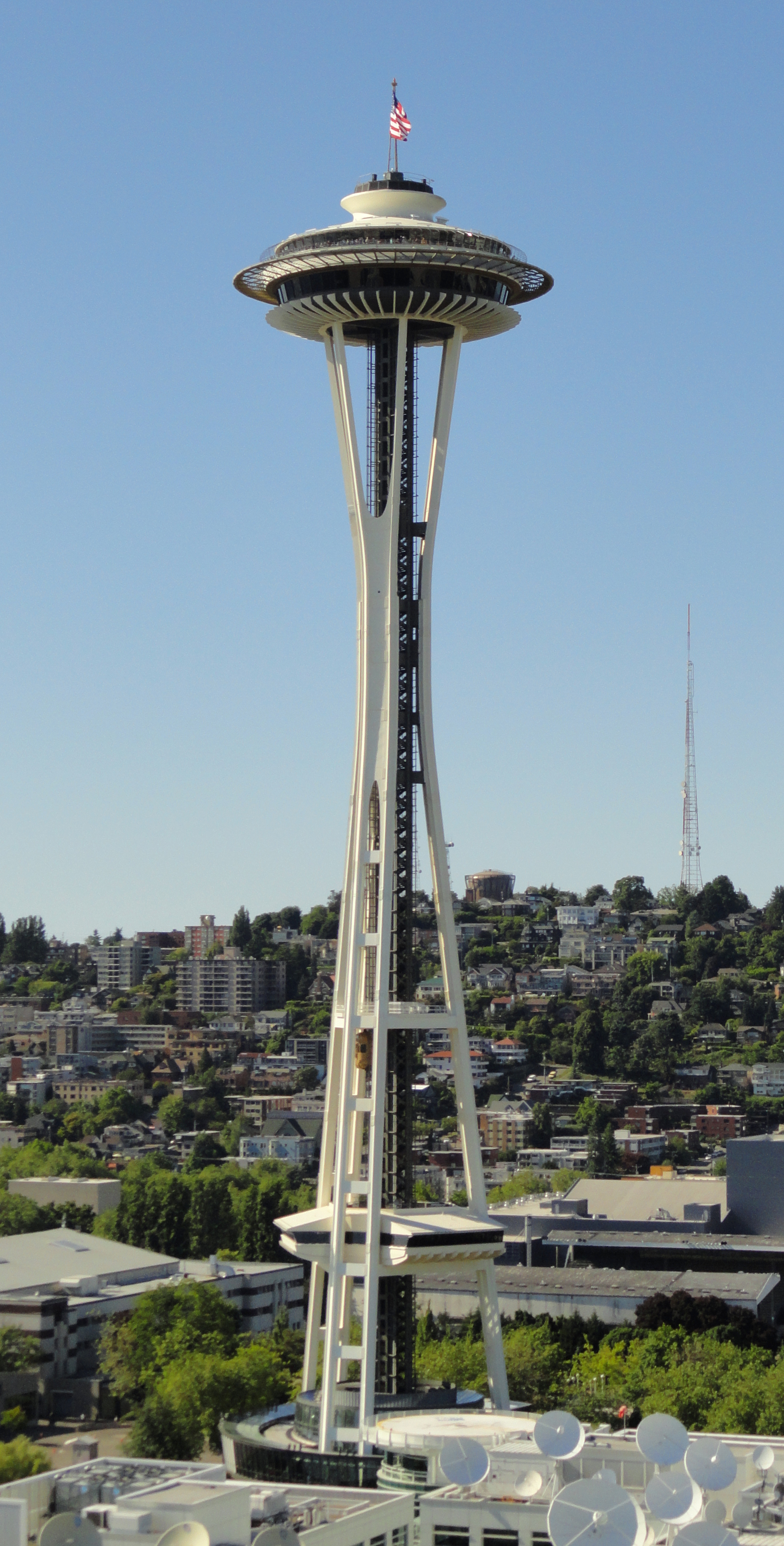
The iconic Space Needle in Seattle, Washington, stands as a towering testament to mid-century optimism and architectural daring. Its distinctive saucer-shaped top and slender base have made it an instantly recognizable silhouette against the Pacific Northwest skyline. For millions of visitors and locals alike, the question of its construction is often intertwined with the broader narrative of its creation and its enduring significance as a landmark. Understanding when the Space Needle was built is key to appreciating its place in history and its ongoing role in the city’s identity.
The genesis of the Space Needle is intrinsically linked to a specific event: the 1962 World’s Fair, officially known as the Century 21 Exposition. This ambitious fair, themed “The Age of Space,” aimed to showcase technological advancements and future possibilities, a vision perfectly embodied by the futuristic design of the Space Needle. The fair’s organizers envisioned a landmark that would symbolize this forward-looking spirit and draw visitors from across the globe. The concept for the Needle emerged from a competition, with the winning design attributed to Edward E. Carlson, a former architect and grandson of a Norwegian immigrant. Carlson’s initial sketch, famously drawn on a placemat, depicted a vision of a “flying saucer” atop a towering structure, a concept that would soon take shape in steel and concrete.
The Race Against Time: Construction and Completion
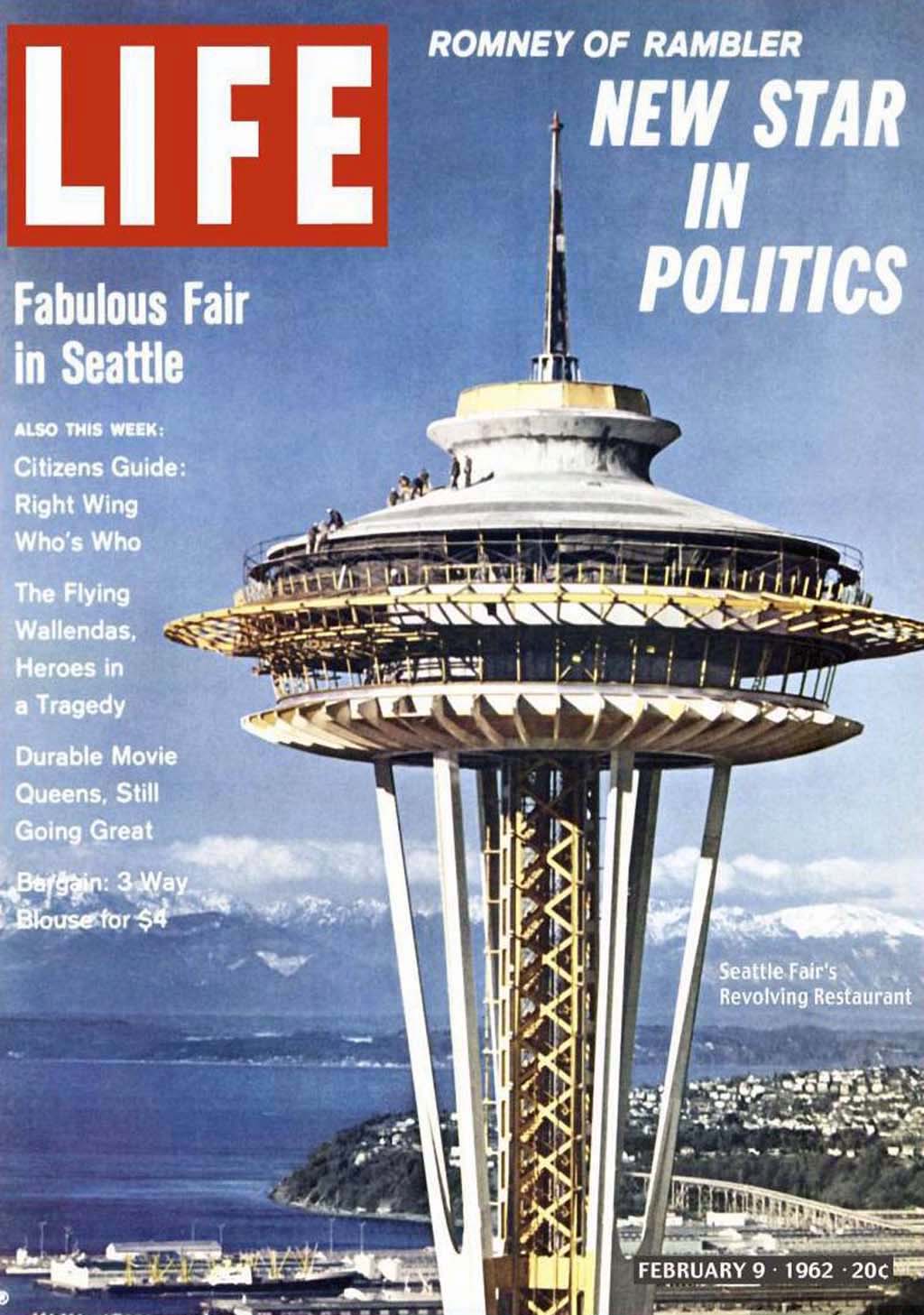
The construction of the Space Needle was a remarkable feat of engineering and project management, undertaken with a pressing deadline in mind: the opening of the 1962 World’s Fair. The project officially broke ground on April 23, 1961, marking the beginning of a rapid and ambitious construction phase. The site chosen was at the northwestern edge of the fairgrounds, a location that would provide spectacular views of the exposition and the surrounding cityscape, including Puget Sound and the majestic Olympic Mountains.
The construction process itself was a series of logistical and technical challenges. Due to the Needle’s height and the need for stability in a region prone to seismic activity, a deep foundation was essential. Engineers sunk a massive concrete mat, 30 feet deep and 100 feet in diameter, into the ground. This foundation, weighing 5,700 tons, provided the necessary anchor for the towering structure. The main shaft of the Needle was erected using a self-climbing formwork system, allowing concrete to be poured and solidified in stages as the tower grew upwards. This method was crucial for achieving the desired height and structural integrity efficiently.
Engineering Marvels and Materials
The iconic “flying saucer” top, which houses the observation deck and restaurant, was constructed at ground level and then hoisted into place. This prefabrication approach was innovative for its time and helped to streamline the construction process. The saucer itself is composed of a steel frame covered with aluminum panels. Its weight, approximately 250 tons, presented another significant engineering hurdle to overcome.
A total of 4,000 cubic yards of concrete and 590 tons of steel were used in the construction of the Space Needle. The structure stands at a height of 605 feet (184 meters), with the observation deck located at 520 feet (158.5 meters). The construction crew, working tirelessly, managed to complete the immense project in a remarkably short period. The Space Needle was officially completed on October 21, 1961, just a few months before the World’s Fair commenced, solidifying its status as a symbol of successful, timely execution against ambitious goals.
The Space Needle’s Grand Debut and Early Years
The Space Needle’s official debut coincided with the grand opening of the 1962 World’s Fair on April 21, 1962. From the moment the fair doors opened, the Needle was an instant sensation. Millions of visitors flocked to the site, eager to ascend the towering structure and witness the panoramic views it offered. The fair itself was a tremendous success, attracting over 10 million attendees, and the Space Needle was undeniably its star attraction.
The early years of the Space Needle were characterized by its role as a vibrant hub of activity and a symbol of progress. The revolving restaurant at the top, known as SkyCity, opened to great acclaim, offering diners an unparalleled perspective of Seattle and its surroundings. The observation deck provided visitors with a breathtaking 360-degree vista, cementing the Needle’s reputation as a must-visit destination. Its futuristic design and advanced engineering captured the imagination of a public captivated by the dawn of the space age.
A Symbol of a New Era
The Space Needle was more than just a tourist attraction; it represented a city looking towards the future. Seattle, at the time, was a burgeoning metropolis, and the Needle served as a bold declaration of its ambition and forward-thinking spirit. Its construction was a catalyst for urban development and helped to put Seattle on the map as a significant American city. The architectural style, often described as Googie or Space Age, was highly fashionable in the mid-20th century, further aligning the Needle with the contemporary zeitgeist.
The success of the 1962 World’s Fair and the enduring popularity of the Space Needle ensured its survival and continued prominence long after the exposition concluded. While many of the fair’s temporary structures were dismantled, the Space Needle was a permanent addition, quickly becoming an integral part of the city’s identity.
The Space Needle Today: A Modern Icon
Decades after its construction, the Space Needle remains one of Seattle’s most beloved and visited landmarks. It has transcended its original purpose as a fairground attraction to become a timeless icon, recognized globally. While its historical significance is undeniable, the Space Needle has also undergone significant renovations and upgrades to ensure its continued relevance and appeal to contemporary visitors.
Perhaps the most substantial modernization occurred with the “Loupe” project, completed in 2018. This ambitious renovation not only updated the observation deck and restaurant but also introduced a revolutionary glass floor, offering visitors an unprecedented, unobstructed view of the ground 500 feet below. The Loupe, as it is known, provides a thrilling and immersive experience, further enhancing the attraction’s draw for both local residents and tourists. The observation level was also significantly enhanced, featuring tilting glass benches and expansive floor-to-ceiling windows that maximize the panoramic views.

Preserving a Legacy, Embracing the Future
The Space Needle’s enduring appeal lies in its ability to balance its rich history with modern innovation. It continues to serve as a vital element of the Seattle skyline and a key destination for those exploring the city’s attractions. Its construction in the early 1960s for the 1962 World’s Fair marked a pivotal moment, not just for the city of Seattle, but for architectural and engineering aspirations worldwide.
Beyond its physical presence, the Space Needle has also become a powerful symbol of the Pacific Northwest. It evokes a sense of place and belonging for those who live in the region and represents the spirit of innovation and forward-thinking that characterizes much of the area. Its iconic status ensures that the question of when it was built will continue to be a point of interest, reflecting on a time when a bold vision transformed a dream into an enduring reality. From its rapid construction to its ongoing evolution, the Space Needle’s story is a compelling narrative of ambition, engineering prowess, and lasting cultural impact, solidifying its place as a truly monumental landmark.
LifeOutOfTheBox is a participant in the Amazon Services LLC Associates Program, an affiliate advertising program designed to provide a means for sites to earn advertising fees by advertising and linking to Amazon.com. Amazon, the Amazon logo, AmazonSupply, and the AmazonSupply logo are trademarks of Amazon.com, Inc. or its affiliates. As an Amazon Associate we earn affiliate commissions from qualifying purchases.