
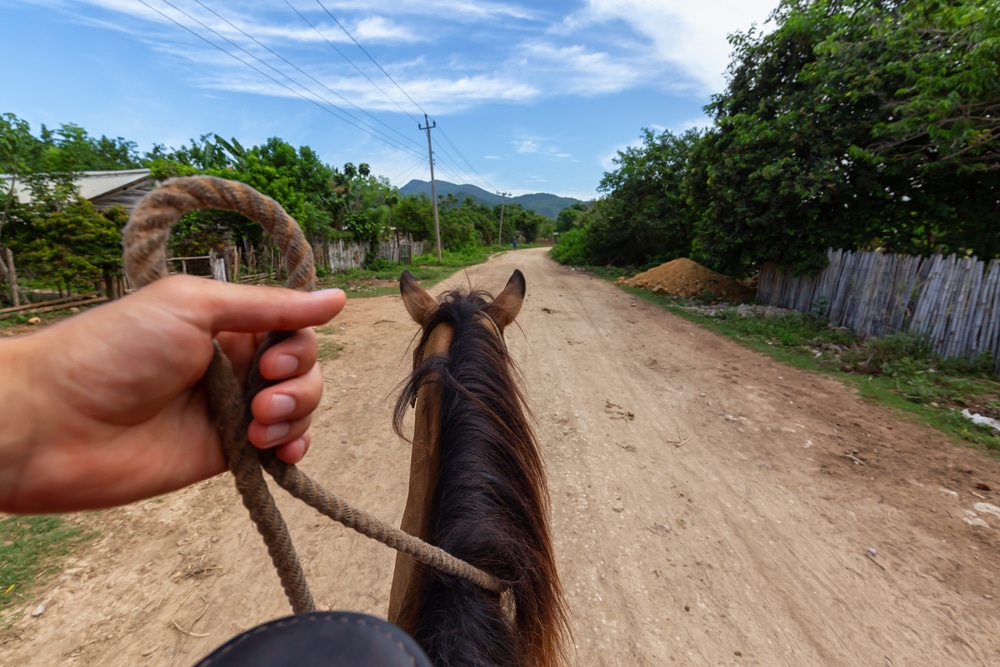
The image of a cowboy riding into the sunset is synonymous with the American West, and nowhere is this more true than in Arizona. The Grand Canyon State offers unparalleled opportunities for equestrian adventures, from scenic trail rides through majestic deserts to participation in local rodeos and ranch experiences. Horseback riding is deeply woven into the fabric of Arizona’s local culture and remains a popular activity for both residents and a significant draw for tourists seeking an authentic Western experience. However, as with any activity, especially one involving travel and exploration, it’s crucial to understand the local laws and regulations. A question that often surfaces, perhaps with a chuckle, but carries serious implications, is whether one can receive a DUI while riding a horse in Arizona. The answer, surprisingly to some, is a resounding yes. This isn’t just a quirky legal loophole; it’s a testament to Arizona’s comprehensive approach to public safety, extending beyond traditional motorized vehicles to encompass any form of conveyance when a person is under the influence. Understanding this aspect of Arizona law is a vital tip for anyone planning to immerse themselves in the state’s rich equestrian scene.
Understanding Arizona’s DUI Laws Beyond Motorized Vehicles
When most people hear “DUI,” they immediately think of cars, trucks, or motorcycles. However, Arizona’s statutes regarding operating under the influence are notably broad, designed to ensure public safety across various modes of transportation. This expansive interpretation is critical for anyone engaging in local activities, particularly those involving non-motorized forms of conveyance.
The Broad Definition of “Vehicle” in Arizona Statutes
Arizona Revised Statutes (ARS) § 28-1381 defines operating a vehicle under the influence. Crucially, the term “vehicle” is not limited to those with engines. ARS § 28-101 defines a “vehicle” as “a device in, on or by which any person or property is or may be transported or drawn on a public highway.” While the statute explicitly excludes devices moved solely by human power (like bicycles, though specific cities may have local ordinances), a horse, being an animal controlled by a rider and capable of transporting a person, falls squarely within this broad definition in practice.
The legal precedent in Arizona has consistently supported this interpretation. Courts have ruled that individuals operating non-motorized conveyances, including horses, can be charged with DUI if they are impaired to the slightest degree. This isn’t unique to Arizona; many other states have similar broad definitions, but Arizona’s enforcement is particularly noteworthy given its strong equestrian culture. For tourists enjoying a trail ride or locals participating in a rural gathering, this legal nuance is a critical piece of information. It means that the same standards of sobriety that apply to driving a car also apply to guiding a horse, especially if you are on a public road or trail accessible by the public.
Intent of the Law: Ensuring Public Safety
The underlying intent of these expansive DUI laws is not to target horseback riders specifically, but to uphold public safety universally. An impaired individual, regardless of their mode of transport, poses a risk. On a horse, this risk is multi-faceted:
- For the Rider: Impaired judgment can lead to falls, serious injuries, or even death. A horse, even a well-trained one, is an animal with its own instincts and can react unpredictably. An impaired rider cannot effectively control the animal or react to unexpected situations.
- For the Animal: An impaired rider can accidentally or intentionally harm the horse due to lack of control or poor judgment. The horse’s welfare is also a significant concern.
- For the Public: An uncontrolled or erratically ridden horse on a public road, trail, or even in a crowded event area can endanger pedestrians, other riders, motorists, and property. The potential for collisions or stampedes, though rare, is a serious consideration.
Given the prevalence of horseback riding as an activity across Arizona—from bustling urban parks where horses might share trails with joggers to remote wilderness areas and vast cattle ranches—the law serves as a crucial safeguard. It underscores the responsibility that comes with operating any form of transport, ensuring that everyone can safely enjoy Arizona’s diverse landscapes and activities. This comprehensive approach to safety is a defining characteristic of Arizona’s legal framework and a key “tip” for anyone planning their visit or activities within the state.
Horseback Riding and Impairment: A Real-World Scenario
Arizona’s rugged beauty and vast open spaces make it a prime destination for equestrian activities. From the desert landscapes surrounding Tucson and Phoenix to the cooler high country near Flagstaff, horseback riding is an iconic way to experience the state. However, the enjoyment of these activities must always be tempered with responsibility, especially concerning impairment.
Popularity of Equestrian Activities in Arizona
Arizona offers an incredible array of equestrian experiences that attract both seasoned riders and curious tourists. Dude ranches, like Tanque Verde Ranch in Tucson or White Stallion Ranch also near Tucson, provide immersive experiences where guests can learn to ride, herd cattle, and explore miles of scenic trails. Many national and state parks, such as South Mountain Park in Phoenix or the trails around Sedona, feature extensive equestrian paths, making horseback riding a popular way to sightsee and connect with nature. Furthermore, local events, festivals, and parades often feature horses, showcasing Arizona’s vibrant Western heritage.
These activities are not just for locals; they are significant tourist attractions, drawing visitors from around the globe eager to live out a “cowboy” fantasy. Many ranches and tour operators offer package deals that include riding, often followed by social gatherings where alcohol might be served. It’s in these celebratory or relaxed settings where the line between enjoyment and impairment can become blurred, leading to situations where individuals might mistakenly think it’s acceptable to ride a horse after consuming alcoholic beverages. Understanding this risk is crucial for any visitor planning to partake in these culturally rich activities.
Risks Associated with Impaired Horseback Riding
The risks associated with riding a horse while impaired are substantial and often underestimated. Unlike a motor vehicle, which might have safety features like airbags or seatbelts, a horse offers no such protection. The rider is directly exposed to potential falls, which can result in severe head injuries, broken bones, or internal trauma.
Furthermore, a horse is a living, thinking animal. Its behavior can be unpredictable, influenced by its environment, mood, and interactions with the rider. An impaired rider’s reaction time is slowed, their coordination is compromised, and their judgment is clouded. This significantly increases the likelihood of:
- Loss of Control: An impaired rider may struggle to give clear commands, maintain balance, or respond effectively if the horse spooks, bolts, or becomes unruly.
- Animal Mistreatment: Lack of coordination can lead to unintentional rough handling of the reins or spurs, causing distress or injury to the horse.
- Endangerment of Others: An out-of-control horse, especially on a public trail or road, poses a grave danger to hikers, cyclists, other riders, and even passing vehicles. Imagine a horse wandering into traffic or colliding with a group of pedestrians; the consequences could be catastrophic.
- Legal Consequences: Beyond the physical dangers, there are the very real legal consequences of a DUI charge, which can significantly impact a person’s travel plans, finances, and future.
For tourism operators and visitors alike, promoting responsible equestrian practices is paramount. This means not only adhering to safety guidelines but also respecting the law, particularly concerning alcohol and drug consumption when engaging in activities that involve controlling an animal. The natural beauty and thrill of horseback riding in Arizona should always be enjoyed responsibly and soberly.

Legal Ramifications: What to Expect if Charged
Being charged with a DUI, whether in a car or on a horse, carries significant legal ramifications in Arizona. For tourists, this can transform a dream vacation into a legal nightmare, leading to unexpected expenses, travel disruptions, and a criminal record. Understanding these potential consequences is a crucial tip for anyone visiting or residing in Arizona.
Penalties for “Non-Motorized” DUIs
While riding a horse under the influence might seem less severe than driving a car, the penalties under Arizona law for a “non-motorized” DUI are often comparable to those for a standard vehicle DUI. The core violation is operating any vehicle while impaired. Arizona law provides a tiered system of DUI penalties, and a horse DUI would generally fall under the “regular” DUI statute (ARS § 28-1381).
For a first-time “regular” DUI offense, individuals can face:
- Jail Time: A minimum of 10 consecutive days in jail, though this can be reduced to 1 day if the individual completes an alcohol screening and education program.
- Fines and Fees: Substantial fines and surcharges, potentially totaling over $1,250.
- Alcohol Education: Mandatory participation in alcohol or drug screening, education, and treatment programs.
- Ignition Interlock Device: While a horse doesn’t have an ignition, the court may still mandate an ignition interlock device for any motorized vehicle the individual owns or operates in the future, if they have a driver’s license. This highlights how seriously Arizona treats DUI offenses.
- Driver’s License Suspension: Even though the DUI occurred on a horse, a driver’s license suspension (typically for 90 days to a year) is a common penalty, as the underlying offense is against the privilege of operating a “vehicle.” For tourists, this could affect their ability to rent a car or drive legally if they return to the state or even in their home state/country.
- Probation: Up to five years of supervised probation.
Aggravating factors, such as having a blood alcohol content (BAC) of 0.15% or higher (Extreme DUI) or 0.20% or higher (Super Extreme DUI), or having a minor in the vehicle, could lead to even harsher penalties, including longer jail sentences and higher fines. While having a minor on a horse is less common, the principle of enhanced penalties for higher impairment levels would still apply.
Potential Impact on Your Travel Plans or Reputation
A DUI charge, regardless of the vehicle, can have profound impacts, especially for tourists.
- Travel Disruptions: An arrest often leads to immediate detainment, requiring bail and legal proceedings that can significantly delay or completely derail travel plans. Depending on the severity and whether a bond is posted, a person might be unable to leave Arizona for an extended period.
- Financial Strain: The combination of fines, legal fees, court costs, and potential lost income due to travel delays can be financially devastating.
- Criminal Record: A DUI is a criminal offense. A conviction will result in a permanent criminal record, which can have long-term consequences for employment, professional licenses, housing, and even future travel, particularly to countries with strict entry requirements.
- Reputation Damage: For individuals, especially those in positions of public trust or responsibility, a DUI conviction can severely damage personal and professional reputations.
- Immigration Issues: For international visitors, a criminal conviction, including a DUI, can lead to visa denials, issues with re-entry into the United States, or even deportation in severe cases.
Given these significant consequences, it’s clear that the seemingly innocuous act of riding a horse after a few drinks can lead to serious and life-altering legal problems. The message is simple and unequivocal: if you plan to enjoy Arizona’s equestrian activities, do so responsibly and soberly.
Staying Safe and Compliant While Enjoying Arizona’s Equestrian Scene
Exploring Arizona on horseback offers an unforgettable experience, providing a unique vantage point to appreciate its stunning natural beauty and rich Western heritage. To ensure these experiences remain positive and safe, both for yourself and the community, it’s crucial to adhere to responsible practices and understand local legal expectations. This section offers essential tips for any tourist or resident engaging with Arizona’s vibrant equestrian scene.
Responsible Practices for Horseback Riders
The core principle for enjoying any activity involving an animal, especially one as powerful and sensitive as a horse, is responsibility. When alcohol or drugs are involved, this responsibility is magnified.
- Designate a Sober Rider: Just like with driving a car, if your group plans to consume alcohol during an outing that involves horseback riding, designate a sober rider. This individual will be responsible for leading the horses and ensuring everyone’s safety. This is particularly important for group trail rides or ranch activities.
- Separate Drinking from Riding: The safest practice is to completely separate alcohol consumption from horseback riding. If you plan to drink, make sure your riding activities for the day are concluded, and you have safe, alternative transportation available for yourself and your horse. Many ranches and resorts offer social events where alcohol is served after riding activities have finished.
- Know Your Limits (and the Law): Understand that even “a few drinks” can impair judgment and lead to a DUI charge. Arizona’s “impaired to the slightest degree” standard means that any noticeable impairment can be grounds for a DUI, regardless of your Blood Alcohol Content (BAC) being below 0.08%.
- Heed Local Ordinances and Ranch Rules: Always pay attention to specific rules set by ranches, tour operators, or local municipalities regarding alcohol consumption and riding. Many private establishments have strict policies to protect their animals and guests. These rules often exceed state law in terms of strictness.
- Prioritize Horse Welfare: A sober rider is better equipped to care for and control their horse. Ensuring the animal’s safety and well-being is a fundamental aspect of responsible horsemanship.
By adopting these responsible practices, you can fully enjoy the authentic Western experiences Arizona offers without putting yourself, your horse, or others at risk.

When to Seek Legal Counsel
Despite best intentions, mistakes can happen, or misunderstandings can arise. If you or someone you know faces a DUI charge related to horseback riding in Arizona, it is imperative to seek legal counsel immediately.
- Early Intervention is Key: The sooner you contact an attorney specializing in DUI cases in Arizona, the better. A legal professional can advise you on your rights, explain the specific charges, and guide you through the complex legal process.
- Navigating Arizona’s Legal System: Arizona’s DUI laws are stringent, and navigating the court system can be challenging, especially for those unfamiliar with local procedures. An attorney can help challenge evidence, negotiate with prosecutors, and work towards the best possible outcome.
- Protecting Your Future: A DUI conviction has long-lasting consequences, impacting your driver’s license, employment, and travel. A knowledgeable attorney can help mitigate these effects and protect your future.
- Understanding Unique Aspects of “Horse DUI”: While the legal principles are similar, the specifics of a “horse DUI” might involve unique considerations regarding the definition of “vehicle” or public vs. private land. An experienced attorney will be familiar with these nuances.
Whether you’re planning a vacation to experience the grandeur of Arizona’s landscapes on horseback or are a resident enjoying local trails, remember that the law applies to everyone and every form of transport. By staying informed, practicing responsible behavior, and seeking professional advice when needed, you can ensure your equestrian adventures in Arizona are memorable for all the right reasons.
LifeOutOfTheBox is a participant in the Amazon Services LLC Associates Program, an affiliate advertising program designed to provide a means for sites to earn advertising fees by advertising and linking to Amazon.com. Amazon, the Amazon logo, AmazonSupply, and the AmazonSupply logo are trademarks of Amazon.com, Inc. or its affiliates. As an Amazon Associate we earn affiliate commissions from qualifying purchases.