
For families embracing a mobile or internationally-minded lifestyle, the choices made regarding a child’s education are paramount. The concept of “school authorization” might seem like a bureaucratic detail, but for parents navigating educational landscapes in diverse locales, especially when considering a move or an extended stay in a dynamic state like California, it’s a critical piece of information. Montessori education, with its child-centered philosophy and emphasis on independent learning, often appeals to families seeking adaptable and holistic learning environments. However, understanding the layers of authorization that govern these schools in California is essential for ensuring quality, continuity, and peace of mind for those making significant lifestyle choices around their children’s development. This article delves into the authorization framework for California Montessori schools, framed within the context of family lifestyle decisions and the pursuit of robust educational pathways.

The Montessori Lifestyle for Modern Families
The Montessori philosophy, pioneered by Dr. Maria Montessori, champions self-directed activity, hands-on learning, and collaborative play. This approach resonates deeply with families who prioritize independence, critical thinking, and a global perspective for their children. For those leading what might be termed a “Montessori lifestyle”—one that values personal growth, community engagement, and a harmonious balance—the educational environment is not merely a place of learning but an extension of their values.
Why Montessori Education Appeals to Nomadic Lifestyles
Families with nomadic lifestyles, whether due to career demands, personal preference for travel, or international relocation, often seek educational models that offer flexibility and a consistent pedagogical approach regardless of location. The standardized yet adaptable nature of the Montessori curriculum can provide a sense of stability for children transitioning between different schools or countries. Its emphasis on individual pace and self-correction helps children adapt to new environments while maintaining their learning trajectory. This makes understanding school authorization crucial, as it provides a benchmark for the quality and authenticity of the Montessori program wherever a family might settle, even temporarily.
Navigating Educational Choices in New Destinations
When a family arrives in a new California city – be it San Francisco, Los Angeles, or a smaller community – finding the right school is often at the top of their priority list. The process can be overwhelming, given the array of options. For those specifically seeking a Montessori environment, verifying the school’s authorization is the first step towards ensuring it truly adheres to the principles they value. Without proper authorization or accreditation, a school labeling itself “Montessori” might not deliver the authentic experience, potentially disrupting a child’s educational continuity and a family’s lifestyle expectations.
Understanding Authorization in California
The authorization landscape for private schools in California, which most Montessori schools are, differs significantly from public schools. There isn’t a single, overarching state-level “Montessori authorization” body, which can be a point of confusion for new residents or those unfamiliar with the system. Instead, authorization often involves a combination of state regulatory compliance and voluntary accreditation by specialized Montessori organizations.
Key Authorizing Bodies and Their Roles
In California, private schools, including Montessori schools, operate with a degree of independence from direct state curriculum oversight, unlike public schools.
- California Department of Education (CDE): The CDE registers private schools, ensuring basic health, safety, and operational standards are met. This is a fundamental layer of authorization for any private school in the state. However, the CDE does not accredit schools or endorse specific educational philosophies like Montessori. Their role is more about regulatory compliance for private institutions as a whole.
- Montessori Accreditation Bodies: For an authentic Montessori program, accreditation from recognized Montessori organizations is paramount. The two most prominent international bodies are the American Montessori Society (AMS) and Association Montessori Internationale (AMI). These organizations set rigorous standards for teacher training, classroom environment, curriculum fidelity, and administrative practices. A school accredited by AMS or AMI has undergone a comprehensive review process, signaling its commitment to true Montessori principles.
- Regional Accrediting Agencies: Many private schools, including Montessori schools, also seek accreditation from regional bodies like the Western Association of Schools and Colleges (WASC). While WASC accreditation focuses on overall institutional quality and educational effectiveness rather than specific pedagogical methods, it assures parents of a school’s commitment to continuous improvement and accountability.
What Accreditation Means for Quality and Portability
For families leading a mobile lifestyle, accreditation offers two significant benefits: quality assurance and portability.
- Quality Assurance: Accreditation by a reputable Montessori body (like AMS or AMI) provides a strong indicator that the school adheres to the high standards of Montessori education. It ensures that teachers are properly trained, materials are authentic, and the classroom environment fosters the unique Montessori learning experience. This is invaluable for parents who may not have the time or expertise to fully vet every aspect of a school in a new location.
- Portability: While not a formal transfer system, a child moving from one AMS or AMI accredited school to another often experiences a smoother transition. The consistency in methodology and philosophy means less disruption to their learning process, a key consideration for families prioritizing educational continuity across different destinations.
Implications for Family Travel and Relocation
The careful consideration of school authorization becomes a cornerstone of successful family travel and relocation plans, especially when education is a non-negotiable aspect of the family’s lifestyle.
Ensuring Educational Continuity Across Moves
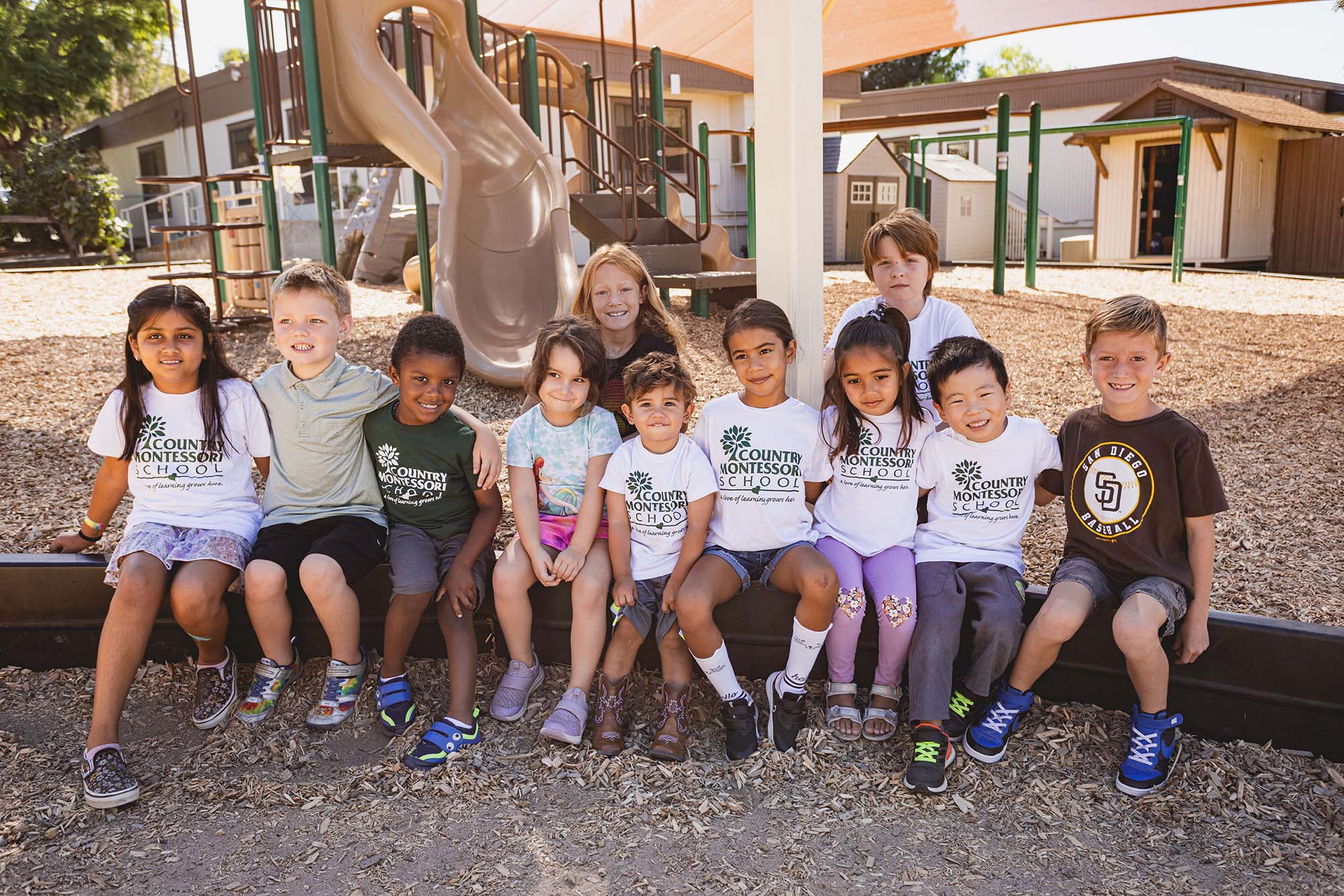
For families moving to California, or even within the state, ensuring that their child’s educational journey remains consistent is a primary concern. A family committed to the Montessori philosophy will want to find a school that aligns seamlessly with previous experiences. By seeking schools with recognized accreditation, parents can increase the likelihood of a child transitioning into a familiar and effective learning environment, minimizing the academic and emotional challenges often associated with relocation. This continuity is vital for fostering independent, confident learners who thrive regardless of their physical location.
Making Informed Decisions for Your Child’s Future
The choice of school profoundly impacts a child’s development, academic trajectory, and overall well-being. For families who view education as an integrated part of their lifestyle, understanding authorization helps them make informed decisions that reflect their values. It moves beyond simply finding a “Montessori school” to finding an authorized and accredited Montessori school that upholds the highest standards. This due diligence empowers parents to confidently choose an educational path that supports their child’s long-term success, whether they envision their child attending university in California or pursuing opportunities abroad as a global citizen.
California’s Unique Educational Landscape
California’s diverse population and innovative spirit are reflected in its wide array of educational options. While this variety can be exciting, it also necessitates a clear understanding of the different types of Montessori schools and how to evaluate them.
Public vs. Private Montessori Schools
While the majority of Montessori schools in California are private, there are also some publicly funded Montessori charter schools.
- Private Montessori Schools: These schools are independently operated and funded primarily through tuition. Their authorization largely comes from the California Department of Education’s registration process and, more crucially for Montessori fidelity, accreditation from AMS or AMI.
- Public Montessori Charter Schools: These schools are publicly funded and operate under a charter granted by a local school district or the State Board of Education. They must adhere to state academic standards while also delivering an approved Montessori curriculum. While they are publicly authorized, their commitment to Montessori principles is still best verified through Montessori-specific accreditation.
Understanding this distinction helps families align their educational choices with their financial considerations and their preference for public or private sector education.
Resources for Families Researching Schools
Families in California have several resources to aid their school search:
- California Association of Independent Schools (CAIS): While not exclusively Montessori, CAIS provides a directory of accredited independent schools in the state, many of which are Montessori schools. Their accreditation process ensures high standards across various areas.
- American Montessori Society (AMS) and Association Montessori Internationale (AMI) Directories: These organizations maintain online directories of their accredited and affiliated schools worldwide. For families seeking an authentic Montessori experience in California, these are the most reliable starting points.
- Local Montessori Parent Groups: Engaging with local parent communities can provide invaluable firsthand insights into specific schools and their authorization status, helping families integrate into their new California community.
Beyond Authorization: A Holistic View for Lifestyle Choices
While authorization is foundational, a truly holistic lifestyle choice for families involves looking beyond the certificates and into the broader community and future implications.
Community and Cultural Integration
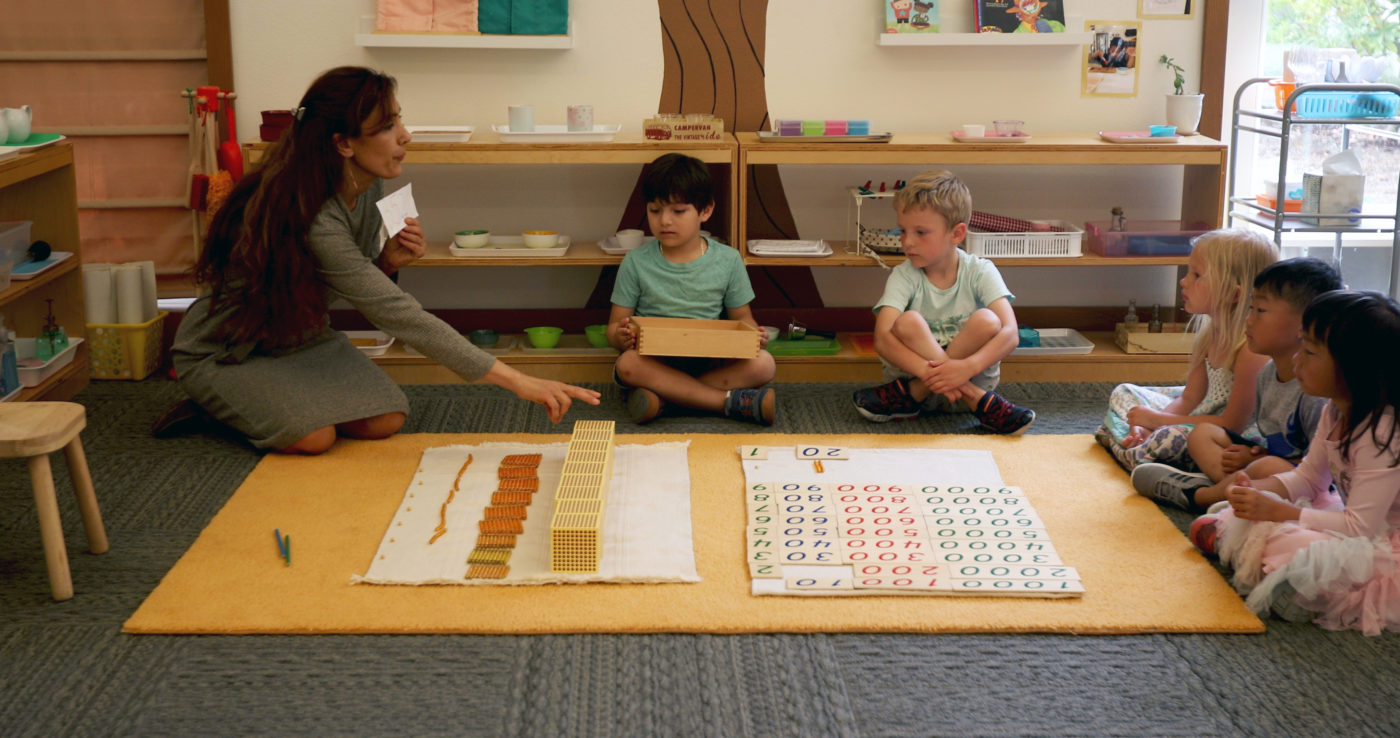
For families embracing a new lifestyle in California, the school often serves as a primary hub for community and cultural integration. An authorized Montessori school not only offers quality education but often cultivates a diverse and welcoming community of like-minded families. This is crucial for establishing social networks, accessing local resources, and feeling rooted in a new environment—an essential aspect of a fulfilling family lifestyle.
Long-term Planning for Global Citizens
The decision about where and how a child is educated in California has ripple effects on their long-term development as global citizens. By understanding and prioritizing proper authorization and accreditation, families are not just choosing a school; they are investing in an educational foundation that is recognized, respected, and adaptable. This foresight empowers children to transition confidently to higher education, international experiences, and a future where their well-rounded Montessori foundation equips them for success in an ever-changing world. The layers of authorization, therefore, are not just administrative hurdles, but signposts guiding families towards enriching and consistent educational pathways that perfectly complement their chosen lifestyle.
LifeOutOfTheBox is a participant in the Amazon Services LLC Associates Program, an affiliate advertising program designed to provide a means for sites to earn advertising fees by advertising and linking to Amazon.com. Amazon, the Amazon logo, AmazonSupply, and the AmazonSupply logo are trademarks of Amazon.com, Inc. or its affiliates. As an Amazon Associate we earn affiliate commissions from qualifying purchases.