
The Colorado River, a name that evokes images of dramatic canyons, shimmering reservoirs, and a lifeline in an arid landscape, is one of North America’s most iconic and geographically significant natural landmarks. Far from being a mere waterway, it is a geological marvel, a critical resource, and a cultural touchstone that has shaped the history and ecology of the American Southwest and parts of Mexico. To understand “where” the Colorado River is, one must embark on a journey that spans over 1,450 miles, traversing a magnificent spectrum of landscapes, from towering mountain ranges to vast desert plains, before its historical terminus in the Gulf of California.
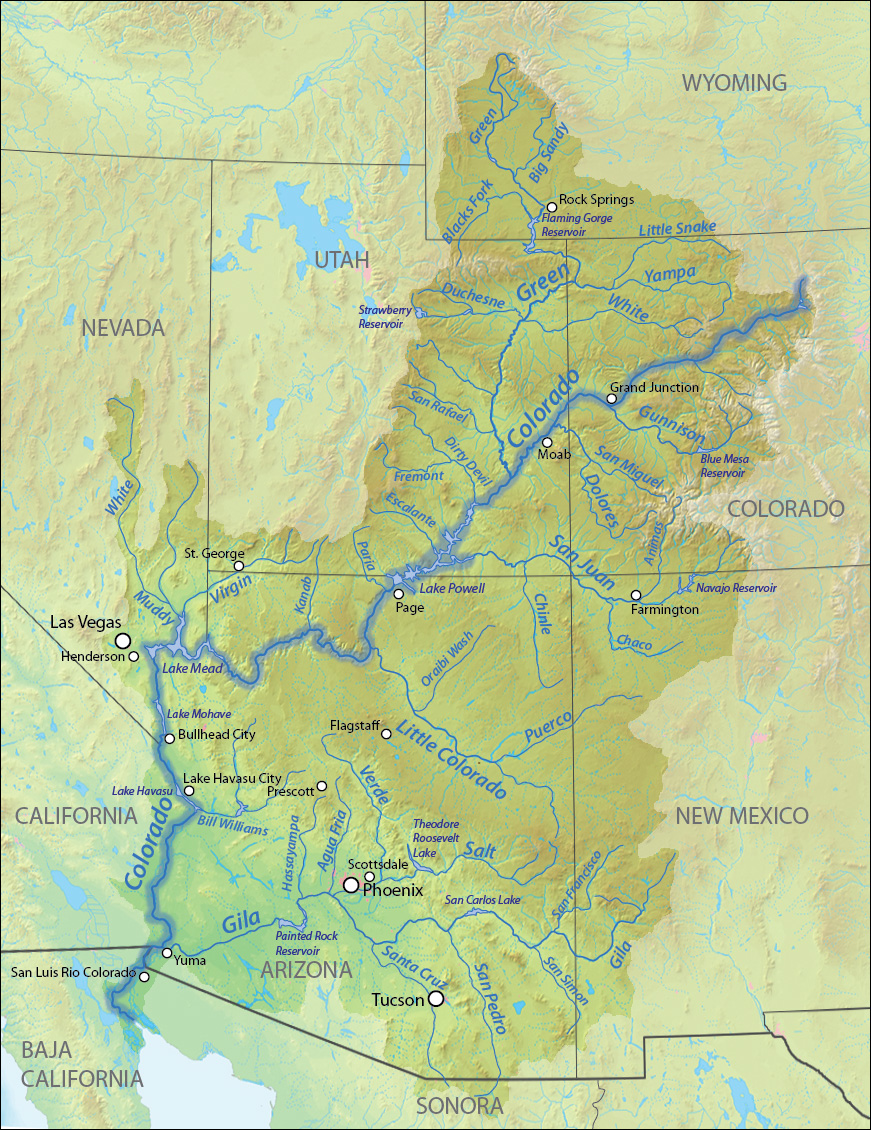
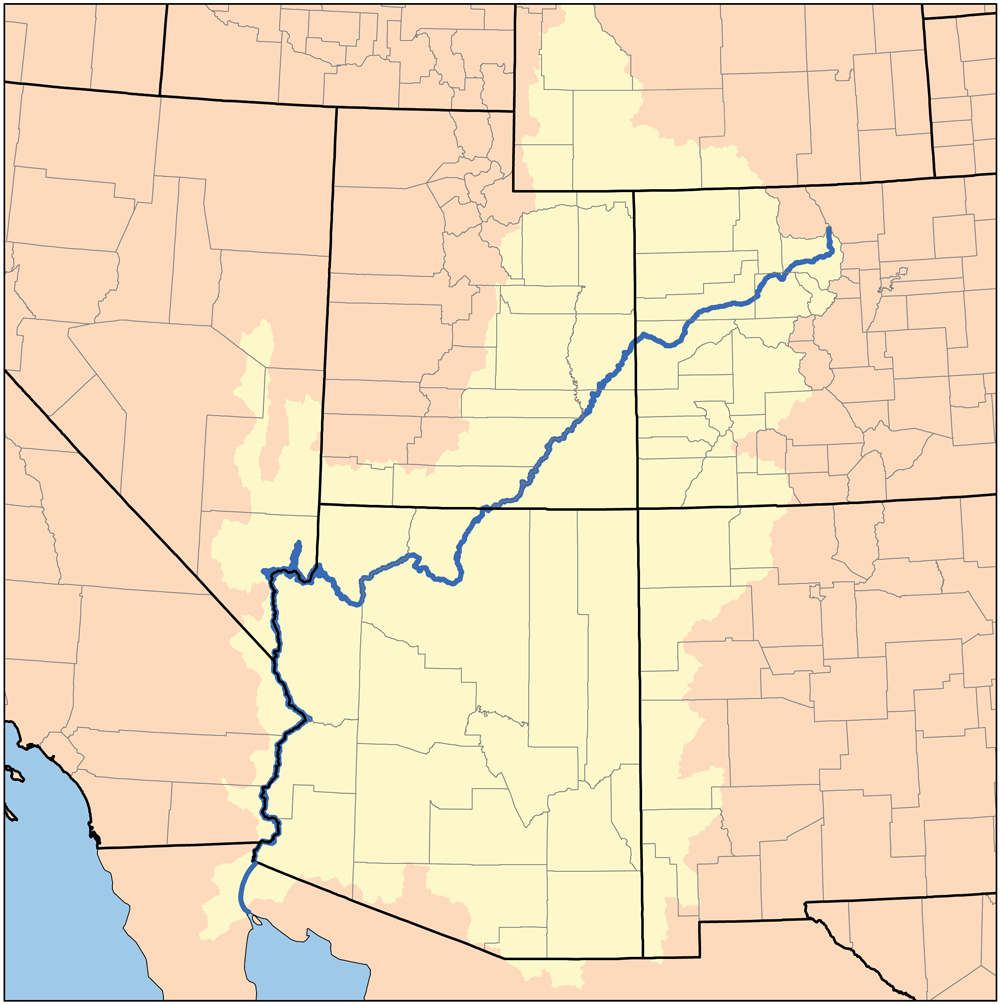
This majestic river originates high in the Rocky Mountains of Colorado and flows southwestward through seven U.S. states—Colorado, Utah, Arizona, Nevada, California, Wyoming, and New Mexico—though its waters are allocated to these seven and two Mexican states. Its course is a testament to the Earth’s enduring power, carving out some of the most breathtaking and recognizable geological features on the planet.
The Lifeline of the Arid West: Tracing the Colorado River’s Course
The journey of the Colorado River is one of unparalleled geographic diversity, a narrative written in water and stone across the vast expanse of the American West. Its existence is an anomaly in an otherwise parched region, acting as a vibrant artery sustaining life, industry, and magnificent natural processes.
From Rockies to the Gulf: A Journey Through Diverse Landscapes
The Colorado River begins its epic voyage at La Poudre Pass, nestled within the Rocky Mountains of north-central Colorado, at an elevation exceeding 10,000 feet. Here, tiny trickles of snowmelt coalesce into the nascent river, beginning its descent. Initially, it flows southwest through the lush alpine meadows and dense forests of Colorado, gathering strength from numerous tributaries. As it leaves the high mountains, it enters the deeply incised canyons of western Colorado and eastern Utah, showcasing dramatic red rock formations that have been meticulously carved over millennia. This segment of the river is characterized by rapid currents and spectacular gorges, a prelude to its most famous masterpiece.
Continuing its westward trajectory, the river flows into Arizona, where it takes a significant turn south and plunges into the immense chasm of the Grand Canyon. This 277-mile-long, mile-deep natural wonder is arguably the river’s most celebrated achievement, a testament to its erosional power. Emerging from the depths of the Grand Canyon, the Colorado River encounters a series of human-made interventions – massive dams and reservoirs that transform its natural flow into a regulated system. It forms the border between Arizona and Nevada, then Arizona and California, before finally crossing into Mexico and, historically, reaching the Gulf of California. Due to extensive diversions for agricultural and municipal use, the river now rarely reaches its delta, a stark reminder of human impact on this natural landmark.
Key Basins: Upper and Lower River Divisions
For management and resource allocation purposes, the Colorado River system is traditionally divided into two main sections: the Upper Basin and the Lower Basin.
- Upper Basin: This region encompasses the river’s headwaters and tributaries within Colorado, Utah, Wyoming, and New Mexico. Key storage facilities in this basin include Lake Powell, impounded by the Glen Canyon Dam. This segment is characterized by higher elevations, significant snowmelt, and dramatic canyon country, including the areas around Moab and Page.
- Lower Basin: This section begins downstream of Lee’s Ferry in Arizona, a crucial gauging station, and extends through Nevada, California, and Mexico. The dominant feature here is Lake Mead, formed by the Hoover Dam. This basin is largely arid and relies heavily on the river’s flow for municipal water supply to major cities like Las Vegas, Phoenix, and Los Angeles, as well as vast agricultural enterprises.
Geographic Significance and Ecological Impact
As a landmark, the Colorado River’s significance extends far beyond its physical location. It is a fundamental force that has sculpted the very face of the continent and continues to underpin the ecological balance and human development of a vast region.
A Water Source for Millions: Cities and Agriculture
The Colorado River system supplies water to approximately 40 million people across its basin and beyond, through an intricate network of canals, pipelines, and aqueducts. Major metropolitan areas like Denver, Salt Lake City, Las Vegas, Phoenix, and Los Angeles depend on its waters for drinking, sanitation, and industrial use. Furthermore, the river irrigates nearly 5.5 million acres of farmland, transforming arid desert landscapes into fertile agricultural zones that produce a significant portion of the nation’s winter vegetables, fruits, and livestock feed. The economic output reliant on the river is estimated to be in the trillions of dollars annually, underscoring its profound role in the economies of the Southwestern U.S.
Shaping Iconic Landscapes: Grand Canyon and Beyond
The Colorado River’s most enduring legacy as a landmark is undoubtedly its role in carving out some of the world’s most spectacular geological formations. The Grand Canyon is the crown jewel, a monumental testament to the river’s erosional power over millions of years, exposing billions of years of Earth’s history in its layered rock walls. But the Colorado River’s creative force doesn’t stop there. It has sculpted other magnificent landscapes, including the dramatic canyons within Canyonlands National Park in Utah, the stunning sandstone cliffs around Page, Arizona (home to Antelope Canyon and Horseshoe Bend), and the vibrant red rock country around Moab, Utah, adjacent to Arches National Park. These landscapes are not just visually stunning; they are vital laboratories for geologists, biologists, and archaeologists.
Biodiversity and Ecosystems
Despite its arid surroundings and extensive human modification, the Colorado River basin supports a diverse array of ecosystems and biodiversity. Riparian zones along the river provide critical habitat for numerous plant and animal species, including migratory birds, fish, and mammals. Unique endemic species, particularly fish adapted to the river’s once-turbid, fluctuating conditions, highlight the river’s distinct ecological character. The transition from alpine to desert environments along its course creates a mosaic of habitats, from mountain forests to the Mojave Desert and Sonoran Desert ecosystems. However, the altered flow regimes, invasive species, and water quality issues pose significant challenges to the long-term health of these fragile ecosystems.
The River’s Historical and Cultural Footprint
The Colorado River is more than a geographic feature; it is a repository of human history, a silent witness to millennia of human ingenuity, struggle, and adaptation.

Indigenous Peoples and Ancient Civilizations
Long before European arrival, indigenous peoples thrived along the Colorado River and its tributaries for thousands of years. Tribes such as the Ancestral Puebloans, Havasupai, Hualapai, Quechan, Mojave, and Ute developed sophisticated societies, utilizing the river’s resources for sustenance, agriculture, and spiritual practices. Their ancient cliff dwellings, petroglyphs, and irrigation systems found throughout the basin are enduring testaments to their deep connection to this life-giving river. The river was a central element in their mythology, trade routes, and way of life, shaping their cultures and enduring legacies.
Exploration, Settlement, and Resource Management
European exploration of the Colorado River began in the 16th century with Spanish conquistadors, but its treacherous canyons largely deterred extensive mapping and settlement until much later. Major expeditions, notably by John Wesley Powell in the late 19th century, finally charted the river’s course, revealing its grandeur and potential. The subsequent American westward expansion brought settlers eager to tap into the river’s potential for agriculture, mining, and eventually, hydroelectric power. This led to complex legal frameworks for water rights, culminating in the 1922 Colorado River Compact, which allocated water among the basin states and laid the groundwork for future development.
Engineering Marvels: Dams and Reservoirs
The 20th century saw an ambitious transformation of the Colorado River into one of the most managed rivers in the world. Engineering feats like the Hoover Dam (completed in 1936) and the Glen Canyon Dam (completed in 1966) created massive reservoirs—Lake Mead and Lake Powell, respectively—that tamed the river’s erratic flow, generated vast amounts of hydroelectric power, and provided reliable water supplies to growing populations and agricultural regions. These dams, along with numerous smaller ones, are themselves iconic landmarks, symbolizing human mastery over nature, even as they represent a profound alteration of the river’s natural state.
Navigating the Colorado: Modern Challenges and Conservation
Today, the [Colorado River](https://lifeoutofthebox.com/colorado-river] faces unprecedented challenges, making its conservation a critical priority for the entire region. Its status as a vital landmark is now intrinsically tied to its future sustainability.
Water Scarcity and Climate Change
The arid climate of the Southwest, coupled with increasing demand for water from a rapidly growing population, has placed immense stress on the Colorado River. Climate change exacerbates this crisis, leading to reduced snowpack in the Rocky Mountains (the river’s primary source), increased evaporation rates from reservoirs, and more frequent and severe droughts. Both Lake Mead and Lake Powell have seen historic low water levels in recent decades, prompting urgent calls for conservation and renegotiation of water allocations.
Interstate Compacts and International Treaties
The governance of the Colorado River is a complex web of laws, agreements, and compacts, often referred to as the “Law of the River.” The foundational Colorado River Compact of 1922, along with subsequent agreements and a treaty with Mexico, dictates how the river’s waters are shared. As conditions change, these agreements are constantly being reviewed and adapted to address the realities of a diminishing water supply, requiring unprecedented cooperation among states and nations.
Conservation Efforts and Future Outlook
Various stakeholders, including government agencies, environmental organizations, and local communities, are engaged in extensive conservation efforts. These include promoting water-efficient agricultural practices, urban water conservation programs, dam management adjustments, and ecosystem restoration projects. The future of the Colorado River as a sustainable landmark hinges on innovative solutions, shared sacrifice, and a collective commitment to responsible stewardship, ensuring its vital flow for generations to come.
Experiencing the Colorado River: A Landmark of Adventure and Beauty
Despite its environmental challenges, the Colorado River remains a captivating landmark, offering unparalleled opportunities for recreation and appreciation of its natural grandeur.
Iconic Destinations Along the River
For those seeking to experience this legendary river firsthand, numerous destinations provide access to its diverse beauty:
- Grand Canyon National Park: The quintessential Colorado River experience, offering rim views, hiking into the canyon, and whitewater rafting trips.
- Lake Powell & Glen Canyon National Recreation Area: A vast recreational paradise for boating, houseboating, kayaking, and exploring slot canyons near Page, Arizona.
- Lake Mead National Recreation Area: Close to Las Vegas, offering boating, fishing, and access to the Hoover Dam.
- Canyonlands National Park: Where the Colorado River and Green River merge, offering spectacular mesa-top views and backcountry adventures.
- Moab, Utah: A hub for whitewater rafting, kayaking, and scenic drives along the river’s upper stretches.
- Yuma, Arizona: Offers a glimpse into the lower river’s history and its role in agriculture near the Mexican border.
Recreational Opportunities
The Colorado River is synonymous with outdoor adventure. Whitewater rafting, from multi-day expeditions through the Grand Canyon to exciting day trips, draws thrill-seekers from around the globe. Kayaking and paddleboarding are popular on calmer stretches and within reservoirs. Fishing is a favored pastime, with various species inhabiting different sections of the river. Hiking along its banks, camping in designated areas, and scenic drives offering panoramic views are also integral to experiencing this magnificent landmark.
In conclusion, “Where is the Colorado River?” is a question with a profound answer. It is in the heart of the American West, winding its way through eight states and into Mexico. It is etched into the very geology of the land, a testament to natural power. It is in the homes and fields of millions, a source of life and prosperity. And it is in the collective consciousness, a celebrated landmark that inspires awe, wonder, and a deep sense of responsibility for its future. Its location is not merely a point on a map, but a dynamic, ever-evolving story of nature and humanity intertwined.
LifeOutOfTheBox is a participant in the Amazon Services LLC Associates Program, an affiliate advertising program designed to provide a means for sites to earn advertising fees by advertising and linking to Amazon.com. Amazon, the Amazon logo, AmazonSupply, and the AmazonSupply logo are trademarks of Amazon.com, Inc. or its affiliates. As an Amazon Associate we earn affiliate commissions from qualifying purchases.