
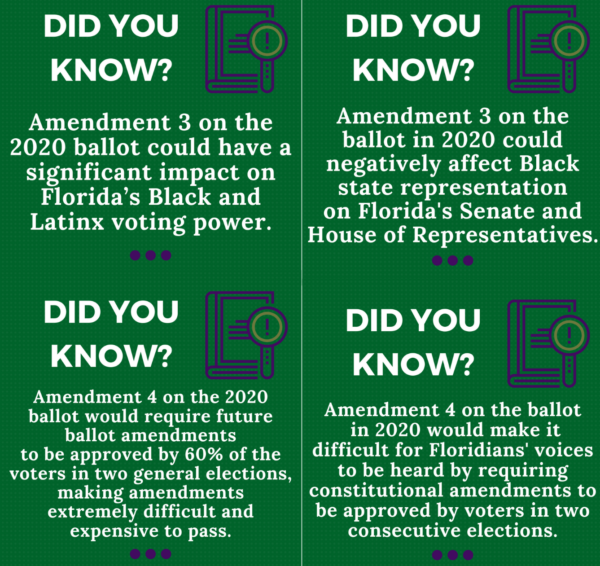
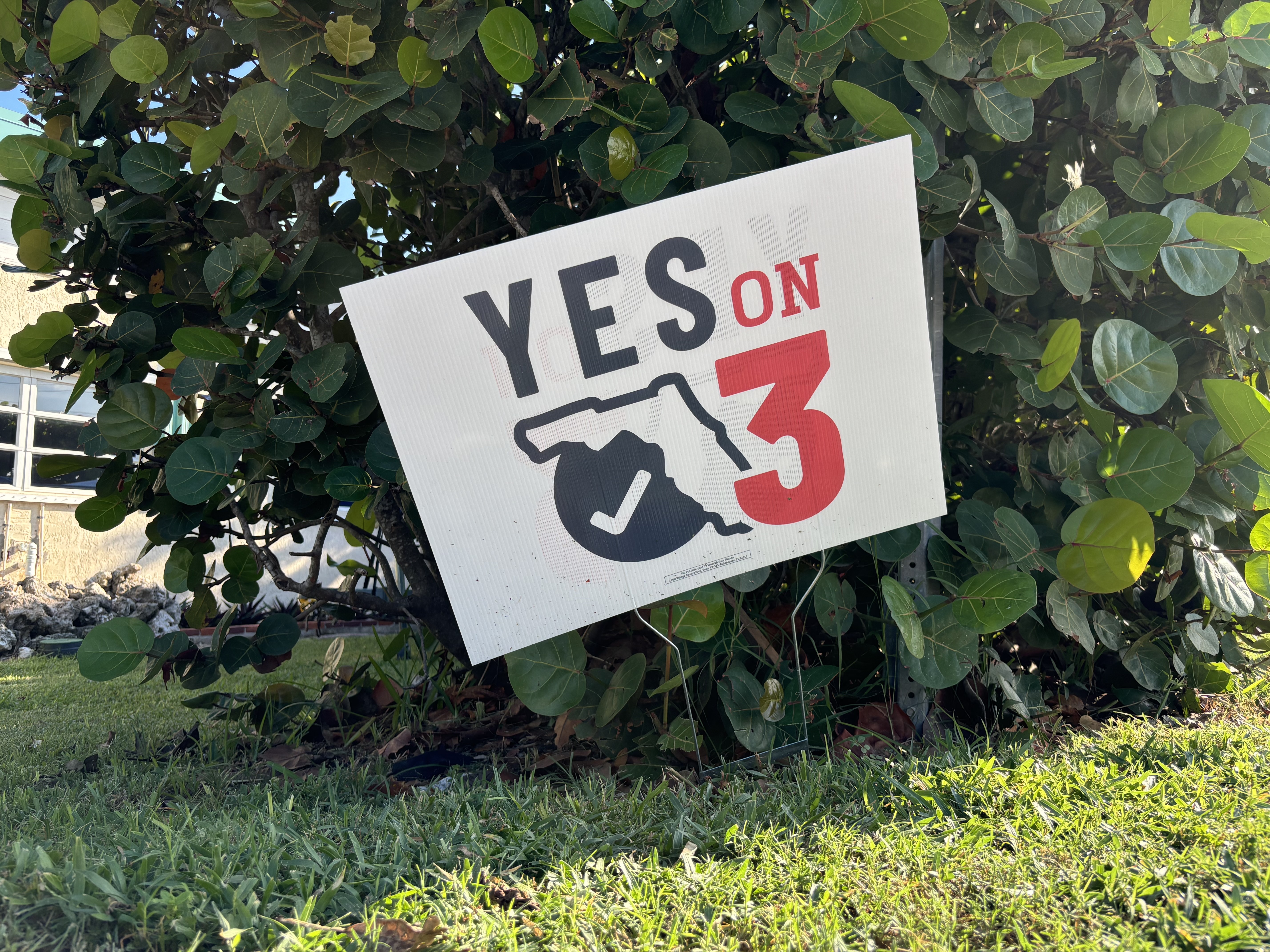
The 2024 election cycle brought significant attention to the Sunshine State, with visitors and residents alike asking a pivotal question: Did Amendment 3 in Florida pass? For those planning a trip to the United States or looking to explore the vibrant coastal cities of the peninsula, the outcome of this vote carries implications beyond the ballot box. Amendment 3, which sought to legalize the recreational use of marijuana for adults aged 21 and older, failed to reach the required 60% supermajority threshold. Despite receiving a significant number of votes, the measure did not pass, meaning the legal landscape for tourism and local culture remains centered on existing medical regulations.
For the millions of travelers who flock to Miami Beach or the theme parks of Orlando every year, the rejection of Amendment 3 maintains the status quo. This decision preserves a specific atmosphere in the state’s most popular districts, influencing everything from nightlife in South Beach to family-oriented activities in Central Florida. Understanding how this legal environment interacts with the local culture is essential for any modern traveler looking to navigate the diverse regions of the state.
The Cultural Landscape of Florida Tourism Post-Election
The failure of Amendment 3 preserves Florida as a destination where the “vice” economy remains more regulated than in states like California or Colorado. This distinction is a significant part of the local culture, especially in high-traffic areas. The state’s identity is built on a blend of high-end luxury, family-friendly entertainment, and rugged outdoor exploration.
Maintaining the Family-Friendly Appeal of Orlando
Orlando remains the theme park capital of the world. With major attractions like Walt Disney World and Universal Studios Florida, the local tourism industry relies heavily on a clean, accessible, and family-oriented image. The decision not to pass Amendment 3 ensures that the immediate vicinity of these major resorts will not see the rise of recreational dispensaries, a factor that many family travelers consider when choosing their vacation destination.
The local culture in Central Florida is deeply intertwined with these international brands. From the meticulously manicured streets of Celebration to the bustling dining scene at Disney Springs, the emphasis remains on a curated experience. For visitors, this means the sights and smells of the city remain consistent with the expectations set over decades of tourism growth.
The Nightlife Vibe in Miami and Fort Lauderdale
Further south, the vibe shifts toward the cosmopolitan and the avant-garde. Miami is world-renowned for its nightlife, particularly in the Art Deco Historic District. While the recreational measure failed, Miami continues to thrive as a hub for international travelers seeking luxury and high-energy social scenes. Areas like Wynwood, famous for its street art and craft breweries, will continue to operate under existing laws, focusing on its established blend of art, music, and mixology.
In Fort Lauderdale, often referred to as the Venice of America, the tourism focus remains on the yachting culture and the pristine beaches. The failure of Amendment 3 means that the “spring break” reputation of these coastal cities remains governed by strict public consumption laws, which city officials often use to maintain a balance between party-goers and affluent residents.
Exploring Regional Tourism and Local Nuances
The rejection of Amendment 3 highlights the regional differences within the state. Florida is not a monolith; the cultural expectations in the Panhandle differ wildly from those in the Florida Keys. This legal outcome reinforces the existing local character of these distinct areas.
The Laid-Back Atmosphere of the Florida Keys
In Key West, the southernmost point of the continental United States, the culture has always been one of “One Human Family.” Despite the failure of the amendment, the laid-back, bohemian lifestyle of the island remains untouched. Visitors to Duval Street will still find the famous sunset celebrations at Mallory Square, where street performers and local artisans define the evening’s entertainment.
The local culture in the Florida Keys is heavily influenced by the Caribbean, with a focus on fishing, diving, and historical exploration at Ernest Hemingway Home and Museum. For many travelers, the legal status of recreational substances is secondary to the “island time” philosophy that permeates the air as soon as one crosses the Seven Mile Bridge.
The Gulf Coast and Sophisticated Leisure
On the western side of the state, cities like Sarasota, Naples, and Tampa offer a different speed of tourism. These areas are known for their cultural institutions, such as The Ringling in Sarasota. The failure of Amendment 3 aligns with the more conservative, retiree-friendly, and high-net-worth demographic that frequents the Gulf of Mexico coastline.
In Tampa, specifically the historic Ybor City neighborhood, the focus remains on its rich Cuban heritage and the tradition of cigar making. The rejection of the amendment allows these historical narratives to remain at the forefront of the visitor experience, ensuring that the “old world” charm of the brick-paved streets isn’t overshadowed by the rapid commercialization often seen in legal-recreational states.
Impact on Dining, Activities, and the Visitor Experience
Tourism in Florida is as much about the food and outdoor activities as it is about the destinations. The legal status of substances often influences the “lifestyle” aspect of a trip, and the 2024 vote ensures that the hospitality industry continues to focus on traditional culinary and recreational offerings.
Coastal Cuisine and the Influence of the Atlantic Ocean
From Jacksonville down to West Palm Beach, the Atlantic Ocean dictates the local food scene. High-end seafood restaurants and beachside shacks emphasize fresh catches like grouper and snapper. Without the shift to a legal recreational market, the “cannabis-infused” dining trend that has taken hold in cities like Seattle or Los Angeles will not be a feature of the Florida culinary landscape for the foreseeable future. Instead, travelers can expect a continued focus on Latin American flavors and traditional Southern comfort food.
Outdoor Adventures in the Everglades and Beyond
For nature enthusiasts, Everglades National Park remains one of the most unique ecosystems in the world. The failure of Amendment 3 has little direct impact on the airboat tours and wildlife viewing that define this region. However, it does maintain the strict federal and state regulations regarding substance use in protected natural areas. Travelers looking to explore the springs of North Florida, such as Ginnie Springs, will find that the local rules remain unchanged, emphasizing a focus on water-based activities like kayaking and snorkeling.
Practical Tips for Florida Travelers
Since Amendment 3 did not pass, it is vital for tourists to understand the current legal climate to ensure a smooth and enjoyable trip. Florida has specific rules that visitors must respect to avoid legal complications.
- Medical Marijuana Laws: Only individuals with a valid medical marijuana card issued by the State of Florida are legally allowed to possess and use marijuana. Out-of-state cards are generally not recognized for purchasing at local dispensaries.
- Public Consumption: Even for medical patients, smoking in public places remains prohibited. This is strictly enforced in tourist-heavy zones like Las Olas Boulevard or the St. Augustine historic district.
- Federal Lands: Places like Dry Tortugas National Park or Biscayne National Park operate under federal law, where marijuana remains illegal regardless of state amendments.
- Driving Laws: Florida has zero tolerance for driving under the influence. Whether you are navigating the Overseas Highway or the busy I-4 corridor near Walt Disney World Resort, safety is a top priority for local law enforcement.

The Future of Florida’s Tourism Identity
The discussion surrounding Amendment 3 has sparked a broader conversation about what kind of destination Florida wants to be. For now, the voters have decided to keep the state’s tourism identity rooted in its current strengths. By not passing the amendment, the state maintains its appeal to a broad spectrum of travelers who value the traditional high-octane fun of the theme parks and the serene luxury of the Gold Coast.
As you plan your next visit to Tallahassee for a taste of the state’s political history or to Clearwater Beach for its award-winning sands, you can do so with a clear understanding of the local environment. The “Sunshine State” continues to offer a wealth of experiences, from the historic charm of Pensacola to the modern skyline of Brickell. While the legal landscape regarding recreational use remains the same, the cultural richness and diverse activities of Florida tourism are as vibrant as ever.
In conclusion, while the question “Did Amendment 3 in Florida pass?” is met with a “no,” the impact on tourism is one of stability. The state remains a premier global destination, focused on its natural beauty, world-class entertainment, and a cultural tapestry that reflects its unique position at the crossroads of the Americas. Whether you are exploring the mangroves of Ten Thousand Islands or enjoying the high-end shopping in Boca Raton, the essence of the Florida experience remains intact, inviting visitors to discover its many wonders within the existing legal framework.
LifeOutOfTheBox is a participant in the Amazon Services LLC Associates Program, an affiliate advertising program designed to provide a means for sites to earn advertising fees by advertising and linking to Amazon.com. Amazon, the Amazon logo, AmazonSupply, and the AmazonSupply logo are trademarks of Amazon.com, Inc. or its affiliates. As an Amazon Associate we earn affiliate commissions from qualifying purchases.