
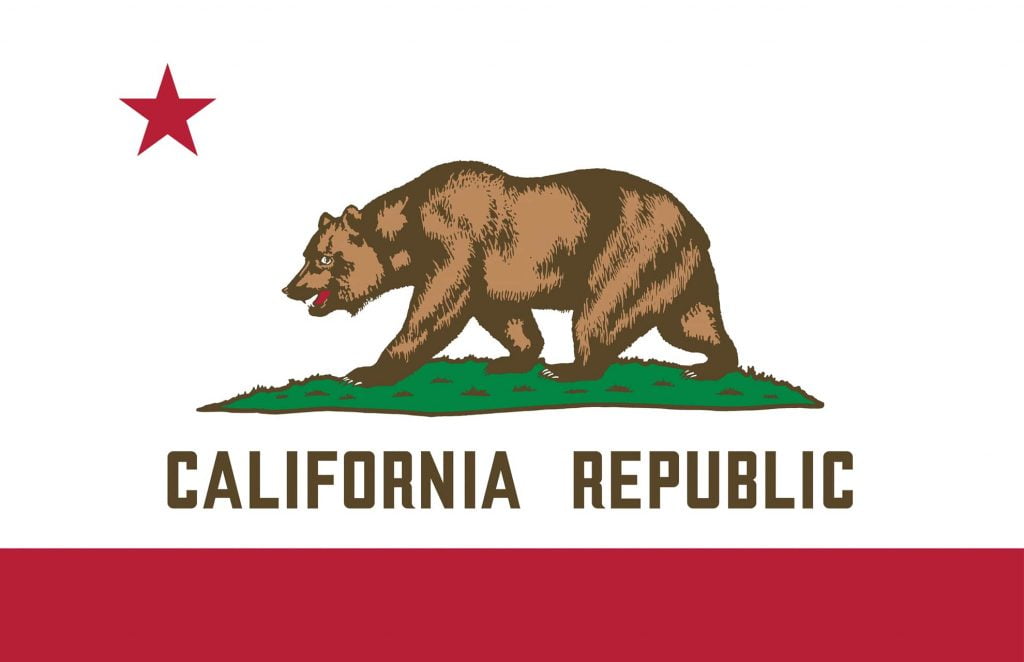
The iconic image of a grizzly bear, powerful and majestic, is emblazoned on California‘s state flag, a potent symbol of the Golden State‘s wild heritage. This powerful emblem, however, tells a story of a past that is strikingly different from the present reality. While the grizzly remains a cornerstone of California’s identity and natural history, the answer to whether they still roam its vast landscapes is a poignant “no.” The last grizzly bear in California was spotted over a century ago, marking the end of an era for this magnificent creature within the state’s natural landmarks.

The Iconic California Grizzly: A Symbol of the Golden State’s Wild Past
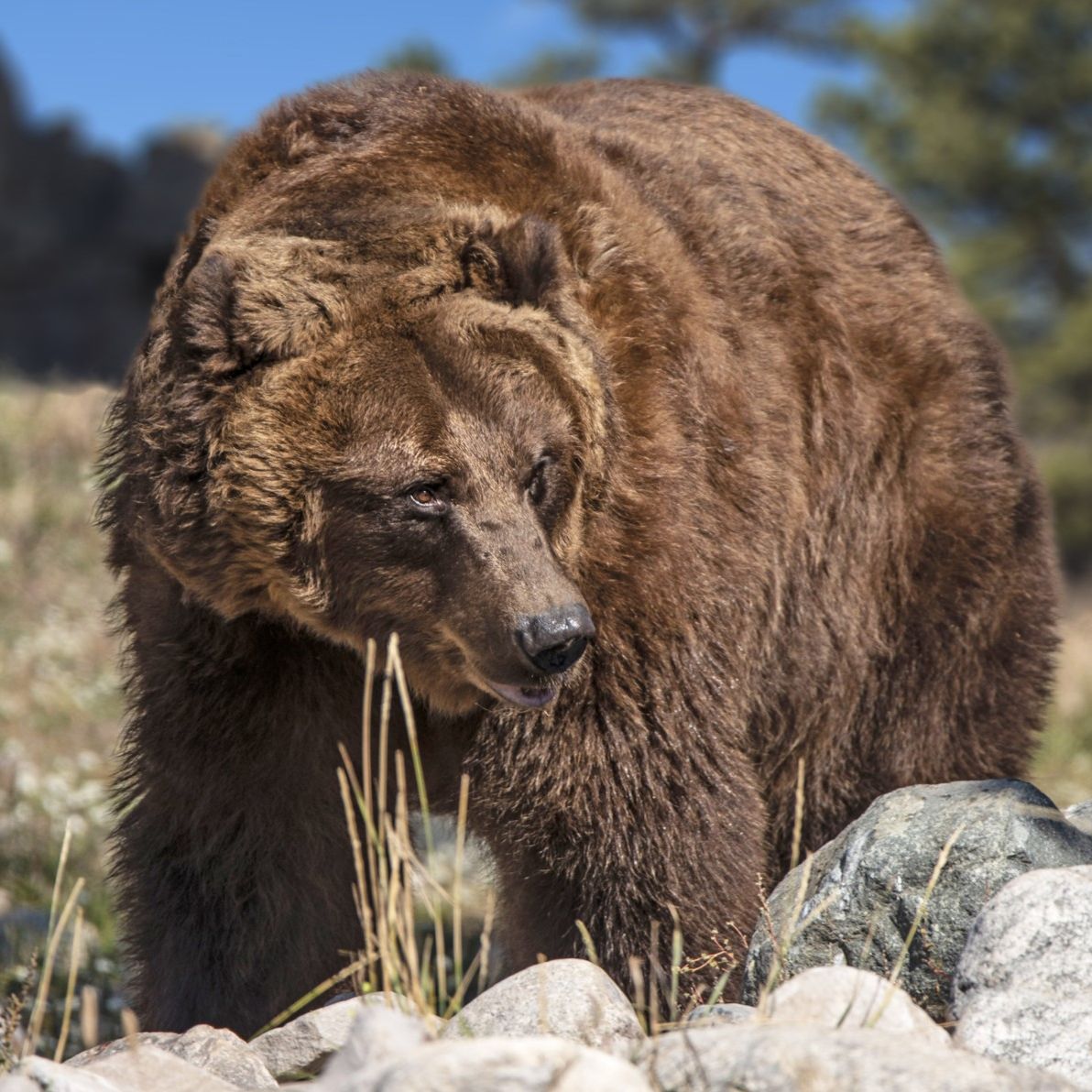
The grizzly bear (Ursus arctos horribilis), a subspecies of the brown bear, was once a dominant predator across much of North America, and nowhere was its presence more profound than in California. Historical accounts paint a vivid picture of a landscape teeming with these formidable animals. Early Spanish explorers and settlers frequently documented encounters with grizzlies, describing them as pervasive from the coastal regions to the deepest reaches of the Sierra Nevada mountains. Before European settlement, an estimated 10,000 grizzlies roamed California, making it one of the densest populations anywhere on the continent.
These bears were an integral part of California’s natural ecosystem, shaping its environment through their foraging habits and role as apex predators. Their diet was incredibly diverse, reflecting the rich biodiversity of the state: acorns from oak woodlands, berries, roots, insects, and carrion, along with larger game. They were robust animals, often larger than their counterparts in other parts of the United States, a testament to the abundant food sources available in California’s diverse habitats.
The grizzly’s fierce independence and strength quickly cemented its place in California folklore and iconography. When California declared its independence from Mexico in 1846, the hastily designed banner of the “Bear Flag Republic” proudly featured a grizzly. This emblem was later adopted for the official Great Bear Flag of the state, solidifying the grizzly’s status as an enduring symbol of California’s strength, independence, and untamed wilderness. It’s a powerful reminder of a time when the wilderness stretched far and wide, and these majestic creatures were a common sight in the state’s natural tapestry.
A Vanished Presence: The Decline and Extinction in California
The story of the California grizzly is a classic example of human expansion clashing with wilderness. The bear’s decline began almost immediately with the arrival of Spanish missions and ranchos in the late 18th century. Grizzly bears, being large predators, posed a perceived threat to livestock and humans. Ranchers and farmers often hunted them to protect their herds and families, leading to localized population reductions.
However, the real catastrophic blow came with the California Gold Rush in the mid-19th century. The sudden influx of hundreds of thousands of prospectors, settlers, and adventurers into the state’s wild interior led to an unprecedented level of habitat destruction and unregulated hunting. Grizzlies were hunted for sport, for their hides, for their fat, and out of fear. Bear baiting, a cruel sport, also contributed to their demise, with grizzlies captured and pitted against other animals in public spectacles in towns like Los Angeles and Sacramento.
The combination of widespread hunting, habitat fragmentation due to agriculture and logging, and the lack of protective measures proved too much for the grizzly population. By the early 20th century, the once-thriving population was reduced to a handful of individuals. The last confirmed sighting of a wild California grizzly was in 1922, when a bear was shot in Tulare County. There were unconfirmed reports of a bear in Sequoia National Park in 1924, but by then, the species was effectively extirpated from the state. The California grizzly was officially declared extinct within the state’s borders, leaving a profound void in its natural heritage.
The Ecosystem Without Grizzlies: Impact and Modern Wildlife
The disappearance of the grizzly bear from California had significant, though often subtle, ecological ramifications. As an apex predator and an omnivore with a varied diet, the grizzly played a crucial role in maintaining the health and balance of its ecosystem.
Ecological Role and Missing Links
Grizzlies were ecosystem engineers. Their digging for roots and rodents aerated soil and dispersed seeds. Their consumption of berries and carrion helped cycle nutrients. As top predators, they influenced the behavior and populations of herbivores like deer and elk, preventing overgrazing and promoting healthier plant communities. Their absence meant that these ecological roles were no longer filled, leading to shifts in vegetation patterns and potentially impacting other species. While other predators like mountain lions and black bears adapted, they couldn’t entirely replicate the grizzly’s unique ecological footprint.
What You Can Still See: California’s Resilient Wildlife
Despite the loss of the grizzly, California remains a biodiversity hotspot, a testament to its varied landscapes, from rugged coastlines to towering mountain ranges and arid deserts. Visitors to California’s natural landmarks and wilderness areas can still encounter an impressive array of wildlife:
- Black Bears: The state’s only remaining bear species, California black bears are thriving. They are smaller and generally less aggressive than grizzlies, but are a common sight in forested areas, including Yosemite National Park, Sequoia and Kings Canyon National Parks, and the Sierra Nevada.
- Mountain Lions: These elusive predators are present throughout the state’s wilder regions, playing a vital role in regulating deer populations.
- Deer and Elk: Various species of deer, including mule deer, and elk (Tule elk, Roosevelt elk) can be found in different habitats, contributing to the grazing landscape.
- Diverse Birdlife: From raptors like golden eagles and peregrine falcons to a multitude of migratory birds, California is a birdwatcher’s paradise.
- Marine Mammals: Along the Pacific coast, seals, sea lions, dolphins, and whales are common, offering spectacular wildlife viewing opportunities.
While the grizzly is gone, California’s wild heart still beats strong, showcasing remarkable resilience and a rich natural heritage that continues to draw nature enthusiasts.
The Debate: Reintroduction and the Future of the Grizzly
The question of whether grizzlies should be reintroduced to California has become a recurring debate among conservationists, policymakers, and the public. Proponents argue that the return of the grizzly would restore a vital piece of California’s natural heritage and fill a crucial ecological niche. They point to the success of grizzly reintroduction efforts in other regions, such as parts of the northern Rocky Mountains and the potential for a small, isolated population in the Cascades shared with Washington state.
Arguments for Reintroduction
- Ecological Restoration: Reintroducing grizzlies could help restore the balance of natural ecosystems by resuming their role as apex predators and ecosystem engineers.
- Cultural Significance: Bringing back the state’s iconic symbol would be a powerful statement about California’s commitment to conservation and its natural history.
- Climate Change Resilience: Restoring full ecological function could make ecosystems more resilient to the impacts of climate change.
Conservation groups have identified potential wilderness areas, particularly within the vast and rugged Sierra Nevada and Klamath Mountains, that could theoretically support a small grizzly population. These areas offer sufficient habitat, food resources, and connectivity to other wildlands, potentially drawing from populations in states like Oregon or Montana, or by relocating bears from areas like Yellowstone National Park.
Challenges and Concerns
However, the idea of reintroduction faces significant challenges:
- Human-Wildlife Conflict: California is a densely populated state. Concerns about human safety, livestock depredation, and impacts on agriculture are paramount. Successful reintroduction would require extensive public education and proactive management strategies to minimize conflicts.
- Habitat Suitability: While vast wilderness exists, much of it is fragmented by roads, development, and human activity. Identifying truly suitable, large, and interconnected habitats free from significant human presence is complex.
- Funding and Logistics: The cost and logistical complexity of capturing, relocating, monitoring, and managing a reintroduced grizzly population would be immense.
While the scientific and ecological arguments for reintroduction are compelling, the socio-political realities in a modern California are formidable. For now, the grizzly bear remains a ghost of California’s past, a powerful symbol of its lost wilderness. Its presence on the state flag continues to serve as a poignant reminder of the natural heritage that once defined the Golden State, and perhaps, a hopeful vision for a future where conservation efforts might one day reverse its century-long absence.
LifeOutOfTheBox is a participant in the Amazon Services LLC Associates Program, an affiliate advertising program designed to provide a means for sites to earn advertising fees by advertising and linking to Amazon.com. Amazon, the Amazon logo, AmazonSupply, and the AmazonSupply logo are trademarks of Amazon.com, Inc. or its affiliates. As an Amazon Associate we earn affiliate commissions from qualifying purchases.