
The question “Did California have an earthquake?” is one that frequently crosses the minds of travelers planning a visit to the Golden State, and for good reason. California is famously situated along the Pacific Ring of Fire, a horseshoe-shaped zone known for its intense seismic activity. While large, damaging earthquakes are relatively rare, smaller tremors are a daily occurrence, often unnoticed by residents and visitors alike. Understanding the reality of seismic activity in California is crucial for any tourist, not to deter travel, but to ensure a safe, informed, and enjoyable experience. This article delves into the state’s seismic landscape and its implications for tourism, offering insights and preparedness tips for visitors.
California’s Seismic Landscape: A Tourist’s Overview
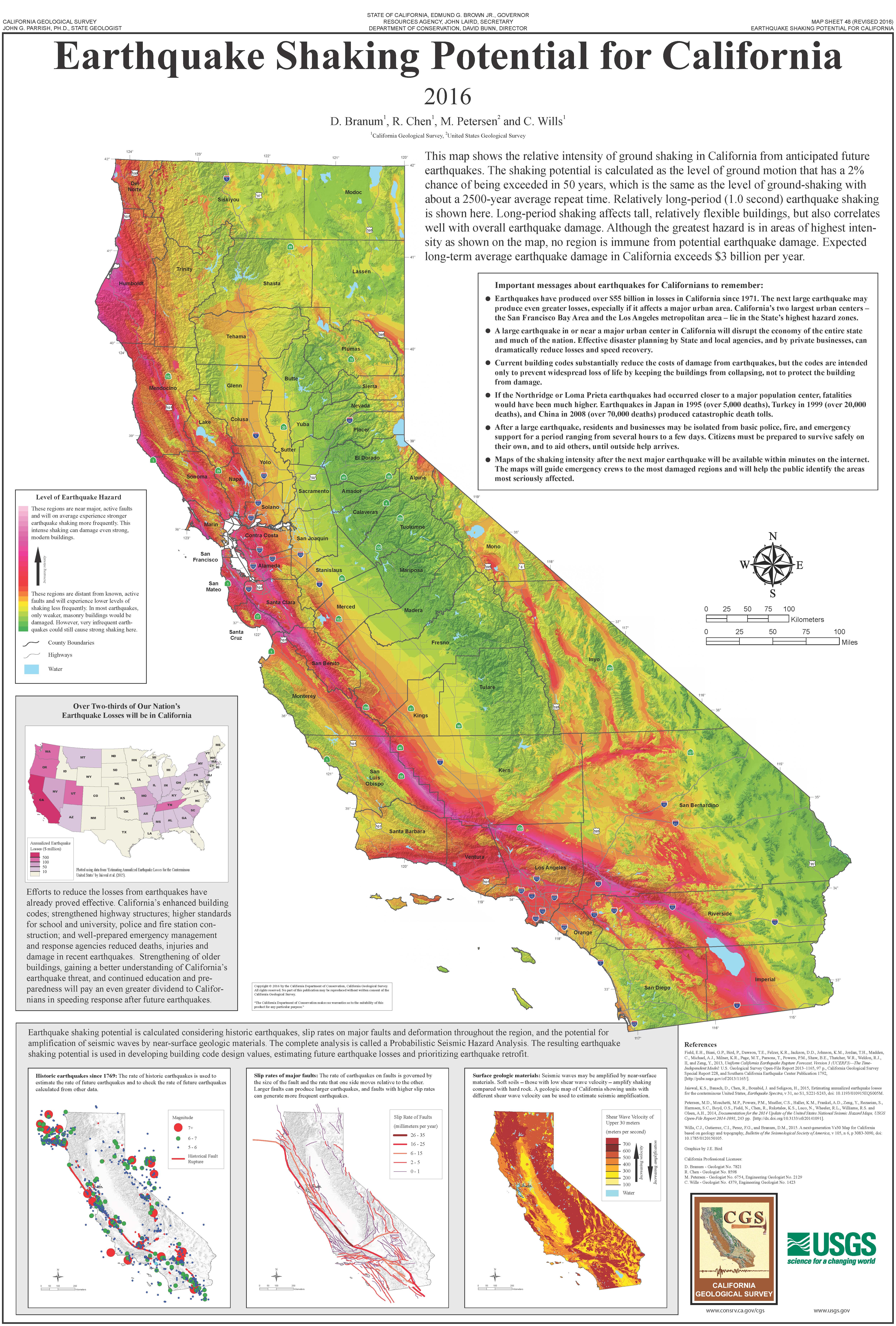
California’s geological identity is inextricably linked to the San Andreas Fault and its extensive network of related fault lines. These geological fractures mark the boundary between the Pacific Plate and the North American Plate, which are constantly grinding past each other. This tectonic movement is the fundamental cause of earthquakes.
The Frequency of Tremors
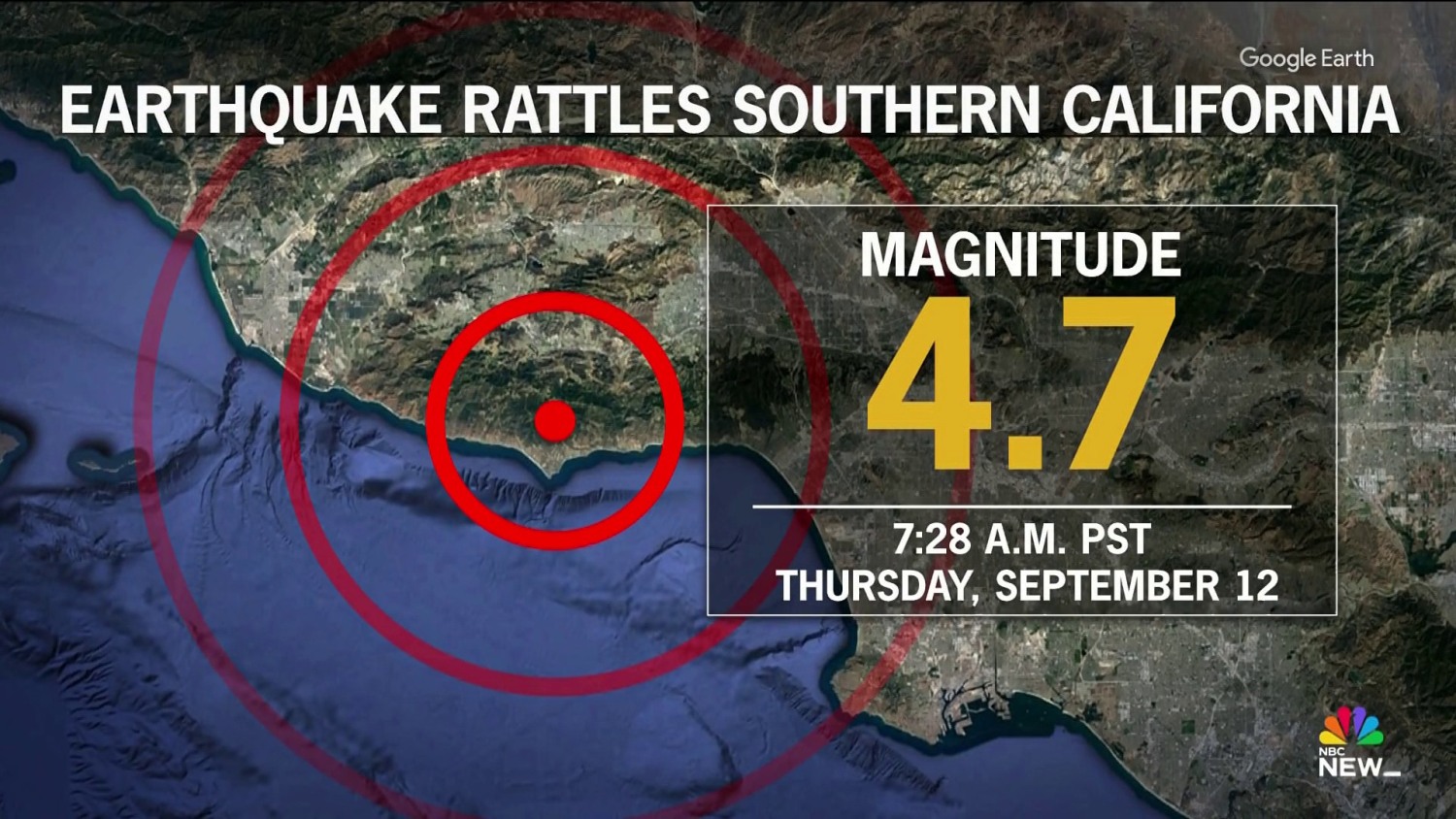
It is not uncommon for California to experience dozens of small earthquakes every week, most of which are below magnitude 3.0 and are only detectable by sensitive instruments. These minor tremors rarely cause any disruption. Larger earthquakes, those that people can feel and that might cause minor damage, occur less frequently, perhaps a few times a year. The “big one,” a major earthquake of magnitude 7.0 or higher, is a phenomenon scientists predict will eventually happen, but its timing remains impossible to forecast. For tourists, this means that while the possibility of feeling an earthquake exists, the likelihood of experiencing a highly destructive one during a typical vacation is statistically low.
Regional Differences in Seismic Activity
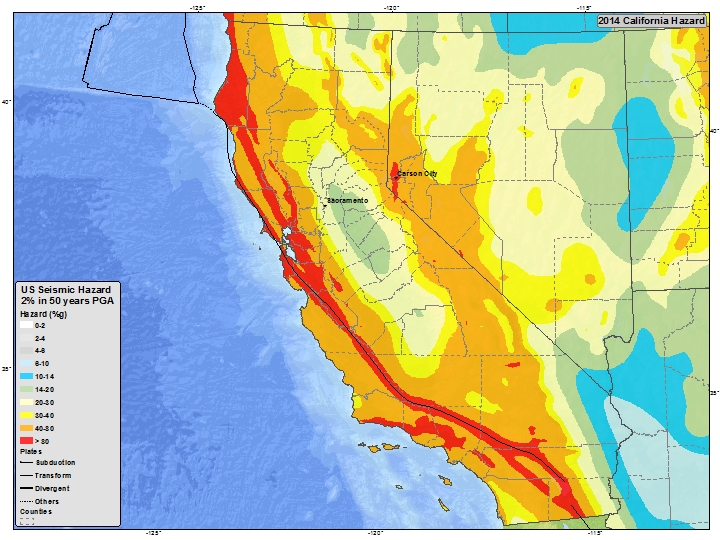
While the entire state is susceptible to seismic activity, certain regions are more active than others. Southern California, particularly areas around Los Angeles and the Imperial Valley, and Northern California, especially around the San Francisco Bay Area, are notable hotspots due to major fault lines passing through or near these densely populated areas. Iconic landmarks like the Golden Gate Bridge in San Francisco and the Hollywood Sign in Los Angeles are built with advanced seismic engineering, designed to withstand significant ground motion. Tourists visiting these regions should be aware of the underlying geology but also reassured by the robust infrastructure.
Immediate Tourist Concerns During an Earthquake
Should an earthquake occur during your visit, your immediate actions and awareness can significantly impact your safety and peace of mind. The standard safety advice from emergency services is “Drop, Cover, and Hold On.”
Drop, Cover, and Hold On
- Drop: Immediately drop to your hands and knees. This position prevents you from being thrown to the ground and allows you to crawl to shelter.
- Cover: Crawl under a sturdy desk, table, or other piece of furniture. If no shelter is nearby, crawl next to an interior wall, away from windows. Protect your head and neck with your arms.
- Hold On: Stay put until the shaking stops. Be prepared to move with your shelter if it shifts.
After the Shaking Stops
Once the ground stops shaking, do not immediately rush outside. Assess your surroundings. Look for potential hazards like falling debris, broken glass, or structural damage.
If you are indoors, check for gas leaks (a rotten egg smell) and electrical damage. If you suspect any hazards, evacuate cautiously. If you are outdoors, move to an open area away from buildings, utility poles, and trees. Always follow instructions from local authorities and emergency personnel, who will be assessing the situation and providing guidance.
Communication and Information
In the aftermath of an earthquake, communication networks might be overwhelmed or temporarily down. Text messages are often more reliable than phone calls. Keep your phone charged and consider carrying a portable power bank. Tune into local news radio stations (if possible) or use official government apps for updates. Many hotels and tourist facilities have emergency plans in place and staff trained to assist guests. Familiarize yourself with these upon arrival.
Navigating California Post-Quake: Tourism Resilience
California’s tourism industry is incredibly resilient, with robust emergency protocols and a proactive approach to safety. The state’s infrastructure, including roads, bridges, and buildings, is engineered to higher seismic standards than many other parts of the world.
Reassurance and Recovery
Following any significant seismic event, authorities act quickly to assess damage and ensure safety. Tourist attractions and infrastructure are typically inspected rigorously before being reopened to the public. Major theme parks, such as Disneyland Park in Anaheim and Universal Studios Hollywood in Los Angeles, have sophisticated safety systems and well-practiced emergency procedures. Many iconic natural attractions like Yosemite National Park or the beaches of San Diego are inherently less susceptible to direct structural damage, though access roads might be impacted.
Supporting Local Tourism
If you happen to be in California during a seismic event that causes localized disruption, one of the best ways to help is to continue your trip if it’s safe to do so. Local businesses, restaurants, and attractions rely on tourism, and a quick recovery often depends on continued visitor flow. Exercise patience, follow local guidance, and support the community through your patronage.
Preparing for the Unexpected: A Tourist’s Guide
Proactive preparation is key to a stress-free visit, especially in a seismically active region. While it’s impossible to prevent an earthquake, you can significantly enhance your safety and preparedness.
Before You Travel
- Stay Informed: Monitor news and official advisories for your travel dates. The United States Geological Survey (USGS) is a primary source for earthquake information.
- Emergency Contacts: Save local emergency numbers (911 in the U.S.) and your country’s embassy or consulate contact information.
- Travel Insurance: Consider comprehensive travel insurance that covers trip interruptions or cancellations due to natural disasters. Read the policy details carefully.
- Accommodation Safety: When booking hotels, look for properties that adhere to modern building codes and have visible emergency plans. Inquire about earthquake preparedness procedures.
- Emergency Kit (Optional but Recommended): For peace of mind, consider carrying a small personal emergency kit. This could include a small flashlight, a whistle, a first-aid kit, some non-perishable snacks, and bottled water. While hotels provide some of these, having your own easily accessible items is a good idea.
During Your Stay
- Location Awareness: Pay attention to the nearest exits, stairwells, and assembly points in your hotel or any public building.
- Understand Warning Systems: Some areas in California have earthquake early warning systems, such as ShakeAlert, which can provide a few seconds of warning. While primarily for residents, understanding these systems can be beneficial.
- Trust Authorities: Always heed warnings and instructions from local emergency services and hotel staff. They are trained and equipped to manage crisis situations.
- Practice Calm: While feeling an earthquake can be unsettling, maintaining calm helps you think clearly and act effectively. Remember the “Drop, Cover, and Hold On” principle.
In conclusion, while California does experience frequent seismic activity, the vast majority of these events are minor and pose no threat to visitors. Major earthquakes are rare, and the state’s infrastructure and emergency services are well-prepared. By understanding the basics of earthquake safety and taking simple precautionary steps, tourists can confidently enjoy the diverse attractions and vibrant culture that California has to offer, without undue concern about seismic events. Travel to California remains a richly rewarding experience, underpinned by robust safety measures and an informed approach to its unique geological environment.
LifeOutOfTheBox is a participant in the Amazon Services LLC Associates Program, an affiliate advertising program designed to provide a means for sites to earn advertising fees by advertising and linking to Amazon.com. Amazon, the Amazon logo, AmazonSupply, and the AmazonSupply logo are trademarks of Amazon.com, Inc. or its affiliates. As an Amazon Associate we earn affiliate commissions from qualifying purchases.