
The vast, sun-drenched landscapes of California conjure images of golden hills, redwood forests, and rugged coastlines. When we think of the state’s iconic wildlife, we might picture soaring condors, elusive mountain lions, or playful sea otters. However, the historical tapestry of California’s fauna is richer and more surprising than many realize, extending to a creature that seems more at home on the Great Plains: the American bison. The question of whether these magnificent beasts once roamed the Golden State is not just a matter of curiosity, but a fascinating exploration into the ecological history and interconnectedness of North America’s ecosystems.

Tracing the Bison’s Historical Range
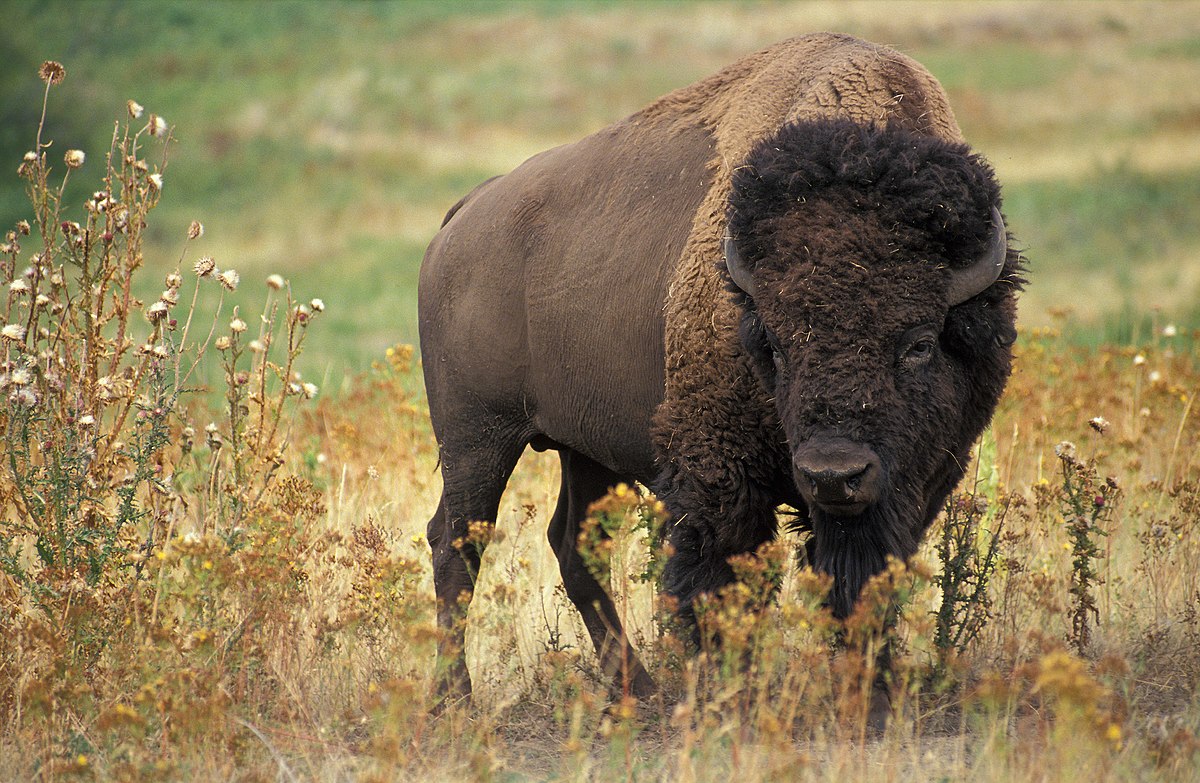
The American bison ( Bison bison) is intrinsically linked to the vast grasslands of central and western North America. For millennia, its range stretched from the Appalachian Mountains in the east to the Rocky Mountains in the west, and from the boreal forests of Canada down into northern Mexico. This immense territory was shaped by natural forces, including climate, vegetation, and the presence of indigenous peoples who coexisted with and often managed these herds.
Evidence of Bison Presence Beyond the Plains
While the traditional image of bison is one of endless prairies, scientific evidence suggests that their historical range was more extensive and dynamic than commonly depicted. Paleontological discoveries, including fossilized remains, have been crucial in reconstructing past animal distributions. In the case of California, such finds, though perhaps less abundant than in regions like Montana or Wyoming, do point towards a past presence.
The most compelling evidence comes from archaeological sites and paleontological digs. While not as common as mammoth or horse remains, bison bones have been unearthed in various locations across the state, particularly in the southern and central regions. These findings, coupled with genetic studies of modern bison populations and their historical movements, suggest that bison were not entirely absent from California. Their presence was likely not in the massive, contiguous herds characteristic of the plains, but rather in smaller, more localized populations or as transient visitors.
The Role of Geological and Climatic Shifts
The Pleistocene epoch, often referred to as the Ice Age, saw significant fluctuations in climate and sea levels, which in turn influenced animal migration patterns. During certain periods, as glaciers advanced and retreated, land bridges may have formed or been submerged, allowing for the movement of species across vast distances. California’s geographical position, bridging the continental interior with the Pacific coast, would have made it a potential corridor for such migrations.
Furthermore, the varied topography of California — from fertile valleys to expansive grasslands and mountainous terrain — could have supported pockets of bison populations, especially during times when these habitats were more interconnected. The historical vegetation of certain Californian areas, though distinct from the prairie ecosystems, might have possessed sufficient grassland or mixed-grass elements to sustain small herds.
Bison in California: A Deep Dive into the Evidence
The notion of bison in California prompts a deeper examination of the available scientific and historical data. It’s essential to distinguish between permanent, large-scale populations and more sporadic occurrences.
Paleontological Discoveries and Interpretations
Fossilized bison remains have been reported in California for decades, though their interpretation has evolved. Early discoveries might have been attributed to broader North American migration patterns without specific focus on the unique ecological context of California. However, as paleontological research has advanced, more nuanced understanding has emerged.
Key sites include excavations in riverbeds and ancient lake deposits. For example, discoveries in the Los Angeles Basin and parts of the Central Valley have yielded bison bones. These finds are critical because they provide direct physical evidence of the animal’s presence. The dating of these fossils is crucial, often placing them within the late Pleistocene or early Holocene epochs, a period of significant faunal shifts across the continent.
While these findings do not necessarily indicate the existence of vast, resident herds like those found on the plains, they strongly suggest that bison at least ventured into, and possibly inhabited, parts of California during prehistoric times. These were likely smaller, more adaptable populations that could thrive in the diverse, and at times more arid, Californian environment.
Indigenous Accounts and Oral Histories
The historical relationship between indigenous peoples and wildlife is a vital source of information for understanding past ecosystems. While explicit descriptions of large bison herds in traditional Californian tribal narratives might be rare, indirect references or the presence of bison-related artifacts can offer clues.
Some archaeological evidence suggests trade networks that extended beyond California, potentially bringing bison products (hides, bones) into the region from areas where they were more abundant. However, there are also indigenous groups whose ancestral lands were in regions that bordered or extended into what is now California, and their oral traditions might contain more direct accounts.

The Chumash people, for instance, who inhabited the central coast, have archaeological findings that hint at interactions with bison, possibly through trade or limited local presence. The interpretation of these accounts and artifacts requires careful consideration of regional ecological specificities and the mobility of indigenous populations. It is possible that bison were known to these groups as animals found in adjacent territories or occasionally encountered within their own.
The Great Bison Migration Theory
One significant theory posits that bison undertook vast migratory routes that extended further than commonly assumed. These migrations were driven by seasonal changes, the availability of food and water, and breeding cycles. It is plausible that these routes included pathways that led into or through California.
These migratory bison might not have established permanent, large herds in the state, but their presence would still be notable. They could have utilized areas with suitable grazing land, such as the open grasslands of the southern Californian valleys or the more arid scrublands that could support them for certain periods. The concept of a “western fringe” of the bison’s range, extending into areas like Oregon and potentially California, is an important aspect of this broader understanding.
Why Aren’t Bison a Common Sight in California Today?
The disappearance of bison from California mirrors their fate across much of North America, driven by a confluence of factors that dramatically altered their environment and their survival prospects.
Environmental Changes and Habitat Loss
The most significant factor in the decline of bison populations, both within and outside California, was the transformation of their habitat. As human populations grew and expanded, vast tracts of grasslands were converted for agriculture, ranching, and urban development. This habitat fragmentation and loss reduced the open spaces necessary for bison to graze, migrate, and reproduce effectively.
In California, the conversion of native grasslands to agricultural fields, particularly for crops like wheat and barley, and later for vineyards and orchards, had a profound impact. The natural grazing lands that might have supported bison were systematically altered, making the environment less suitable for large herbivores.
The Impact of European Colonization and Hunting
The arrival of European settlers brought with it a new era of exploitation. The deliberate hunting of bison for hides, meat, and even as a tactic to subdue indigenous populations who relied on them, led to catastrophic declines. While the most intense period of bison slaughter occurred on the Great Plains, the pressures of hunting and habitat destruction were felt across the continent.
Even if bison in California were never present in the immense numbers seen on the plains, they would have been susceptible to similar hunting pressures from expanding human settlements and the introduction of new technologies for hunting.
Reintroduction Efforts and Modern Bison Management
In recent times, there has been a growing appreciation for the ecological role of bison and a movement to restore them to landscapes where they once roamed. While large-scale reintroduction into areas where they were historically transient is unlikely, efforts are underway in some parts of the West to manage and expand bison populations.
In California itself, there are no current wild bison populations. However, the concept of reintroducing them to specific, carefully managed reserves or wildlife areas is sometimes discussed as a way to restore ecological balance. The educational and conservation value of such initiatives is significant, allowing people to connect with the state’s deeper natural history. For instance, some conservation organizations are exploring the possibility of reintroducing bison to large, protected areas that can replicate some of the ecological conditions they historically might have utilized. The outcome of these discussions and potential future projects remains to be seen, but they highlight a growing interest in understanding and potentially restoring California’s complex ecological past.
A Richer Understanding of California’s Natural Heritage
The question of whether California used to have bison opens a window into a more dynamic and interconnected North American ecosystem than often imagined. While the iconic image of the prairie bison is deeply ingrained, the evidence suggests that these animals were more adaptable and their range more fluid than previously understood.
The paleontological findings, combined with insights from indigenous oral histories and theories of large-scale migration, paint a picture of a California that was once part of a much broader bison territory. The state’s diverse geography and shifting climates likely supported these animals, albeit perhaps in smaller numbers or as migratory visitors, rather than massive, settled herds.
Understanding this past is not just an academic exercise. It enriches our appreciation for the complex natural history of California and underscores the profound impact of environmental change and human activity on wildlife populations. It reminds us that landscapes we perceive as static have, over millennia, hosted a vibrant and often surprising array of creatures, including the mighty bison. As conservation efforts continue to focus on ecological restoration, the story of bison in California serves as a compelling reminder of the deep ecological connections that once existed and the potential for learning from them to shape a more sustainable future.
LifeOutOfTheBox is a participant in the Amazon Services LLC Associates Program, an affiliate advertising program designed to provide a means for sites to earn advertising fees by advertising and linking to Amazon.com. Amazon, the Amazon logo, AmazonSupply, and the AmazonSupply logo are trademarks of Amazon.com, Inc. or its affiliates. As an Amazon Associate we earn affiliate commissions from qualifying purchases.