
The allure of Hawaii is undeniable. From the volcanic peaks of the Big Island to the lush, emerald cliffs of the Napali Coast State Wilderness Park on Kauai, the archipelago represents a tropical paradise that remains at the top of most bucket lists. However, because these islands are located over 2,000 miles from the mainland United States in the middle of the Pacific Ocean, many travelers are understandably confused about the logistical requirements for entry. The question of whether one needs a passport to visit this island chain is one of the most frequently asked queries in the travel industry. The answer depends entirely on your citizenship and where your journey begins.
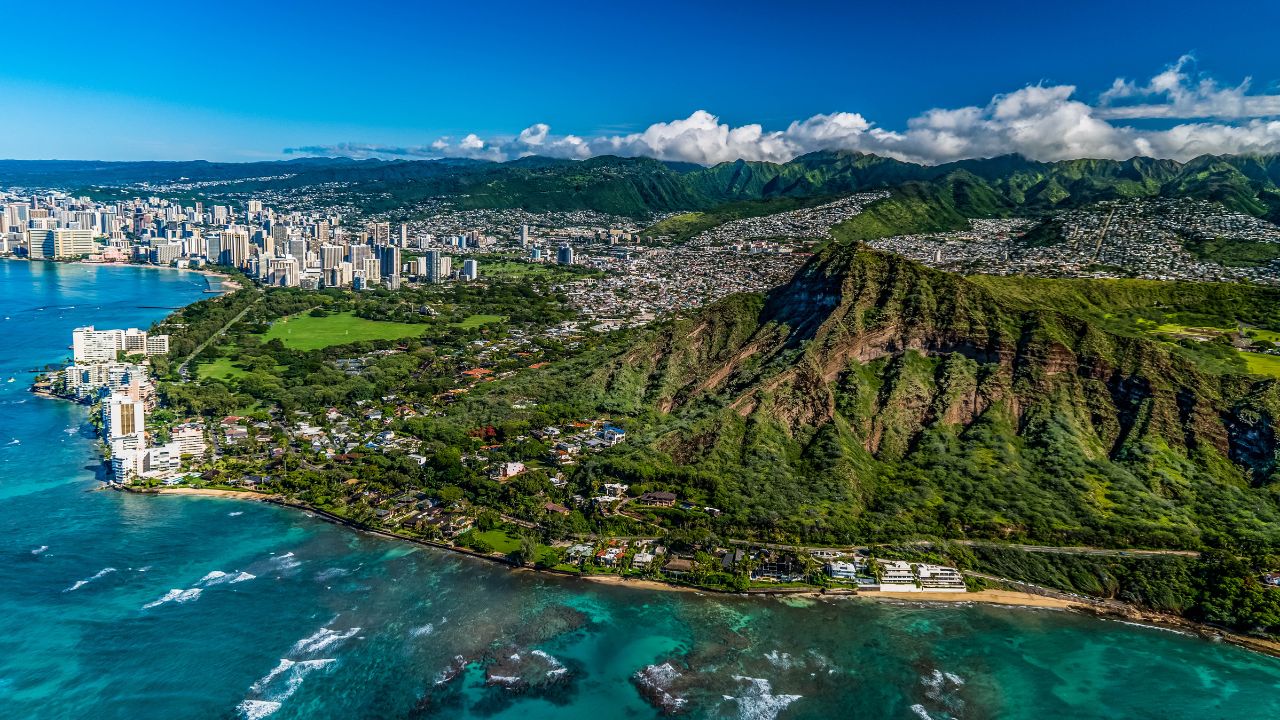
Understanding Entry Requirements for Domestic and International Travelers
Hawaii became the 50th state of the United States in 1959. Consequently, travel to the islands is considered domestic travel for any citizen or legal resident of the United States. If you are flying from Los Angeles, New York City, Chicago, or any other American city, your trip to Honolulu is legally no different than a flight from California to Nevada.
For Citizens of the United States
If you are a citizen of the United States, you do not need a passport to travel to Hawaii. You can travel freely between the mainland and the islands using standard government-issued photo identification. This includes a driver’s license or a state-issued ID card. However, there is a significant caveat that travelers must be aware of regarding the REAL ID Act.
The Transportation Security Administration requires all travelers aged 18 and older to present a REAL ID compliant form of identification to pass through security checkpoints at airports. While a passport is a valid REAL ID document, many people use their driver’s licenses. If your state license is not REAL ID compliant, you will eventually be required to use a passport or an alternative form of federally accepted identification to board a domestic flight to Oahu or any other island.
For International Visitors
For those traveling from outside the United States, the requirements are the same as they would be for entering any other American port of entry. Visitors from Canada, Japan, Australia, the United Kingdom, and other nations must possess a valid passport.
In addition to a passport, many international travelers must obtain a visa or an Electronic System for Travel Authorization (ESTA) through the Visa Waiver Program. For example, travelers from South Korea or Germany typically utilize the ESTA system for short-term tourism. It is crucial for international guests to verify the specific entry requirements dictated by the U.S. Department of State before booking their flights to Daniel K. Inouye International Airport.
The REAL ID Act and What It Means for You
The REAL ID Act, passed by Congress in 2005, established minimum security standards for state-issued driver’s licenses and identification cards. As the Department of Homeland Security continues to implement these standards, travelers should ensure their ID features the star symbol in the upper right-hand corner, signifying compliance. If you do not have a REAL ID by the enforcement deadline, a valid United States Passport will be necessary, even if you are just flying from Seattle to Maui.
Essential Travel Documents and Identification
While the passport question is the most common, navigating the various forms of identification required for a trip to the Pacific requires a bit more nuance. Travel documents serve as your gateway to the many attractions of the islands, from the historic sites of Pearl Harbor to the hiking trails of Diamond Head State Monument.
Flying to the Islands: Airline and Security Protocols
When you arrive at an airport like San Francisco International Airport or Dallas Fort Worth International Airport bound for Hawaii, the check-in process is standard. Airlines will require a government-issued ID that matches the name on your boarding pass. For domestic travelers, a passport is an excellent “backup” ID, but it is not a requirement.
One unique aspect of traveling to Hawaii is the Hawaii Department of Agriculture declaration form. Regardless of your passport status, every arriving passenger must fill out a Plants and Animals Declaration Form. This is part of the state’s effort to protect its delicate ecosystem from invasive species. While this is not a “travel document” in the legal identification sense, it is a mandatory part of the entry process that catches many first-time visitors by surprise.
Cruising to Hawaii: Documentation Needs
The documentation requirements can change if you are reaching the islands via a cruise ship. If your cruise departs from a United States port like San Diego and returns to the same port (a “closed-loop” cruise), U.S. citizens may sometimes travel with a birth certificate and a government-issued photo ID instead of a passport.
However, many travel experts and cruise lines strongly recommend carrying a passport regardless. If an emergency occurs and you need to fly back to the North American mainland from Honolulu or Kahului, having a passport makes the process significantly smoother. Furthermore, if the cruise stops at an international port—such as Ensenada in Mexico or any destination in French Polynesia—a passport becomes an absolute requirement for all passengers.
Navigating Inter-Island Travel and Local Logistics
Once you have arrived in the islands, the logistical journey doesn’t necessarily end. Many travelers choose to “island hop” to experience the diversity of the chain. Each island offers a distinct personality, from the bustling urban energy of Waikiki Beach to the quiet, rural charm of Molokai or Lanai.
Traveling Between Oahu, Maui, Kauai, and the Big Island
Inter-island travel is primarily conducted via short flights. Airlines such as Hawaiian Airlines and Southwest Airlines operate frequent “shuttle” flights between islands. When traveling from Honolulu to Lihue or from Kona to Kahului, you will again pass through TSA security.
Because these are domestic flights within the State of Hawaii, the same ID rules apply. You do not need a passport for these flights if you are a U.S. citizen; your standard state-issued ID is sufficient. It is important to remember that these flights are often very short—sometimes only 20 to 40 minutes—but the security protocols are just as rigorous as they are for a transpacific flight.
Ground Transportation and Identification Needs
Beyond the airport, your identification will be necessary for several aspects of your trip. If you plan to explore the Road to Hana on Maui or visit the Waimea Canyon State Park on Kauai, you will likely need to rent a vehicle.
Car rental agencies in Hawaii require a valid driver’s license. For international visitors, a license from your home country is usually acceptable if it is written in English. If your license is in another language, an International Driving Permit is highly recommended. Additionally, when checking into resorts or participating in certain activities like scuba diving or helicopter tours over the Napali Coast State Wilderness Park, a photo ID is standard practice for verification and insurance purposes.
Planning Your Hawaiian Journey: Best Practices for a Smooth Arrival
A successful trip to Hawaii requires more than just knowing if you need a passport. It involves understanding the rhythm of the islands and preparing for the unique environmental and cultural landscape of the Aloha State.
Timing and Documentation Prep
Even if you are a domestic traveler who doesn’t strictly “need” a passport, it is always a good idea to check the expiration dates of whatever identification you plan to use. If your driver’s license is set to expire while you are hiking through Haleakala National Park or exploring the volcanic fields of Hawaii Volcanoes National Park, you could face significant issues at the airport on your return journey.
For international travelers, ensure that your passport is valid for at least six months beyond your intended date of departure. This is a common requirement for many countries and helps avoid any last-minute complications at customs in Honolulu.

Health and Safety Guidelines for Travelers
In recent years, travel requirements have occasionally included health-related documentation. While many of the specific mandates related to the global pandemic have been lifted, the State of Hawaii remains vigilant about public health. Travelers should always check the official Hawaii Tourism Authority website for the most up-to-date information regarding health affidavits or vaccination documentation, although these are currently not a standard requirement for domestic entry.
Furthermore, consider the ecological “entry requirements.” Hawaii has strict laws regarding the use of reef-safe sunscreen to protect the coral reefs surrounding islands like Maui and Oahu. While this isn’t a document you carry in your wallet, adhering to these local regulations is an essential part of being a responsible traveler in the Pacific.
Ultimately, traveling to Hawaii is a seamless experience for most American citizens. The lack of a passport requirement makes it one of the most accessible “exotic” destinations in the world. By ensuring your state ID is REAL ID compliant and staying informed about international entry rules if you are coming from abroad, you can focus on what truly matters: the stunning sunsets at Waikiki, the historic majesty of Pearl Harbor, and the unparalleled natural beauty of the Hawaiian Islands. Whether you are landing in Hilo, Kona, or Lihue, your journey to paradise is only a few documents away.
LifeOutOfTheBox is a participant in the Amazon Services LLC Associates Program, an affiliate advertising program designed to provide a means for sites to earn advertising fees by advertising and linking to Amazon.com. Amazon, the Amazon logo, AmazonSupply, and the AmazonSupply logo are trademarks of Amazon.com, Inc. or its affiliates. As an Amazon Associate we earn affiliate commissions from qualifying purchases.