
When planning a trip to Los Angeles County, visitors often meticulously budget for flights, accommodations, and dining, but one hidden factor frequently surprises tourists: the sales tax. Navigating the fiscal landscape of a major metropolis like Los Angeles requires more than just a map; it requires an understanding of how local levies impact your travel budget. Whether you are shopping on Rodeo Drive or enjoying a casual lunch in Santa Monica, the tax you pay at the register is a composite of state, county, and local district rates.
Understanding the Components of California Sales Tax
To truly grasp why your receipt looks the way it does in California, it is helpful to understand that sales tax is not a singular, flat fee. Instead, it is an aggregation of multiple layers of taxation implemented by different levels of government.
The Base State Rate
At the foundation of every transaction is the base state sales tax rate. California maintains one of the highest base rates in the nation. This mandatory contribution supports statewide infrastructure, education, and public safety initiatives. Regardless of whether you are in a bustling urban hub or a rural outpost, this portion remains constant.
County and District Add-ons
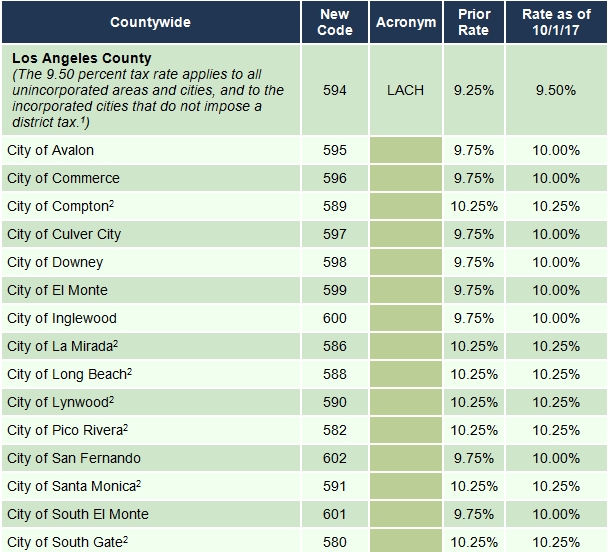
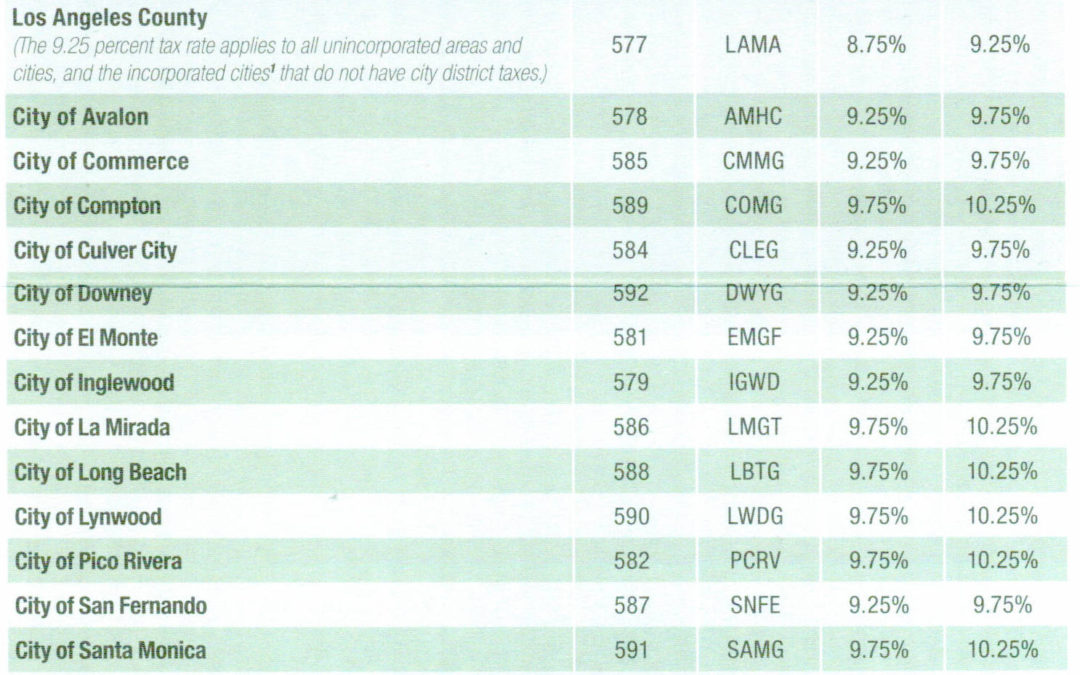
The reason tax rates fluctuate when you cross the street in Los Angeles County is due to “district taxes.” These are local measures passed by voters to fund specific public works projects. These might include funding for the Los Angeles County Metropolitan Transportation Authority, hospital districts, or even specific environmental initiatives. Because each city within the county has the authority to implement its own local measures on top of the state and county baseline, the final tax rate can vary by a fraction of a percent depending on your precise location.
How Sales Tax Impacts Your Tourist Budget
For the average visitor, these increments might seem negligible on a single cup of coffee, but for travelers spending several days exploring Southern California, these costs aggregate significantly. Understanding the “effective rate” is essential for long-term budget planning.
Dining and Shopping Expenditures
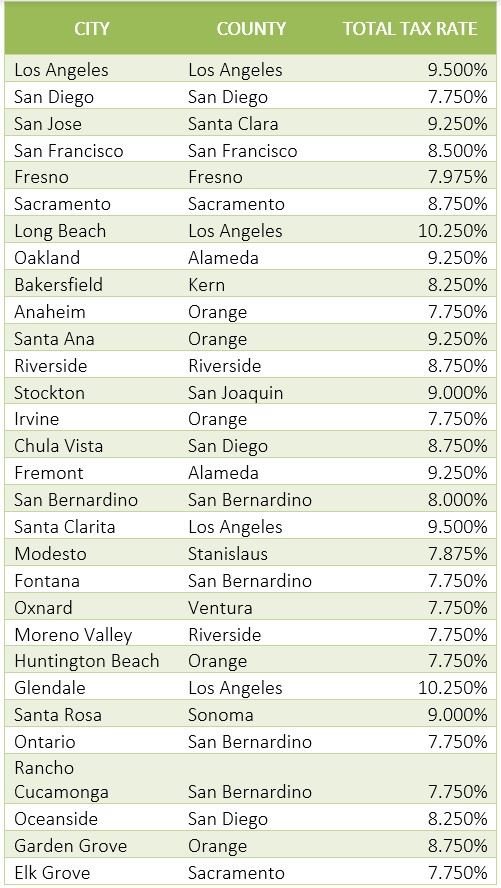
In Los Angeles, sales tax applies to most tangible personal property and prepared foods. If you decide to indulge in a high-end dinner at a restaurant in Beverly Hills or purchase designer clothing at The Grove, the tax is calculated based on the location of the transaction. High-end shopping districts often carry a combined tax rate hovering near 9.5% to 10.25%.
Distinguishing Between Goods and Services
One important rule for travelers to remember is that while goods are taxed, services are generally not. If you are paying for a guided tour of Hollywood or a ticket to Universal Studios Hollywood, you may notice that the tax structure feels different. Admission fees for many recreational activities are often subject to different local utility or admissions taxes, which are sometimes rolled into the ticket price rather than added at the register. Always check if a price is “inclusive of taxes” or “plus tax” to avoid surprises at the point of sale.
Regional Variations Within the County
Not all parts of Los Angeles County are created equal when it comes to the final percentage added to your bill. Travelers who hop between cities—for example, moving from West Hollywood to Pasadena—might notice a slight difference in their total.
Why Rates Fluctuate
The primary reason for these fluctuations is voter-approved ballot measures. Cities like Culver City or Long Beach may have different infrastructure needs than Malibu, leading to distinct district tax levies. These taxes are specifically earmarked for local road repair, police services, or public art installations. When you pay a higher tax rate in one city over another, you are technically contributing to the local services of that specific jurisdiction.
Planning for the “Sales Tax Premium”
If you are traveling on a strict budget, it is wise to calculate a 10% tax cushion on all your estimated expenses. While the actual rate is usually slightly below that, budgeting for 10% ensures that you never run short of funds. When purchasing expensive items, such as souvenirs from Olvera Street or electronics, remember that the tax is applied to the final sticker price.
Tips for Savvy Spending in Los Angeles
While you cannot escape the tax, you can manage your spending habits to get the most value out of your trip to The Golden State.
Look for “Tax-Included” Pricing
Some venues, particularly in the tourist-heavy sectors like Downtown Los Angeles, utilize “all-in” pricing to simplify the customer experience. When you see a price on a menu or a brochure, verify if it includes all applicable taxes and fees. This is common practice at many theaters and music venues throughout California.
Understand Online Purchases
If you are staying at a hotel in Santa Monica and decide to order items online to be delivered to your hotel, be aware that you will be charged the sales tax rate of the destination address. Even if the website is based in a different state, they are required by law to collect California sales tax for orders being delivered within state lines.
Keep Receipts for Records
For business travelers visiting Los Angeles, keeping detailed records is crucial. Because tax rates vary depending on which city you are visiting, itemized receipts are vital for accurate expense reporting. Ensure your receipts clearly show the amount of tax paid, as this is a deductible business expense for many professionals.
Conclusion: Navigating Fiscal Realities
Ultimately, Los Angeles County offers a wealth of culture, history, and entertainment that makes every dollar spent feel worthwhile. While the sales tax adds a layer of complexity to your financial planning, it is an investment into the infrastructure and amenities that make cities like Venice Beach and Glendale such vibrant places to visit. By maintaining awareness of how these rates are structured and knowing how to factor them into your daily budget, you can spend less time worrying about the math and more time enjoying the legendary attractions of Southern California. Whether you are exploring the Griffith Observatory or dining along the Pacific Coast Highway, being a well-informed traveler is the best way to ensure your trip remains both enjoyable and financially sound.
LifeOutOfTheBox is a participant in the Amazon Services LLC Associates Program, an affiliate advertising program designed to provide a means for sites to earn advertising fees by advertising and linking to Amazon.com. Amazon, the Amazon logo, AmazonSupply, and the AmazonSupply logo are trademarks of Amazon.com, Inc. or its affiliates. As an Amazon Associate we earn affiliate commissions from qualifying purchases.