
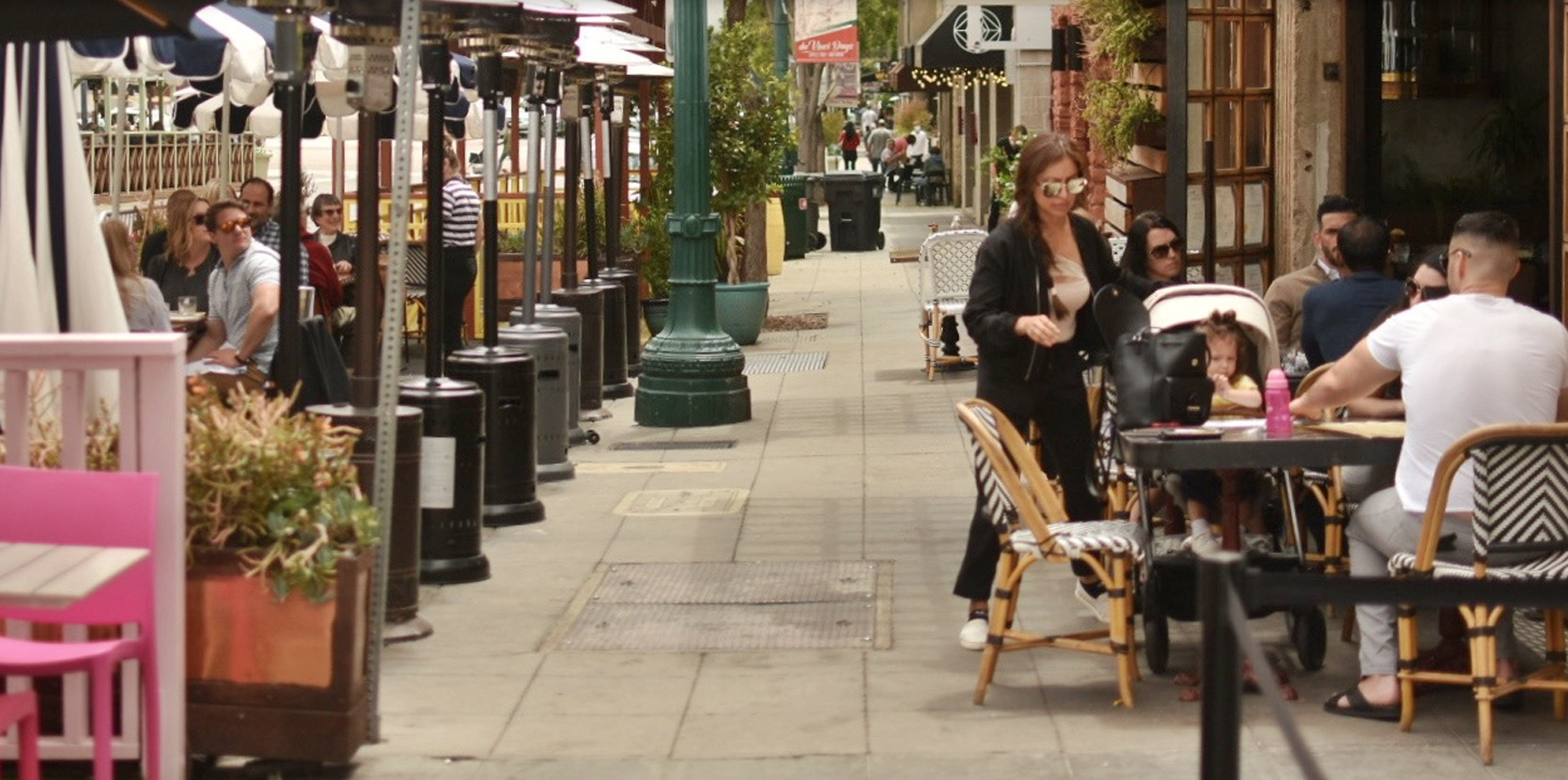
The allure of al fresco dining has long been an integral part of California‘s vibrant hospitality scene, perfectly complementing its idyllic weather and diverse landscapes. From bustling urban streets to serene coastal towns, outdoor seating enhances the dining experience, allowing patrons to soak in the local atmosphere, people-watch, and enjoy the state’s unique charm. For business owners, particularly those in the food and beverage industry, the question of whether a permit is required for outdoor seating is not merely a formality but a critical operational consideration that impacts profitability, customer satisfaction, and compliance. The straightforward answer is almost always a resounding “yes,” but the specifics are anything but simple, navigating a complex tapestry of state, county, and municipal regulations.

The Evolving Landscape of Outdoor Dining in California
The significance of outdoor dining, once a desirable amenity, transformed into a lifeline for many businesses during the global pandemic. As indoor capacities were curtailed or eliminated, jurisdictions across California rapidly implemented emergency ordinances to allow or expand outdoor seating options, often waiving or fast-tracking permit requirements. This period saw the proliferation of parklets, sidewalk cafes, and patio expansions, fundamentally reshaping the urban landscape and consumer expectations. What began as a temporary measure to ensure economic survival quickly highlighted the immense value of outdoor spaces, not just for businesses but also for enhancing the overall public realm and tourism experience.
The experience of enjoying a meal or a drink outdoors has become deeply embedded in California’s local culture, reflecting its laid-back yet sophisticated lifestyle. Tourists, in particular, seek out establishments with outdoor seating to fully immerse themselves in the destination, whether it’s enjoying fresh seafood overlooking the Pacific Ocean in San Diego, sipping wine on a vineyard patio in Napa Valley, or experiencing the bustling street life of Los Angeles. This sustained demand has prompted many cities to transition their temporary outdoor dining programs into permanent fixtures, recognizing their contribution to urban vitality, economic recovery, and the overall appeal of tourist destinations. However, this transition necessitates a return to, or the establishment of, comprehensive permitting processes to ensure public safety, accessibility, and fair use of public spaces.
Navigating California’s Permit Requirements: A Complex Web
Obtaining a permit for outdoor seating in California involves navigating a multi-layered regulatory framework that can seem daunting. Businesses must contend with state-level mandates, county regulations, and often the most granular and variable requirements set by individual cities or even specific business improvement districts. Key agencies typically involved include the California Department of Alcoholic Beverage Control (ABC), local planning and public works departments, and county health departments. Each plays a distinct role, and a successful outdoor seating setup often requires approvals from several of these entities. The critical first step for any business considering outdoor seating is to consult with their local city’s planning or business services department, as local ordinances will dictate the majority of the requirements and the application process.
State-Level Considerations: ABC and Health Codes
At the state level, two primary regulatory bodies exert significant influence over outdoor seating, particularly for establishments serving food and alcohol. The California Department of Alcoholic Beverage Control (ABC) is paramount for any business that holds an alcohol license and wishes to extend its service area outdoors. An existing ABC license is typically tied to a specific premises diagram. Expanding service to an outdoor area, whether on private property or public right-of-way, usually requires an amendment to this diagram and ABC approval. This process ensures that alcohol service remains within regulated boundaries, preventing underage access and maintaining public order. The ABC considers factors such as the proximity to residences, schools, and other sensitive uses, as well as the proposed method of controlling the outdoor area.
Furthermore, state health and safety regulations for food service are universally applicable. While outdoor seating itself doesn’t fundamentally change these requirements, businesses must ensure that the outdoor area complies with standards for food handling, sanitation, pest control, and proper waste management. County health departments are typically responsible for enforcing these state mandates, and they will often inspect outdoor dining areas as part of their regular permitting and oversight functions. Ensuring proper handwashing stations, adequate food storage, and protection from environmental contaminants are just a few examples of health considerations that extend to outdoor operations.
Local Ordinances: The Crucial Variable
The most significant variability in outdoor seating permit requirements lies at the municipal level. Cities and counties in California possess considerable autonomy in regulating the use of public and private spaces, leading to a patchwork of rules across the state. What is permissible in San Francisco may differ substantially from regulations in Santa Monica or Sacramento.
Typically, businesses will encounter several types of local permits:
- Encroachment Permits: These are required when outdoor seating extends onto public property, such as sidewalks, streets (for parklets), or plazas. These permits address the temporary occupation of public right-of-way and usually involve fees, proof of insurance, and compliance with public safety and accessibility standards.
- Use Permits or Conditional Use Permits (CUPs): For larger or more permanent outdoor dining areas, especially those on private property that might alter the character of the site or neighborhood, a use permit may be necessary. These permits involve a discretionary review process by the local planning department and may include public hearings.
- Temporary Outdoor Dining Permits: While many emergency temporary permits have expired, some cities have established new, streamlined temporary programs designed to ease the burden on businesses while permanent solutions are being developed.

Local jurisdictions consider a multitude of factors when reviewing outdoor seating applications. These include:
- Public Safety and Accessibility: Ensuring clear pathways for pedestrians, emergency vehicles, and compliance with the Americans with Disabilities Act (ADA) is paramount.
- Noise and Hours of Operation: Regulations are often in place to mitigate noise impacts on adjacent residential areas.
- Aesthetics and Design: Cities often have design guidelines for outdoor seating, including requirements for barriers, furniture, lighting, and landscaping to maintain streetscape quality.
- Parking Impacts: For parklets or expansions into parking areas, cities may require mitigation for lost parking spaces.
- Duration and Materials: Whether the setup is temporary or permanent often dictates the materials, engineering, and level of scrutiny.
Engaging early with the city’s planning, public works, and business licensing departments is crucial to understanding the specific requirements for your location. Many cities provide comprehensive guides or dedicated staff to assist businesses through the process.
The Application Process: What to Expect
The journey to securing an outdoor seating permit typically involves several distinct steps, each requiring careful attention to detail. The first and most critical step is thorough research into your specific city and county’s requirements. Most jurisdictions now publish their ordinances and application packets online. This initial research will outline the necessary forms, fees, and supporting documentation.
Commonly required documentation includes:
- Detailed Site Plans: These architectural drawings illustrate the proposed outdoor seating area, showing dimensions, furniture layout, emergency egress, pedestrian clear zones, and often materials. They typically need to be professionally drawn and stamped.
- Proof of Insurance: Businesses are almost always required to carry comprehensive general liability insurance with specific minimum coverage limits, naming the city as an additional insured party. This protects the city in case of accidents or injuries occurring in the permitted outdoor area.
- Health Department Approval: Confirmation that the outdoor area meets local health code standards for food and beverage service.
- ABC Authorization: For establishments serving alcohol, documentation of ABC approval for premises expansion is essential.
- Property Owner Consent: If you lease your business premises, consent from your landlord or property owner will be required.
- Neighborhood Notification/Support: Some jurisdictions require businesses to notify adjacent property owners or neighborhood associations, and some may even factor community input into the approval process.
The application process also involves paying various fees, which can include application fees, review fees, and annual right-of-way fees if public property is being used. These fees can vary widely depending on the city and the scope of the project. Timelines for permit approval can range from a few weeks for a simple, temporary setup to several months for more complex or permanent installations that require public hearings.
Design considerations are often a significant part of the application. Cities may have specific guidelines regarding the type of barriers, furniture, heating elements, lighting, and signage allowed in outdoor dining areas to ensure aesthetic consistency and public safety. For instance, barriers must be robust enough to separate patrons from pedestrian traffic but often cannot be permanent structures without additional building permits. Accessibility for all patrons, including those with disabilities, is a non-negotiable aspect that must be integrated into the design. Consulting with city planning departments early in the design phase can prevent costly revisions later.
Benefits and Challenges of Outdoor Seating
Implementing outdoor seating, while requiring permits and investment, offers numerous benefits that can significantly boost a business and enrich the local tourism experience. The most immediate benefit is increased capacity and revenue potential, allowing businesses to serve more customers, particularly during peak seasons or busy times. Outdoor areas also enhance the customer experience, providing a desirable ambiance that many patrons actively seek, especially in California’s favorable climate. This contributes to a vibrant street life, making areas more attractive to both locals and tourists, fostering a sense of community engagement, and enhancing the overall appeal of a destination.
However, these benefits come with their share of challenges. The primary hurdle remains the regulatory complexity and cost associated with obtaining and maintaining permits, which can be particularly burdensome for small businesses. Initial setup costs for furniture, barriers, heaters, and lighting can be substantial, and ongoing maintenance is required. Weather dependency is another factor; while California boasts sunny days, rain, extreme heat, or cold can render outdoor seating unusable, impacting revenue. Public perception and potential complaints from residents regarding noise, litter, or visual impact can also arise, necessitating careful management and adherence to permit conditions. Finally, enforcement by local authorities ensures compliance, and failure to meet permit stipulations can result in fines or revocation of privileges.
Looking Ahead: The Future of Al Fresco Dining in California
The pandemic-driven expansion of outdoor dining has indelibly altered California’s hospitality landscape. Many cities are moving beyond temporary emergency measures to establish permanent, well-thought-out programs that balance economic support for businesses with community concerns and public safety. This shift involves a continuous dialogue between restaurant owners, local residents, urban planners, and elected officials to craft sustainable solutions.
The future of al fresco dining in California is likely to see increasingly refined guidelines, potentially with standardized processes across regions, while still allowing for local character. Innovation in design and materials, coupled with a greater understanding of urban planning principles, will likely lead to more integrated and aesthetically pleasing outdoor spaces. For businesses, understanding and adapting to these evolving regulations will be crucial for long-term success. For tourists, these vibrant outdoor dining areas will continue to be a defining feature of the California experience, offering unique opportunities to savor local cuisine and culture under the Golden State’s open sky. The answer to whether a permit is needed is clear; the pathway to obtaining one, while intricate, is a worthwhile investment in the enduring appeal of California’s hospitality.
LifeOutOfTheBox is a participant in the Amazon Services LLC Associates Program, an affiliate advertising program designed to provide a means for sites to earn advertising fees by advertising and linking to Amazon.com. Amazon, the Amazon logo, AmazonSupply, and the AmazonSupply logo are trademarks of Amazon.com, Inc. or its affiliates. As an Amazon Associate we earn affiliate commissions from qualifying purchases.