
For many travelers and residents, understanding local laws, particularly those concerning the right to carry firearms, is an essential part of planning their experience in a new state or simply navigating daily life. Arizona stands out in the United States for its relatively permissive gun laws, particularly regarding concealed carry. This guide will delve into the specifics of Arizona’s concealed carry regulations, providing crucial insights for anyone considering carrying a firearm within the Grand Canyon State. Whether you’re planning a trip to explore the stunning landscapes of Sedona, hike in the Grand Canyon National Park, or visit cities like Phoenix or Tucson, understanding these laws is paramount for a safe and lawful journey.
Understanding Arizona’s Concealed Carry Laws
Arizona is widely recognized as a “Constitutional Carry” state. This designation means that, for eligible individuals, a government-issued permit is not required to carry a concealed firearm. This policy reflects a strong belief in the Second Amendment right to bear arms without needing prior state permission. However, “Constitutional Carry” does not mean “unrestricted carry.” There are still specific requirements and prohibitions that all individuals must adhere to, regardless of whether they possess a permit.
Permitless Carry: The Basics
Under Arizona Revised Statutes (A.R.S.) § 13-3102, an individual who is at least 21 years old and is not otherwise prohibited from possessing a firearm under state or federal law may carry a concealed handgun in Arizona without a permit. This applies to both residents and non-residents who are legally present in the state. The firearm must be completely hidden from ordinary observation. It’s crucial to understand that while a permit isn’t necessary for concealed carry, individuals must still be legally allowed to own a firearm. This includes not having felony convictions, certain misdemeanor domestic violence convictions, or being subject to a protective order, among other federal disqualifiers.
Open carry, where a firearm is carried openly and unconcealed, is also generally permitted in Arizona for individuals 18 years or older who are not prohibited from possessing a firearm. However, this article focuses specifically on concealed carry, which often requires a different set of considerations, especially for travelers.
Who Can Carry Concealed Without a Permit?
To lawfully carry a concealed firearm in Arizona without a permit, an individual must meet several criteria:
- Age: Be 21 years of age or older.
- Legal Possession: Not be a “prohibited possessor” under federal or state law. Prohibited possessors include individuals convicted of a felony, certain domestic violence misdemeanors, those subject to a protective order, individuals who are addicted to drugs or adjudicated mentally defective, and undocumented immigrants.
- Location Awareness: Be aware of locations where carrying a firearm, even concealed, is strictly prohibited. These “gun-free zones” exist regardless of permit status and are critical for all carriers to understand.
It is always the individual’s responsibility to know and understand the laws that apply to them. Ignorance of the law is not a valid defense. Therefore, even with permitless carry, a thorough understanding of Arizona’s statutes is indispensable.
Permits vs. Permitless: Why Obtain a Permit?
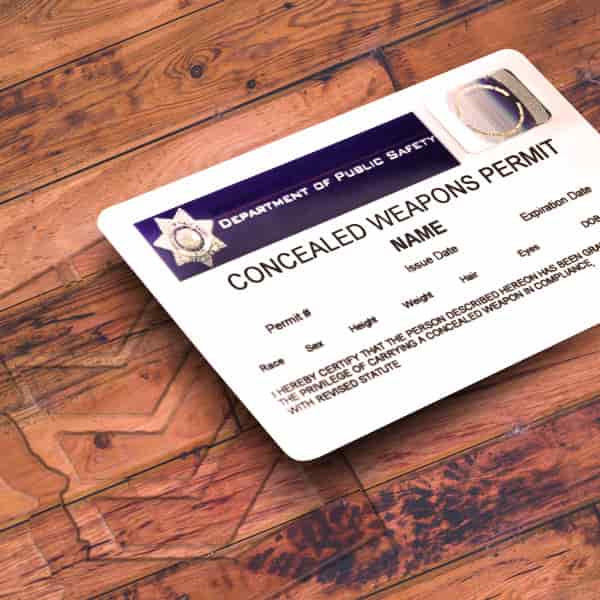
Given Arizona’s permitless carry laws, one might wonder why anyone would bother obtaining an Arizona Concealed Weapon Permit (CWP). However, there are significant advantages to having an Arizona CWP, particularly for those who travel frequently or wish to enhance their legal standing and knowledge. The Arizona Department of Public Safety (DPS) issues CWPs to eligible applicants.
Reciprocity with Other States
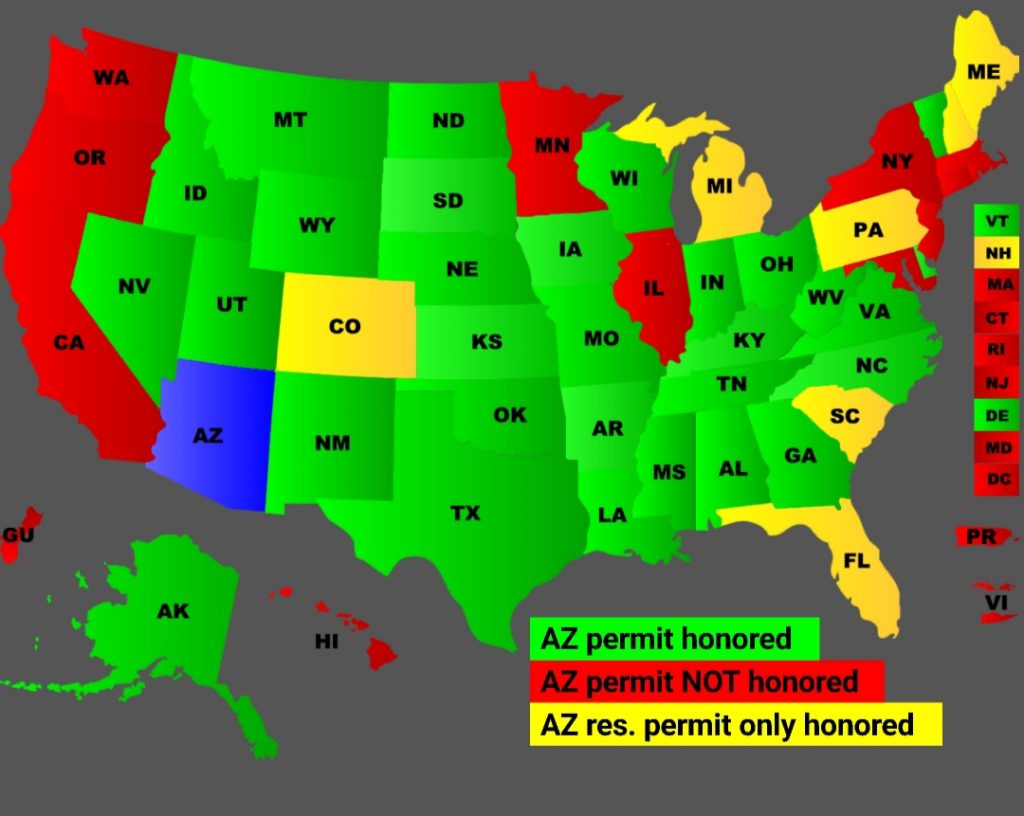
Perhaps the most compelling reason for an Arizona resident or frequent visitor to obtain a CWP is reciprocity. An Arizona CWP is recognized by many other states, allowing the permit holder to legally carry a concealed firearm in those jurisdictions, even if they do not have permitless carry laws themselves. This is invaluable for individuals who travel across state lines for business or leisure. Without an Arizona CWP, an individual is generally restricted to carrying only within Arizona’s borders unless another state specifically recognizes permitless carry for non-residents.
The exact number of states recognizing Arizona’s CWP can vary, and laws are subject to change. Therefore, it is critical for travelers to research the concealed carry laws of every state they plan to enter while armed. Websites of the issuing authority for permits, like Arizona DPS, often provide reciprocity maps and links to other states’ laws.
Enhanced Legal Protections and Knowledge
Obtaining an Arizona CWP typically requires completing a firearms safety course. While not mandated for permitless carry, this training provides invaluable education on safe gun handling, storage, shooting proficiency, and, critically, the legal aspects of self-defense and firearm use. This knowledge can be vital in high-stress situations and can provide a stronger legal defense should an individual ever need to use their firearm. Furthermore, CWP holders are generally presumed by law enforcement to be knowledgeable about firearm laws, which can lead to smoother interactions during traffic stops or other encounters. In some instances, CWP holders may also be exempt from certain restrictions, such as carrying in restaurants that serve alcohol, provided they do not consume alcohol themselves.
Purchasing Firearms

While not a direct benefit related to carrying, holding an Arizona CWP can sometimes streamline the process of purchasing a firearm from a licensed dealer. CWP holders may be exempt from the background check requirement (National Instant Criminal Background Check System or NICS check) when purchasing firearms, as the background check is typically performed during the permit application process. This can expedite transactions and is another practical benefit for firearm owners in Arizona.
Important Considerations for Travelers in Arizona
For those traveling to Arizona with a firearm, or even considering purchasing one while visiting, several key points must be thoroughly understood to ensure compliance with the law. The freedom of permitless carry comes with the significant responsibility of knowing where and how firearms can be legally carried.
Federal vs. State Laws: National Parks and Other Federal Lands
One of the most common pitfalls for travelers involves federal land. While Arizona law governs carry in most areas, federal laws apply to federal properties. For instance, while you can carry a concealed firearm in many National Parks in Arizona (like the Grand Canyon National Park or Saguaro National Park) if you are legally allowed to do so under state law, there are often critical exceptions. Federal buildings within these parks (visitor centers, administrative offices, restrooms, etc.), post offices, and courthouses are typically “gun-free zones.” It’s imperative to research the specific regulations for any federal land or facility you plan to visit. The Bureau of Land Management (BLM) and U.S. Forest Service lands generally allow concealed carry consistent with Arizona law, but again, federal buildings within these areas are prohibited.
Prohibited Places for Carry
Even with permitless carry, there are numerous locations in Arizona where carrying a firearm, whether concealed or open, is strictly prohibited by state law. These include:
- Polling Places: While an election is in progress.
- School Campuses: K-12 schools, including parking lots and school events. There are exceptions for law enforcement and individuals with specific permission or a CWP who are dropping off/picking up students (firearm must be unloaded and secured in the vehicle).
- Correctional Facilities: Jails, prisons, and detention centers.
- Federal Buildings: Post offices, federal courthouses, federal administrative offices, etc.
- Nuclear Generating Stations: Such as the Palo Verde Generating Station.
- Private Property: Where the owner or lawful possessor has posted a sign prohibiting firearms or has verbally communicated such a prohibition. “No firearms” signs carry the force of law in Arizona.
- Airports: Inside the sterile area beyond TSA checkpoints.
Always be vigilant for posted signage and be respectful of private property owners’ rights to restrict firearms. Violating these prohibitions can lead to serious legal consequences, including felony charges depending on the location and circumstances.
Safe Storage and Responsible Carry
Responsible firearm ownership and carry are paramount. When traveling, especially with children, ensuring firearms are safely stored and inaccessible is critical. Arizona does not have specific laws requiring firearms to be locked or unloaded in a vehicle, but common sense and safety dictate secure storage, especially if leaving the vehicle unattended. When carrying, ensure the firearm is truly concealed and that you are not inadvertently exposing it, which could cause alarm or misunderstanding. Understanding the nuances of “brandishing” and “disorderly conduct” is also vital, as perceived threats can quickly escalate to legal issues.
Navigating Arizona: Practical Tips for Concealed Carriers
Beyond the legal framework, practical considerations are crucial for anyone carrying a concealed firearm in Arizona. These tips aim to enhance safety, ensure compliance, and promote responsible firearm ownership for residents and visitors alike.
Vehicle Carry
In Arizona, an individual who is 21 years or older and not a prohibited possessor may carry a loaded firearm anywhere in a vehicle, concealed or openly. For those under 21 but at least 18, open carry of a firearm is generally permitted, but concealed carry in a vehicle without a CWP is not. If you possess an Arizona CWP, you may carry concealed in a vehicle from age 18. This flexibility is a significant aspect of Arizona’s gun laws, but it still necessitates caution and awareness, particularly regarding where you park and if your vehicle might be subjected to theft.
Interactions with Law Enforcement
While Arizona law does not require you to inform a law enforcement officer that you are carrying a concealed firearm during an official contact, it is often advisable to do so as a courtesy and for officer safety. If you choose to inform an officer, do so calmly and clearly, stating that you have a concealed firearm and ask how they would like you to proceed. Always keep your hands visible and refrain from making any sudden movements towards your firearm. Comply with all lawful instructions from the officer. Possessing an Arizona CWP can often facilitate these interactions, as it demonstrates prior background checks and training.
Staying Informed: Resources and Updates
Firearms laws can change, both at the state and federal levels. It is imperative for anyone who carries a firearm to stay informed about current legislation. Reliable resources include the Arizona Department of Public Safety (DPS) website, which provides official information on Arizona CWP applications and relevant statutes. Legal counsel specializing in firearms law, reputable gun rights organizations, and certified firearms instructors can also provide valuable guidance. Before embarking on any travel to Arizona, a quick check of the latest legal landscape is always a prudent step to ensure your travel experience remains safe and lawful.
LifeOutOfTheBox is a participant in the Amazon Services LLC Associates Program, an affiliate advertising program designed to provide a means for sites to earn advertising fees by advertising and linking to Amazon.com. Amazon, the Amazon logo, AmazonSupply, and the AmazonSupply logo are trademarks of Amazon.com, Inc. or its affiliates. As an Amazon Associate we earn affiliate commissions from qualifying purchases.