
Choosing where to establish roots, invest in a vacation home, or even spend an extended period significantly influences one’s lifestyle, and a critical component of that decision often revolves around financial implications, particularly property taxes. For those considering the sun-drenched landscapes and vibrant communities of Arizona, the question, “Does Arizona have property tax?” is not just a query about a state’s fiscal policy but a fundamental aspect of lifestyle planning. The short answer is yes, Arizona does levy property taxes, but understanding their structure, calculation, and impact is essential for anyone looking to make the Grand Canyon State their home or a significant part of their personal portfolio.
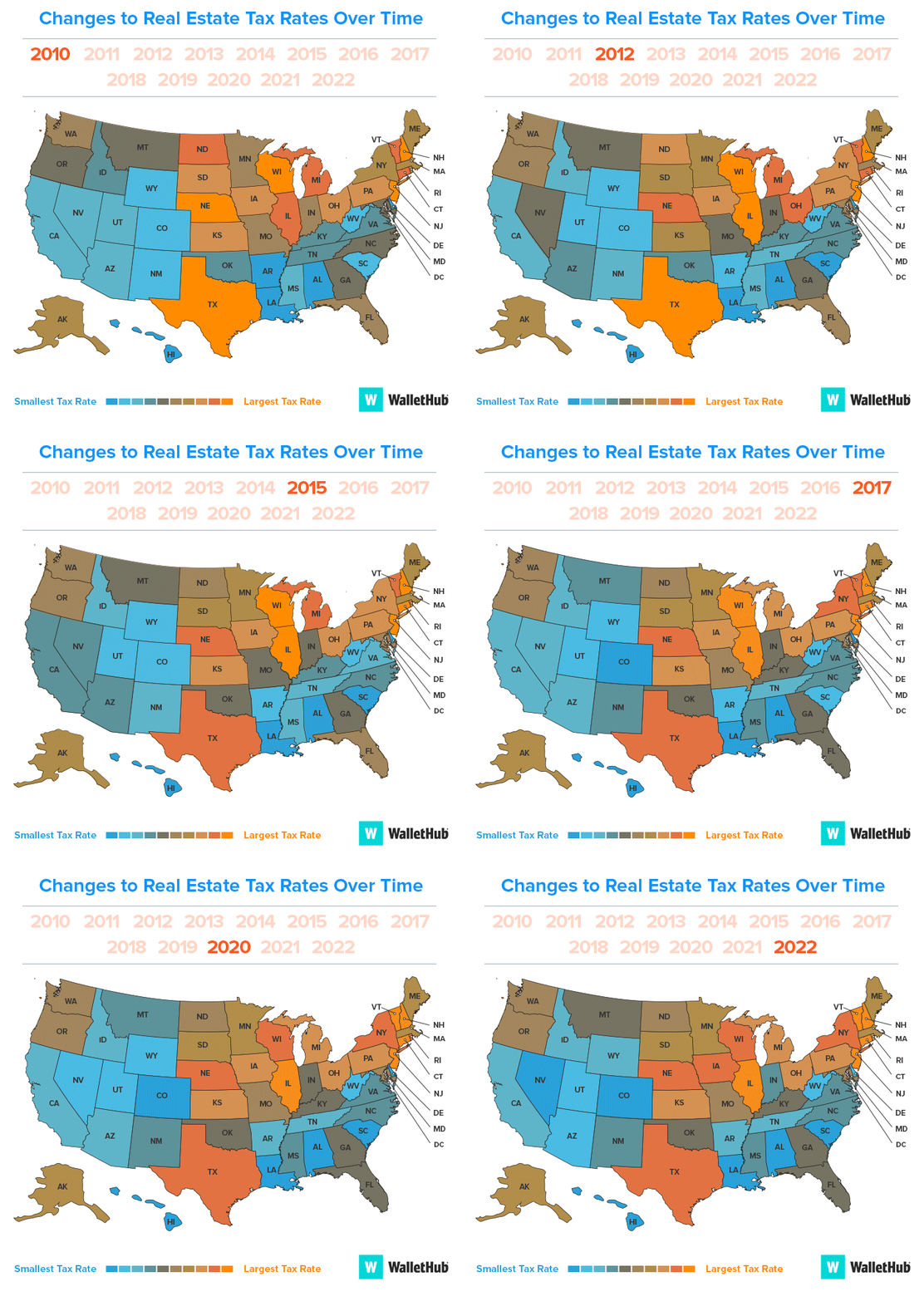
Understanding Arizona’s Property Tax Landscape for Lifestyle Planning
Navigating the nuances of property tax in any state can be complex, and Arizona is no exception. However, with a clear understanding, prospective residents and investors can better gauge the true cost of living or owning property, allowing for more informed lifestyle decisions, whether seeking a tranquil retirement, a bustling urban experience, or a wise real estate investment.
The Basics: Yes, Arizona Has Property Tax
Unlike some states that rely heavily on income or sales taxes, Arizona utilizes property taxes as a significant source of revenue for local services. These taxes are crucial for funding public education, county services, municipal operations, and special districts that contribute directly to the quality of life in communities across the state. From maintaining roads in Phoenix to supporting fire departments in Tucson, property taxes underpin much of the infrastructure and social services that define Arizona living. While the state property tax rate is notably low – historically one of the lowest in the nation – the bulk of the property tax burden comes from local jurisdictions. This means that two identical properties in different counties or even different cities within the same county could have vastly different annual tax bills, directly influencing the financial feasibility of a chosen lifestyle.
How Property Taxes are Calculated in Arizona
The calculation of property taxes in Arizona involves several key components, making it a system that requires a bit of unpacking. It’s not simply a percentage of a home’s market value, but rather a multi-step process:
- Property Valuation: Every property in Arizona is assigned two primary values by the county assessor: the Full Cash Value (FCV) and the Limited Property Value (LPV). The FCV is meant to reflect the property’s market value, while the LPV is a statutorily derived value that typically lags behind the FCV and increases by a maximum of 5% per year, or 10% in the case of significant improvements or new construction. It’s the LPV, not the FCV, that is primarily used for calculating property taxes for most residential properties.
- Assessment Ratios: Once the LPV is determined, it is multiplied by an assessment ratio to arrive at the Net Assessed Value. For primary residences, the assessment ratio is 10%. For rental properties, commercial properties, and some other classifications, the ratio is higher, generally 15% or more. This distinction is crucial for those considering Arizona for a primary home versus an investment property or second home, as it directly impacts the tax liability and, consequently, the long-term financial viability of that lifestyle choice.
- Tax Rates (Levies): The Net Assessed Value is then multiplied by the combined tax rates of all overlapping taxing jurisdictions. These rates, often expressed as dollars per $100 of assessed value or mills (dollars per $1,000), include state, county, municipal, school district, and special district levies. Each jurisdiction sets its own rate based on its budgetary needs. This localized nature means that areas with extensive public services or newer infrastructure might have higher overall rates. For example, a home in Maricopa County within the city of Phoenix will have a different combined tax rate than a similar home in Pima County near Tucson, or even in another part of Maricopa County like Scottsdale.
The resulting figure is the annual property tax bill. This intricate system is designed to provide some stability in property tax bills, as the LPV growth is capped, preventing dramatic year-over-year increases even if market values surge.
Impact on Lifestyle Choices: Relocation and Investment
The property tax structure in Arizona plays a significant role in the lifestyle decisions of individuals and families. Whether one is planning a permanent move, investing in a seasonal retreat, or looking to build a real estate portfolio, understanding these implications is paramount.
Primary Residence vs. Second Home
One of the most critical distinctions in Arizona property tax is the treatment of a primary residence versus a second home or investment property. As mentioned, primary residences benefit from a lower assessment ratio (10%), which significantly reduces the taxable value compared to a rental or secondary property, which might have an assessment ratio of 15% or higher. This differential is a powerful incentive for making Arizona your permanent home. For snowbirds or those seeking a seasonal escape, this means a second home in Arizona will generally incur a higher property tax burden than if it were your sole dwelling. This fiscal reality can steer lifestyle choices, potentially encouraging longer stays to qualify for primary residence status, or influencing the decision between owning a second home versus utilizing short-term rental accommodations. It underscores the importance of carefully budgeting for all costs associated with property ownership, beyond just the purchase price.
Arizona’s Tax Climate Compared to Other States
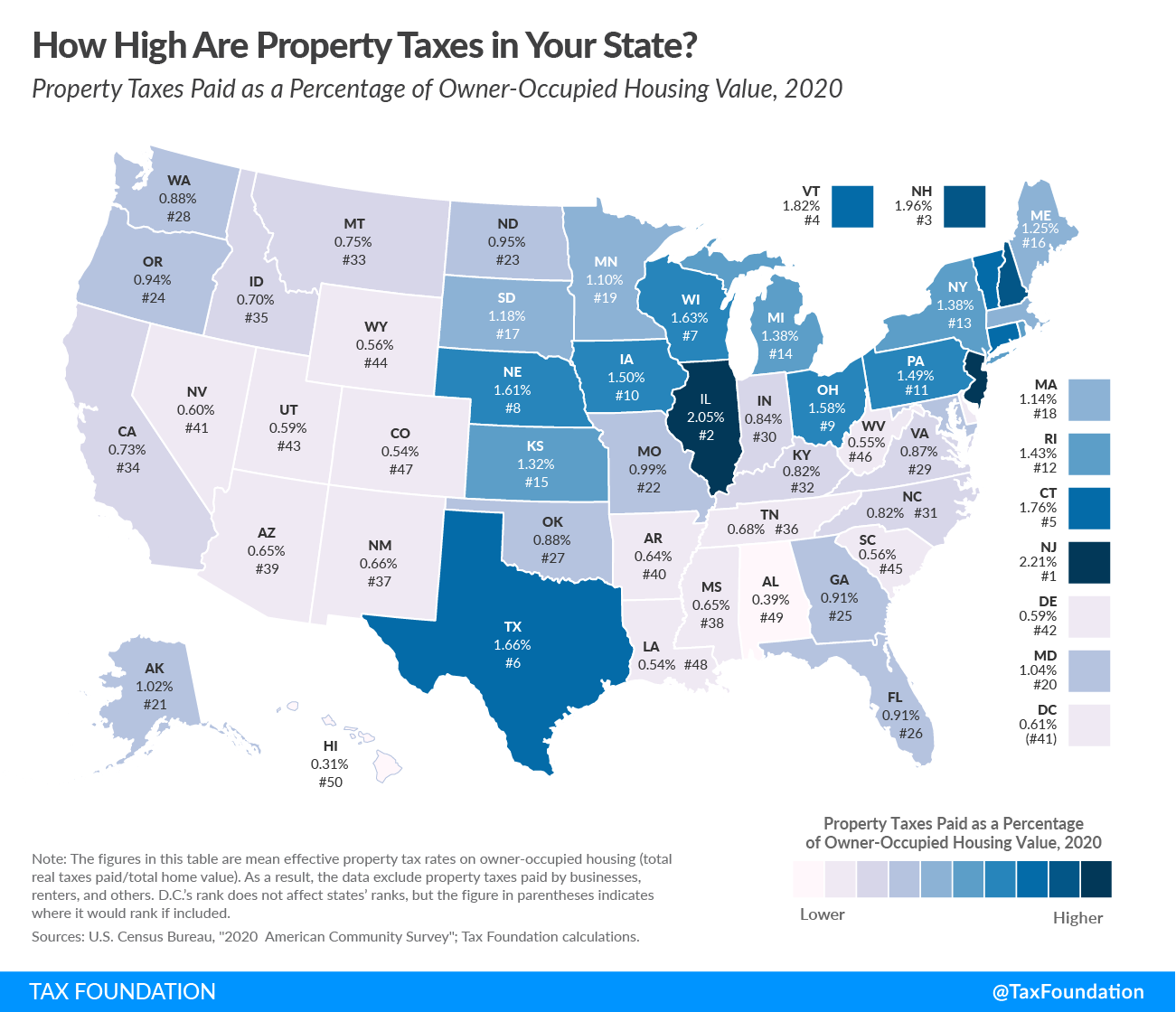
When evaluating Arizona as a place to live or invest, it’s beneficial to compare its property tax climate to other states. Arizona frequently ranks among states with relatively low property taxes when considering the effective tax rate (the percentage of a home’s value paid in property taxes annually). This can be a significant draw for retirees, who often live on fixed incomes, and for individuals looking to maximize their discretionary income. States like California or New York often have higher median home values and higher effective property tax rates, making Arizona an appealing alternative from a pure cost-of-living perspective.
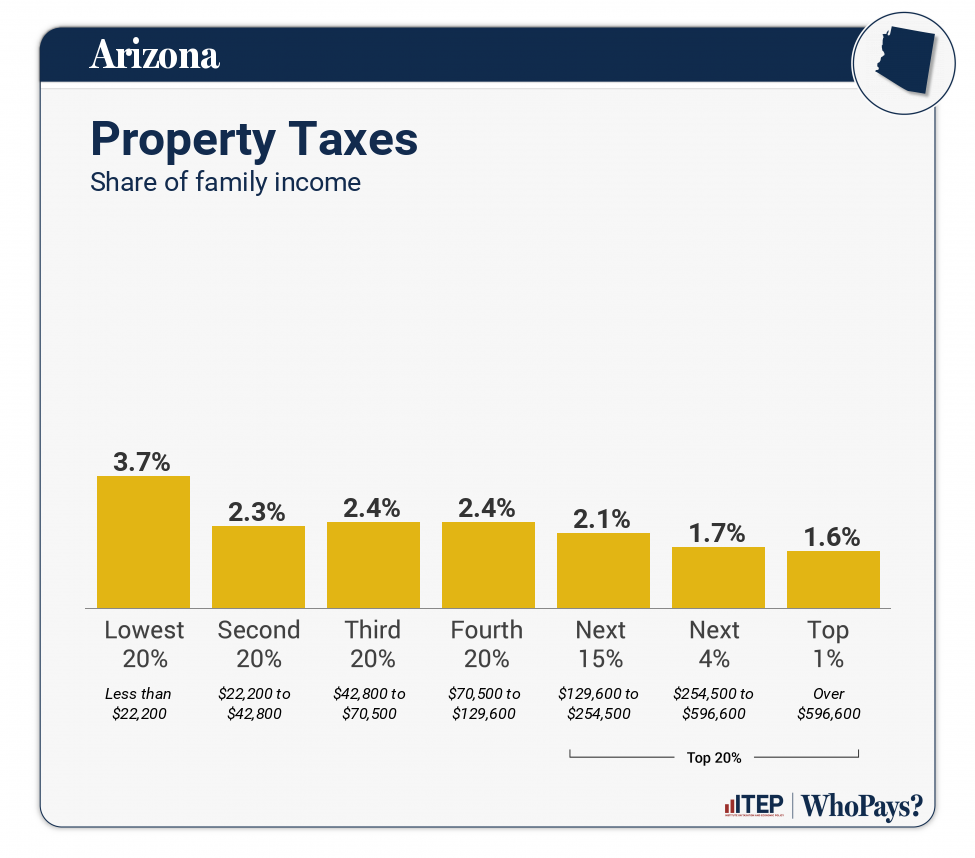
However, a low overall state average doesn’t tell the whole story. As property tax rates are set locally, variations can be substantial. For instance, a property in a rapidly developing area like Scottsdale might have different school district and municipal levies compared to a more rural property in Coconino County or even a historical home in Prescott. Potential residents are encouraged to research specific county and city tax rates for the areas they are considering to gain an accurate picture of their prospective financial commitment. This localized insight is crucial for aligning financial realities with desired lifestyle outcomes.
Navigating Property Tax for Arizona Living
Understanding the calculation is one thing, but actively managing and planning for property taxes is another. For those committed to an Arizona lifestyle, knowledge of exemptions and available resources can optimize their financial strategy.
Exemptions and Relief Programs
Arizona offers several property tax exemptions and relief programs designed to support specific demographics, primarily homeowners. These programs can significantly reduce the tax burden for eligible individuals, making an Arizona lifestyle more accessible and sustainable.
- Homestead Exemption: While Arizona does not have a broad homestead exemption that directly reduces property tax (like some other states), it does provide a homestead protection for a homeowner’s primary residence against certain creditors. This is more of a legal protection than a tax reduction, but it’s an important consideration for homeowners’ overall financial security.
- Senior Valuation Freeze: For qualifying seniors (typically 65 or older with specific income limitations), Arizona offers a property valuation freeze. This program can prevent the LPV of their primary residence from increasing for a period, offering significant stability in their property tax bills as they age. This is a substantial benefit for seniors planning their retirement lifestyle in Arizona, ensuring that rising property values don’t lead to unsustainable tax increases.
- Disabled Veteran Exemption: Eligible disabled veterans may qualify for a property tax exemption on their primary residence. The amount of the exemption depends on the veteran’s disability rating and income, providing valuable relief for those who have served.
- Widow/Widower Exemption: Similarly, certain widows and widowers may qualify for a property tax exemption if they meet specific criteria related to income and property value.
It is imperative for individuals who believe they may qualify for these programs to proactively contact their county assessor’s office. Applications typically need to be filed annually, and eligibility requirements can be stringent. Utilizing these programs is a smart financial move that directly enhances the affordability and quality of life for eligible Arizona residents.
Resources for Property Owners
For current and prospective property owners in Arizona, a wealth of information and resources is available to help understand and manage property taxes.
- County Assessor’s Office: This is the primary resource for property valuation details, assessment ratios, and information on exemptions. Each county in Arizona has its own assessor’s office (e.g., Maricopa County Assessor, Pima County Assessor). Their websites typically offer robust search tools to look up specific property values and tax history.
- County Treasurer’s Office: The treasurer’s office is responsible for collecting property taxes. They can provide information on tax bills, payment schedules, and options for payment plans.
- Arizona Department of Revenue: The state’s revenue department provides general information on tax laws and policies that apply statewide.
- Real Estate Professionals: Local real estate agents and brokers often have a good grasp of the property tax trends and specific rates in different neighborhoods, which can be invaluable during the property search process.
- Financial Advisors and Tax Professionals: For complex situations, particularly involving investment properties or multi-state residency, consulting with a financial advisor or a tax professional specializing in Arizona tax law can provide tailored guidance and strategic planning.
Leveraging these resources ensures that property owners are well-informed, helping them to effectively integrate property tax considerations into their overall financial planning for an Arizona lifestyle.
Beyond the Tax Bill: Long-term Financial Planning
Property taxes are not just an annual bill; they are an ongoing financial commitment that impacts the long-term viability and enjoyment of property ownership. Strategic long-term planning, informed by a thorough understanding of Arizona’s property tax structure, is essential for any thoughtful lifestyle choice.
Property Tax and Home Value Appreciation
While property taxes represent a recurring expense, they are also intrinsically linked to property values and the overall economic health of a community. In Arizona’s popular growth areas, such as Phoenix and Tucson metropolitan areas, property values have seen significant appreciation over the years. This appreciation can build substantial equity for homeowners. The LPV cap, which limits the annual increase in the taxable value of a property, provides a buffer against sudden, dramatic spikes in tax bills even as market values soar. This can provide a sense of financial predictability, which is a key component of a stable and enjoyable lifestyle. However, it’s important to remember that if a property is sold and then purchased by a new owner, the LPV will typically reset closer to the new Full Cash Value, potentially leading to a higher tax bill for the new owner. This dynamic is a crucial consideration for buyers, especially in a market where property values have escalated significantly.
Consulting a Professional
For any significant lifestyle decision involving property ownership in Arizona, particularly for those with unique financial circumstances, complex portfolios, or specific long-term goals, consulting with professionals is a prudent step. A qualified real estate attorney can offer insights into the legal aspects of property ownership and taxation. A certified public accountant (CPA) specializing in real estate or Arizona tax law can help optimize tax strategies, particularly for those owning multiple properties or running a business from their home. Financial planners can integrate property tax considerations into a holistic financial plan, ensuring that the cost of an Arizona lifestyle aligns with broader financial objectives, including retirement planning, investment goals, and estate planning. This proactive approach ensures that property taxes are not merely an unavoidable cost, but a manageable and predictable element within a well-conceived lifestyle strategy.
LifeOutOfTheBox is a participant in the Amazon Services LLC Associates Program, an affiliate advertising program designed to provide a means for sites to earn advertising fees by advertising and linking to Amazon.com. Amazon, the Amazon logo, AmazonSupply, and the AmazonSupply logo are trademarks of Amazon.com, Inc. or its affiliates. As an Amazon Associate we earn affiliate commissions from qualifying purchases.