
When planning a visit to California, many travelers from other parts of the United States or abroad might wonder about the local law enforcement structure, particularly if they’re accustomed to seeing “state troopers” or “state police” patrolling highways. Understanding who maintains public safety is a crucial aspect of responsible tourism, ensuring both adherence to local laws and knowing where to turn for assistance. While the term “state trooper” isn’t used in the Golden State, California indeed has a robust, visible, and highly effective state-level law enforcement agency responsible for highway patrol and much more, playing a pivotal role in the visitor experience.

Understanding Law Enforcement in the Golden State
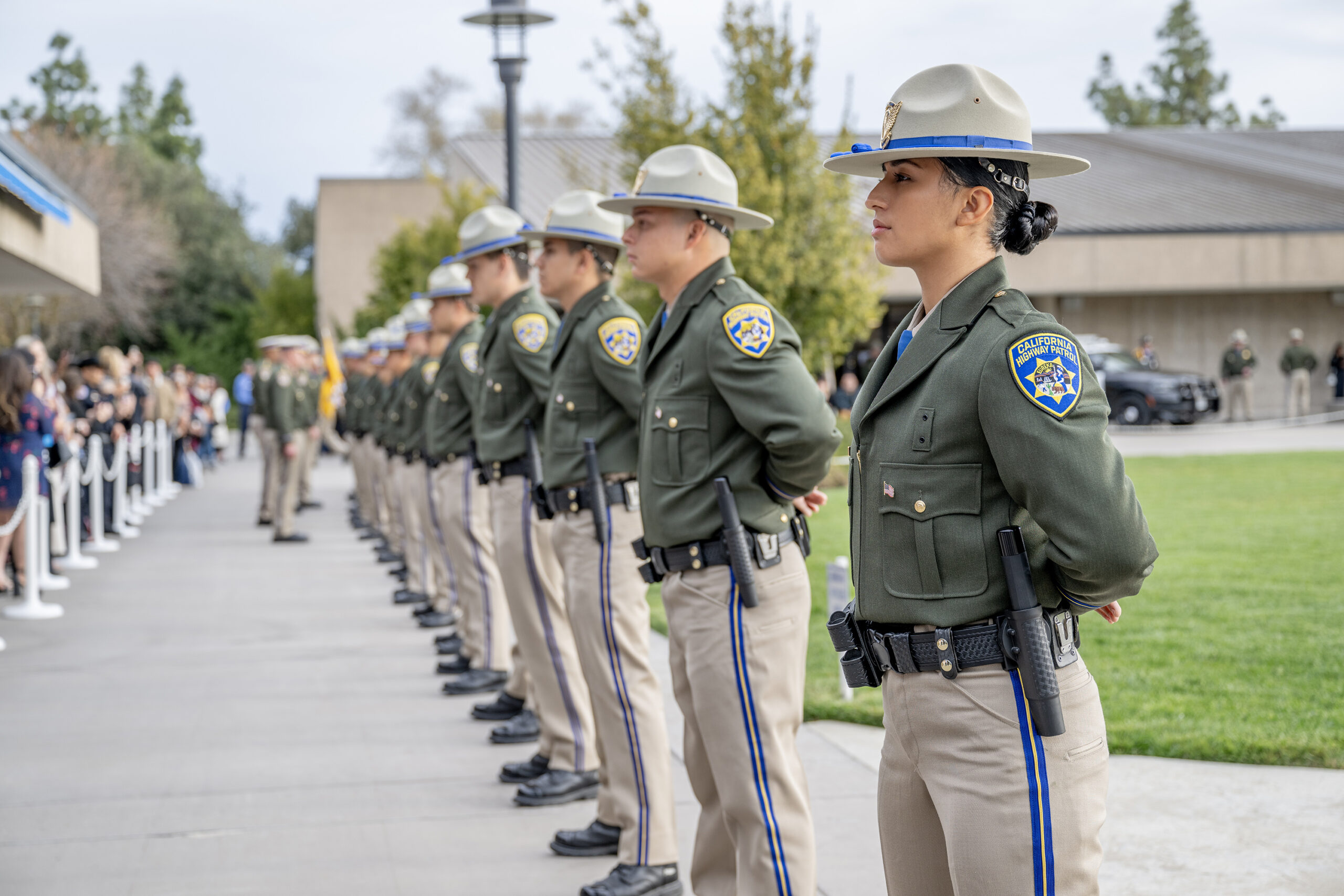
Unlike many states that operate a “state police” force with broad jurisdiction, California utilizes a more specialized approach at the state level. The primary state law enforcement agency that travelers will encounter, particularly on the expansive highway system, is the California Highway Patrol (CHP). Founded in 1929, the CHP is one of the largest state police agencies in the United States, and its officers are often colloquially referred to as “CHP officers” or simply “CHP.” For tourists, recognizing the distinct tan uniform and patrol vehicles of the CHP is essential, as these are the individuals responsible for ensuring safety on the state’s vast network of roads. Their presence signifies a commitment to public order and emergency response, providing a foundational sense of security for anyone traversing the state, whether for leisure or business.
The CHP’s mandate extends beyond mere traffic enforcement; it encompasses a wide range of duties vital for public safety and, by extension, for a smooth tourism experience. This includes investigating traffic collisions, vehicle theft, and organized crime, as well as providing protection for state property and officials. For visitors exploring California’s diverse landscapes, from bustling urban centers to serene national parks, the CHP serves as a critical first responder and guardian, ensuring that travel routes remain safe and navigable. Understanding their role is key to appreciating the comprehensive safety net that underpins California’s tourism infrastructure.
The Role of the California Highway Patrol for Travelers
The California Highway Patrol is perhaps the most visible representation of state-level law enforcement for tourists. Its operations are specifically geared towards ensuring the safety and smooth flow of traffic, which directly impacts the travel experience across the state.
Ensuring Road Safety on Scenic Routes
California boasts some of the most iconic scenic drives in the world, from the winding Pacific Coast Highway to the routes leading to natural wonders like Yosemite National Park and the shores of Lake Tahoe. The CHP is the primary agency patrolling these roads. Their presence helps deter speeding and reckless driving, ensuring that tourists can safely enjoy the breathtaking vistas without undue risk. Officers are equipped to handle a myriad of situations, from enforcing traffic laws to providing roadside assistance for stranded motorists. For travelers unfamiliar with local driving conditions or traffic regulations, the consistent presence of CHP vehicles offers reassurance and a clear point of contact should an issue arise. This focus on road safety creates an environment where visitors can confidently explore the vast geographic expanse of California.
Emergency Assistance and Incident Response
Beyond routine patrols, the CHP plays a critical role in emergency response across California’s highway system. If a tourist encounters a vehicle breakdown, a minor fender-bender, or a more serious accident, CHP officers are often the first on the scene. They are trained to manage accident sites, provide first aid until medical personnel arrive, and coordinate with other emergency services. This rapid response capability is particularly important for tourists who may be unfamiliar with local services or routes, ensuring that help is just a phone call away. Their expertise in managing complex incidents on busy roadways minimizes disruption and maximizes safety for all involved, making a challenging situation more manageable for visitors.
Traffic Management in High-Density Tourist Areas
While local police departments manage traffic within city limits, the CHP often assists with traffic management in areas leading into and out of major tourist destinations, especially during peak seasons or large events. For instance, around metropolitan hubs like Los Angeles or San Francisco, CHP officers work to keep freeway traffic moving efficiently, which directly impacts a tourist’s ability to reach attractions, hotels, or airports on time. They are also instrumental in managing congestion during evacuations or major public safety incidents, ensuring that visitors can safely exit affected areas. Their ability to manage large-scale traffic flow contributes significantly to the overall positive travel experience by reducing frustrating delays and enhancing safety.
A Network of Public Safety: Beyond the CHP
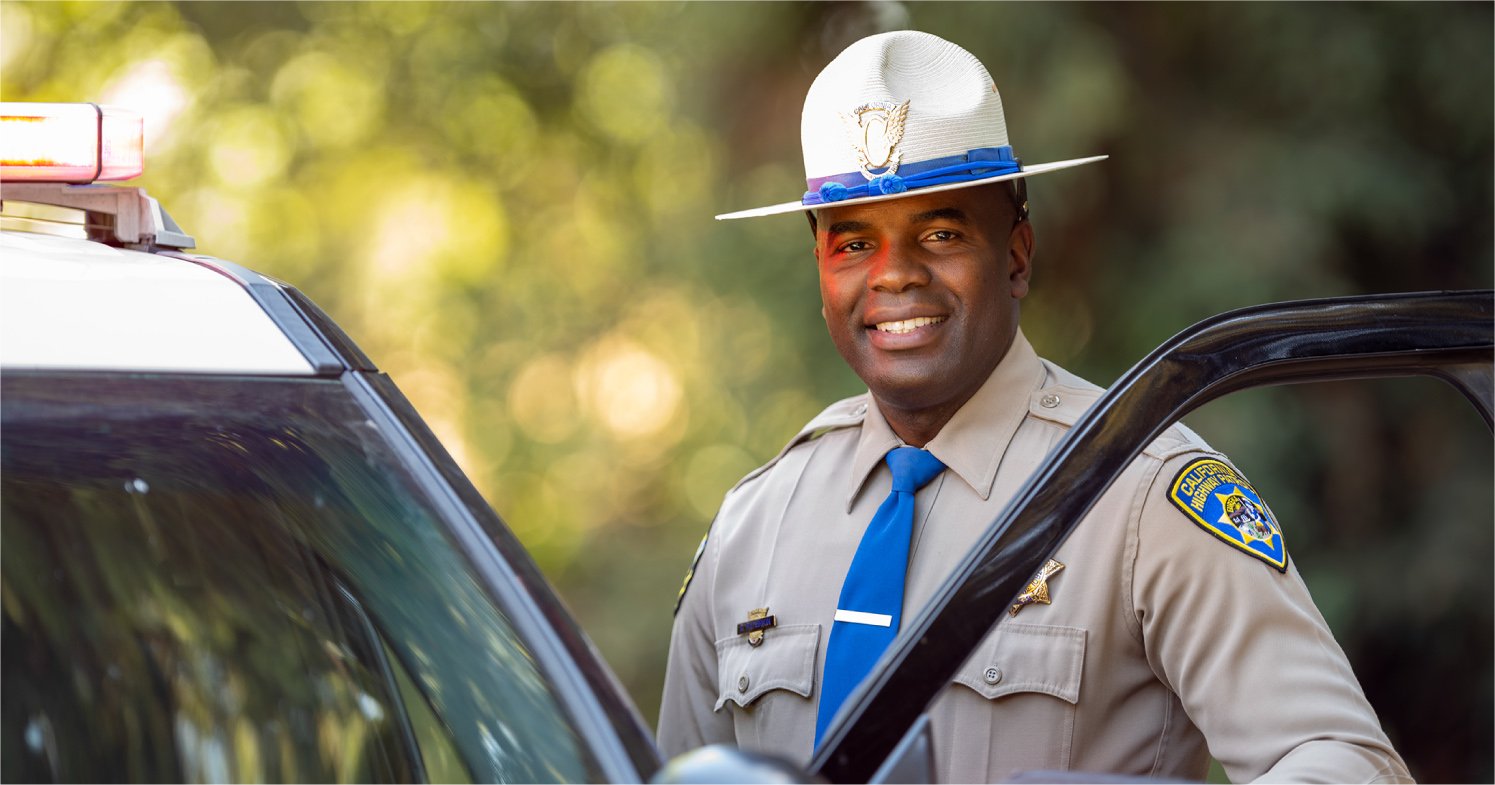
While the California Highway Patrol serves as the primary state-level law enforcement agency on highways, California’s public safety apparatus is a multi-layered system designed to address diverse needs across its vast geography. Tourists benefit from this comprehensive approach, which ensures protection and assistance no matter where their travels take them within the state.
Local Police Departments and Sheriff’s Offices
Within incorporated cities, local police departments are the primary law enforcement agencies. Major cities like Los Angeles have the Los Angeles Police Department (LAPD), and San Francisco is served by the San Francisco Police Department (SFPD). These departments are responsible for responding to crimes, maintaining order, and enforcing local ordinances within their respective city limits. For tourists exploring urban attractions, dining in local restaurants, or staying in city hotels, these municipal police forces are their first point of contact for non-highway related incidents. In unincorporated areas, or for certain county-wide services, county Sheriff’s Offices hold jurisdiction, providing general law enforcement, operating county jails, and serving civil processes. This division of responsibility means that visitors will encounter different uniforms and vehicles depending on whether they are on a freeway, in a city center, or in a rural county.
Park Rangers and Specialized Enforcement
California is home to an incredible array of natural parks and protected areas, from federal National Park Service sites like Yosemite and Joshua Tree to numerous California State Parks and local recreation areas. Within these environments, specialized law enforcement officers, typically park rangers, are responsible for upholding park rules, protecting natural resources, and ensuring visitor safety. These rangers are fully commissioned law enforcement officers with powers of arrest, focused on the unique challenges and regulations of their specific parks. For tourists hiking, camping, or engaging in outdoor activities, park rangers are invaluable resources, offering guidance, enforcing environmental regulations, and responding to emergencies within their jurisdiction. This specialized enforcement ensures that California’s natural treasures remain safe and accessible for all.
Tips for Tourists: Navigating California’s Legal Landscape
For visitors to California, understanding the nuances of local law enforcement and general safety protocols can significantly enhance their travel experience. Being prepared and informed allows tourists to focus on enjoying the sights, sounds, and tastes of the state without unnecessary worries.
Understanding Traffic Laws
California’s traffic laws are strictly enforced, particularly by the California Highway Patrol on state highways and freeways. Speed limits, seatbelt laws, and distracted driving regulations (e.g., hands-free phone use only) are paramount. Tourists driving rental cars should familiarize themselves with these rules to avoid citations. Be especially mindful of multi-lane highways where passing on the right is legal, and always yield to emergency vehicles. Understanding these regulations is not only about avoiding fines but also about contributing to the safety of all road users.
Emergency Contacts
In any emergency situation requiring police, fire, or medical assistance while in California, the universal emergency number is 911. This number connects callers to emergency dispatchers who can route assistance from the appropriate local or state agencies. For non-emergency situations, such as reporting a minor crime that has already occurred or asking for general police assistance, it’s best to look up the non-emergency number for the local police department or Sheriff’s Office in the area where you are located. Having these numbers readily accessible can be invaluable for peace of mind.
Respecting Local Ordinances
When venturing into cities and towns, remember that local police departments enforce municipal ordinances that may differ from state laws or regulations in other jurisdictions. These can include rules about public consumption of alcohol, noise restrictions, parking regulations, and specific conduct in public spaces. A quick search for “city rules [city name]” can often provide helpful information for tourists looking to immerse themselves in local culture respectfully and lawfully. This awareness helps ensure a harmonious interaction with local communities and authorities.
Staying Informed
Before embarking on longer drives, especially through mountainous or remote areas, tourists should check road conditions and any pertinent travel advisories. Websites like the California Department of Transportation (Caltrans) provide real-time updates on road closures, construction, and weather-related impacts. For visitors to national or state parks, checking the park’s official website for current conditions, safety alerts, and specific regulations is also crucial. Staying informed empowers travelers to make safe decisions and enjoy their California adventure to the fullest.
LifeOutOfTheBox is a participant in the Amazon Services LLC Associates Program, an affiliate advertising program designed to provide a means for sites to earn advertising fees by advertising and linking to Amazon.com. Amazon, the Amazon logo, AmazonSupply, and the AmazonSupply logo are trademarks of Amazon.com, Inc. or its affiliates. As an Amazon Associate we earn affiliate commissions from qualifying purchases.