
Living the California dream often conjures images of sun-drenched beaches, scenic mountains, and vibrant cities. However, this idyllic lifestyle also comes with inherent challenges, chief among them the increasing threat of wildfires. For homeowners across the state, from the rolling hills of Northern California to the sprawling communities of Southern California, a critical question looms: “Does my homeowners insurance actually cover wildfires?” Understanding the nuances of wildfire coverage is not just a matter of financial prudence; it’s a fundamental aspect of maintaining one’s lifestyle and peace of mind in a state profoundly shaped by its natural landscape and the risks it presents.
The Evolving Landscape of Wildfire Risk and Homeowner Protection
California’s unique geography, combined with climate change and urban expansion into wildland-urban interface areas, has dramatically heightened wildfire frequency and intensity. This escalating risk has a direct and significant impact on the insurance market, affecting policy availability, premiums, and even the very definition of adequate coverage. For many California residents, their home is their most valuable asset, a cornerstone of their lifestyle and financial security. Protecting this asset against catastrophic loss from wildfire is paramount, yet the path to comprehensive coverage has become increasingly complex.
Historically, standard homeowners insurance policies in California typically included coverage for fire damage, including damage caused by wildfires. This assumption, however, is no longer a guarantee, and homeowners must scrutinize their policies with an unprecedented level of detail. The shift reflects a changing actuarial reality where the scale of potential losses from wildfires has prompted insurers to reassess their risk exposure and adjust their offerings accordingly. This means that a policy that provided ample coverage a decade ago might now be insufficient or even unavailable.
Navigating the Nuances of Wildfire Coverage
While many homeowners policies still provide some level of wildfire coverage, the specifics vary widely, and exclusions or limitations can significantly impact a homeowner’s ability to rebuild their life after a fire. It’s crucial for every homeowner to delve into the specifics of their policy’s declarations page and policy booklet to understand exactly what is covered, what isn’t, and under what conditions.
Standard Homeowners (HO-3) vs. Wildfire Endorsements
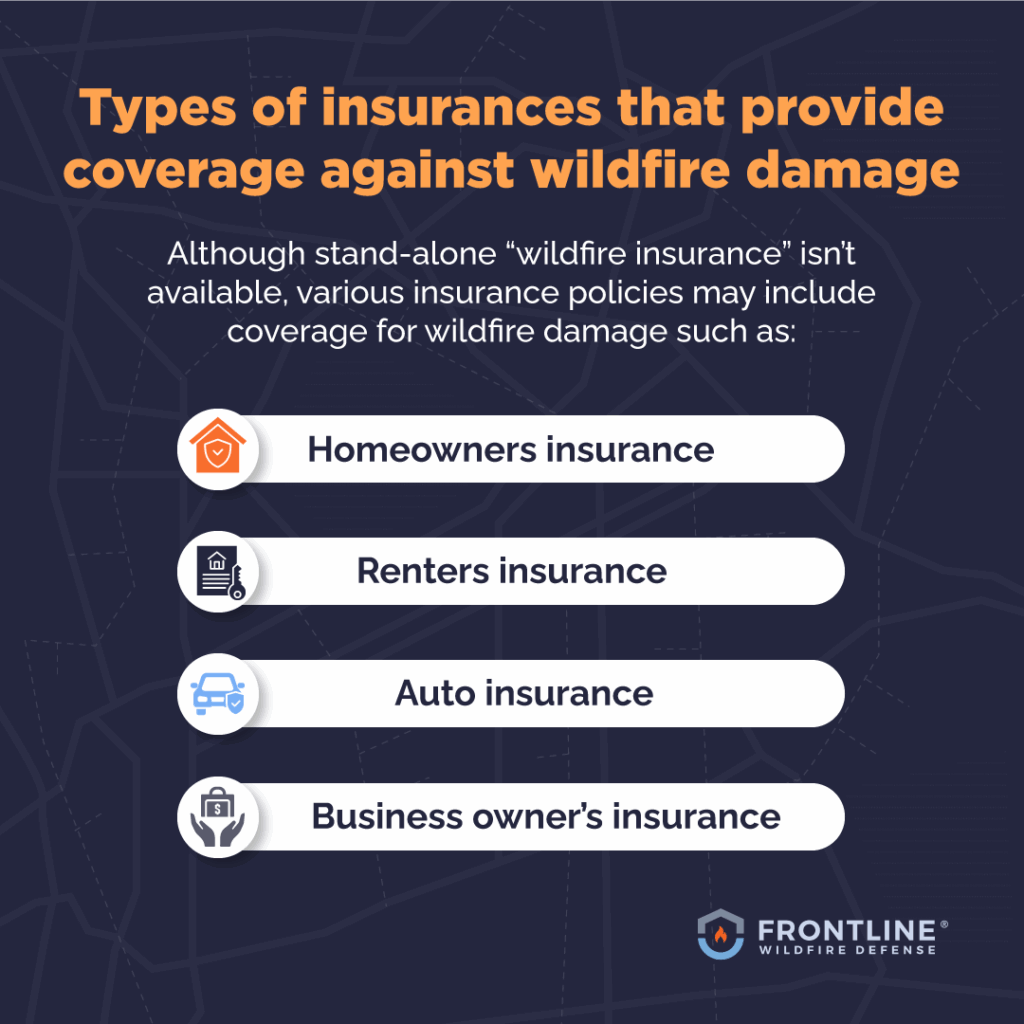
A typical HO-3 homeowners policy generally covers damage from fire, including wildfires. This usually includes:
- Dwelling Coverage (Coverage A): This covers the cost to repair or rebuild the physical structure of your home, including attached garages and other structures.
- Other Structures Coverage (Coverage B): This protects detached structures on your property, such as sheds, fences, or detached garages.
- Personal Property Coverage (Coverage C): This covers the loss or damage of your belongings, from furniture and electronics to clothing and personal items. This often includes a sub-limit for specific categories or requires an inventory to ensure full value.
- Loss of Use / Additional Living Expenses (Coverage D): If your home becomes uninhabitable due due to a covered peril like a wildfire, this coverage helps pay for temporary housing, food, and other necessary expenses while your home is being repaired or rebuilt.
However, the devil is often in the details, particularly regarding deductibles and coverage limits. Wildfire deductibles, specifically, have become more common in high-risk areas. These can be a percentage of your dwelling coverage (e.g., 5% of your home’s insured value) rather than a flat dollar amount, potentially leading to substantial out-of-pocket costs. Some insurers might also offer or require specific wildfire endorsements or separate policies, particularly if the property is in a high-risk zone. These endorsements might increase coverage for certain items, extend the period for additional living expenses, or provide specific allowances for debris removal that exceeds standard limits.
The Role of the California FAIR Plan
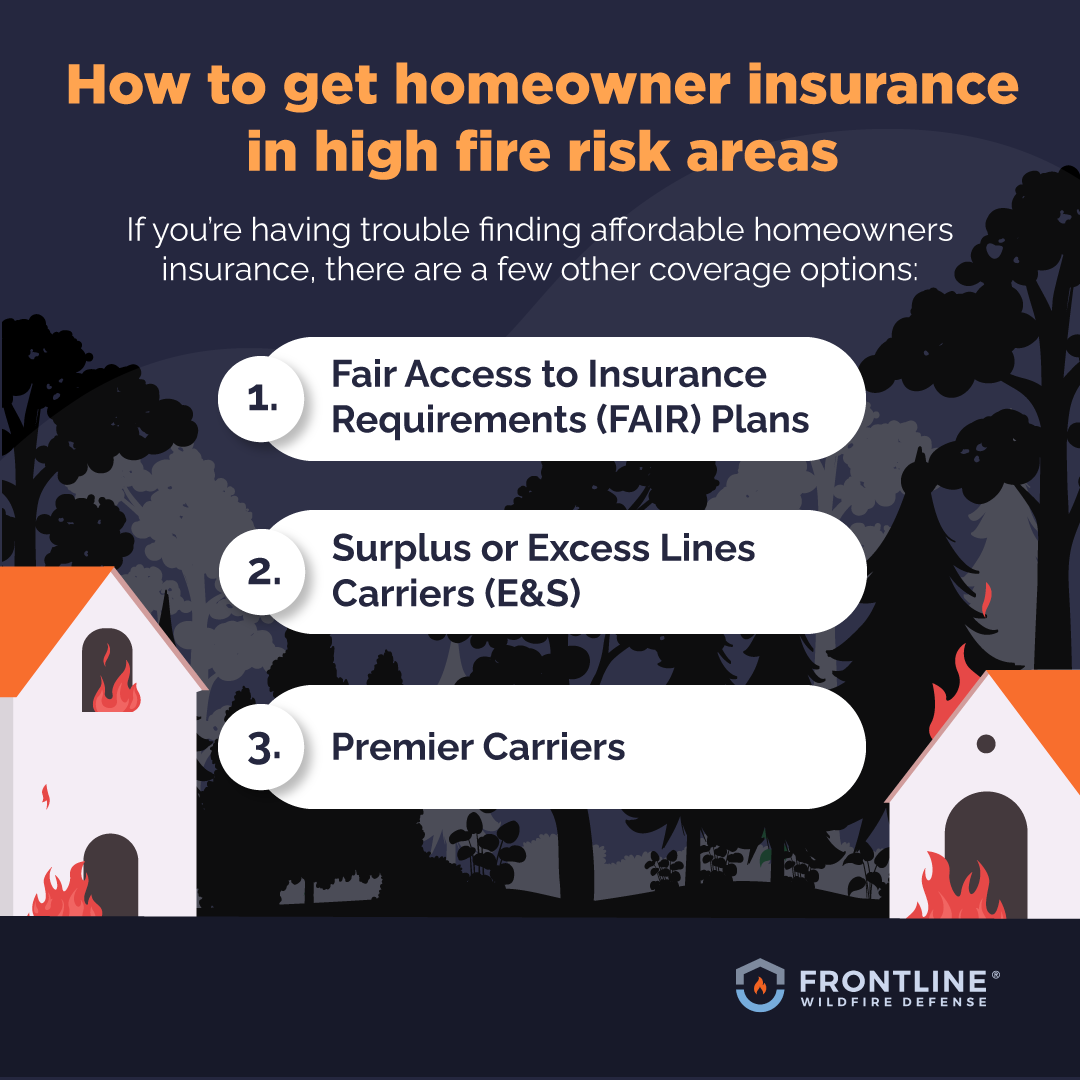
For homeowners who find it impossible to secure traditional homeowners insurance due to their property’s wildfire risk, the California FAIR Plan (Fair Access to Insurance Requirements) serves as an insurer of last resort. Administered by the state, the FAIR Plan provides basic fire coverage, including wildfires, as well as vandalism, malicious mischief, windstorm, and other perils. It’s not a comprehensive homeowners policy; for example, it typically does not cover liability or theft. Homeowners often need to purchase a “Difference in Conditions” (DIC) policy from a private insurer to supplement the FAIR Plan and obtain a complete coverage package. While the FAIR Plan ensures that no homeowner is left entirely without coverage, premiums can be higher, and the scope of coverage is more limited, impacting the lifestyle and financial planning of those who must rely on it.
The California Insurance Market: Challenges and Solutions
The increasing number of non-renewals and rising premiums have created a challenging environment for California homeowners. Insurers, facing billions of dollars in losses from recent wildfire seasons, are increasingly withdrawing from high-risk areas or significantly increasing costs. This market instability makes it harder for homeowners to maintain consistent, affordable coverage, directly impacting their financial stability and sense of security. The state’s Insurance Commissioner and the California Department of Insurance are actively working on regulatory changes to stabilize the market and ensure homeowners have access to necessary coverage while also encouraging risk mitigation efforts.
Proactive Measures for Homeowners
In this complex landscape, homeowners are not entirely powerless. Taking proactive steps to mitigate wildfire risk can play a significant role in both securing and maintaining insurance coverage, and potentially lowering premiums. These efforts not only protect your home but also demonstrate to insurers that you are a responsible policyholder actively working to reduce risk. This aligns with a lifestyle of resilience and preparedness crucial for living in California.
Defensible Space
Creating and maintaining defensible space around your home is perhaps the most critical action. This involves:
- Zone 0 (0-5 feet from the home): Remove all flammable materials, including mulch, plants, and combustible items. Keep this area clear.
- Zone 1 (0-30 feet from the home): Create a lean, clean, and green area. Remove dead plants, prune tree branches, and keep grass mowed to 4 inches or less.
- Zone 2 (30-100 feet from the home): Reduce fuel load by thinning vegetation, removing small trees, and ensuring proper spacing between remaining plants.
Local fire departments and the California Department of Forestry and Fire Protection (CAL FIRE) offer extensive resources and guidelines for creating effective defensible space.
Home Hardening
“Hardening” your home refers to making it more resistant to embers and flames. This includes:
- Roofing: Using fire-resistant roofing materials like tile, metal, or asphalt composition shingles.
- Vents: Installing 1/8-inch metal mesh screens over all attic, foundation, and eave vents to prevent ember intrusion.
- Windows: Upgrading to multi-pane windows, especially those with tempered glass, which are more resistant to heat and breaking.
- Siding: Opting for fire-resistant exterior materials such as stucco, fiber cement, or treated wood.
- Decks and Patios: Using non-combustible materials for decking or ensuring that combustible materials are regularly cleaned of debris.
Investing in these improvements not only increases your home’s survivability during a wildfire but can also make your property more attractive to insurers. Some insurers even offer discounts for homes that meet specific hardening criteria.
Regular Policy Reviews and Expert Consultation
Given the dynamic nature of the California insurance market, it’s vital to review your homeowners insurance policy annually. Don’t wait for a non-renewal notice to understand your options. Work with an independent insurance agent who specializes in California properties and wildfire risk. They can help you:
- Compare policies from multiple carriers.
- Understand complex coverage terms and deductibles.
- Identify potential gaps in your existing coverage.
- Explore options for excess liability or specific wildfire endorsements.
- Navigate the FAIR Plan if necessary.

Securing Your California Lifestyle: The Path Forward
The question of whether homeowners insurance covers wildfires in California is not a simple yes or no; it’s a qualified “it depends” on your specific policy, location, and the proactive measures you’ve taken. Living in California means embracing a lifestyle that includes preparing for natural disasters. For homeowners, this translates into a continuous commitment to understanding their insurance, mitigating risks, and adapting to the evolving environmental and market conditions. By taking a proactive and informed approach, homeowners can significantly enhance their ability to protect their most valuable asset and ensure the long-term sustainability of their cherished California lifestyle. The peace of mind that comes with adequate coverage and a hardened home is invaluable in an era where wildfires are an undeniable aspect of life in the Golden State.
LifeOutOfTheBox is a participant in the Amazon Services LLC Associates Program, an affiliate advertising program designed to provide a means for sites to earn advertising fees by advertising and linking to Amazon.com. Amazon, the Amazon logo, AmazonSupply, and the AmazonSupply logo are trademarks of Amazon.com, Inc. or its affiliates. As an Amazon Associate we earn affiliate commissions from qualifying purchases.