
The question of whether it snows in Sacramento, California is a common one, especially for those unfamiliar with the region’s climate or planning a visit. While California is often associated with sunshine and mild weather, particularly its southern regions, the state’s diverse geography means a wider range of weather phenomena can occur. Sacramento, the state capital, is situated in the Central Valley, a vast agricultural heartland that experiences distinct seasons. Understanding Sacramento’s climate requires looking beyond common stereotypes and delving into its meteorological patterns, its relationship with surrounding mountain ranges, and historical weather data. This article aims to comprehensively answer the question about snow in Sacramento, explore the factors influencing it, and provide context for what visitors can expect.

Understanding Sacramento’s Climate Patterns
Sacramento’s climate is classified as Mediterranean, characterized by hot, dry summers and mild, wet winters. This classification, however, doesn’t tell the whole story, as microclimates and regional influences play a significant role. The Central Valley is a large, flat expanse that can trap weather systems, but it’s also bordered by significant mountain ranges, most notably the Sierra Nevada to the east. These mountains are crucial in understanding precipitation patterns, including snowfall, not just for the mountains themselves but also for the valley floor.
Winter Weather in the Central Valley
During the winter months, from roughly November to March, Sacramento experiences its wettest period. This is when Pacific storm systems, often originating from the Gulf of Alaska, make their way inland. These storms bring much-needed rain to the valley and significant snowfall to the higher elevations of the Sierra Nevada. The temperature in Sacramento during winter typically hovers in the 40s and 50s Fahrenheit (around 5-15 degrees Celsius), with occasional dips into the 30s (around 0-4 degrees Celsius). Freezing temperatures are not unheard of, but they are relatively infrequent and usually short-lived.
The presence of cold air masses is a key prerequisite for snowfall. While winter temperatures in Sacramento can be cool enough for snow, the specific atmospheric conditions – the right combination of moisture and cold – need to align. Often, when storms bring rain to the valley, they are depositing snow at higher altitudes. This is why areas just a short drive east of Sacramento, in the foothills and mountains, can receive substantial amounts of snow, while the city itself remains largely untouched by winter’s white blanket.
Historical Snowfall and Occasional Events
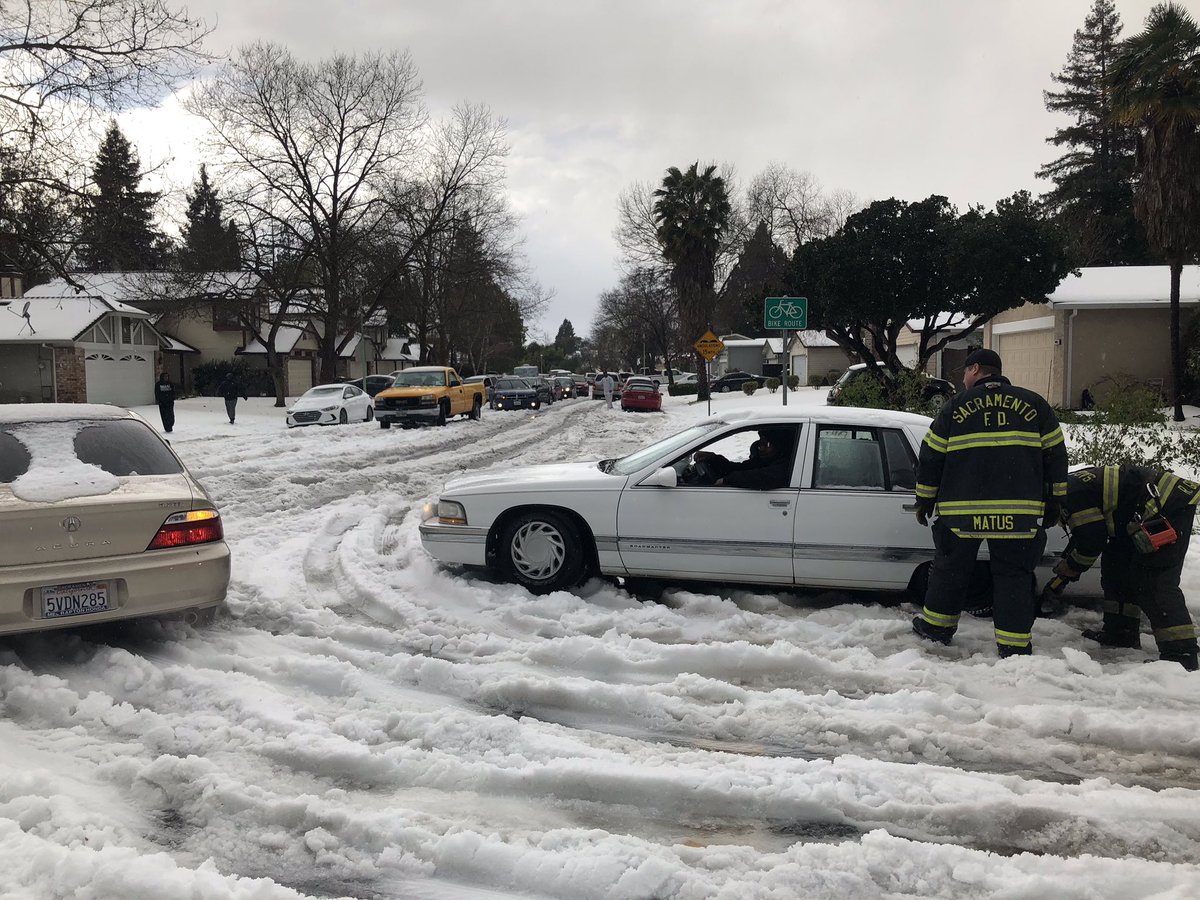
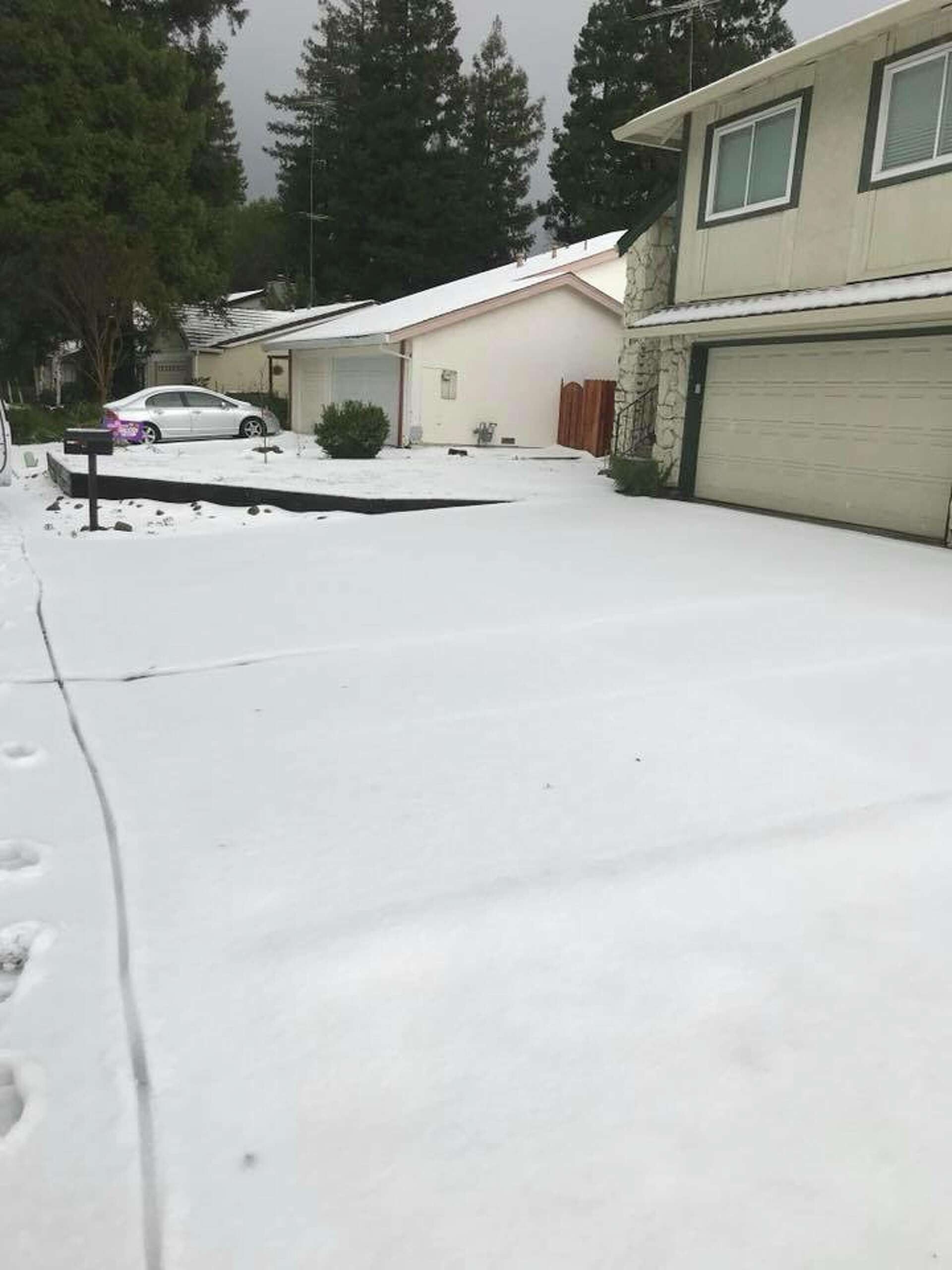
While it’s not a regular occurrence, it is not entirely unprecedented for snow to fall in Sacramento. These events are rare and usually characterized by light accumulations that melt quickly. When snow does materialize in Sacramento, it’s often a cause for excitement and local news coverage, highlighting its unusual nature.
Rare Snowfall Events in Sacramento
The most significant snowfall event in Sacramento’s recorded history occurred in January 1888, when several inches of snow accumulated across the city. More recently, there have been instances of light dusting, primarily observed in the early morning hours before the sun’s warmth melts it. These events are typically associated with particularly cold winter storms that manage to bring temperatures low enough on the valley floor to support snow formation.
The reasons for these infrequent occurrences are complex. They often involve a specific type of weather system: a cold air mass that lingers longer than usual, combined with sufficient moisture from a Pacific storm. The atmospheric conditions have to be just right for precipitation to fall as snow rather than rain. Elevation plays a role, but even at Sacramento’s relatively low elevation of about 30 feet above sea level, brief periods of freezing temperatures can allow for snowfall.
Factors Influencing Snowfall in Sacramento
Several geographical and meteorological factors contribute to Sacramento’s infrequent snowfall. Understanding these elements provides a clearer picture of why the city is not known as a winter wonderland.
Geographic Location and Elevation
Sacramento’s location in the Central Valley, a broad, relatively flat basin, is a primary factor. While it’s not at a high elevation, it’s also not directly influenced by the coastal mountain ranges that can sometimes deflect storms away from the interior. However, the sheer distance from the Pacific Ocean and its moderating maritime influence means that interior valleys can experience more extreme temperature swings, including colder winter nights.
The proximity to the Sierra Nevada is also significant. These mountains act as a barrier and a “snow factory.” Moisture-laden air from the Pacific is forced upward as it encounters the Sierra Nevada, cooling and releasing its precipitation as snow on the mountain slopes. This process often leaves the air on the leeward side of the mountains drier, affecting weather patterns in the Central Valley. For Sacramento to receive snow, a storm system would need to be robust enough to not only carry sufficient moisture but also to maintain cold enough temperatures all the way down to the valley floor, which is a less common scenario than for the mountain regions.
Temperature and Moisture Balance
The critical element for snowfall anywhere is the balance between temperature and moisture. For snow to form and reach the ground as snow, the temperature of the atmosphere from the cloud to the ground must be at or below freezing (0 degrees Celsius or 32 degrees Fahrenheit). In Sacramento, winter temperatures frequently remain above freezing, especially during the day. While nighttime temperatures can dip towards freezing, sustained periods of sub-freezing air mass reaching Sacramento simultaneously with ample moisture are rare.
When temperatures are just a few degrees above freezing, precipitation will fall as rain. Even if snow crystals form high in the atmosphere, they can melt as they descend through warmer air layers. Conversely, if temperatures are significantly below freezing, even a small amount of moisture can produce snow. Sacramento’s climate profile suggests that it typically sits in that marginal zone where rain is the more common form of winter precipitation.
What to Expect for Visitors: Winter Travel to Sacramento
For travelers considering a visit to Sacramento during the winter, it’s important to set realistic expectations regarding snow. While the city itself rarely experiences significant snowfall, its proximity to the mountains offers opportunities for those seeking winter activities.
Winter Activities and Nearby Destinations
If you’re dreaming of a winter wonderland experience with snow, Sacramento serves as an excellent gateway to the Sierra Nevada. Resorts like Palisades Tahoe (formerly Squaw Valley and Alpine Meadows), Heavenly Mountain Resort on Lake Tahoe, and smaller ski areas like Bear Valley Mountain are typically blanketed in snow from December through April. These destinations offer skiing, snowboarding, snowshoeing, and other winter sports.
A drive of about 1.5 to 2 hours east of Sacramento will take you into the heart of the snow country. It’s advisable to check road conditions and weather forecasts before heading into the mountains, as mountain passes can be subject to closures during heavy snowfall. You’ll want to be prepared with appropriate tires or chains, depending on the conditions.
Packing for a Sacramento Winter
When packing for a winter trip to Sacramento, focus on layers. The weather can be variable, with cool, damp days and occasional chilly evenings. You’ll likely need a waterproof or water-resistant jacket, sweaters, long-sleeved shirts, and comfortable pants. Comfortable walking shoes are a must, as you’ll be exploring the city’s attractions.
If your itinerary includes a day trip or overnight stay in the Sierra Nevada for snow activities, you’ll need to pack warm winter clothing: thermal base layers, insulated pants, a warm winter coat, gloves, a hat, and waterproof boots. Many ski resorts offer rentals for snow gear, so you might not need to purchase everything if you’re only planning a day trip.
For accommodation in Sacramento, you’ll find a range of options, from budget-friendly hotels to more upscale establishments. Luxury hotels like The Citizen Hotel, Autograph Collection or boutique inns offer comfortable stays. If you’re looking for family-friendly resorts or apartments for a longer stay, research options that provide amenities like indoor pools or kitchenettes. Popular hotel chains and independent lodgings can be found throughout the city, catering to business travelers and tourists alike. Booking in advance is always recommended, especially during peak travel seasons or around local events.
In summary, while snow in Sacramento itself is a rare and fleeting phenomenon, the city’s location makes it an ideal base for exploring California’s snowy mountain regions. Visitors can enjoy the mild winter climate of the capital city while having easy access to world-class winter sports and breathtaking snowy landscapes just a short drive away. Whether you’re interested in exploring historical landmarks like the California State Capitol Museum or enjoying the culinary scene, Sacramento offers a rich tourism experience year-round, with the option to chase snow if that’s your desire.
LifeOutOfTheBox is a participant in the Amazon Services LLC Associates Program, an affiliate advertising program designed to provide a means for sites to earn advertising fees by advertising and linking to Amazon.com. Amazon, the Amazon logo, AmazonSupply, and the AmazonSupply logo are trademarks of Amazon.com, Inc. or its affiliates. As an Amazon Associate we earn affiliate commissions from qualifying purchases.