
The vast expanse of Texas, the second-largest state in the United States, often leads travelers to ponder more than just its iconic landscapes and vibrant cities. A common question that arises for visitors, business travelers, and new residents alike is: “What is Texas time?” While seemingly straightforward, the answer delves into both the practicalities of time zones and the deeper cultural rhythm that defines the Lone Star State. From coordinating flights and meetings to savoring slow-cooked barbecue or enjoying a sunset over rolling hills, understanding Texas time is crucial for anyone looking to truly experience this diverse and captivating destination.
Navigating Texas’s Time Zones: A Practical Guide for Travelers
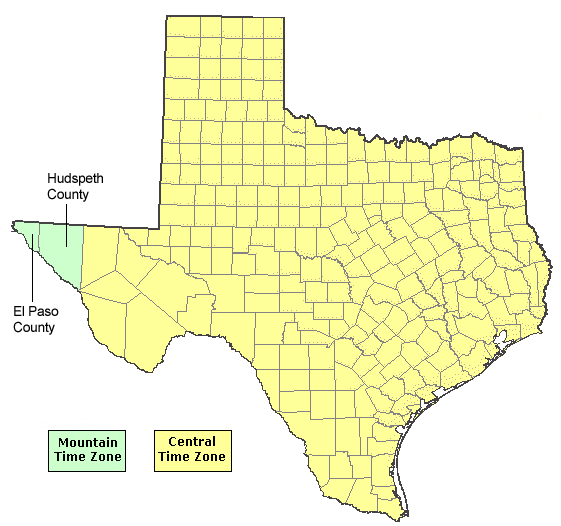
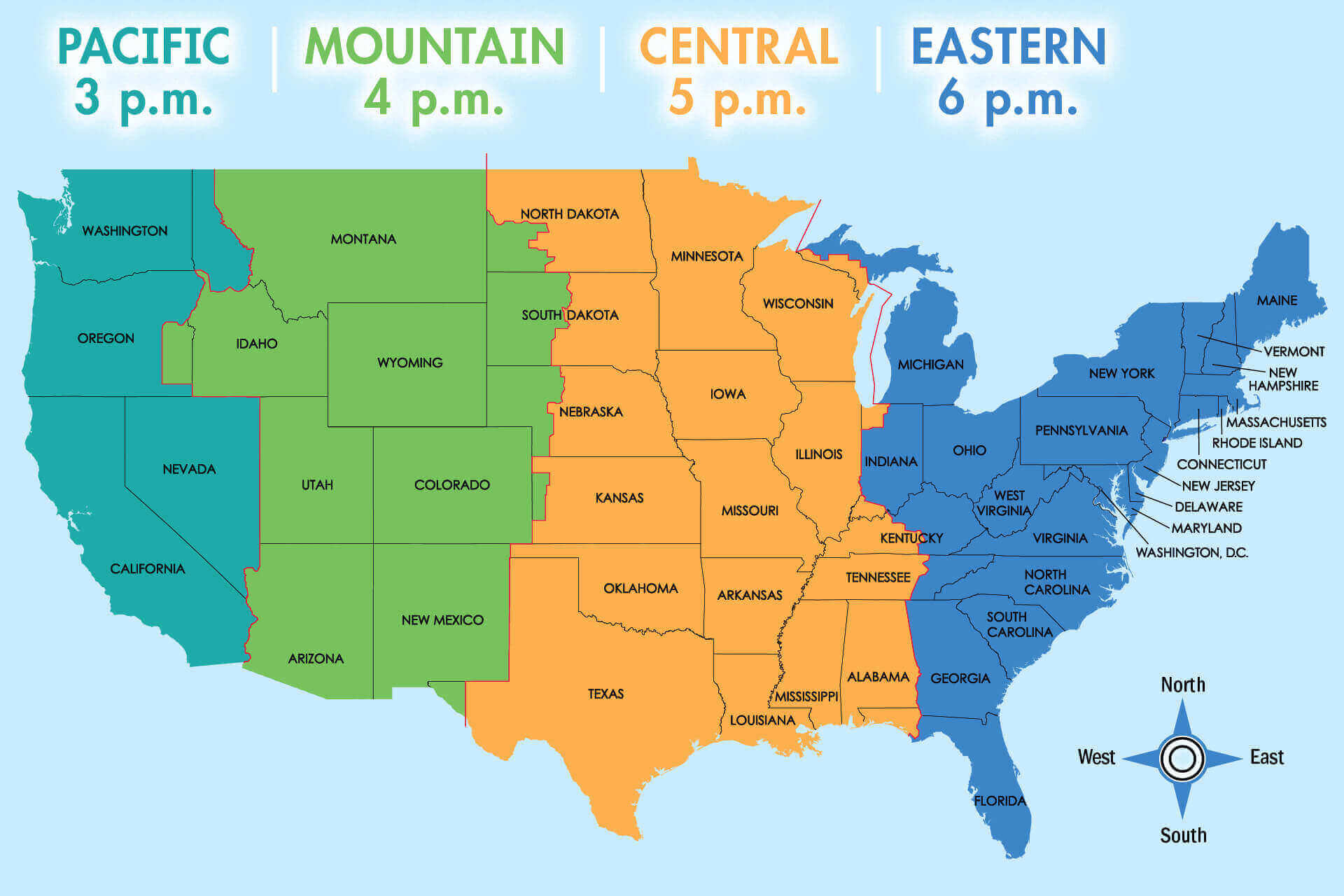
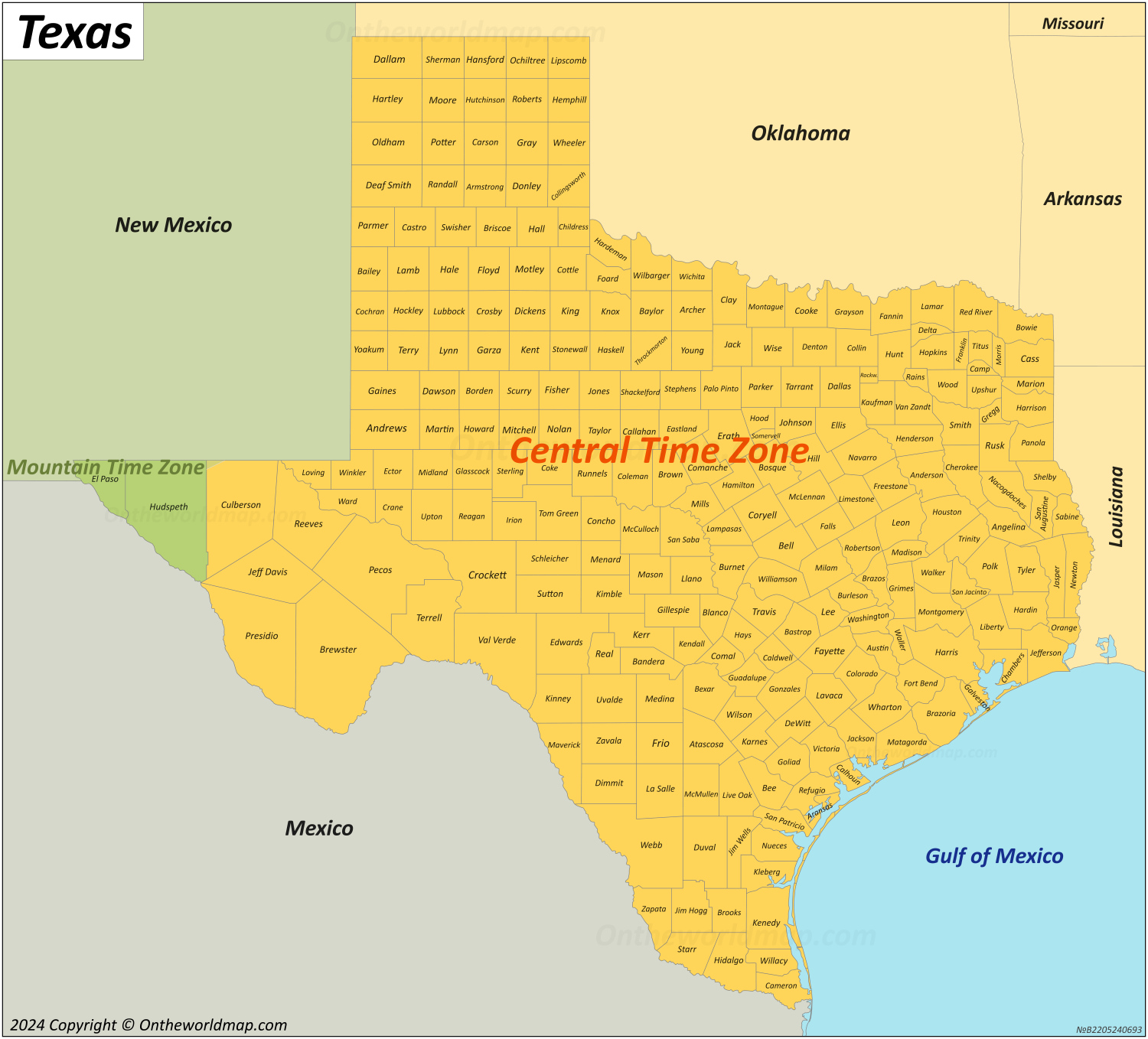
Geographically, Texas is so expansive that it spans two official time zones. The vast majority of the state operates on Central Standard Time (CST), but a significant portion of its westernmost reaches observes Mountain Standard Time (MST). This dual-zone system is a vital piece of information for planning any trip, ensuring seamless transitions and avoiding scheduling mishaps.
The Eastern Edge: El Paso and Mountain Time
The city of El Paso, nestled against the border with Mexico and New Mexico, is the only major urban area in Texas that operates on Mountain Standard Time. This means that when it’s 3:00 PM in Houston, Dallas, or Austin, it’s only 2:00 PM in El Paso. This time difference is critical for travelers arriving via El Paso International Airport or driving through the western part of the state, particularly when coordinating with contacts in other Texas cities. For those on a road trip across the state, the change in time zone happens roughly around the Hudspeth County line, west of Van Horn. It’s always a good practice to double-check the local time upon arrival or when crossing these internal boundaries, especially with modern smartphones often automatically adjusting.
The Vast Heartland: Central Standard Time
The overwhelming majority of Texas, including its major metropolitan areas like Houston, Dallas, San Antonio, Austin, and Fort Worth, observes Central Standard Time. This zone also extends north into states like Oklahoma and south, connecting with much of the central United States. For most visitors, whether flying into Dallas/Fort Worth International Airport, George Bush Intercontinental Airport in Houston, or Austin-Bergstrom International Airport, Central Standard Time will be their primary time reference. Understanding this standard allows for easy synchronization with events, tours, restaurant reservations, and business engagements across the bulk of the state.
Daylight Saving and Planning Your Visit
Like most of the United States, Texas observes Daylight Saving Time. This means that on the second Sunday in March, clocks “spring forward” one hour, and on the first Sunday in November, they “fall back” one hour. During Daylight Saving Time, CST becomes Central Daylight Time (CDT), and MST becomes Mountain Daylight Time (MDT). This shift adds an extra layer of planning for travelers, particularly those crossing time zones or coordinating with individuals in areas that do not observe Daylight Saving Time. It’s always advisable to verify local times when making arrangements for spring and fall travel. Beyond the clock, the longer daylight hours during CDT are perfect for exploring the state’s outdoor attractions, from hiking in state parks to enjoying extended evenings on vibrant urban patios.
Beyond the Clock: Embracing the “Texas Time” Lifestyle
While understanding the actual time zones is essential for practical logistics, the concept of “Texas Time” extends far beyond the hands of a clock. It embodies a distinct cultural rhythm, a slower pace of life, and an emphasis on hospitality and genuine connection that often sets it apart from the hustle and bustle found elsewhere. For many, “Texas Time” suggests a more relaxed approach to schedules, where impromptu conversations, leisurely meals, and genuine human interaction take precedence over rigid punctuality.
The Laid-Back Pace: Southern Hospitality and Leisure
One of the most defining characteristics of “Texas Time” is its inherent laid-back pace. This isn’t to say Texans are unproductive or inefficient; rather, it speaks to a culture that values connection, conversation, and savoring moments. In smaller towns, you might find shops closing for a long lunch, or neighbors spending extended periods chatting on front porches. Even in bustling cities like Austin or San Antonio, there’s a noticeable sense of Southern hospitality that encourages visitors to slow down and immerse themselves. This relaxed attitude is a core part of the Texas lifestyle, inviting travelers to swap hurried sightseeing for meaningful experiences, whether it’s lingering over coffee, enjoying a scenic drive, or simply absorbing the local atmosphere.
Culinary Journeys: Savoring Texas Flavors
Food is an integral part of the Texas experience, and “Texas Time” certainly applies to its culinary scene. From mouth-watering barbecue that’s slow-smoked for hours to a hearty Tex-Mex feast enjoyed with friends, meals here are often an event in themselves. It’s not about quick bites but about the ritual of sharing good food and good company. Travelers are encouraged to take their time exploring the diverse culinary landscape, from award-winning fine dining restaurants in Houston’s Museum District to roadside barbecue joints in the Texas Hill Country. Tasting the rich flavors of a chili cook-off, enjoying a casual Frito pie, or indulging in a sophisticated steak dinner are all experiences best enjoyed without rushing, truly embodying the spirit of “Texas Time.”
Experiencing Texas Culture Through Its Rhythms
The cultural pulse of Texas beats to its own drum. Live music, especially country, blues, and Tejano, is a cornerstone of the state’s identity. Venues like Gruene Hall, the oldest continually operating dance hall in Texas, offer timeless experiences where the music sets the pace, often lasting well into the night. Rodeos, festivals, and community gatherings are also vital elements, reflecting a tradition where time is spent celebrating heritage and camaraderie. Travelers seeking authentic experiences will find themselves adjusting to these local rhythms, whether it’s spending an entire afternoon at a small-town festival, exploring the historical depths of The Alamo in San Antonio, or dancing the night away at a honky-tonk in Fort Worth’s Stockyards National Historic District. These are moments that transcend the ticking clock, offering a deeper connection to the soul of Texas.
Maximizing Your Texas Time: Iconic Destinations and Experiences
To truly appreciate both the clock-time and cultural “Texas Time,” it’s essential to immerse oneself in the state’s incredible array of destinations and activities. Texas offers something for every type of traveler, from vibrant urban centers to serene natural wonders, ensuring that time spent here is always well-rewarded.
Urban Adventures: History, Arts, and Modernity
Texas’s cities are dynamic hubs, each with its unique character. Houston, a global city, boasts a thriving arts scene, world-class museums, and the Space Center Houston, offering an awe-inspiring look into space exploration. Dallas is known for its sophisticated fashion, the Dallas Arts District (one of the largest in the nation), and its bustling downtown, anchored by attractions like Klyde Warren Park. Austin, the state capital, famously declares itself the “Live Music Capital of the World,” with venues on Sixth Street and beyond, alongside a burgeoning tech industry and a reputation for quirky, independent culture. San Antonio offers a profound historical experience, from the iconic The Alamo to the picturesque River Walk, perfect for leisurely boat rides and al fresco dining. Fort Worth leans into its Western heritage with daily cattle drives at the Stockyards National Historic District and impressive art museums. Beyond these giants, smaller cities like Waco, home to Magnolia Market at the Silos, offer charm and unique experiences. Exploring these urban centers allows travelers to witness the diverse facets of modern Texas life, each best explored with ample time.
Natural Wonders: From Beaches to Big Bend
Beyond the cities, Texas showcases an incredible array of natural beauty. The state boasts over 370 miles of coastline along the Gulf of Mexico, with popular destinations like Galveston and South Padre Island offering sandy beaches, warm waters, and abundant wildlife. Padre Island National Seashore, the longest undeveloped barrier island in the world, is a haven for nature lovers. Inland, the vastness of Big Bend National Park in West Texas presents dramatic desert landscapes, towering mountains, and the winding Rio Grande, perfect for hiking, stargazing, and river adventures. The Texas Hill Country, with its rolling hills, pristine rivers, and charming small towns, is ideal for wine tasting, swimming, and exploring historical sites. Even the art installation Prada Marfa near the town of Marfa becomes a destination, inviting visitors to take their time experiencing the unique blend of art and desert landscape. These natural landmarks underscore the need for flexible planning, allowing time to truly absorb the majesty and tranquility of the Texan outdoors.
Accommodation Choices for Every Traveler
To truly maximize “Texas Time,” selecting the right accommodation is key. From luxurious urban hotels to charming boutique inns and sprawling resorts, Texas offers a spectrum of options to suit every travel style and budget. For those seeking opulence, the Four Seasons Hotel Austin provides lakeside luxury, while the JW Marriott San Antonio Hill Country Resort & Spa offers an expansive retreat for families and golf enthusiasts. Historic gems like The Driskill Hotel in Austin or the stylish Hotel Zaza Dallas cater to those who appreciate unique character and top-tier amenities. In Houston, The Post Oak Hotel at Uptown Houston combines luxury with convenience. For budget-conscious travelers, numerous comfortable and well-located hotels and vacation rentals are available across the state, ensuring that even a long-term stay can be both enjoyable and affordable. Many accommodations offer resort-style amenities, from pools and spas to dining options, encouraging guests to slow down and truly relax on “Texas Time.”
Planning Your Perfect Texas Itinerary
Understanding “What is Texas Time?” means recognizing the importance of both practical planning and a flexible mindset. Whether you’re traveling from Louisiana, Arkansas, or across the globe, allowing for the state’s dual time zones and embracing its relaxed pace will enrich your journey.
Travel Tips for a Seamless Texas Adventure
When planning your trip, consider the following:
- Time Zone Awareness: Always confirm the specific time zone for your destination city, especially when booking flights, making reservations, or scheduling meetings near the Mountain Standard Time border.
- Daylight Saving: Be mindful of the spring forward/fall back dates if your travel falls during these periods.
- Flexibility: Build extra time into your itinerary. Traffic in major cities can be significant, and the “Texas Time” pace often means things move a little slower, especially outside the main business districts. Embrace it!
- Booking Accommodations: Book hotels, suites, resorts, or apartments well in advance, particularly during peak seasons or major events like South by Southwest in Austin or the Houston Livestock Show and Rodeo. Utilize comparison tools to find the best deals and reviews to match your preferences, whether it’s a luxury stay or a budget-friendly option.
- Experience Local Culture: Don’t just tick off landmarks; immerse yourself in local culture. Attend a high school football game, visit a small-town festival, try local food trucks, or simply strike up a conversation with a Texan. These experiences often defy a rigid schedule but offer the most memorable insights into the state.
- Explore Beyond the Tourist Traps: While famous places are a must-see, venture into lesser-known areas. The charm of Texas often lies in its hidden gems, from quaint art communities to serene natural parks.
In conclusion, “What is Texas Time?” is a question with a dual answer. It’s the practical reality of navigating two distinct time zones, Central Standard Time and Mountain Standard Time, which demands careful planning for seamless travel. More profoundly, however, it’s an invitation to embrace a unique Texas lifestyle – one where Southern hospitality, rich cultural experiences, and a relaxed pace dictate the rhythm of daily life. By understanding and embracing both facets of “Texas Time,” visitors can unlock a more authentic, enjoyable, and memorable journey through this magnificent state.
LifeOutOfTheBox is a participant in the Amazon Services LLC Associates Program, an affiliate advertising program designed to provide a means for sites to earn advertising fees by advertising and linking to Amazon.com. Amazon, the Amazon logo, AmazonSupply, and the AmazonSupply logo are trademarks of Amazon.com, Inc. or its affiliates. As an Amazon Associate we earn affiliate commissions from qualifying purchases.