
For many, the allure of the Golden State lies not just in its breathtaking landscapes and vibrant cities, but in the promise of a balanced life. Whether you’re dreaming of a road trip along the Pacific Coast Highway, a weekend getaway to the vineyards of Napa Valley, or simply a serene escape to a luxurious resort, the ability to take time off work is paramount. A crucial piece of this work-life balance puzzle, often overlooked in its broader implications for lifestyle and travel planning, is understanding your sick leave entitlements. Specifically, for those living and working in California, a common and critical question arises: “Does sick time roll over in California?”

The answer, in most cases, is a resounding yes. California’s robust paid sick leave laws are designed to protect employees, ensuring they can take necessary time off for illness, preventative care, or to care for a sick family member, without fear of losing pay. But beyond the immediate relief of not working while unwell, the rollover provision holds significant implications for how individuals can plan for their future health, family needs, and ultimately, their cherished travel and wellness experiences.
In a state renowned for its innovation and progressive policies, California’s sick leave law, initially effective in 2015 and amended several times since, stands as a cornerstone of employee welfare. It’s a policy that directly impacts the flexibility and peace of mind of millions, offering a safety net that can translate into the freedom to explore, recuperate, and live a fuller life. This article will delve into the intricacies of California’s sick leave rollover provisions, explore how these rules can empower your lifestyle and travel choices, and provide practical insights for maximizing this valuable benefit.
Understanding California’s Sick Leave Mandate: A Foundation for Your Lifestyle
At its core, California’s paid sick leave law, often referred to as the Healthy Workplaces, Healthy Families Act of 2014 (AB 1522), establishes a minimum standard for sick leave benefits across the state. This legislation was a significant step towards ensuring that all employees, regardless of their industry or full-time/part-time status, have access to paid time off when they or a family member are ill. For anyone planning a trip to a vibrant city like Los Angeles or an outdoor adventure in Yosemite National Park, understanding this foundation is crucial for managing your time and finances.
The Basics of Accrual and Usage: What Every California Employee Should Know
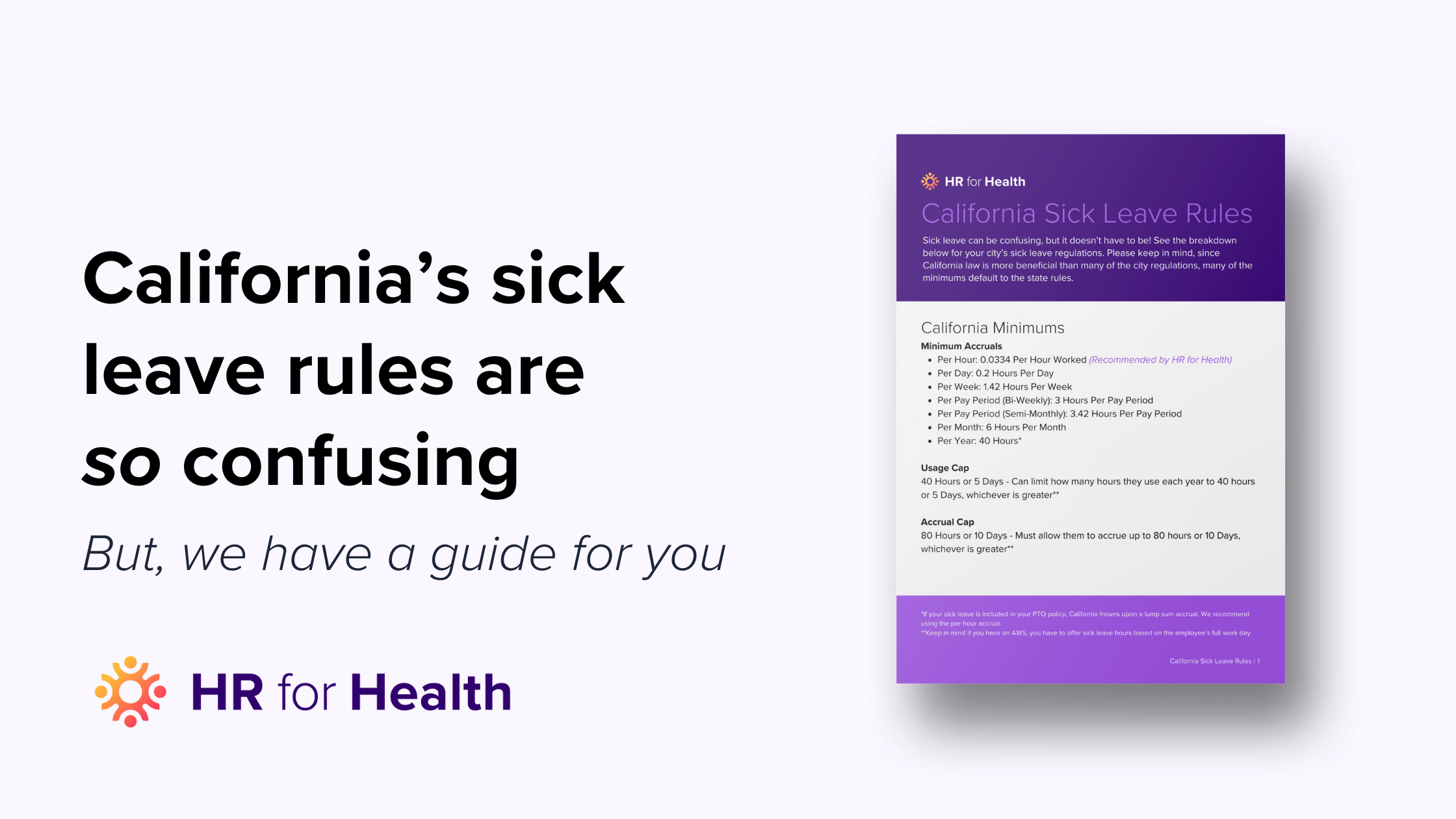
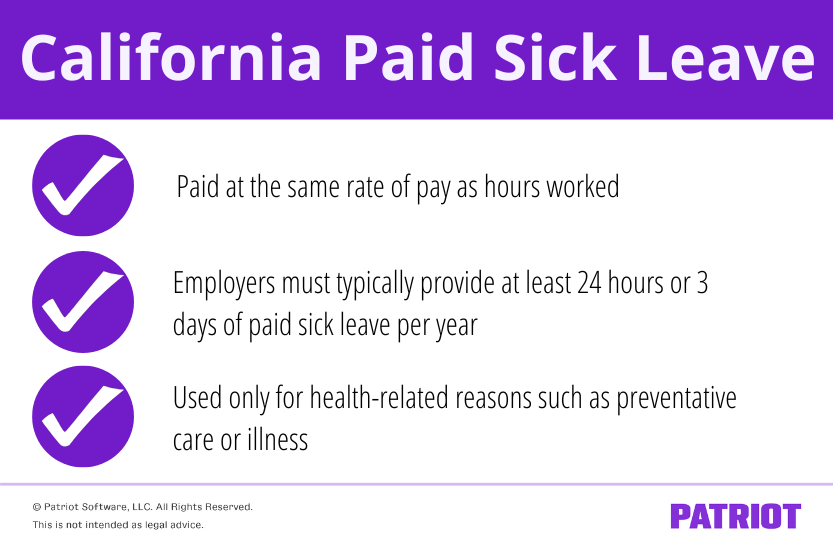
The law mandates that employees accrue paid sick leave at a rate of at least one hour for every 30 hours worked. This accrual begins on the first day of employment, and employees become eligible to use their accrued time after 90 days of employment. The beauty of this system is its universality; it applies to nearly all employees working in California, with very few exceptions.
While accrual is continuous, employers do have some flexibility regarding how much sick leave can be used and accrued in a given year.
- Usage Cap: Employers can cap an employee’s use of sick leave at 24 hours or three days in a 12-month period. This is an important distinction: you might accrue more than this, but you might only be able to use up to this amount in a year.
- Accrual Cap: While unused sick time does roll over, employers can cap the total amount of sick leave an employee can accrue at 48 hours or six days. This means that once you reach this 48-hour bank, you might not accrue additional sick time until you use some of what you’ve saved up.
This framework ensures that even if you rarely get sick, your accumulated time doesn’t simply disappear. It creates a valuable reservoir of paid time off that can be invaluable for unexpected situations, or even for planning ahead with more confidence.
The Rollover Reality: Building Your Bank of Paid Time Off
The most significant aspect, and the answer to our central question, is that unused, accrued paid sick leave must roll over from one year to the next. This provision is a game-changer for long-term planning and provides immense peace of mind. Imagine planning a trip to San Francisco or a family vacation to Disneyland; knowing you have a bank of sick days that rolls over means you’re not starting from scratch each year. If an unexpected illness or family emergency arises right before your scheduled departure, you have a cushion to rely on, protecting your finances and potentially even your vacation plans.
However, the rollover is subject to the aforementioned accrual cap. Once you reach the maximum accrual limit (typically 48 hours), you generally won’t accrue more sick leave until you use some of your existing bank. This mechanism encourages employees to use their sick time when needed, while also preventing an indefinite accumulation that could become a significant liability for employers.
Front-Loading Alternative: Some employers choose an alternative method: front-loading. Instead of having employees accrue sick leave hourly, they grant the full amount of sick leave (at least 24 hours or three days) at the beginning of each 12-month period. If an employer front-loads the full 24 hours, they are generally not required to allow rollover for that year’s allocation if the employee has access to at least 24 hours at the start of each year. However, any accrued sick leave from previous years that exceeded the 24-hour mark (up to the overall 48-hour cap) would still roll over. It’s a slightly more complex scenario, but the core principle of maintaining a safety net of accrued time remains.
When Local Ordinances Enhance State Laws: Beyond the Minimums
It’s also important to note that California is a vast state with many cities and counties that have their own local paid sick leave ordinances. These local laws often provide more generous benefits than the state’s minimum requirements, meaning they might mandate higher accrual rates, higher usage caps, or higher overall accrual caps.
For instance, cities like San Francisco, Los Angeles, San Diego, and Santa Monica (among others) have specific ordinances that can impact sick leave policies for employees working within their jurisdictions. These local rules always supersede state law if they offer greater benefits to the employee. Therefore, if you’re working in one of these areas, it’s wise to check not only state law but also your local city or county’s specific sick leave ordinance to understand your full entitlements. This can significantly impact your potential for accumulating time off, which in turn influences your capacity for extended travel or enhanced personal wellness breaks.
Maximizing Your Accrued Sick Time for Travel and Personal Wellness
The existence of a robust sick leave rollover policy in California isn’t just a legal formality; it’s a practical tool that can be strategically integrated into your personal planning for travel, lifestyle, and overall well-being. Understanding how to leverage this benefit can transform potential anxieties about time off into opportunities for rejuvenation and exploration.
Strategic Planning: Integrating Sick Leave into Your Travel Itinerary
While sick leave is primarily intended for illness or preventative care, its rollover feature allows for a degree of strategic planning. For instance, if you’ve been diligently accruing sick time over several years and are well below the accrual cap, this stored time acts as an excellent safety net. This provides flexibility for unexpected situations that might impact your pre-planned travel dates.
- Pre-Travel Illness: Imagine you’ve booked flights and accommodation for a dream vacation to Big Sur, and a sudden flu strikes the day before. Instead of canceling your entire trip or traveling while unwell and potentially infecting others, your accrued sick leave allows you to recuperate without losing wages or dipping into precious vacation time. This flexibility is invaluable for protecting your investment in a trip.
- Post-Travel Recovery: Sometimes, returning from an international journey or an intense outdoor adventure leaves you feeling drained or susceptible to illness. Having sick time available means you can take an extra day or two to recover fully before returning to work, preventing burnout and ensuring you can fully appreciate your travel experiences rather than immediately facing post-vacation exhaustion.
- Family Health Contingencies: Many travelers have family responsibilities. If a child or elderly parent falls ill, your accrued sick time allows you to provide care without derailing your financial stability or forcing difficult choices between work and family. This directly impacts your ability to plan and enjoy family-focused travel, knowing you have a backup for unforeseen circumstances.
The Peace of Mind Factor: Why Rollover Matters for Unexpected Journeys or Recovery
Beyond direct usage, the psychological benefit of sick time rollover cannot be overstated. It provides a profound sense of security. Knowing that you have a bank of paid time off accumulating for unforeseen health needs—whether personal or familial—empowers you to live more freely.
- Spontaneous Opportunities: While not the primary purpose, having a substantial sick leave bank can indirectly support spontaneous lifestyle choices. If an opportunity arises for a last-minute road trip to Lake Tahoe and you need to extend a long weekend, the fact that you’re not constantly worried about “saving” every single vacation day for illness frees up your mind to enjoy such possibilities.
- Health and Preventative Care: Wellness is a key aspect of a fulfilling lifestyle. Rollover sick time ensures you can always prioritize preventative care appointments, specialist visits, or necessary recovery periods without financial strain. This proactive approach to health means you’re more likely to be in peak condition to enjoy your travels and daily life.
- Stress Reduction: The financial and professional stress associated with taking unpaid time off can be immense. The rollover provision significantly mitigates this, allowing you to focus on getting better or caring for loved ones, rather than worrying about your paycheck. This reduction in stress is, in itself, a form of wellness that enhances overall quality of life.
Staycations and Wellness Retreats: Utilizing Sick Time for Local Rejuvenation
While the dream of international travel or cross-country exploration is appealing, sometimes the best way to use time off for health and well-being is closer to home. California boasts an incredible array of local destinations perfect for a “sick-cation” or a wellness retreat.
- Local Escapes: Accrued sick time can be strategically used to create a longer weekend for a restorative staycation at a local hotel or resort. Imagine using a sick day to extend a three-day weekend into four, allowing for a mini-break to a coastal town, a mountain cabin, or a city like San Diego for a change of scenery and mental reset. This type of short, intentional break can be just as effective in combating burnout as a longer trip, especially when recovery is the goal.
- Preventative Wellness: Sometimes, what you need isn’t to be sick yet, but to prevent it. Using a sick day for a mental health break, a spa day, or a focused day of rest can be a crucial preventative measure. This is particularly relevant for those in high-stress jobs. Instead of waiting until you’re completely rundown, your rollover sick time enables proactive self-care. Many resorts and spas in California specialize in wellness programs, offering an ideal setting to use this accrued time for your benefit.
- Recovery in Comfort: If an illness does strike, having sick time means you can choose a more comfortable recovery environment if needed. Instead of rushing back to work from a minimal recovery, you can afford to recover fully, potentially even booking a short stay in a quiet hotel for uninterrupted rest, if your home environment isn’t conducive to it. This luxury of choice is a direct benefit of the rollover provision.
The Broader Impact: Sick Leave and Your Work-Life Balance in the Golden State
The discussion around sick leave rollover in California extends beyond individual usage; it touches upon broader themes of work-life balance, employee well-being, and the overall quality of life in a state celebrated for its dynamic opportunities. For employers and employees alike, understanding these implications fosters a more productive and harmonious environment.
Financial Security on the Road: How Sick Time Supports Your Explorations
One of the most significant impacts of rolling over sick time is the financial security it provides. For avid travelers and those who prioritize experiences over material possessions, the thought of losing income due to an unexpected illness can be a major deterrent to planning trips.
- Budget Protection: When you plan a trip, every dollar counts, whether it’s for accommodation in Hollywood, dining in San Francisco, or activities at Lake Tahoe. If you get sick and have to miss work, that lost income can directly eat into your travel budget or worse, force you to cancel plans. Rollover sick time acts as a buffer, ensuring your travel funds remain intact even if life throws a curveball.
- Reduced Debt Risk: Without paid sick leave, many employees might feel compelled to work while sick, leading to decreased productivity and the spread of illness, or they might take unpaid leave, potentially accumulating debt or delaying financial goals. The assurance of rollover sick time helps prevent these scenarios, contributing to overall financial stability, which is a cornerstone of carefree travel.
- Freedom to Choose: Knowing your basic health needs are covered financially frees up your vacation days for actual vacations. Instead of feeling pressured to save every vacation day for potential illness, you can confidently use your paid time off for the leisure and adventure it’s intended for. This distinction is vital for maintaining a healthy work-life integration.
Promoting Health and Preventing Burnout: A Key to Sustainable Lifestyle
A healthy and well-rested workforce is a productive one. California’s sick leave law, particularly its rollover provision, plays a crucial role in promoting public health and preventing employee burnout.
- Public Health: By enabling employees to stay home when sick, the law helps prevent the spread of illness in workplaces and communities. This has a ripple effect, contributing to a healthier environment for everyone, including tourists and residents alike. When you’re traveling, a healthier local population means a more enjoyable and safer trip.
- Mental Health: Beyond physical illness, mental health is a critical component of wellness. The ability to take a sick day for mental health reasons, knowing it rolls over and doesn’t deplete your limited pool, is a significant advantage. This can prevent chronic stress and burnout, ensuring employees remain engaged and resilient, ready to enjoy their lifestyle and travel pursuits.
- Sustainable Lifestyle: In a fast-paced world, maintaining a sustainable lifestyle that balances work, personal life, and leisure is increasingly challenging. Rollover sick leave is a vital mechanism that supports this balance, allowing individuals to take necessary breaks without sacrificing their financial well-being or career progression. It’s an integral part of California’s appeal as a place to live, work, and explore.
Considerations for Employers and Employees: Fostering a Supportive Environment
For employers, understanding and correctly implementing California’s sick leave laws, including the rollover component, is not just about compliance; it’s about fostering a positive work culture. A transparent and supportive approach to sick leave can significantly boost employee morale, reduce turnover, and ultimately lead to a more productive workforce.
- Clear Communication: Employers should clearly communicate their sick leave policies, including accrual rates, usage caps, and the rollover mechanism, to all employees. This transparency builds trust and helps employees manage their time effectively, whether for unexpected illness or for planning their lifestyle and travel around these provisions.
- Employee Responsibility: Employees also have a responsibility to understand their rights and use their sick leave appropriately. While the rollover provides flexibility, it’s essential to remember its primary purpose is health and family care.
- Positive Impact on Tourism and Hospitality: In California, where tourism and hospitality are major industries, ensuring workers in these sectors have access to sick leave and its rollover benefits is critical. It leads to a healthier, more dedicated workforce, which in turn enhances the quality of service for visitors enjoying California’s many attractions and accommodations, from boutique hotels in San Francisco to expansive resorts in Palm Springs.
In conclusion, for anyone navigating their professional and personal life in California, the question “Does sick time roll over in California?” holds significant weight. The answer is a clear affirmation of a policy designed to support employee well-being, provide financial security, and ultimately, enable a richer, more flexible lifestyle. By understanding these provisions, individuals can better plan their future, embrace opportunities for travel and wellness, and contribute to a healthier, more balanced society in the magnificent Golden State. This crucial benefit empowers Californians to live “life out of the box” with greater confidence and peace of mind.
LifeOutOfTheBox is a participant in the Amazon Services LLC Associates Program, an affiliate advertising program designed to provide a means for sites to earn advertising fees by advertising and linking to Amazon.com. Amazon, the Amazon logo, AmazonSupply, and the AmazonSupply logo are trademarks of Amazon.com, Inc. or its affiliates. As an Amazon Associate we earn affiliate commissions from qualifying purchases.