
Maui, a jewel in the Hawaiian archipelago, beckons travelers with its breathtaking landscapes, vibrant culture, and unparalleled opportunities for relaxation and adventure. Before you dive headfirst into the island’s myriad wonders, one fundamental aspect requires attention: time. More specifically, understanding “What time is it in Maui, Hawaii?” is not merely about setting your watch; it’s about attuning yourself to a unique temporal rhythm that shapes daily life, travel planning, and the overall experience of this Pacific paradise. From the moment your flight touches down at Kahului Airport to the serene evenings spent watching the sunset, Maui operates on its own distinct clock: Hawaii Standard Time (HST). This article delves into the intricacies of HST, offers practical advice for adjusting to the time difference, and explores how Maui’s unique temporal landscape influences everything from booking your accommodation to experiencing its iconic landmarks and rich local lifestyle.

Understanding Hawaii Standard Time (HST): A Unique Temporal Landscape
Hawaii stands alone among U.S. states in its consistent observance of Hawaii Standard Time (HST) year-round. This makes Maui a fascinating study in time zone dynamics, particularly for visitors arriving from the U.S. mainland or international destinations. Understanding HST is the first step in seamlessly integrating into the island’s rhythm.
The Basics of HST: Definition and UTC Offset
Hawaii Standard Time is fixed at UTC-10, meaning it is ten hours behind Coordinated Universal Time. Crucially, Hawaii does not observe Daylight Saving Time (DST). This means that while the time difference between Maui and other locations might shift by an hour for part of the year, HST itself remains constant. This steadfastness contributes to the relaxed and predictable pace of island life, free from the bi-annual clock adjustments. For instance, when it’s 12:00 PM (noon) in London (GMT/UTC+0) during standard time, it’s 2:00 AM on Maui.
Comparing HST to Mainland US Time Zones
The consistent nature of HST means the time difference with the mainland United States varies depending on whether those regions are observing DST.
- Eastern Standard Time (EST) / Eastern Daylight Time (EDT): 5-6 hours behind. (e.g., New York City, Miami)
- Central Standard Time (CST) / Central Daylight Time (CDT): 4-5 hours behind. (e.g., Chicago, Houston)
- Mountain Standard Time (MST) / Mountain Daylight Time (MDT): 3-4 hours behind. (e.g., Denver, Salt Lake City)
- Pacific Standard Time (PST) / Pacific Daylight Time (PDT): 2-3 hours behind. (e.g., Los Angeles, San Francisco)
These differences highlight the significant shift travelers undergo, particularly those flying from the East Coast.
Why Maui’s Time Matters for Travelers: Initial Considerations for Planning
The substantial time difference, especially for those crossing multiple time zones, is a fundamental aspect of travel to Hawaii that demands proactive planning. From adjusting to jet lag to coordinating with contacts back home, understanding HST is vital. It impacts flight arrival times, the window for making important phone calls, and even how quickly your body adjusts to the island’s schedule. Early awareness ensures a smoother transition and a more enjoyable start to your vacation.
Adapting to Island Time: Embracing Maui’s Leisurely Pace
One of the most profound aspects of visiting Maui is not just the shift in scenery but the fundamental shift in pace. The concept of “island time” is real, and it’s deeply intertwined with the observance of Hawaii Standard Time. Embracing this relaxed approach is key to a truly immersive and stress-free Maui experience.
Overcoming Jet Lag: Strategies for a Smooth Transition
Jet lag, or desynchronosis, is an inevitable companion for many travelers arriving in Maui from afar. Symptoms can detract from your initial days. Mitigate its effects with these strategies:
- Before You Fly: Gradually adjust your sleep schedule a few days prior, shifting it closer to Maui’s time.
- During Your Flight: Stay hydrated, avoid excessive alcohol and caffeine, and try to sleep at times corresponding to night in Hawaii. Set your watch to HST immediately.
- Upon Arrival: Expose yourself to natural light. Spend time outdoors. Resist long daytime naps; push through until a reasonable bedtime. Eat meals at local times to help reset your internal clock. Light activities like a walk along Kaanapali Beach can help.
The Daily Rhythm of Maui: Best Times for Activities
Maui’s natural beauty dictates much of its daily rhythm. Understanding these optimal times, anchored to HST, can dramatically enhance your experience:
- Sunrise: Witnessing sunrise from Haleakala National Park requires an extremely early start (3:00 AM-4:00 AM HST). Reservations are required for vehicles entering the summit district between 3:00 AM and 7:00 AM.
- Mornings: Ideal for active pursuits before the midday heat. Consider a surf lesson in Paia, a snorkel trip to Molokini Crater, or exploring the lush trails of the Road to Hana.
- Afternoons: Perfect for relaxing on a pristine beach, exploring towns like Lahaina or Wailea, or visiting local shops.
- Sunset: A sacred daily ritual. Popular spots include Kapalua Bay, Wailea Beach, or a sunset cruise.
- Evenings: Time for dining, attending a traditional Maui Luau, or stargazing. Dinner service typically starts around 5:00 PM-6:00 PM HST.
The Concept of “Maui Time”: More Than Just a Clock Setting
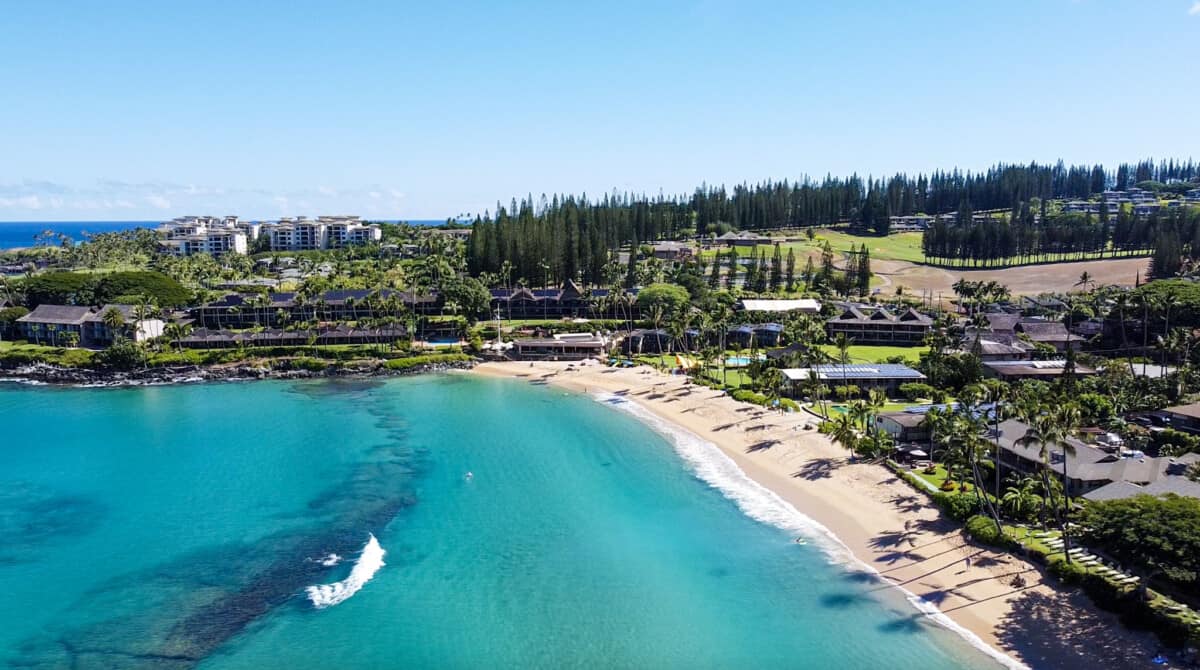
“Maui Time” is a cultural phenomenon, an unofficial philosophy signifying a more relaxed, unhurried approach to life. While tours and reservations generally adhere to strict HST, everyday interactions, service, and the overall rhythm of the island can feel delightfully slower. Embrace this. Don’t rush. Allow yourself to slow down, breathe deeply, and truly soak in the tranquil atmosphere. It’s part of the island’s charm and a key component of its renowned lifestyle.
Maximizing Your Maui Experience: Time-Savvy Travel Planning
Effective planning, with a keen awareness of Hawaii Standard Time, is paramount to unlocking the full potential of your Maui vacation. Incorporating HST into your strategy will save you stress and enhance your enjoyment.
Booking and Scheduling: How Time Zones Impact Your Itinerary
Every booking, from flights to dinner reservations, needs to be considered in relation to HST.
- Flights: Pay close attention to arrival and departure times, noting the time zone listed. Arriving often means “gaining” hours, which can be disorienting. Plan your first day lightly.
- Tours and Activities: Most operators state meeting times in local Hawaii time. Double-check these for early morning excursions like Haleakala sunrise, where 4:00 AM means 4:00 AM HST. Popular activities like a Maui snorkeling trip to Molokini Crater or a visit to the Maui Ocean Center also operate on strict local hours.
- Dining Reservations: High-demand restaurants in areas like Lahaina or Wailea often require reservations. Book in advance and confirm local time. Early dinner reservations (e.g., 5:00 PM-6:00 PM HST) can be excellent for catching the sunset while dining.
Accommodation Considerations: Aligning Your Stay with Local Hours
Your choice of accommodation and how you plan your stay can significantly impact your adjustment to HST.
- Check-in/Check-out: Standard check-in is typically 3:00 PM-4:00 PM HST, check-out around 11:00 AM HST. If arriving early or departing late, inquire about early check-in, late check-out, or luggage storage offered by resorts like the Grand Wailea, A Waldorf Astoria Resort or Hyatt Regency Maui Resort and Spa.
- Resort Amenities and Activities: Most hotels and resorts, from the luxurious Andaz Maui at Wailea Resort to family-friendly spots like the Aston at The Whaler on Kaanapali Beach, post schedules in local time.
- In-Room Clocks and Devices: Ensure your personal devices automatically adjust to HST. Double-check this upon arrival.
From Sunrise Hikes to Sunset Cruises: Crafting a Memorable Schedule
With a solid understanding of HST, you can craft an itinerary that truly maximizes your Maui experience.
- Morning Adventures: Embrace early mornings for popular attractions like Haleakala National Park or the Road to Hana to avoid crowds. A sunrise trek up Haleakala is unforgettable.
- Mid-Day Exploration: Use warmer mid-day hours for beach relaxation, snorkeling at spots like Black Rock in Kaanapali, or exploring Paia.
- Evening Delights: Plan evenings around Maui’s spectacular sunsets. A sunset catamaran cruise from Ma’alaea Harbor or Lahaina Harbor offers unparalleled views. Follow with dinner at a beachfront restaurant in Kaanapali or Wailea.
Exploring Maui: Iconic Landmarks and Lifestyle Beyond the Clock
While understanding local time is crucial for logistical planning, Maui’s true essence lies in its timeless beauty and the unique lifestyle it fosters. Once you’ve adjusted your internal clock, you’re free to immerse yourself in the island’s iconic landmarks, rich local culture, and the leisurely rhythm of daily life.
Must-Visit Attractions and Their Optimal Timing
Maui boasts an impressive array of landmarks, each offering a distinct experience.
- Haleakala National Park: Sunrise is legendary; sunset is equally magnificent. Day visits are excellent for hiking.
- Road to Hana: Best started early morning (7:00 AM-8:00 AM HST) to explore waterfalls, black sand beaches like Honokalani Black Sand Beach in Waianapanapa State Park, and botanical gardens.
- Lahaina Historic Town: Spend an afternoon exploring whaling history, art galleries, and the massive Banyan Tree on Front Street. Evening is perfect for dining.
- Molokini Crater: Snorkel and dive trips typically depart early morning from Ma’alaea Harbor or Kihei for calmer waters and clear visibility.
- Kaanapali Beach: Ideal for swimming, sunbathing, and snorkeling, particularly around Black Rock. Enjoy a leisurely morning stroll or a vibrant sunset experience.
Dining and Local Culture: When to Indulge
Food is a cornerstone of Maui’s culture.
- Luaus: Traditional Hawaiian feasts like the Old Lahaina Luau begin late afternoon (around 5:00 PM-5:30 PM HST), lasting into the evening. Book in advance.
- Farm-to-Table: Visit local farmers markets in Kihei or Upcountry Maui in the mornings for fresh produce.
- Happy Hour: Many establishments offer “pau hana” (after work) happy hours, usually 3:00 PM-6:00 PM HST, for sampling local flavors and cocktails.
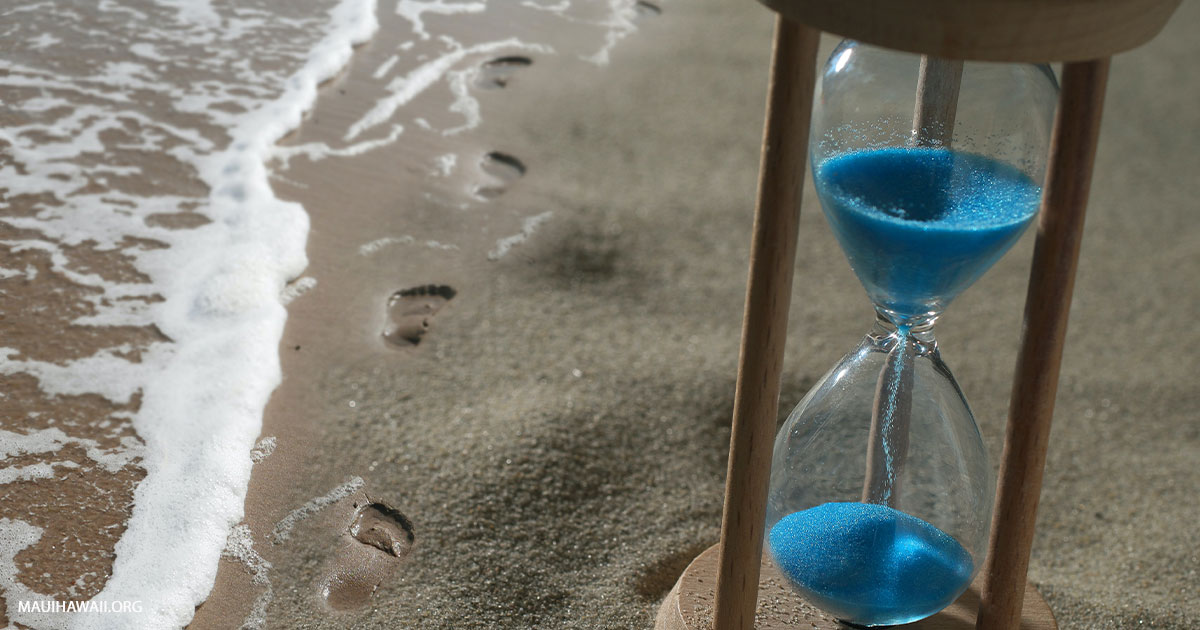
Lifestyle on Maui: Beyond the Clock
Ultimately, the best way to experience Maui is to let go of rigid schedules and embrace the island’s unique lifestyle. This means:
- Relaxation: Lounge by the pool at your Wailea Resort or enjoy a spa treatment at a Four Seasons Resort Maui at Wailea.
- Wellness: Engage in activities like yoga on the beach or a mindful walk through a botanical garden.
- Adventure: From surfing lessons at Kaanapali to zip-lining, Maui offers endless adventure. Be flexible, as weather can influence outdoor activities.
- Local Culture: Interact with locals, attend cultural events, and respect the “aloha spirit.”
In conclusion, knowing “What time is it in Maui, Hawaii?” is an invitation to understand and synchronize with the island’s unique rhythm. By grasping the nuances of Hawaii Standard Time and embracing the relaxed philosophy of “Maui Time,” travelers can effectively plan their journeys, mitigate jet lag, and ultimately unlock a deeper, more enriching experience of this extraordinary paradise. Your adventure in Maui isn’t just a trip; it’s a journey into a different way of experiencing time itself, where every moment is an opportunity to savor the beauty and tranquility of the islands.
LifeOutOfTheBox is a participant in the Amazon Services LLC Associates Program, an affiliate advertising program designed to provide a means for sites to earn advertising fees by advertising and linking to Amazon.com. Amazon, the Amazon logo, AmazonSupply, and the AmazonSupply logo are trademarks of Amazon.com, Inc. or its affiliates. As an Amazon Associate we earn affiliate commissions from qualifying purchases.