
For many visitors exploring the vibrant culture and diverse attractions of California, understanding the state’s cannabis laws is a key consideration. The concept of a “cannabis card” often evokes images of medical marijuana programs, which were once the primary gateway to legal cannabis access. However, with the evolution of California’s cannabis regulations, particularly following the passage of the Adult-Use of Marijuana Act (Proposition 64) in 2016, the landscape has significantly shifted. For most tourists, obtaining a traditional medical cannabis card is generally unnecessary, and often impractical, for enjoying legal cannabis. This guide clarifies the modern approach to cannabis access in the Golden State, offering essential insights for visitors.
Understanding California’s Cannabis Landscape for Tourists
Navigating cannabis laws can be complex, especially for visitors accustomed to different regulations in their home states or countries. California has a well-established and regulated cannabis market that caters to both medical patients and adult recreational users.
The Distinction: Medical vs. Recreational Cannabis
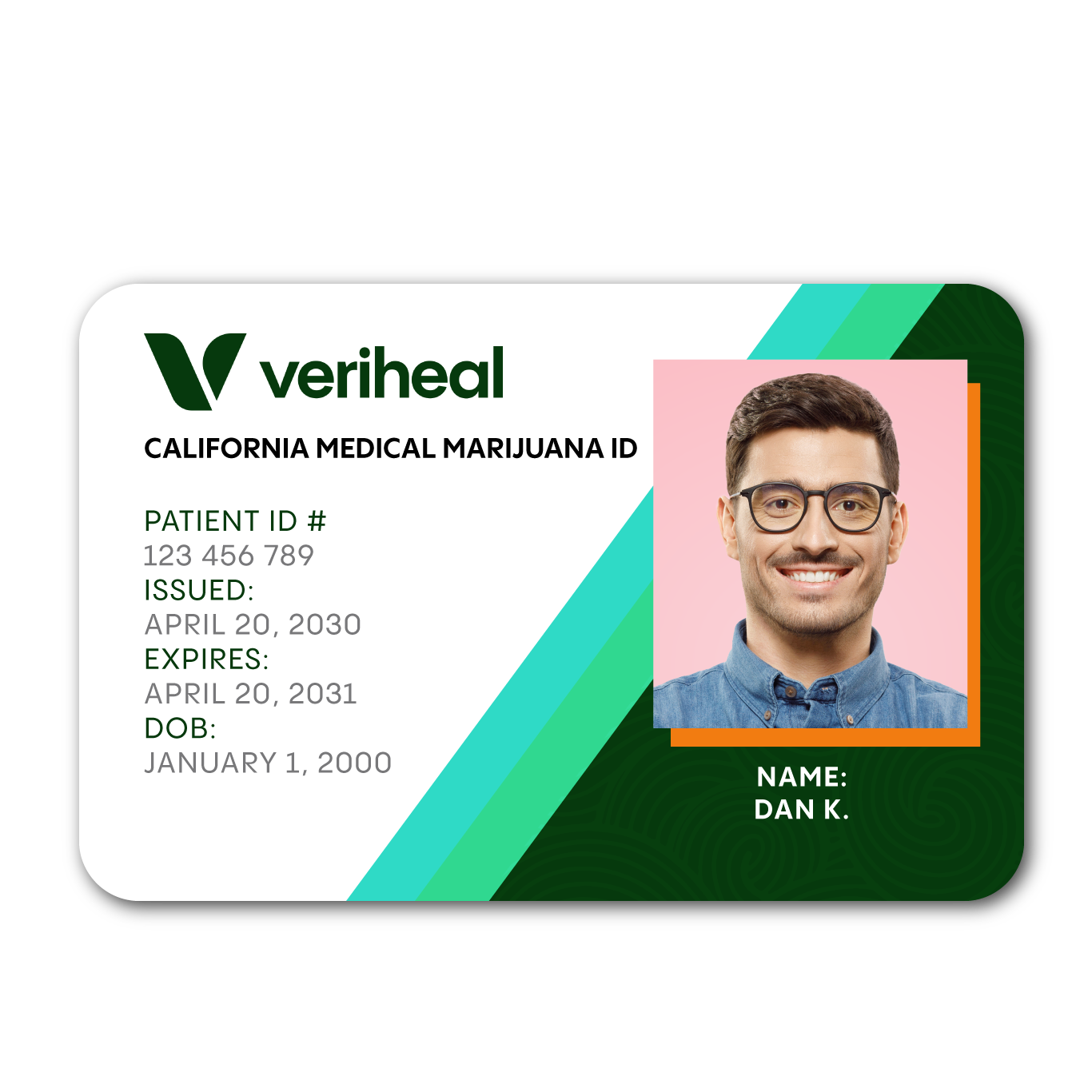
Historically, a “cannabis card” was synonymous with a “medical marijuana recommendation” or “medical marijuana identification card.” These documents allowed individuals with qualifying medical conditions to legally purchase and possess cannabis, often in higher quantities and with fewer taxes than later recreational markets. The California Department of Public Health oversees the state’s Medical Marijuana Identification Card (MMIC) Program, which issues these cards to eligible residents.
Recreational cannabis, on the other hand, is available to any adult 21 years or older, regardless of medical condition. This means that for the vast majority of tourists, the process of acquiring cannabis in California mirrors purchasing alcohol or tobacco, requiring only a valid government-issued identification proving age.
Dispelling the “Card” Myth for Adult-Use
The short answer for most visitors asking “How can I get a cannabis card in California?” is: you likely don’t need one. For adults aged 21 and over, a medical cannabis card is not required to purchase, possess, or consume cannabis products for personal recreational use. Your valid ID, such as a driver’s license or passport, is sufficient proof of age at any licensed recreational dispensary. This simplification was a primary goal of Proposition 64, making cannabis more accessible to adults while maintaining strict regulatory oversight.
Navigating Recreational Cannabis Access for Visitors
Accessing recreational cannabis in California is straightforward once you understand the rules and regulations. It’s designed to be a safe and legal experience for adults.
Who Can Purchase and What You Need
Any individual 21 years of age or older with a valid government-issued photo identification can purchase recreational cannabis in California. This includes out-of-state and international visitors. Acceptable forms of ID typically include:
- A state-issued driver’s license or identification card.
- A U.S. passport or passport card.
- An international passport.
- A military identification card.
Ensure your ID is current and unexpired. Dispensaries are legally obligated to verify age and will not sell to anyone under 21, even if accompanied by an adult.
Where to Find Licensed Dispensaries
Cannabis products can only be purchased from licensed retail dispensaries. These establishments operate under strict regulations enforced by the Department of Cannabis Control (DCC). It is crucial to purchase only from licensed dispensaries to ensure product safety, quality, and legality. Unlicensed operations may sell unregulated products that could be harmful or illegal.
Licensed dispensaries are typically easy to identify; they often have clear signage, professional storefronts, and staff who can answer questions about products and regulations. You can find licensed dispensaries in major cities like Los Angeles, San Francisco, San Diego, Oakland, and Sacramento by using online search engines or specialized cannabis dispensary locators that verify licensing. Many offer both in-store shopping and delivery services (check local regulations for delivery to temporary residences like hotels).
Purchase Limits and Product Types
California law sets limits on the amount of recreational cannabis an adult can purchase and possess. Generally, individuals 21 and over can possess up to:
- 28.5 grams (one ounce) of non-concentrated cannabis (flower).
- 8 grams of concentrated cannabis (extracts, edibles, vapes).
- 6 immature cannabis plants.
Dispensaries track purchases to ensure customers do not exceed these daily limits. A wide array of cannabis products is available, including traditional flower, pre-rolls, edibles (gummies, chocolates, beverages), vapes/cartridges, concentrates, tinctures, and topicals. Staff at licensed dispensaries are typically knowledgeable and can guide you through the various options, explaining their effects, potency, and recommended usage.
Responsible Consumption and Public Etiquette in California

While recreational cannabis is legal, its consumption is subject to specific rules and social norms that visitors should respect to ensure a pleasant and lawful experience.
Where You Can and Cannot Consume
California law prohibits smoking or vaping cannabis in public places, similar to tobacco laws. This includes:
- Public parks, beaches, and sidewalks.
- Restaurants, bars, and other public establishments.
- Within 1,000 feet of a school, daycare center, or youth center while children are present.
- Inside a vehicle, whether it’s moving or parked.
Consumption is generally permitted on private property, provided the property owner allows it. If you are staying in a hotel or rental, inquire about their specific cannabis policies. Many hotels have strict no-smoking policies, which extend to cannabis. Some cities may have licensed cannabis lounges or consumption areas, offering designated spaces for legal public use, but these are still relatively uncommon and location-specific. Always verify local ordinances before consuming in a potentially public setting.
Driving Under the Influence
It is illegal and extremely dangerous to drive under the influence of cannabis. California’s laws against impaired driving apply to cannabis just as they do to alcohol. Penalties for driving under the influence (DUI) of cannabis can be severe, including fines, license suspension, and jail time. If you plan to consume cannabis, arrange for alternative transportation such as ride-sharing services, taxis, or public transit. Passengers are also prohibited from consuming cannabis in a vehicle.
Understanding Local Ordinances
While state law provides a general framework, individual cities and counties in California have the authority to implement their own specific regulations regarding cannabis businesses, zoning, and public consumption. Some municipalities may have stricter rules or even prohibit cannabis businesses within their borders. Always be aware of the local laws in the specific area you are visiting. A quick search for “[City Name] cannabis laws” can provide helpful information.
When a Medical Recommendation Might Still Be Relevant (Even for Non-Residents)
While not necessary for most tourists, a medical cannabis recommendation can offer certain advantages under specific circumstances.
Potential Benefits of a Medical Recommendation
Even for non-residents, a valid medical recommendation (obtained from a California-licensed physician) might offer a few benefits, primarily related to:
- Higher Purchase Limits: Medical patients are often allowed to purchase and possess larger quantities of cannabis than recreational users.
- Tax Exemptions: In some cases, medical patients may be exempt from certain state sales taxes on cannabis products, although this typically requires the state-issued MMIC.
- Access to Specific Products: Some dispensaries may carry products exclusively for medical patients, though this distinction has largely blurred with the recreational market’s growth.
For the average tourist visiting for a short period, the process and cost of obtaining a medical recommendation usually outweigh these potential benefits, especially since recreational access is so broad.
The Process for Obtaining a Medical Recommendation (and its limitations for tourists)
To obtain a medical cannabis recommendation in California, an individual must consult with a licensed California physician who can assess their condition and determine if cannabis is an appropriate treatment. The physician will then issue a written recommendation. While non-residents can theoretically obtain such a recommendation, it generally requires an in-person consultation with a California-licensed doctor. Furthermore, the state-issued Medical Marijuana Identification Card (MMIC) program, which provides the most robust benefits (like tax exemptions), is primarily available to California residents who can prove residency. The process can be time-consuming and may not align with a typical tourist’s itinerary.
Cannabis and Travel: What Every Visitor to California Needs to Know
Understanding how cannabis interacts with travel is paramount, especially when crossing jurisdictions.
Crossing State Lines and Air Travel
One of the most critical rules to remember is that cannabis remains illegal under Federal Law, despite state-level legalization in California and many other states. This has significant implications for travel:
- Interstate Travel: It is illegal to transport cannabis across state lines, even if both states have legalized cannabis. This includes driving with cannabis in your vehicle across a state border.
- Air Travel: It is strictly prohibited to bring cannabis onto an airplane, whether in carry-on or checked luggage. Airports like LAX, SFO, Oakland International Airport, and Burbank Airport are under federal jurisdiction, and Transportation Security Administration (TSA) regulations apply. Even if your destination state has legalized cannabis, transporting it by air is a federal offense. TSA agents are primarily looking for security threats, but if they discover cannabis, they are obligated to report it to law enforcement. Do not attempt to travel with cannabis.

Important Safety and Legal Reminders
- Patience and Respect: Be patient with dispensary staff and respectful of the rules. Ask questions if you are unsure about anything.
- Start Low, Go Slow: Especially with edibles, effects can be delayed and more potent. Begin with a small dose and wait to understand its effects before consuming more.
- Secure Storage: Keep cannabis products in child-proof packaging and out of reach of minors.
- No Resale: It is illegal to sell or distribute cannabis to others without a license.
In conclusion, for most tourists visiting California, obtaining a “cannabis card” is an outdated notion. Legal recreational cannabis is readily accessible to adults aged 21 and over with a valid ID. By adhering to state and local laws, consuming responsibly, and understanding the restrictions on travel, visitors can safely and legally explore California’s regulated cannabis market as part of their broader travel experience.
LifeOutOfTheBox is a participant in the Amazon Services LLC Associates Program, an affiliate advertising program designed to provide a means for sites to earn advertising fees by advertising and linking to Amazon.com. Amazon, the Amazon logo, AmazonSupply, and the AmazonSupply logo are trademarks of Amazon.com, Inc. or its affiliates. As an Amazon Associate we earn affiliate commissions from qualifying purchases.