
The tantalizing glint of gold, long a symbol of fortune and aspiration, dramatically reshaped the landscape and destiny of a nation when it was unearthed in the foothills of the Sierra Nevada Mountains. This pivotal discovery, occurring in the year 1848, did not just trigger an unprecedented rush of prospectors; it ignited a transformative period in California history, propelling it towards statehood and indelibly marking its place on the global stage. Understanding the precise moment of this discovery and its immediate aftermath offers a profound glimpse into the forces that shaped the American West.
The Spark of Discovery: Sutter’s Mill and the Dawn of a New Era
The story of gold in California is intrinsically linked to the ambitious endeavors of John Sutter, a Swiss immigrant who established Sutter’s Fort and sought to create an agricultural empire in the Mexican territory. In pursuit of lumber to expand his holdings, Sutter commissioned the construction of a sawmill on the American River. It was during the excavation of the millrace for this very project that the first significant flakes of gold were found.
James W. Marshall’s Fateful Find
The individual credited with the initial discovery is James W. Marshall, an experienced carpenter and foreman employed by John Sutter. On the morning of January 24, 1848, while inspecting the tailrace of the newly constructed sawmill, Marshall spotted shimmering particles in the water. His immediate recognition of these specks as gold, despite initial skepticism from some, marked the genesis of what would become known as the California Gold Rush.
The circumstances of the discovery are often recounted with a sense of awe and serendipity. Marshall, having been tasked with finding a new water source for the mill, was examining the channel when he noticed the glint. He famously scooped up a sample, tested its malleability and density, and confirmed his suspicion: it was indeed gold. This seemingly small act, undertaken in a relatively remote location near what is now Coloma, California, was the spark that would soon engulf the region in a frenzy of gold fever.
The Secrecy and the Spread of the News
Initially, both Marshall and Sutter attempted to keep the discovery a secret, fearing that a rush of prospectors would disrupt their plans and potentially lead to lawlessness. Sutter, in particular, was concerned about the impact on his agricultural enterprises. However, the allure of gold proved too potent to contain. News, fueled by word-of-mouth and eventually by printed accounts, began to leak out, traveling with increasing speed across the continent and beyond.
The “secret” was effectively out by the spring of 1848. Merchants and workers involved in the sawmill project began discreetly collecting gold, and by the time official confirmation arrived, the region was already abuzz with rumors. The limited communication infrastructure of the time meant that the spread of information was gradual but inexorable. As more individuals independently confirmed the presence of gold, the irresistible call to the mines became undeniable.
The Immediate Aftermath: The Rush Begins
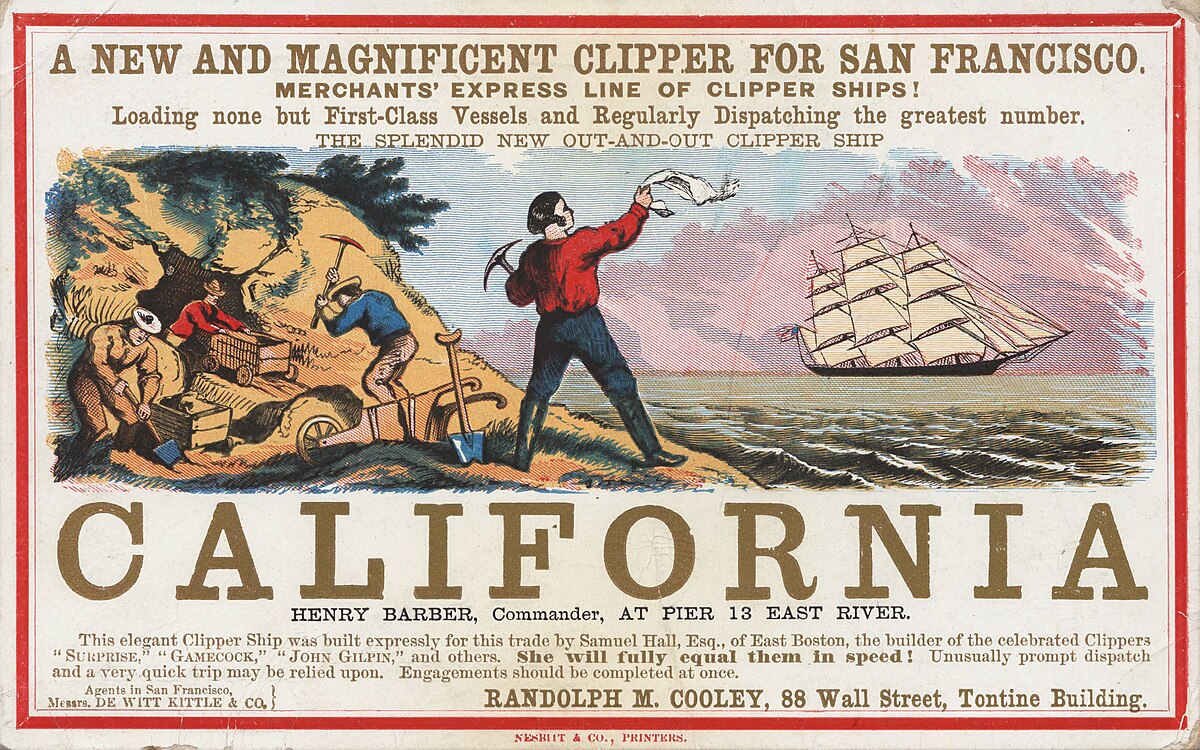
The year 1848 not only marked the discovery of gold but also the very nascent stages of the Gold Rush. While the initial wave of prospectors was largely composed of local residents and individuals from Oregon Country and Mexico, the true explosion of the rush occurred in 1849, giving rise to the iconic term “Forty-Niners.”
The “Forty-Niners” and the Influx of Migrants
The news of the discovery, officially confirmed by U.S. Army Captain William Tecumseh Sherman in a dispatch to his superior in early 1849, ignited a continental migration of unprecedented scale. Tens of thousands of individuals, driven by dreams of quick riches, set out for California from all corners of the globe. They arrived by sea, navigating perilous voyages around South America, or by overland trails, braving the harsh realities of the American West.
These “Forty-Niners” represented a diverse cross-section of society, including farmers, laborers, tradesmen, and entrepreneurs, all eager to stake their claim. The sheer volume of people transformed small settlements into bustling, chaotic boomtowns overnight. The promise of striking it rich overshadowed the immense challenges and dangers associated with the journey and the mining life itself.
The Transformation of California’s Landscape and Society
The impact of the Gold Rush on California was nothing short of revolutionary. The influx of people led to rapid population growth, necessitating the development of infrastructure, law and order, and new forms of governance. Cities like San Francisco transformed from sleepy ports into major commercial hubs.
The indigenous populations of California bore a disproportionately heavy burden from the gold rush, facing displacement, violence, and disease. The environmental impact of mining, with its extensive use of mercury and hydraulic methods, also left lasting scars on the landscape. However, the undeniable economic boon fueled California’s rapid advancement, significantly contributing to its admission to the Union as the 31st state on September 9, 1850, a mere two years after the initial discovery.
The Legacy of the Gold Discovery
The discovery of gold in California in 1848 is far more than just a historical footnote; it is a foundational event that continues to resonate. It spurred westward expansion, shaped American identity, and fostered a spirit of ambition and innovation that characterizes the state to this day.
From Pan to Progress: The Evolution of Mining and Industry
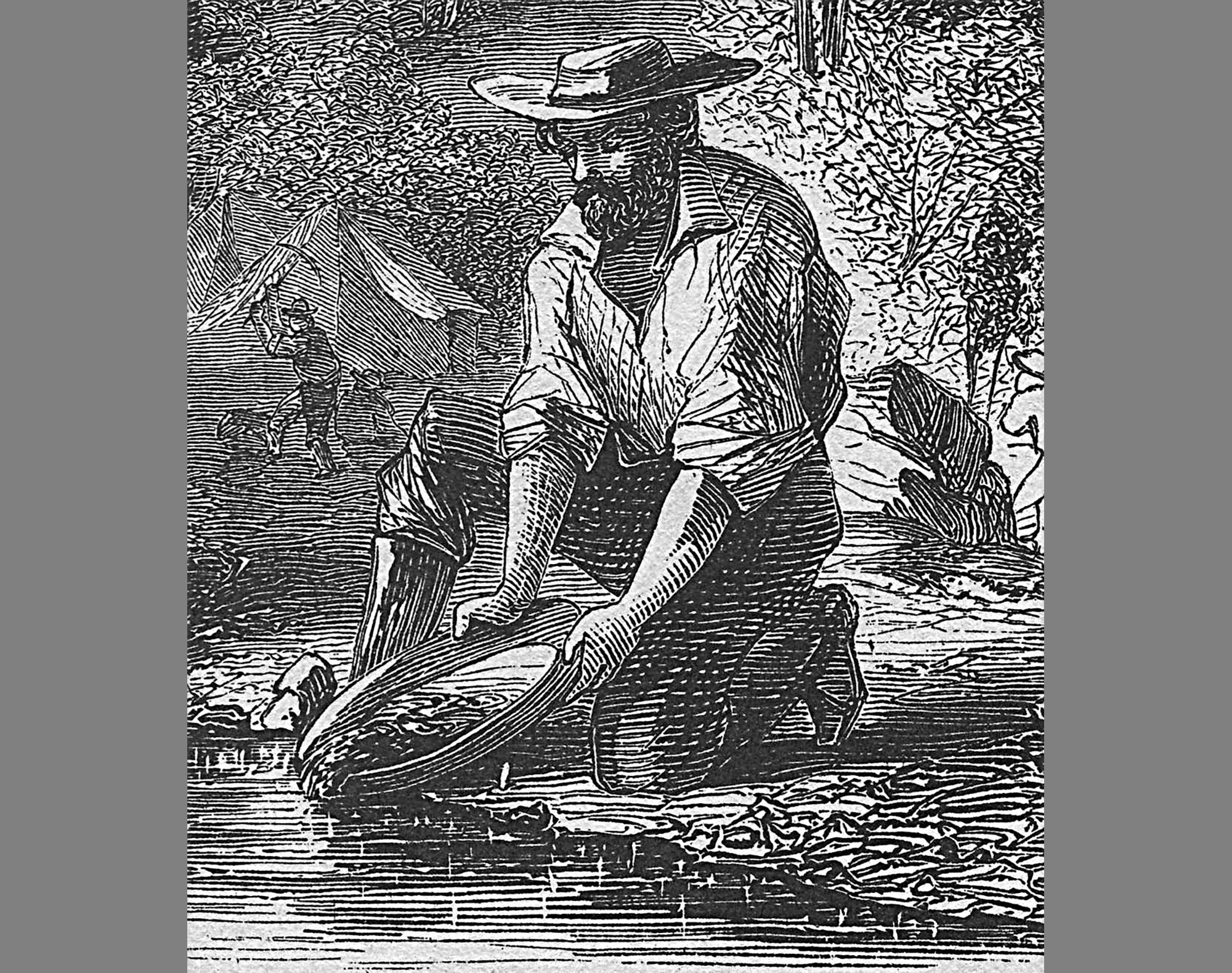
The early days of the Gold Rush were dominated by rudimentary panning and sluice operations, where individual prospectors could literally hold their fortunes in their hands. As the easily accessible surface gold dwindled, more sophisticated and capital-intensive mining techniques emerged, such as hydraulic mining and hard-rock mining. These advancements, while extracting vast quantities of gold, also brought their own set of environmental and economic challenges.
The wealth generated by gold mining also catalyzed the development of other industries in California. Agriculture, transportation, banking, and manufacturing all experienced significant growth, laying the groundwork for California’s future economic prominence. The dream of gold, while elusive for many, ultimately financed the building of a new frontier and a burgeoning state.

Iconic Sites and Enduring Narratives
The legacy of the Gold Rush is preserved in the numerous historic sites, museums, and ghost towns that dot the California landscape. From the preserved buildings of Columbia State Historic Park to the interpretive centers at Marshall Gold Discovery State Historic Park near the site of James W. Marshall’s discovery, visitors can step back in time and experience the atmosphere of this transformative era.
The narratives of the Forty-Niners, their struggles, triumphs, and the rugged individualism they embodied, have become deeply ingrained in the lore of the American West. The discovery of gold in 1848 remains a powerful symbol of opportunity and the enduring human quest for prosperity, a story that continues to captivate and inspire generations.
LifeOutOfTheBox is a participant in the Amazon Services LLC Associates Program, an affiliate advertising program designed to provide a means for sites to earn advertising fees by advertising and linking to Amazon.com. Amazon, the Amazon logo, AmazonSupply, and the AmazonSupply logo are trademarks of Amazon.com, Inc. or its affiliates. As an Amazon Associate we earn affiliate commissions from qualifying purchases.