
Navigating the complexities of unforeseen health challenges or life events can be daunting, impacting not just physical well-being but also financial stability and overall lifestyle. For residents of California, understanding how to access the California State Disability Insurance (SDI) program is a crucial aspect of responsible personal planning and managing life’s unexpected turns. This comprehensive guide aims to demystify the application process, providing insightful steps and considerations to help you secure the benefits you may be entitled to during periods of non-work related disability.
Understanding California’s State Disability Insurance (SDI) Program
The State Disability Insurance (SDI) program in California is a vital, state-mandated benefit designed to provide partial wage replacement to eligible workers who are unable to work due to a non-work-related illness, injury, or pregnancy. Unlike Workers’ Compensation, which covers work-related incidents, SDI steps in when personal health crises prevent you from earning an income. This program is funded through small payroll deductions from workers’ wages, meaning most California employees contribute to and are potentially covered by it.
The primary goal of SDI is to offer a financial safety net, allowing individuals to focus on recovery without the immediate stress of lost wages. This can significantly impact one’s lifestyle during recovery, providing the means to cover essential living expenses while recuperating. Benefits typically cover up to 52 weeks, though the exact duration and amount depend on individual circumstances and earnings during a specific base period. Understanding this foundational aspect is the first step in effectively managing your personal finances and well-being during a challenging period.
Navigating the Application Process: A Step-by-Step Lifestyle Guide
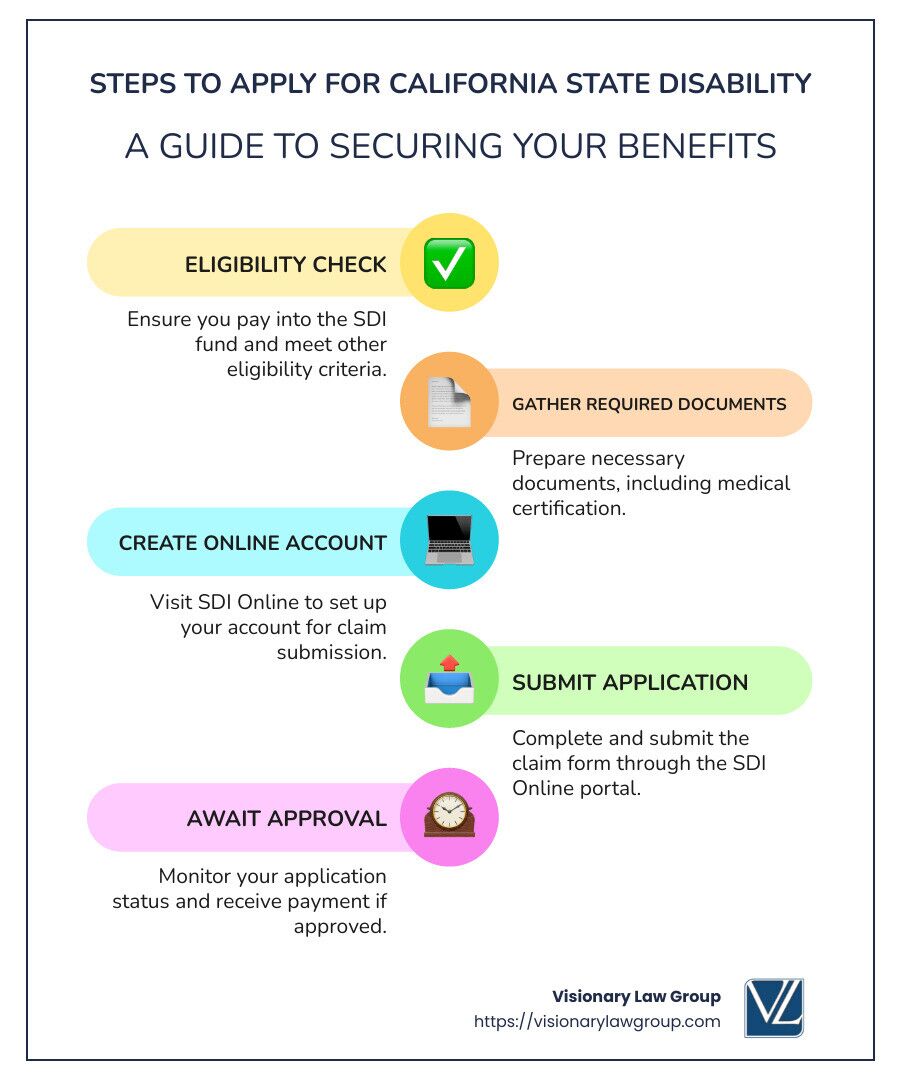
Applying for California State Disability requires careful attention to detail and adherence to specific procedures. Approaching this process methodically can alleviate stress and increase the likelihood of a successful claim, ultimately contributing to a smoother recovery and stable lifestyle.
Step 1: Gather Necessary Documents
Before initiating your claim, thorough preparation is key. This involves collecting several essential pieces of information and documentation that will support your application.
- Medical Records: The most critical component is comprehensive medical documentation from your treating physician. This includes diagnosis, prognosis, treatment plan, and a clear statement of your inability to perform your regular job duties.
- Employer Information: You will need details about your last employer, including their name, address, phone number, and your last date worked.
- Personal Information: Your Social Security number, date of birth, mailing address, and phone number are standard requirements.
- Wage Information: While the Employment Development Department (EDD) typically has your wage history, having pay stubs or W-2s can be helpful for verification if needed.
Framing this as preparing for a significant life event ensures all angles are covered, much like preparing for any major life change.
Step 2: Physician’s Certification
A crucial part of the SDI application is the Physician’s Certificate of Disability. Your licensed medical practitioner (M.D., D.O., Chiropractor, Podiatrist, Optometrist, Dentist, or Nurse Practitioner) must complete and submit this section, certifying your disability and specifying the period you are unable to work. This certification is a medical testament to your condition and its impact on your ability to maintain your professional life, directly linking your health to your lifestyle. It’s imperative to communicate openly with your doctor about your job duties and how your condition prevents you from performing them.
Step 3: Filing Your Claim
Once you have gathered your information and your physician is ready to certify your disability, you can file your claim.
- Online: The fastest and most efficient way to apply is through the EDD’s website using their SDI Online system. This portal allows you to submit your portion of the claim, and it also enables your doctor to electronically submit their certification. This digital approach is designed to be accessible for individuals who may be experiencing health challenges.
- Mail: You can also request a paper application (DE 2501) from the EDD or print it from their website, fill it out, and mail it in. This method is slower but an option for those without reliable internet access or who prefer paper forms.
Timelines and Deadlines
It is critical to file your claim promptly. You must submit your application no earlier than the ninth day after your disability began, but no later than 49 days after your first day of disability. Delays beyond this 49-day window can result in a reduction or denial of benefits unless there’s good cause for the late submission. Timely action is paramount to maintaining financial stability and ensuring uninterrupted support during your recovery period.
Maximizing Your Claim and Ensuring a Smooth Process
A smooth application process can significantly reduce stress during an already challenging time. By understanding common pitfalls and proactively managing communication, you can maximize your chances of a successful claim and maintain focus on your recovery and overall lifestyle well-being.
Key Eligibility Requirements for SDI
Beyond the application steps, understanding the core eligibility criteria is vital:
- Wage Requirements: You must have paid into SDI through payroll deductions. The EDD will examine your earnings in a specific “base period” to determine if you earned at least $300 from which SDI deductions were withheld.
- Inability to Work: Your disability must be certified by a licensed physician as preventing you from performing your regular and customary work duties.
- Employment Status: You must be employed or actively looking for work at the time your disability began.
- Waiting Period: There is a seven-day non-payable waiting period that begins the first day you are unable to work due to your disability. No benefits are paid for this initial week.
Common Pitfalls to Avoid

Errors or omissions can delay your claim and impact your financial support during recovery.
- Incomplete or Inaccurate Forms: Double-check all sections of your application for accuracy and completeness. Missing information is a frequent cause of delays.
- Delayed Submissions: As mentioned, adhering to the 49-day deadline is crucial. Procrastination can lead to lost benefits.
- Lack of Medical Certification: Ensure your physician submits their portion of the claim promptly and accurately. Follow up with their office if necessary.
- Misunderstanding “Disability”: Be clear with your doctor about how your condition prevents you from working. The definition of “disability” for SDI is specific to your inability to perform your job.
Communicating with the EDD
The EDD processes thousands of claims annually. While the SDI Online system provides updates, you may need to communicate directly.
- Check Claim Status Online: Regularly monitor your claim status via SDI Online.
- Contact the EDD: If you have questions or haven’t received updates, contact the EDD Disability Insurance office by phone. Be prepared with your claim number and personal details. Professional and persistent communication can often resolve issues faster.
Understanding Your Rights
If your claim is denied, you have the right to appeal the decision. The EDD will send you a Notice of Determination outlining the reason for denial and instructions on how to appeal.
- Appeals Process: You typically have 30 days from the mailing date of the Notice of Determination to file an appeal. An appeal involves a hearing before an Administrative Law Judge.
- Legal Aid: For complex cases or if you feel overwhelmed, consider seeking assistance from legal aid services or an attorney specializing in disability claims. This can be a vital resource in ensuring your rights are protected and your lifestyle during recovery is not further jeopardized by administrative hurdles.
Special Considerations and Related Benefits
The California State Disability program is part of a broader suite of benefits designed to support California residents through various life events. Understanding these connections can provide a more holistic view of available support.
Pregnancy-Related Disability
One of the most common uses of SDI is for pregnancy-related disabilities. Expecting mothers in California can receive benefits for the period they are unable to work due to pregnancy itself, childbirth, and recovery. Typically, this includes up to four weeks before the expected due date and six to eight weeks after delivery, depending on the type of delivery (vaginal or C-section). This support allows new mothers to focus on their health and newborn, a critical aspect of family lifestyle planning.
Non-Industrial Disability Insurance (NDI) for State Employees
For some California state employees, a program called Non-Industrial Disability Insurance (NDI) might apply instead of SDI. NDI provides benefits for disabilities that are not work-related. It typically covers a specific percentage of wages for a maximum of 26 weeks. It’s essential for state employees to clarify which program applies to them through their human resources department, as the application processes and benefits can differ.
Understanding Paid Family Leave (PFL)
While distinct from SDI, Paid Family Leave (PFL) is often mentioned alongside it because it uses the same funding mechanism (employee payroll deductions) and is administered by the EDD. PFL provides wage replacement benefits to individuals who need to take time off work to care for a seriously ill family member (child, parent, spouse, grandparent, grandchild, sibling, or registered domestic partner), or to bond with a new child (through birth, adoption, or foster care placement). While SDI is for your own disability, PFL supports caregiving responsibilities that also significantly impact one’s lifestyle and ability to work.
Life Beyond Disability: Recovery and Return to Work
Receiving California State Disability is a temporary measure designed to support you through a period of recovery. Planning for your return to work and ensuring long-term financial stability are essential components of a proactive lifestyle strategy.
Planning for Return to Work
As your health improves, communication with your employer and physician becomes crucial.
- Gradual Return: Discuss with your doctor and employer if a gradual return to work or modified duties are feasible.
- Accommodations: If your disability leaves you with lasting limitations, explore reasonable accommodations with your employer under the Americans with Disabilities Act (ADA) or California’s Fair Employment and Housing Act (FEHA).
Financial Planning Post-Disability
Even after returning to work, the financial impact of a disability can linger.
- Budgeting: Re-evaluate your budget to account for any changes in income or ongoing medical expenses.
- Savings: Rebuild your emergency savings fund, if it was depleted, to prepare for future unforeseen events.
- Long-Term Disability Insurance: Consider if private long-term disability insurance is a valuable addition to your financial planning, offering protection beyond the short-term scope of SDI.

Long-Term Disability vs. Short-Term SDI
It’s vital to differentiate SDI from other disability programs. SDI is a short-term program, typically lasting up to 52 weeks. If your disability is expected to last longer, or if it is severe enough to prevent you from engaging in “substantive gainful activity” for at least 12 months, you might need to consider federal programs like Social Security Disability Insurance (SSDI) or Supplemental Security Income (SSI). These programs have different eligibility criteria and application processes. Understanding these distinctions is key to managing your long-term well-being and ensuring continuous support if a short-term disability evolves into a chronic condition impacting your future lifestyle.
Successfully navigating the application for California State Disability is a critical step in managing personal well-being and financial security during challenging times. By understanding the program, meticulously preparing your application, and proactively managing your recovery and return to work, you can ensure that you access the support you need, allowing you to focus on rebuilding and maintaining a healthy, stable lifestyle.
LifeOutOfTheBox is a participant in the Amazon Services LLC Associates Program, an affiliate advertising program designed to provide a means for sites to earn advertising fees by advertising and linking to Amazon.com. Amazon, the Amazon logo, AmazonSupply, and the AmazonSupply logo are trademarks of Amazon.com, Inc. or its affiliates. As an Amazon Associate we earn affiliate commissions from qualifying purchases.